When you are constipated, what you eat can make a noticeable difference. Hard stools, bloating, straining, and the uncomfortable feeling that you cannot completely empty your bowel can make you start looking for the best foods to get things moving again.
People often search for questions like “What should I eat when constipated?”, “Which foods help constipation?”, “What is the best food for constipation?”, “What should I eat to poop quickly?”, and “What foods soften stool naturally?”
There is no single food that works like a guaranteed instant cure. However, building your regular diet around fiber-rich foods, appropriate fluids, and balanced meals can support healthier bowel movements.
Constipation usually involves hard, dry, or difficult-to-pass stools, fewer bowel movements than usual, excessive straining, or a feeling that your bowel has not completely emptied.
You do not necessarily need to have a bowel movement every day. Everyone has a slightly different normal bowel pattern.
If your stools have recently become harder or your bowel movements have become more difficult than usual, your diet is one of the first things worth looking at.
Fiber is one of the most important nutrients for maintaining regular bowel movements. It adds bulk to stool and can help support its movement through the digestive tract.
Adults generally need around 22–34 grams of fiber each day depending on age and sex. Your individual requirement can vary.
If you currently eat very little fiber, however, do not suddenly try to consume the entire recommended amount in one day.
A rapid increase in fiber can cause gas, bloating, abdominal discomfort, and sometimes make constipation feel worse temporarily.
Instead, increase fiber gradually and give your digestive system time to adjust.
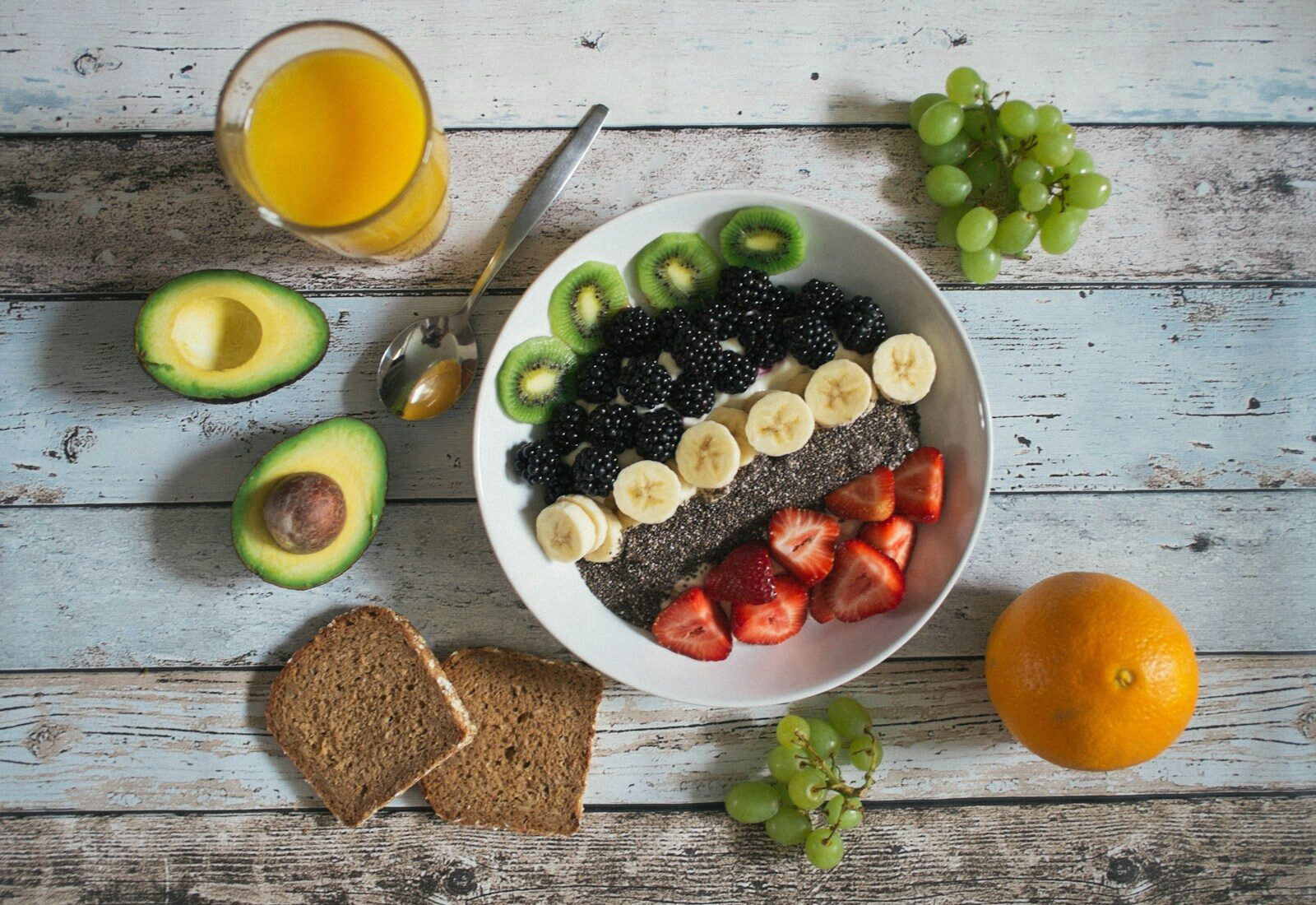
Whole fruits are an easy way to add fiber to your diet.
Pears are particularly useful because they provide dietary fiber and naturally occurring sugars that may support bowel movements in some people.
Apples can also contribute fiber, especially when you eat the skin after washing the fruit properly.
Oranges and other whole citrus fruits provide fiber as well. Eating the whole fruit generally provides more fiber than drinking juice.
Berries can also be a useful addition because they provide fiber along with other nutrients.
The important point is to think about whole foods rather than searching for one “magic” fruit.
Prunes are one of the foods most commonly associated with constipation relief.
They provide fiber and naturally occurring compounds that can help some people have a bowel movement.
Prune juice may also help some people, but drinking a very large amount can lead to gas, abdominal cramps, or diarrhea.
You do not need to consume huge quantities simply because you are constipated.
Kiwi is another fruit that has received attention for its potential benefits for bowel regularity. Including kiwi as part of a balanced diet may be helpful for some people.
Again, the goal is not to depend on one food but to create an overall eating pattern that supports healthy digestion.
Vegetables are another major source of dietary fiber.
Carrots, green peas, broccoli, leafy vegetables, sweet potatoes, and other vegetables can contribute fiber to your meals.
If you are not accustomed to eating many vegetables, increase portions gradually.
Some vegetables can cause more gas than others, especially when you suddenly increase your intake. If you notice bloating, adjust the amount rather than abandoning vegetables completely.
Oats are another convenient choice.
Oatmeal can provide soluble and insoluble fiber and can be an easy breakfast option when you are trying to improve your diet.
You can add fruit, nuts, or seeds to increase the overall fiber content of your meal.
Whole grains can also support bowel regularity.
Whole-grain bread, brown rice, whole-grain cereals, and other less-refined grains generally contain more fiber than their highly refined alternatives.
Switching gradually from refined grains to whole grains can be a simple way to improve your daily fiber intake.
Beans, lentils, and chickpeas are particularly rich in fiber.
They can be added to soups, salads, curries, wraps, or other meals.
If legumes usually cause you a lot of gas, start with smaller portions and increase them slowly. Soaking and cooking them properly can also make them easier for some people to tolerate.
Nuts and seeds can contribute fiber as well.
Almonds, peanuts, chia seeds, flaxseeds, and other seeds can be included in reasonable portions as part of a balanced diet.
Some people add chia or flax to oatmeal or yogurt. If you increase these foods, make sure your overall fluid intake is appropriate because fiber needs adequate fluid to work effectively.
This is particularly important when using concentrated fiber products.
One of the biggest mistakes people make is thinking that more fiber always means faster constipation relief.
It does not.
If stool is already very hard or you are severely constipated, suddenly consuming a large amount of fiber can increase bloating and discomfort.
The better approach is gradual.
Another common question is whether bananas are good or bad for constipation.
The answer depends partly on the banana’s ripeness and the individual. Ripe bananas can fit into a balanced, fiber-containing diet, while less-ripe bananas contain more resistant starch and may affect digestion differently.
There is no need to completely eliminate bananas unless you personally notice that they consistently worsen your symptoms.
People also ask whether rice causes constipation.
Highly refined foods that are low in fiber can contribute to a low-fiber eating pattern when they make up a large part of the diet.
White rice itself does not automatically cause constipation in everyone, but replacing some refined grains with higher-fiber whole grains can increase your overall fiber intake.
The same principle applies to white bread and highly processed cereals.
You do not necessarily need to eliminate these foods completely. The overall pattern of your diet matters more than one individual food.
Another frequently asked question is whether milk causes constipation.
Dairy affects people differently. Some individuals notice digestive symptoms with certain dairy products, while others do not.
If you repeatedly notice constipation or bloating after consuming a particular food, discuss the pattern with a healthcare professional rather than removing multiple food groups without a clear reason.
Cheese and other low-fiber foods can become part of a diet that is generally low in fiber if they replace fruits, vegetables, whole grains, and legumes.
This is another reason to focus on what you add rather than simply creating a long list of foods to avoid.
Fluids are an important part of the picture.
When you do not consume enough fluid, stools can become harder. Adequate hydration can support softer stools, particularly when your fiber intake increases.
You do not need to force excessive amounts of water.
Your fluid needs depend on factors such as your body size, activity level, climate, diet, and health conditions.
If you have been advised to restrict fluids because of a medical condition, follow your healthcare professional’s instructions.
Warm beverages are sometimes recommended for constipation.
A warm drink in the morning may become part of a relaxing bathroom routine, and some people find that it helps stimulate a bowel movement.
However, there is no special warm drink that guarantees immediate relief.
Coffee can stimulate bowel activity in some people, but drinking excessive amounts of coffee is not a good constipation strategy.
Too much caffeine can cause unwanted symptoms and interfere with sleep.
If you already drink coffee comfortably, there is no need to stop simply because you are constipated, unless it makes your symptoms worse.
Fruit juice is another popular home remedy.
Some juices, particularly prune juice, may help certain people. However, juice generally provides less fiber than whole fruit and can contain significant amounts of natural sugar.
Whole fruit is usually a more useful everyday choice for increasing fiber.
You may also see recommendations for lemon water, apple cider vinegar, coconut oil, or various detox drinks.
There is limited reason to treat these products as special constipation cures.
If you enjoy lemon water, there is nothing wrong with drinking it as part of your normal hydration routine, but it is not necessary for bowel health.
The same applies to detox beverages.
Your digestive system does not need commercial “cleansing” drinks to remove waste.
Some products marketed as natural constipation remedies contain stimulant laxative ingredients. These can cause cramping, diarrhea, dehydration, or electrolyte problems.
Natural does not automatically mean safe.
Another important issue is meal size and eating patterns.
Very large meals can make bloating and discomfort worse when you are already constipated.
Eating balanced meals at relatively regular times may be easier for some people than skipping meals all day and eating one enormous meal later.
Eating can naturally stimulate activity in the digestive tract, so a consistent meal routine may also help establish predictable bowel habits.
Breakfast can be particularly useful as an opportunity to create a bathroom routine.
After eating, give yourself enough time to use the toilet if you feel the urge.
Do not sit there for a long time forcing a bowel movement.
A small footstool can raise your knees above your hips and may make the position more comfortable.
Regular movement should accompany your dietary changes.
Even a simple walk can support normal bowel activity.
You do not need to perform intense exercise to improve constipation.
If you spend most of your day sitting, try to introduce more movement throughout the day if your health allows it.
Diet and movement work together better than relying on a single food.
Stress can also influence digestion.
During stressful periods, some people notice changes in appetite and bowel habits.
Eating regular meals, staying hydrated, getting adequate sleep, and maintaining movement can support a healthier routine during stressful periods.
Constipation can also be caused by medicines and supplements.
Iron supplements are a common example. Opioid pain medicines can also slow bowel movements significantly.
Certain antacids, antidepressants, anticonvulsants, blood pressure medicines, diuretics, and other medicines may contribute to constipation in some people.
If constipation started after you began a medication, do not stop it on your own.
Speak with a doctor or pharmacist about whether the medicine could be contributing and whether there is a safe way to manage the side effect.
Food changes may help, but they cannot always overcome a medication that strongly slows bowel function.
People with chronic constipation sometimes become focused on finding one food that will make them poop immediately.
That approach can lead to overeating prunes, consuming excessive fiber, or trying multiple home remedies at the same time.
The digestive system does not always respond instantly.
A better approach is to improve your overall routine and give your body time to respond.
If you need faster relief because you have significant constipation, ask a pharmacist or healthcare professional whether an appropriate constipation treatment is suitable for you.
Do not take multiple laxatives or supplements together simply because you want a faster result.
Different products work in different ways, and excessive use can lead to abdominal cramps, diarrhea, dehydration, or electrolyte disturbances.
Severe constipation also requires caution.
If you have significant abdominal swelling, severe or constant abdominal pain, repeated vomiting, fever, blood in your stool, or an inability to pass gas, do not assume that eating more fiber will solve the problem.
These symptoms can sometimes indicate a condition requiring urgent medical evaluation.
An inability to pass both stool and gas along with increasing abdominal pain or swelling can be particularly concerning.
Do not try to treat such symptoms with repeated laxatives or commercial colon cleanses.
Fecal impaction is another possible complication of prolonged constipation.
This occurs when hard stool becomes stuck and cannot be passed normally.
Some people with an impaction may experience watery stool leaking around the blockage, which can be mistaken for diarrhea.
If you suspect an impaction, do not try to remove the stool manually yourself. Seek professional medical advice.
Pregnancy is another situation where food choices may need special consideration.
Pregnancy can increase the likelihood of constipation, and a fiber-rich diet can often be helpful.
However, pregnant people should speak with their doctor, midwife, or pharmacist before using laxatives, herbal products, or large amounts of supplements.
Children also need age-appropriate advice.
A child’s constipation should not simply be managed by giving large quantities of adult constipation foods or supplements.
If a child has persistent constipation, painful bowel movements, stool withholding, vomiting, blood in the stool, poor appetite, or other concerning symptoms, speak with a pediatric healthcare professional.
Older adults may also have several factors contributing to constipation at the same time.
Dietary changes, reduced activity, inadequate fluid intake, and medications can all play a role.
In this situation, a healthcare professional may need to review the complete picture.
If constipation keeps returning despite eating more fiber, do not assume you simply need even more fiber.
Persistent constipation can have other causes, including medication effects, pelvic floor problems, irritable bowel syndrome, and certain medical conditions.
A doctor can help determine whether further evaluation is needed.
It can be useful to keep track of what you eat and how your bowel movements change.
You do not need a complicated food diary. Simply noting major dietary changes, bowel movement frequency, stool consistency, and symptoms such as bloating can help you identify patterns.
This can also make a medical consultation more productive if the problem continues.
Remember that the best diet for constipation is usually not an extreme diet.
It is a balanced eating pattern that provides enough fiber, includes a variety of plant foods, supports appropriate hydration, and is realistic enough to maintain over time.
You do not need to completely eliminate your favorite foods.
Instead, consider what foods are missing from your current diet.
If you rarely eat fruit, add one serving. If vegetables are missing from most meals, introduce them gradually. If you mainly eat refined grains, replace some with whole-grain options.
Small changes can add up.
If your constipation improves when you consistently eat more fiber-rich foods, stay active, drink appropriately, and respond to bowel urges, maintaining those habits may help prevent future episodes.
But if symptoms remain severe or keep returning, diet alone may not be enough.
Constipation is not always a food problem.
Your medications, activity level, fluid intake, stress, medical history, and bowel habits can all influence how your digestive system works.
The most useful approach is therefore to look at the entire routine rather than blaming one food.
If you experience occasional mild constipation, gradually increasing fiber through fruits, vegetables, whole grains, legumes, nuts, and seeds can be a sensible starting point.
Maintain appropriate hydration, stay physically active, and give yourself enough time to use the bathroom.
Avoid excessive straining and avoid relying on detox products or extreme dietary changes.
If constipation continues for several weeks, keeps returning, or requires frequent use of laxatives, talk with a healthcare professional.
You should also seek prompt medical attention if constipation is accompanied by severe abdominal pain, repeated vomiting, significant abdominal swelling, fever, blood in the stool, black tar-like stools, unexplained weight loss, or an inability to pass gas and stool.
There is no single perfect food for constipation, but there is a much more useful long-term strategy: build a diet that regularly supplies enough fiber, maintain appropriate fluid intake, stay active, and pay attention to your body’s natural bowel signals.
Instead of searching for a miracle food every time you become constipated, focus on creating habits that make comfortable bowel movements more likely in the first place.
This article is for general educational purposes and does not replace personalized medical advice, diagnosis, or treatment. If your constipation is persistent, severe, recurrent, or accompanied by concerning symptoms, consult a qualified healthcare professional.