
Polycystic ovary syndrome, commonly known as PCOS, is a hormonal and metabolic condition that can affect people with ovaries during their reproductive years.
PCOS is relatively common, but it does not look the same in everyone.
Some people mainly experience irregular periods, while others may struggle with acne, increased facial or body hair, hair thinning, weight changes, insulin resistance, or difficulty becoming pregnant.
The name can also be confusing because not everyone with PCOS has ovarian cysts.
PCOS is a complex condition involving hormonal, metabolic, and reproductive factors. The exact cause is not completely understood, but genetics and environmental factors both appear to play a role.
Insulin resistance is also common in PCOS.
When the body does not respond effectively to insulin, the pancreas may produce more insulin. Higher insulin levels can contribute to increased production or activity of certain hormones, including androgens.
Androgens are sometimes described as male hormones, but everyone produces them in different amounts.
In PCOS, androgen levels or their effects may be higher than usual.
This can interfere with normal ovulation and contribute to symptoms such as irregular menstrual cycles, acne, excess facial or body hair, and scalp hair thinning.
One of the most noticeable signs of PCOS is an irregular menstrual cycle.
Some people may have periods that occur less frequently than expected, while others may have unpredictable bleeding.
Some people with PCOS may go for months without a period.
Irregular periods should not automatically be attributed to PCOS, however.
Pregnancy, thyroid disorders, significant weight changes, excessive exercise, eating disorders, stress, certain medications, and other hormonal conditions can also affect menstrual cycles.
This is why a proper medical evaluation is important.
PCOS can also affect ovulation.
If ovulation does not occur regularly, becoming pregnant may take longer.
PCOS is one of the common causes of ovulatory infertility, but having PCOS does not mean that pregnancy is impossible.
Many people with PCOS become pregnant naturally or with appropriate medical treatment.
Another common feature is excess androgen activity.
This may lead to increased facial hair, increased body hair, persistent acne, oily skin, or thinning hair on the scalp.
The severity varies considerably.
Some people may have hormonal changes without obvious physical symptoms, while others may experience several symptoms at the same time.
Weight gain and difficulty losing weight are also frequently reported by people with PCOS.
Insulin resistance can make weight management more difficult for some individuals.
However, PCOS can occur in people of all body sizes.
A person does not need to be overweight to have PCOS.
This is an important point because PCOS should not be reduced to a weight problem.
People with a healthy body weight can still have irregular periods, elevated androgens, insulin resistance, or other features of the condition.
Similarly, losing weight is not a universal cure for PCOS.
For people with overweight or obesity, even modest weight reduction may improve certain metabolic or reproductive features.
But treatment should be individualized rather than based solely on body weight.
PCOS can also increase the risk of metabolic problems.
Insulin resistance, prediabetes, type 2 diabetes, abnormal cholesterol, high blood pressure, and other cardiovascular risk factors can be more common in people with PCOS.
This means PCOS is not only a reproductive health condition.
It can affect metabolic health over the long term.
Regular health monitoring can therefore be useful.
Depending on individual risk factors, a healthcare professional may evaluate blood glucose, cholesterol, blood pressure, weight, menstrual patterns, and other relevant health measures.
Sleep can also be relevant.
Some people with PCOS have a higher risk of obstructive sleep apnea, particularly when excess body weight is present.
Loud snoring, waking up gasping, morning headaches, excessive daytime sleepiness, or persistent tiredness may warrant discussion with a healthcare professional.
PCOS can also affect emotional well-being.
Hormonal symptoms, fertility difficulties, acne, unwanted hair growth, weight concerns, and social pressure can contribute to stress, anxiety, or low mood.
Mental health should not be treated as an unimportant side issue.
If you are experiencing persistent sadness, anxiety, loss of interest in normal activities, or difficulty coping, consider speaking with a qualified mental health or healthcare professional.
There is no single test that can diagnose every case of PCOS.
Healthcare professionals generally consider symptoms, menstrual history, physical findings, laboratory tests, and sometimes ultrasound.
Other conditions that can cause similar symptoms may need to be ruled out.
Thyroid disorders, elevated prolactin, certain adrenal conditions, pregnancy, and other hormonal problems can sometimes resemble features of PCOS.
This is why self-diagnosing from symptoms or an online checklist can be misleading.
An ultrasound may show multiple small follicles in the ovaries, but these findings are not by themselves enough to establish PCOS.
The appearance of the ovaries can vary, and some people with PCOS do not have the typical ultrasound appearance.
The term “polycystic” therefore does not mean that everyone with PCOS has large ovarian cysts.
PCOS treatment depends on what symptoms and health goals matter most to the individual.
Someone who is not trying to become pregnant may have a different treatment plan from someone who is actively trying to conceive.
Treatment may focus on menstrual regulation, acne, excess hair growth, metabolic health, fertility, or a combination of these concerns.
Hormonal birth control may be recommended for some people to regulate menstrual bleeding and reduce certain androgen-related symptoms.
Different types of hormonal contraception are available, and the appropriate option depends on individual medical circumstances.
People should discuss benefits, risks, and alternatives with their healthcare professional.
Metformin is another medication that may be used in some people with PCOS, particularly when insulin resistance, prediabetes, or other metabolic concerns are present.
It can also have a role in some fertility treatment plans.
However, metformin is not appropriate for everyone with PCOS.
Medication should be prescribed based on individual circumstances rather than taken simply because someone else with PCOS uses it.
For people struggling with acne or excess hair, other treatments may be considered.
Topical acne treatments, dermatological procedures, hair-removal methods, or medications that reduce androgen effects can sometimes be used.
The appropriate treatment depends on severity, pregnancy plans, other medications, and medical history.
Fertility treatment is another important part of PCOS care.
If irregular ovulation is preventing pregnancy, healthcare professionals can use medications and other fertility approaches to help stimulate ovulation.
The treatment should be guided by a qualified fertility or reproductive health professional.
PCOS does not mean that fertility is permanently lost.
Many people with the condition can become pregnant with appropriate support.
Lifestyle changes are also an important part of PCOS management.
A healthy eating pattern can support blood glucose regulation, cardiovascular health, and weight management when appropriate.
There is no single “PCOS diet” that works for everyone.
Instead, focus on a balanced pattern that includes vegetables, fruits, whole grains, legumes, protein sources, and healthy fats.
High-fiber foods can be particularly useful because they can support fullness, digestive health, and blood glucose management.
Beans, lentils, vegetables, fruits, oats, whole grains, nuts, and seeds can all contribute fiber.
Protein can come from eggs, fish, poultry, dairy products, legumes, tofu, nuts, or other suitable sources.
Meals that combine protein, fiber-rich carbohydrates, and vegetables can be more satisfying than meals dominated by refined carbohydrates.
This does not mean carbohydrates need to be completely eliminated.
Whole grains, legumes, fruits, and other carbohydrate-containing foods can be part of a nutritious diet.
The amount and quality of carbohydrates, as well as the overall dietary pattern, matter.
Added sugars and highly processed foods can be limited, especially when they contribute large amounts of calories without much nutritional value.
Sugary beverages can be an easy source of excess sugar and calories.
Replacing them with water or unsweetened drinks can be a practical step.
However, healthy eating should not become an extreme restriction.
You do not have to completely eliminate sweets, rice, roti, potatoes, fruit, or other individual foods simply because you have PCOS.
A sustainable eating pattern is more useful than a long list of forbidden foods.
For people following an Indian diet, foods such as dal, rajma, chana, vegetables, curd, eggs, fish, whole grains, nuts, and seeds can all fit into a balanced PCOS-friendly eating pattern.
Traditional foods can be adjusted according to portions and preparation methods.
Deep-fried foods, heavily processed snacks, and sugary drinks can be consumed less frequently without requiring complete elimination of cultural foods.
Physical activity is another important part of PCOS management.
Regular exercise can improve insulin sensitivity, cardiovascular fitness, mood, sleep, and overall metabolic health.
It can be beneficial even when significant weight loss does not occur.
Walking is a simple starting point.
If you are currently inactive, begin with manageable sessions and gradually increase the amount of movement.
Adults are generally encouraged to aim for at least 150 minutes of moderate-intensity physical activity each week, along with muscle-strengthening activities on at least two days when appropriate.
Strength training can be particularly useful because maintaining muscle supports glucose metabolism and physical function.
Resistance bands, bodyweight exercises, weights, and other forms of resistance training can be adapted to different fitness levels.
You do not need to spend hours in the gym to benefit from regular movement.
Consistency is more important than following an extreme workout plan for a short period.
Sleep should also be taken seriously.
Poor sleep can affect appetite, insulin sensitivity, mood, energy levels, and weight management.
Aim for a regular sleep schedule and adequate sleep.
If you frequently wake up feeling exhausted despite getting enough time in bed, discuss the problem with a healthcare professional.
Stress management can also be helpful.
PCOS can itself become a source of stress, particularly when symptoms affect appearance, menstrual health, or fertility.
Stress can also influence eating patterns and sleep.
Activities such as walking, relaxation exercises, hobbies, social connection, and adequate rest may help support emotional well-being.
PCOS and weight loss are frequently discussed online, but many popular claims are misleading.
There is no supplement that guarantees rapid weight loss or permanently fixes PCOS.
Products marketed as hormone-balancing powders, detox drinks, or fertility supplements should be approached cautiously.
Some supplements may interact with medications or contain ingredients that have not been adequately studied.
“Natural” does not automatically mean safe.
If you are considering supplements, discuss them with a healthcare professional.
Inositol is one supplement that has received attention in PCOS research.
Some forms may help certain metabolic or reproductive outcomes in some people, but evidence varies, and supplementation is not a replacement for medical care.
Do not assume that taking a supplement will eliminate the need for appropriate treatment.
Another common misconception is that PCOS is caused by eating too much sugar.
Diet can influence metabolic health, but PCOS is a complex condition involving genetics, hormones, metabolism, and other factors.
Blaming someone for developing PCOS is neither accurate nor helpful.
Another misconception is that everyone with PCOS should lose a large amount of weight.
Weight management may be beneficial for some people, particularly when excess weight is contributing to metabolic risk.
But PCOS can occur at any body size, and treatment should not be reduced to weight loss.
If you have a healthy weight, the focus may instead be on menstrual health, metabolic screening, physical activity, nutrition, symptoms, and fertility if relevant.
Menstrual irregularity deserves attention even when PCOS has not been diagnosed.
Very infrequent periods can sometimes allow the lining of the uterus to remain exposed to estrogen without regular progesterone-induced shedding.
Over time, this can increase the risk of endometrial problems in some people.
If you regularly go several months without a period and are not pregnant, speak with a healthcare professional.
Do not rely on home remedies to force a period without identifying the cause.
Excess hair growth can also be emotionally distressing.
Hair-removal methods such as shaving, waxing, threading, laser treatment, or electrolysis can help manage unwanted hair.
Shaving does not make hair grow back thicker, although the blunt end of a shaved hair can temporarily make it appear darker or coarser.
Medical treatments can also help reduce new hair growth when appropriate.
Results often take time, so unrealistic expectations should be avoided.
Acne associated with PCOS may also require targeted treatment.
Over-the-counter products may help mild acne, while persistent or severe acne may require dermatological treatment.
Some acne medications are not appropriate during pregnancy, so tell your healthcare professional if you are pregnant or planning to become pregnant.
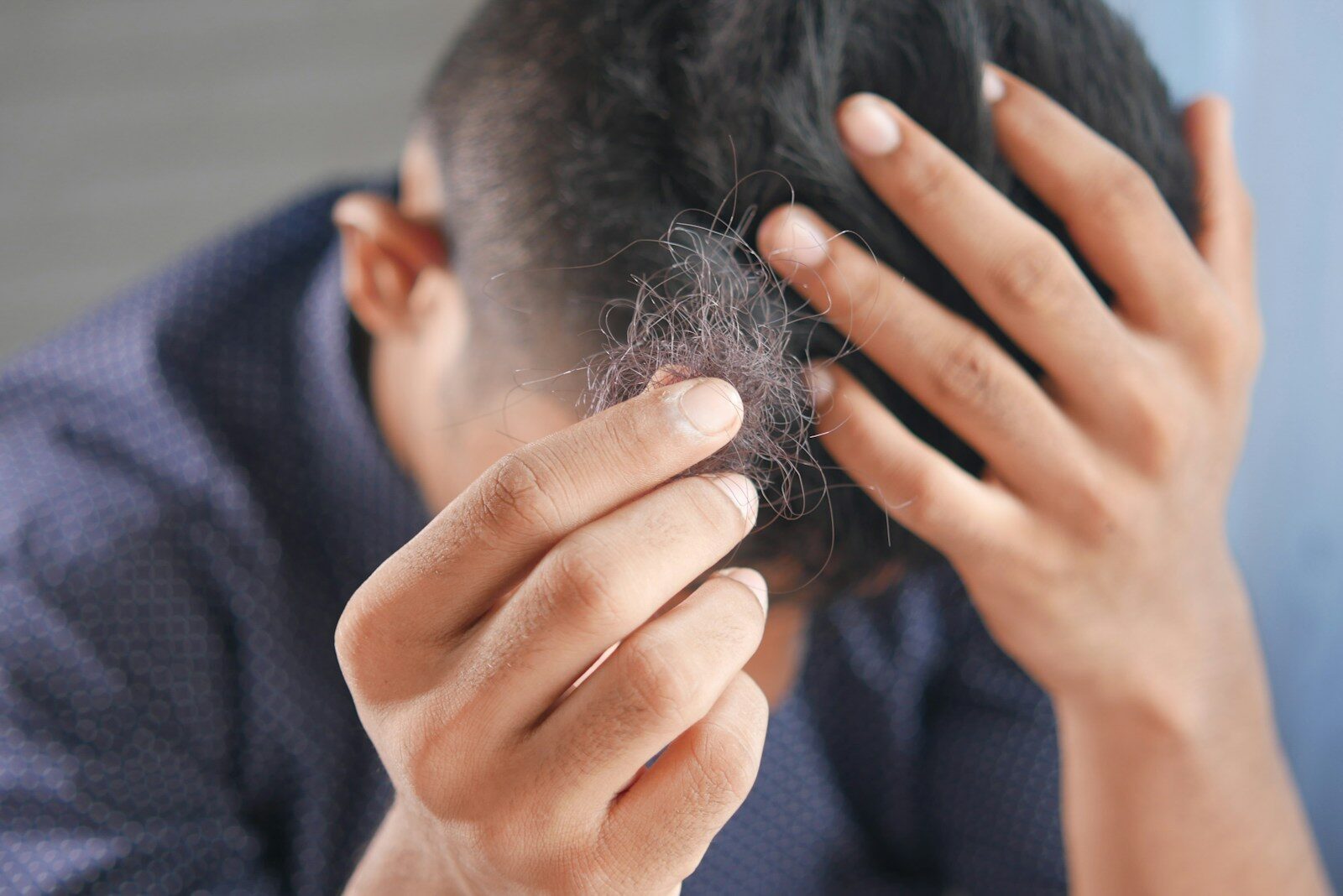
Hair thinning can be another PCOS-related concern.
However, scalp hair loss can have many causes, including iron deficiency, thyroid disease, nutritional deficiencies, stress, genetics, and other hormonal conditions.
If hair loss is significant or persistent, a medical evaluation can help identify the cause.
PCOS can also change over time.
Symptoms may become more or less noticeable depending on age, weight, medications, pregnancy, lifestyle, and other factors.
Having fewer symptoms does not necessarily mean the condition has disappeared.
Long-term metabolic health remains important.
People with PCOS should discuss appropriate screening with their healthcare professional, particularly when they have additional risk factors for diabetes or cardiovascular disease.
Blood glucose testing can be particularly relevant because insulin resistance and type 2 diabetes are more common in people with PCOS.
Blood pressure and cholesterol may also need monitoring.
Pregnancy planning is another important consideration.
If you have PCOS and want to become pregnant, tell your healthcare professional.
They can assess ovulation, metabolic health, medications, and other factors before and during pregnancy.
Some medications used for PCOS symptoms may need to be changed before pregnancy.
Do not stop prescribed medication on your own.
Pregnancy with PCOS is possible, but some complications may be more common, including gestational diabetes and high blood pressure during pregnancy.
Appropriate prenatal care can help identify and manage these risks.
PCOS can be frustrating because there is no single treatment that fixes every symptom.
A person may need one approach for irregular periods, another for acne, another for unwanted hair, and additional support for fertility or metabolic health.
This does not mean treatment has failed.
It reflects the complex nature of the condition.
The best plan is usually one tailored to your symptoms, health goals, medical history, and reproductive plans.
If you suspect that you have PCOS, start by discussing your symptoms with a qualified healthcare professional.
Keep track of your menstrual cycle, unusual bleeding, acne, hair growth, hair loss, weight changes, and other symptoms.
This information can help your healthcare professional understand your pattern.
Do not diagnose yourself based solely on an irregular period or an ultrasound report.
Several conditions can cause similar symptoms.
PCOS is manageable, but it requires a long-term approach.
Healthy eating, regular physical activity, adequate sleep, stress management, appropriate weight management when needed, and medical treatment can all contribute to better health.
You do not need to follow every health trend you see online.
Focus on evidence-based care and habits that you can realistically maintain.
If you have been diagnosed with PCOS, remember that the condition does not define your health or fertility.
Many people with PCOS successfully manage their symptoms, improve their metabolic health, and have healthy pregnancies.
The goal is not to achieve perfect hormones or eliminate every symptom overnight.
The goal is to understand your condition, address the symptoms that matter to you, reduce long-term health risks, and receive appropriate medical care.
If your periods are persistently irregular, you have new or worsening excess facial hair or acne, unexplained fertility difficulties, significant weight changes, or other symptoms that concern you, consider arranging a medical evaluation.
Early assessment can help rule out other conditions and create a treatment plan suited to your individual needs.
PCOS is a complex condition, but with the right information, healthy habits, and appropriate professional support, it can be managed as part of a healthy and active life.