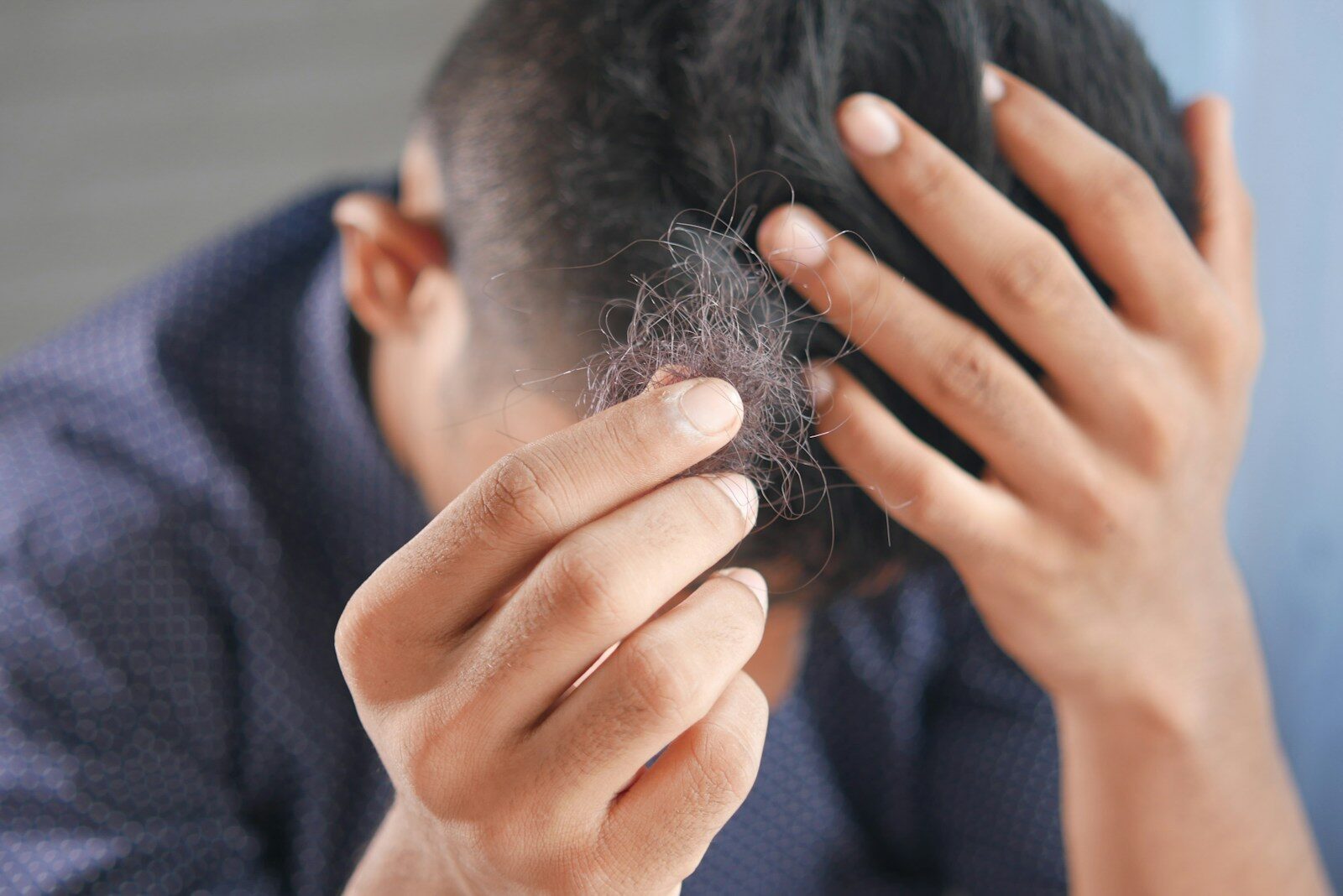

Hair fall in women can be confusing because it does not always look like the classic receding hairline people associate with hair loss. Many women first notice a wider part, a thinner ponytail, more scalp showing through the hair, or an unusual amount of shedding during washing.
Some shedding is normal, but a noticeable change in hair density deserves attention.
Women can experience temporary shedding, hereditary pattern hair loss, hormonal hair changes, nutritional problems, scalp conditions, and several other forms of hair loss.
The first step is understanding what your hair is actually doing rather than immediately assuming that a particular shampoo, oil, or vitamin is responsible.
Hair naturally goes through a growth cycle.
Individual follicles grow hair for a period of time, enter a resting phase, and eventually release the hair.
Because different follicles are at different stages, some hair shedding happens every day.
Finding a few strands on your pillow or in the shower is therefore not automatically a sign of hair loss.
The concern is more about a persistent increase in shedding or a gradual reduction in hair density.
One of the most common patterns in women is gradual thinning over the top of the scalp.
You may notice that your middle part is becoming wider.
Your ponytail may feel smaller.
The scalp may become more visible when your hair is pulled back.
These changes can develop slowly, so many women do not notice them until the difference becomes obvious.
Genetics can play an important role.
Female pattern hair loss can occur even when a woman has always had healthy hair and takes good care of it.
It can also occur without an obvious family history.
Hormonal and genetic factors can influence how susceptible individual follicles are to thinning.
Another major cause of hair shedding in women is telogen effluvium.
This is a temporary increase in shedding that can occur when a larger number of hairs enter the resting phase of the hair cycle.
It can follow physical or emotional stress.
High fever, significant illness, surgery, rapid weight loss, restrictive dieting, childbirth, major stress, and hormonal changes are some situations that can be associated with increased shedding.
One confusing feature is that the shedding may appear after the triggering event rather than immediately.
You might recover from an illness and only later notice that your hair is falling more than usual.
You may finish a strict diet and then start seeing extra hair in the shower weeks later.
This delay can make it difficult to identify the cause.
Many women immediately blame a new shampoo or hair product.
But the trigger may have happened much earlier.
Pregnancy and the postpartum period are particularly important when discussing women’s hair.
Hormonal changes during pregnancy can affect the hair cycle.
After delivery, many women notice increased shedding as hormone levels change and a larger number of hairs move into the shedding phase.
Postpartum shedding can be alarming because the amount of hair may seem dramatically different from what you experienced before pregnancy.
In many cases, it is temporary.
However, persistent or severe thinning should still be evaluated because other conditions can occur at the same time.
Menopause is another life stage when hair changes may become more noticeable.
Hormonal changes can affect hair density and texture, and hereditary pattern hair loss may become more apparent.
Not every woman will experience the same changes.
If your hair is becoming progressively thinner during or after menopause, a dermatologist can help determine whether the pattern is related to hormonal changes, genetics, nutritional issues, or another condition.
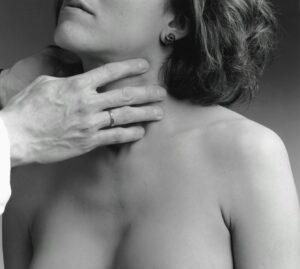
Thyroid problems can also affect hair.
Both underactive and overactive thyroid conditions can be associated with changes in hair growth.
If hair loss occurs along with persistent fatigue, unexplained weight changes, changes in heart rate, unusual sensitivity to cold or heat, or other symptoms, tell your healthcare professional.
Hair loss is not enough by itself to diagnose a thyroid disorder.
A proper medical assessment is needed.
Iron deficiency is another concern for some women.
Women may be more vulnerable to low iron stores for several reasons, including menstrual blood loss and inadequate dietary intake.
Iron deficiency can contribute to hair shedding in some individuals.
But not every woman with hair loss has iron deficiency.
Taking iron supplements without knowing whether you need them is not recommended.
A healthcare professional can determine whether testing is appropriate.
The same principle applies to vitamin D, vitamin B12, zinc, and other nutrients.
Deficiencies can affect health and, in some cases, hair.
But taking large amounts of supplements without a confirmed need does not guarantee thicker hair.
Hair supplements are heavily marketed, but they should not replace proper diagnosis.
Biotin is one of the most common examples.
Biotin deficiency can affect hair, but severe deficiency is uncommon in many people.
Taking large doses of biotin when you are not deficient does not necessarily improve hair growth and can interfere with certain laboratory tests.
A balanced diet is generally a better foundation.
Protein is particularly important.
Hair is primarily made of keratin, which is a structural protein.
If you are consistently eating too little protein, especially while losing weight or exercising intensely, your nutritional intake may not adequately support normal hair production.
This is particularly relevant when someone follows a restrictive diet.
Crash dieting can create multiple potential triggers at once.
A person may consume fewer calories, lose weight quickly, eat less protein, and develop nutritional deficiencies.
The combined physiological stress can contribute to increased shedding.
If you are trying to lose weight, aim for a sustainable approach that provides adequate nutrition.
Foods such as eggs, dairy products, fish, poultry, beans, lentils, soy, nuts, and seeds can contribute protein depending on your dietary preferences.
If you have a medical condition or dietary restriction, personalized advice is more appropriate than copying an online diet.
Rapid weight loss from weight-management medications can also be associated with increased hair shedding in some people.
You may have seen this described online as “Ozempic hair.”
The term is popular, but it is not a specific medical diagnosis.
In some cases, reduced appetite and rapid weight loss may result in lower energy or protein intake, while the physiological stress of substantial weight loss may also affect the hair cycle.
If you experience significant shedding while taking a prescribed weight-loss medication, do not stop it without speaking to your healthcare professional.
Your doctor can assess your rate of weight loss, nutrition, medication history, and other possible causes.
Stress can also affect women’s hair.
Major emotional stress does not mean that everyone will develop hair loss.
But significant stress can contribute to temporary shedding in some people.
Women may also experience several overlapping stressors, including work pressure, caregiving responsibilities, relationship difficulties, financial concerns, sleep disruption, and major life changes.
Stress management is therefore worth considering as part of overall health.
You do not need to eliminate stress completely.
That is unrealistic.
Instead, focus on sustainable habits such as regular sleep, physical activity, adequate nutrition, relaxation, and periods of recovery.
Sleep is also important.
Consistently poor sleep can affect general health and may make it harder for the body to recover from physical and emotional stress.
A regular sleep routine can support overall wellbeing, although improving sleep alone will not cure every type of hair loss.
Hairstyles can also contribute to hair problems.
Tight ponytails, buns, braids, extensions, and other styles that repeatedly pull on the roots can cause traction-related hair loss.
Women who regularly wear tight hairstyles may first notice thinning around the hairline or areas where the hair is under the most tension.
Pain or persistent tightness is a warning sign.
A hairstyle should not regularly hurt your scalp.
Reducing tension and changing hairstyles can help protect the follicles.
If traction continues for a long time, however, the damage can become more serious.
This is why early changes should not be ignored.
Heat and chemical treatments can create another type of problem.
Frequent straightening, curling, bleaching, coloring, relaxing, and other chemical processing can weaken the hair shaft.
This can cause breakage.
Breakage can make your hair appear thinner even when the follicles themselves are healthy.
If you see many short hairs of different lengths, your problem may involve breakage rather than only shedding.
You can also experience both at the same time.
For example, a woman may have hereditary thinning at the scalp while also dealing with breakage caused by frequent heat styling.
The treatment approach for each issue is different.
Gentle hair care can help reduce breakage.
Avoid excessive heat when possible.
Be careful when detangling wet hair.
Avoid repeatedly pulling through knots.
Use conditioner if it improves manageability.
Reduce harsh chemical treatments if your hair has become brittle.
These steps can protect the hair shaft but will not necessarily treat an underlying medical form of hair loss.
Scalp health is equally important.
Persistent itching, redness, burning, scaling, pain, or sores should not be treated as normal hair fall.
Conditions such as dandruff, dermatitis, psoriasis, fungal infections, and other scalp disorders can cause symptoms that need specific treatment.
Scratching an itchy scalp repeatedly can also create additional mechanical damage.
If scalp symptoms persist, a dermatologist can determine the cause.
Another common misconception is that washing your hair causes women to lose hair.
Normal washing does not usually cause permanent hair loss.
It may simply make already-loose hairs visible.
This is especially noticeable if you wash your hair only a few times a week.
Several days’ worth of naturally shed hairs may become visible during one shower.
This can look dramatic without representing a sudden change in the number of hairs being lost.
You do not need to avoid washing your hair because you are worried about shedding.
Choose a washing routine that works for your scalp and hair type.
If your scalp becomes oily or uncomfortable, regular cleansing may be useful.
If your scalp is dry or sensitive, you may need a gentler routine.
There is no single washing schedule that works for every woman.
Another popular misconception is that oiling your scalp will stop hair loss.
Hair oil can improve softness and reduce friction for some people.
But oiling is not a universal treatment for hair loss.
If your hair is thinning because of genetics, thyroid disease, nutritional deficiency, hormonal changes, or another medical condition, applying oil will not address the underlying cause.
Similarly, shampoos marketed for hair growth should be viewed realistically.
A shampoo can clean the scalp and improve the cosmetic appearance of the hair.
It generally cannot reverse every cause of hair loss.
Be cautious when a product promises dramatic regrowth in a very short period.
Hair growth is slow, and genuine changes in density usually require time.
Another common question is whether cutting the hair can make it grow thicker.
Cutting the ends does not change the number of follicles or the growth rate.
Hair grows from follicles within the scalp.
A haircut can make the ends look healthier and remove damaged portions, but it does not increase follicle activity.
Shaving the head does not permanently increase hair thickness either.
The hair may look thicker temporarily because the ends are blunt after shaving.
The underlying follicles remain unchanged.
Women with curly or textured hair may have additional concerns because shrinkage can make it difficult to judge actual length and density.
Breakage may also be more noticeable if the hair is dry or frequently manipulated.
Gentle detangling and reducing unnecessary tension can help protect fragile hair.
The goal is to care for the hair without assuming that every texture requires the same routine.
Another issue worth considering is medication-related hair loss.
Some medicines can contribute to hair shedding in certain people.
If your hair loss began after starting a new medication, do not stop the medication on your own.
Instead, tell your doctor about the timing.
The medication may not be the cause, and abruptly stopping some medicines can be dangerous.
Your healthcare professional can determine whether an alternative or further evaluation is appropriate.
Hormonal medications can also be relevant.
Changes in contraception or other hormone-related treatments can coincide with changes in the hair cycle for some women.
The timing should be discussed with your healthcare professional rather than assuming that a particular medicine is definitely responsible.
Women with polycystic ovary syndrome may also experience hair changes.
PCOS can involve hormonal changes that affect hair growth patterns.
Some women may experience scalp hair thinning while also noticing increased facial or body hair.
Other symptoms can include irregular menstrual cycles or acne.
These symptoms can have several possible causes, so they should be evaluated medically rather than self-diagnosed.
Hair loss can sometimes be the first noticeable sign that something else is happening in the body.
This is why persistent unexplained thinning should not always be treated with cosmetic products.
A dermatologist can examine your scalp and hair pattern and determine what type of hair loss is occurring.
Depending on your history and symptoms, additional testing may be considered.
There is no universal blood-test panel that every woman with hair loss needs.
Testing should be based on the individual’s symptoms, diet, medical history, medications, menstrual history when relevant, and examination.
This approach is more useful than ordering every possible test without a clear reason.
One of the biggest mistakes women make is trying several treatments simultaneously.
A new shampoo is followed by an oil, serum, supplement, hair mask, and another treatment.
If the shedding continues, it becomes difficult to know what is actually happening.
Some products may also irritate the scalp.
A simpler routine is often easier to manage.
Focus on gentle hair care and overall health while investigating persistent hair loss properly.
If you recently experienced a fever, illness, surgery, childbirth, rapid weight loss, major stress, or restrictive dieting, tell your healthcare professional.
These events can provide important clues.
The timing of the shedding is particularly useful.
If significant shedding begins after a major physical stressor, temporary telogen effluvium may be considered.
If thinning has been gradually progressing for years, hereditary pattern hair loss may be more likely.
If the hair loss is patchy, another condition may be involved.
If there is extensive breakage, hair-shaft damage may be contributing.
These distinctions matter because the treatments are different.
Another important warning sign is a rapidly widening part.
A small amount of natural variation is normal, but progressive widening should be assessed.
The same applies to a noticeable reduction in ponytail thickness.
Take photographs under similar lighting every few weeks if you want to monitor changes.
Try not to compare a photograph taken under bright overhead lighting with one taken in soft natural light.
Hair can look dramatically different depending on lighting, moisture, oil, and styling.
You also do not need to count every hair.
Daily hair counts can be stressful and are difficult to interpret accurately.
Look at the overall pattern instead.
Is shedding clearly higher than before?
Is your density changing?
Is your part becoming wider?
Are there bald patches?
Are you experiencing scalp symptoms?
Are your eyebrows or eyelashes changing as well?
These observations can provide more useful information.
Sudden patchy hair loss should be evaluated promptly.
Alopecia areata is one possible cause of patchy hair loss, but several other conditions can produce similar symptoms.
Do not assume that a bald patch is simply due to stress or shampoo.
A dermatologist can determine what is happening.
Scalp pain, redness, scaling, burning, sores, or inflammation also deserve attention.
Some inflammatory and scarring conditions can damage follicles permanently if treatment is delayed.
This makes early medical evaluation especially important when the scalp itself looks abnormal.
Treatment depends on the diagnosis.
For certain types of female pattern hair loss, minoxidil may be considered.
It can take several months to evaluate the response, and continued treatment is generally needed to maintain benefits.
It is not appropriate for every type of hair loss.
Women who are pregnant, planning pregnancy, or breastfeeding should discuss treatment options with their healthcare professional before using hair-loss medicines.
Prescription treatments may also be considered for selected patients.
The appropriate option depends on the type of hair loss, medical history, hormonal status, medications, and other individual factors.
Do not start prescription hair-loss treatments based solely on an online recommendation.
A treatment that is appropriate for one woman may be unsuitable for another.
Another important issue is expectations.
Hair regrowth does not happen overnight.
Even when the underlying trigger has been corrected, the hair cycle needs time to recover.
If your shedding is caused by a temporary event, the first sign of improvement may simply be less hair falling out.
New growth can become noticeable later.
Those short hairs around the hairline can be encouraging, but they also take time to become long enough to improve overall density.
This is why consistency and patience matter.
If your hair loss is affecting your confidence, remember that the problem is not a reflection of your hygiene or personal care.
Many women with excellent hair routines experience hair loss because of genetics, hormones, illness, or other biological factors.
There is no reason to feel embarrassed about seeking professional help.
Dermatologists routinely diagnose and treat hair and scalp conditions.
Getting an accurate diagnosis can save you from spending money on products that do not address your actual problem.
Another common mistake is using too many supplements.
More vitamins do not necessarily mean faster hair growth.
Some nutrients can be harmful in excessive amounts.
If you suspect a deficiency, discuss testing and supplementation with a qualified healthcare professional.
Food-first nutrition is generally a sensible foundation unless a clinician recommends supplementation.
If you are losing weight, avoid extreme dieting.
Rapid weight loss can be associated with increased shedding.
Instead, focus on a sustainable approach that provides adequate energy, protein, and essential nutrients.
If reduced appetite makes it difficult to eat enough, especially while taking a prescribed weight-management medication, discuss your nutrition with your healthcare professional.
Your weight-loss plan should support overall health rather than creating a new nutritional problem.
Exercise is generally beneficial and does not need to be avoided because of hair fall.
However, intense exercise combined with severe calorie restriction can create unnecessary physical stress.
Make sure your nutrition and recovery support your activity level.
Another concern is whether hair fall increases during particular seasons.
Some people notice changes in shedding at different times of the year.
However, significant or persistent thinning should not automatically be blamed on seasonal changes.
If your density is visibly decreasing, investigate the underlying cause.
The same principle applies to stress.
Stress can contribute to temporary shedding, but not every case of hair loss is caused by stress.
If you have progressive pattern thinning, telling yourself to “relax” will not address the genetic process.
Stress management can still support overall wellbeing, but it should not replace appropriate medical treatment.
Women also sometimes wonder whether wearing a helmet, hat, or scarf causes hair loss.
Normal use of head coverings does not generally cause hereditary hair loss.
However, excessive friction, heat, or tightness can make the scalp uncomfortable.
Choose comfortable headwear and maintain good scalp hygiene.
The most important thing is to avoid assuming that ordinary daily activities are responsible for significant progressive thinning.
If you notice hair loss, start by looking at the timeline.
When did you first notice it?
Was the shedding sudden or gradual?
Did anything significant happen in the months before it began?
Did you experience an illness?
Did you lose weight?
Did you give birth?
Did your diet change?
Did you start or stop medication?
Did you experience major stress?
Did your hairstyle change?
These questions can help guide the evaluation.
If the answer is unclear, that is completely fine.
A dermatologist can help determine the pattern.
There is no need to diagnose yourself based on a social media post.
Hair loss can look similar across different conditions, and professional examination can reveal differences that are difficult to recognize at home.
The good news is that many women with increased shedding do not end up with permanent severe hair loss.
Temporary shedding can improve as the body recovers.
Nutritional problems can sometimes be corrected.
Scalp conditions can often be treated.
Progressive hair loss may have evidence-based treatment options.
The key is to identify the cause rather than assuming that every woman needs the same solution.
If your hair is falling more than usual, do not immediately start blaming your shampoo.
Do not automatically buy expensive supplements.
Do not stop prescribed medication.
Do not begin extreme diets.
And do not assume that you are permanently losing all your hair.
Instead, observe the pattern, support your overall health, protect the hair from unnecessary damage, and seek professional evaluation if the changes persist.
Hair fall in women can have many causes, and sometimes more than one factor is involved.
Genetics, hormones, illness, stress, nutrition, medications, hairstyles, and scalp health can all play different roles.
Understanding that complexity is important because there is no single treatment that works for every woman.
Your goal should not be to stop every hair from falling.
Normal shedding is part of having hair.
The goal is to recognize when your normal pattern has changed and understand why.
If you notice a widening part, progressive thinning, sudden bald patches, significant scalp symptoms, or persistent excessive shedding, professional assessment is worthwhile.
With the right diagnosis, you can focus on the treatment and hair-care approach that actually matches your situation rather than wasting time on products that promise unrealistic results.
Healthy hair is not about having a perfect routine.
It is about taking care of your scalp, maintaining adequate nutrition, minimizing unnecessary damage, paying attention to changes in your body, and getting appropriate medical help when something does not look normal.