The India Slams UN Remarks on Delhi Detentions issue has drawn attention after the Indian government rejected concerns raised by the United Nations human rights office over the detention of protesters in the national capital. India described the UN body’s comments as “unwarranted interference” in the country’s internal affairs and maintained that its constitutional institutions, judicial system and law enforcement agencies are responsible for addressing domestic matters.
The diplomatic exchange followed demonstrations planned by supporters of the Cockroach Janta Party (CJP), who sought the resignation of Chief Election Commissioner Gyanesh Kumar over allegations concerning voter-list revisions. Police detained thousands of people during the security operation, according to media reports, while restrictions were imposed on movement and public transport in parts of Delhi.
The Office of the United Nations High Commissioner for Human Rights (OHCHR) expressed concern about reports of mass detentions and called on Indian authorities to respect the right to peaceful assembly. India disputed the UN body’s intervention, arguing that its comments were misplaced and that international institutions should apply human rights standards consistently across countries.
India Slams UN Remarks on Delhi Detentions After Protest Crackdown
The India Slams UN Remarks on Delhi Detentions controversy emerged after the UN human rights office publicly commented on the treatment of demonstrators, protest leaders, civil society representatives, lawyers and journalists during the Delhi protests.
India’s response was published through its official India at UN account in Geneva. The statement said that peaceful assembly is guaranteed under the Indian Constitution, subject to reasonable restrictions in the interest of public order. It also pointed to the country’s independent judiciary and other institutions as mechanisms for addressing grievances.
The government argued that the OHCHR’s concerns were misplaced and amounted to interference in India’s internal affairs. It also called on the UN body to demonstrate impartiality by giving comparable attention to large-scale protests and law enforcement actions in other parts of the world.
The disagreement reflects two different positions. India emphasised national sovereignty, public order and the role of domestic institutions, while the UN human rights office focused on safeguards for peaceful demonstrations and the treatment of people detained during the operation.
The exchange has placed the Delhi protest response and the broader question of international human rights scrutiny in the spotlight.
Why Did the United Nations Raise Concerns?
The India Slams UN Remarks on Delhi Detentions dispute began after OHCHR spokesperson Thameen Al-Kheetan expressed concern about reports of large-scale detentions in New Delhi.
The UN office said its concerns covered demonstrators, protest organisers, civil society representatives, lawyers and journalists reportedly detained before and during the demonstrations. It called on the authorities to ensure that the right to peaceful assembly was fully respected.
The office also said restrictions on peaceful protests should meet strict tests of necessity and proportionality. It urged law enforcement personnel to exercise restraint when responding to peaceful demonstrators and encouraged authorities to engage in meaningful dialogue about the concerns raised by protesters.
The UN’s statement did not replace India’s domestic legal procedures. Instead, it expressed concern about reported events and called for safeguards consistent with the right to peaceful assembly.
India rejected the criticism and argued that the UN body’s approach was selective. The disagreement illustrates how international human rights organisations may publicly raise concerns about domestic events, while national governments may view such statements as inappropriate interference.
What Happened During the Delhi Protests?
The India Slams UN Remarks on Delhi Detentions story is connected to demonstrations planned in Delhi by CJP supporters demanding the resignation of Chief Election Commissioner Gyanesh Kumar.
The protest followed allegations by critics that changes to electoral rolls had disproportionately affected particular groups of voters and potentially benefited the ruling Bharatiya Janata Party (BJP). The allegations became a central issue in the movement’s campaign. The Election Commission and the BJP have denied wrongdoing, and the claims must be distinguished from established findings.
The movement planned to gather supporters near Jantar Mantar, a location frequently used for demonstrations in the capital. However, Delhi Police reportedly rejected the group’s application for permission to hold the protest at the site.
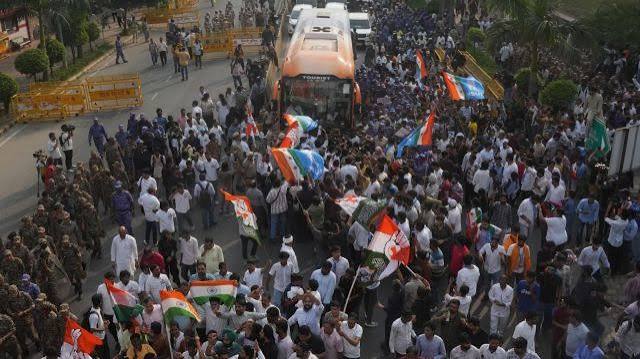
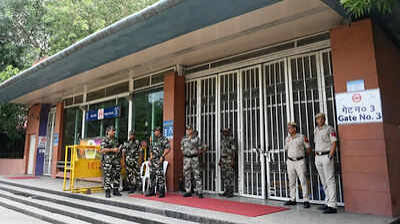
Security personnel subsequently established restrictions around parts of the city as authorities attempted to prevent the planned gathering. Barricades, checkpoints and transport restrictions affected access to several areas.
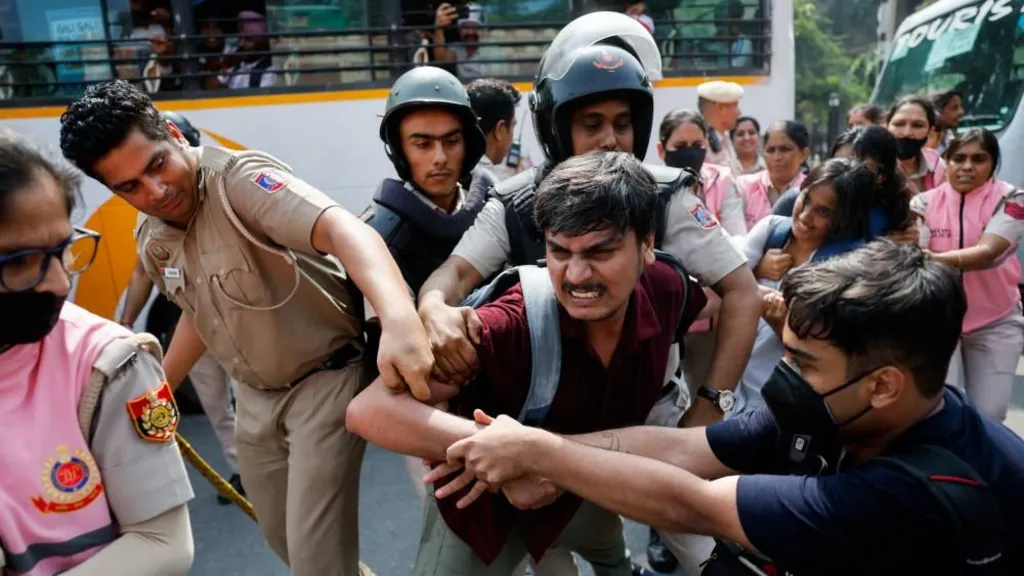
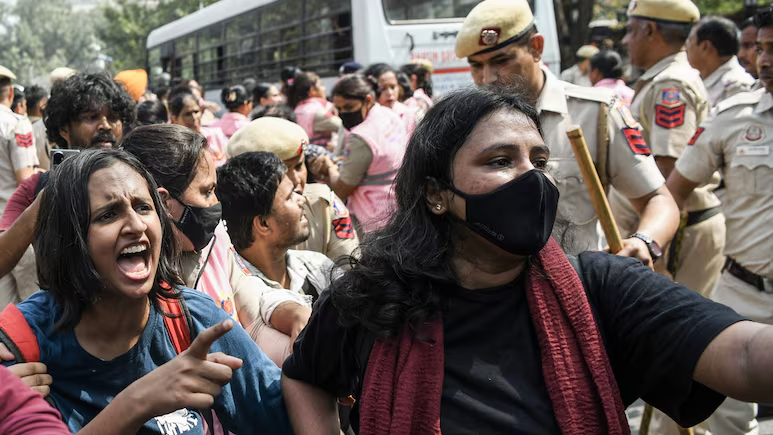
The police operation resulted in the detention of a large number of people. Reports placed the number at more than 2,000, with some reporting nearly 3,000 detainees. Many were subsequently released, although reports said several movement leaders remained in custody at the time of publication.
These developments prompted questions about public order, protest permissions and the appropriate response to planned political demonstrations.
Thousands Detained as Security Measures Intensify
The India Slams UN Remarks on Delhi Detentions issue gained further attention because of the scale of the reported police action.
According to media reports, authorities detained thousands of people who were attempting to reach the protest site or participate in demonstrations. The people reportedly affected included CJP supporters and leaders, opposition politicians and some journalists covering the events.
Security measures included checkpoints on major roads, restrictions around central Delhi and changes affecting public transport. Reports also described temporary internet restrictions in parts of the capital and closures or disruptions involving some metro stations and markets.
The authorities’ actions were presented in the context of preventing the planned gathering and maintaining public order. However, the number of people detained and the reported restrictions drew criticism from the movement and attracted international attention.
The CJP and its supporters criticised the detentions and said they would continue their campaign. Their stated demand centred on the resignation of the Chief Election Commissioner over the allegations concerning voter-list revisions.
The available reporting indicates that most detainees were released, but the status of individual people varied. Detention figures and the circumstances of each case should therefore be understood according to the particular reports and updates available at the time.
India’s Official Response to the UN Human Rights Office
In its response, India argued that the UN human rights office had overlooked the country’s constitutional safeguards and the role of its institutions.
The government’s statement emphasised that the right to peaceful assembly is protected in India but is subject to reasonable restrictions intended to maintain public order. It also pointed to the availability of courts for individuals seeking legal remedies.
The India Slams UN Remarks on Delhi Detentions response further challenged the UN body’s consistency, suggesting that comparable attention should be given to large-scale protests and law enforcement responses elsewhere.
India’s position was that international scrutiny should not disregard national legal processes or selectively focus on particular countries. The statement framed the issue as one involving sovereignty, impartiality and the limits of external commentary on domestic matters.
At the same time, the UN human rights office’s comments focused on the treatment of people reportedly detained and the conditions under which peaceful protests may be restricted.
The two statements therefore addressed overlapping but distinct concerns: the government’s authority to maintain public order and the need to protect the rights of people participating in demonstrations.
What Is the Office of the United Nations High Commissioner for Human Rights?
The Office of the United Nations High Commissioner for Human Rights, known as OHCHR, is the UN entity responsible for promoting and protecting human rights around the world.
Its work includes monitoring human rights developments, providing guidance on international standards, supporting governments and institutions, and raising concerns about reported violations. It may issue public statements when developments appear to raise questions about internationally recognised rights.
The office does not function as a national police force or replace a country’s courts. Its public comments generally aim to encourage governments to uphold applicable human rights standards and address concerns through appropriate mechanisms.
In the India Slams UN Remarks on Delhi Detentions dispute, OHCHR raised concerns about reported mass detentions and the handling of peaceful assembly. India challenged the timing and focus of those remarks and argued that the organisation should apply its mandate impartially.
Public disagreements of this kind can arise when international bodies comment on events that national governments regard as domestic matters. Their significance depends on the issues raised, the evidence available and the responses of the institutions involved.
Right to Peaceful Assembly and Public Order
The India Slams UN Remarks on Delhi Detentions controversy has brought the balance between peaceful assembly and public order into focus.
The right to peaceful assembly allows people to gather to express views, raise concerns and participate in public life. Demonstrations can provide a way for citizens to demand accountability, oppose policies or seek changes from public institutions.
However, governments also have responsibilities relating to public safety, traffic management and the prevention of violence. Laws in many countries permit certain restrictions on gatherings, but their application depends on the relevant legal framework and circumstances.
The central question in any particular case is whether restrictions and enforcement measures are lawful, necessary and proportionate to the situation. The fact that a protest has been restricted does not by itself establish that the action was unlawful. Equally, a public-order justification does not automatically resolve questions about the treatment of every person detained.
India has maintained that its actions were governed by domestic law and that courts remain available to address grievances. The UN office called for restraint and respect for peaceful assembly.
The legal and factual assessment of specific detentions depends on the circumstances of each case and any subsequent judicial review.
Controversy Over Voter-List Revisions
The demonstrations that led to the India Slams UN Remarks on Delhi Detentions exchange were linked to allegations about voter-list revisions and the functioning of the election administration.
Opposition voices and CJP supporters raised concerns that the revision process had removed large numbers of names from electoral rolls and alleged that the changes could affect political representation and election outcomes.
Reporting on the wider controversy cited Election Commission data indicating that approximately 130 million voter entries had been removed during a verification exercise. Reported categories included people who had relocated, individuals who could not be traced and people recorded as deceased.
The reasons for removing entries are important because voter-roll revisions may include legitimate corrections, such as removing duplicate records or entries for deceased people. At the same time, concerns can arise if eligible voters are mistakenly removed or cannot easily restore their registration.
The Election Commission has maintained that eligible voters whose names are incorrectly removed can seek re-enrolment. The BJP has denied allegations of wrongdoing, while critics have called for scrutiny of the process.
The claims concerning political advantage remain contested. Assessing them requires examining the revision procedures, the data used, the opportunities available to affected voters and any relevant official findings.
Political Leaders and Journalists Reportedly Detained
Another dimension of the India Slams UN Remarks on Delhi Detentions story was the reported detention of movement leaders and political figures.
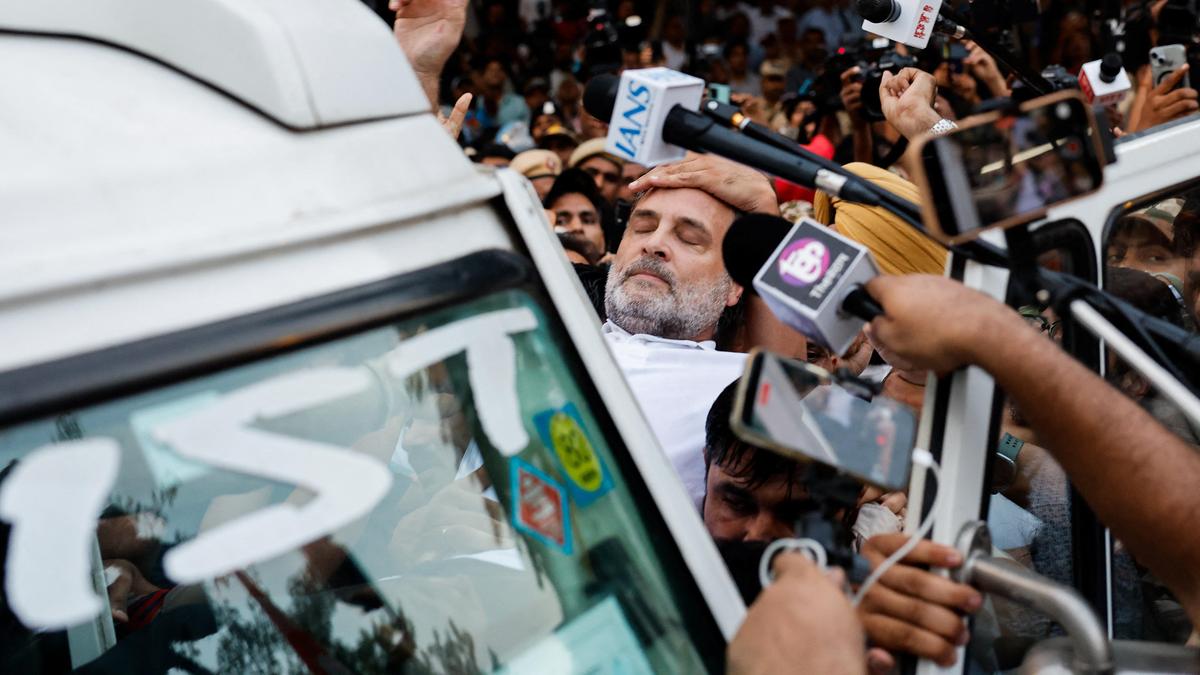
CJP founder Abhijeet Dipke and other senior figures were reportedly detained shortly after arriving in Delhi. The movement criticised the action and demanded the release of its leaders. Reports also described the detention of opposition politicians and the brief detention of some journalists covering the demonstrations.
The involvement of public figures increased attention on the police operation. It also raised questions about how authorities managed access to the planned protest site and dealt with people seeking to participate in or report on the events.
The status of detainees changed as people were released and authorities continued handling the cases. Individual legal circumstances may differ, and claims about detention or release should be checked against the latest confirmed updates.
The broader dispute involves the right to protest, the responsibilities of law enforcement and the role of journalists in reporting public events. These issues are particularly significant when restrictions affect large areas of a major city.
India’s Position on International Human Rights Scrutiny
The India Slams UN Remarks on Delhi Detentions dispute also reflects a longstanding debate about how international organisations should address human rights concerns within sovereign states.
Governments may argue that domestic institutions are best placed to assess local circumstances and that public criticism from international bodies can overlook national laws or security considerations. They may also question whether similar standards are being applied consistently across countries.
International human rights organisations, meanwhile, may argue that public statements are necessary when reports raise concerns about fundamental rights. Their role includes encouraging transparency and reminding governments of their international commitments.
Neither position eliminates the need to examine the facts of a particular event. Questions about national sovereignty and international scrutiny can be discussed alongside the practical issues of lawful detention, protest restrictions and access to remedies.
India’s response focused on sovereignty and what it described as selectivity by OHCHR. The UN office’s statement focused on the reported detentions and the need to protect peaceful assembly.
The disagreement will be understood more clearly by distinguishing the positions expressed by each side from independently established facts about the police operation.
What Could Happen Next?
Further developments in the India Slams UN Remarks on Delhi Detentions issue may depend on the status of those who remained in custody, any legal proceedings and the response of the protest organisers.
Authorities may continue addressing matters related to the demonstrations under the applicable laws. Individuals who believe their rights were violated may also seek remedies through the legal system.
The movement has indicated that it intends to continue raising its concerns about the Chief Election Commissioner and voter-list revisions. Any future demonstrations may depend on the organisers’ plans, police permissions and the security arrangements put in place.
The diplomatic disagreement could also continue through official statements or further exchanges concerning the role of international human rights institutions.
For a clear understanding of the situation, it is important to follow confirmed updates from the authorities, courts and reliable news organisations. Early reports may change as detention figures are updated, people are released and further details become available.
Conclusion
The India Slams UN Remarks on Delhi Detentions controversy followed a major security operation linked to planned demonstrations by CJP supporters demanding the resignation of Chief Election Commissioner Gyanesh Kumar. India rejected the UN human rights office’s concerns as unwarranted interference in its internal affairs, while OHCHR called for respect for peaceful assembly and restraint in dealing with demonstrators.
The dispute highlights the tension between national sovereignty, public-order responsibilities and international human rights scrutiny. It also connects to a wider political controversy over voter-list revisions, allegations of electoral irregularities and demands for accountability.
India has maintained that constitutional safeguards and domestic courts provide mechanisms for addressing grievances. The UN office has emphasised that restrictions on peaceful protests should meet tests of necessity and proportionality.
The eventual assessment of individual detentions and related allegations depends on verified facts, applicable law and any judicial proceedings. Distinguishing official positions from contested claims remains essential to understanding the continuing developments.