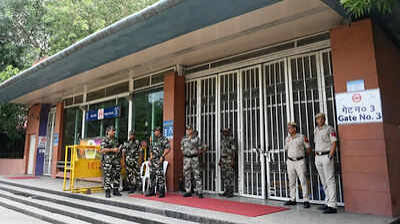
The Scrub Typhus Cases in Jaipur have raised serious health concerns after Sawai Man Singh (SMS) Hospital reported 15 deaths linked to the infection between July and September 2026. September recorded the highest number of fatalities, with nine patients dying during the month. According to hospital figures reported by Dainik Bhaskar, more than 213 patients were diagnosed with scrub typhus in September alone, while more than 323 patients had been admitted with the infection between January and September.
Doctors have highlighted delayed hospital visits and severe complications as important concerns in fatal cases. Scrub typhus is a bacterial infection transmitted through the bites of infected larval mites, commonly known as chiggers. Its early symptoms can resemble dengue, malaria, typhoid and other febrile illnesses, making timely diagnosis particularly important.
The increase in Scrub Typhus Cases in Jaipur has drawn attention to seasonal infection risks following the monsoon. Health professionals are advising people to recognise warning signs, avoid unnecessary delays in seeking medical attention and take precautions when spending time in fields, grassy areas and dense vegetation.
Scrub Typhus Cases in Jaipur Increase During September
The latest figures from SMS Hospital indicate that scrub typhus became a significant concern during the monsoon and post-monsoon period. Between July and September, 15 patients reportedly died from the infection, including nine deaths in September.
More than 213 cases were reported at SMS Hospital during September alone. The hospital had recorded more than 323 admissions between January and September, according to local media reports.
Doctors have said that some patients reached the hospital after the disease had progressed to a serious stage. In severe cases, scrub typhus can damage multiple organs, making treatment more complicated and increasing the risk of death.
The reported figures have also attracted attention because other seasonal infections were recorded at lower levels at the same hospital during the three-month period. Local coverage reported 140 dengue cases and 72 chikungunya cases, while no malaria cases were reported in the figures cited.
These numbers relate to SMS Hospital and the reporting period; they do not represent the total number of infections across Jaipur or Rajasthan. The hospital also receives patients from other districts.
Nevertheless, the rise in Scrub Typhus Cases in Jaipur highlights the importance of early recognition, appropriate testing and prompt medical treatment, particularly when fever persists or a patient’s condition worsens.
What Is Scrub Typhus and How Does It Spread?
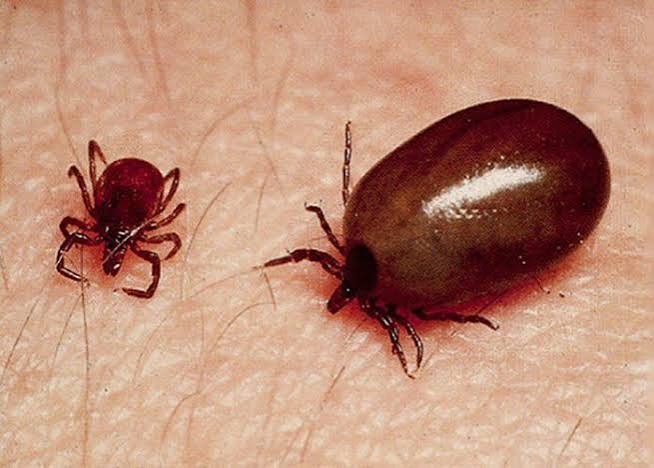
Scrub typhus is an infectious disease caused by the bacterium Orientia tsutsugamushi. It spreads to humans through the bites of infected larval mites, also called chiggers.
These mites can be present in areas with grass, bushes, dense vegetation and suitable habitats. People may be exposed while farming, gardening, walking through overgrown areas or working outdoors.
Scrub typhus differs from mosquito-borne diseases such as dengue and malaria. Dengue is caused by a virus, while malaria is caused by parasites. Scrub typhus is a bacterial infection associated with infected mites.
The disease occurs in several parts of Asia, including India. Exposure risks may vary with environmental conditions, seasonal patterns and the amount of time people spend in vegetation-rich areas.
People working in agricultural fields or visiting rural locations may face greater exposure, although infection is not limited to agricultural workers. Anyone bitten by an infected mite can potentially develop the disease.
The rise in Scrub Typhus Cases in Jaipur is a reminder that persistent fever following outdoor exposure should not automatically be dismissed as a routine seasonal illness. Medical assessment can help determine whether scrub typhus or another infection is responsible.
Common Symptoms of Scrub Typhus
Scrub typhus can initially cause symptoms that resemble several other infections. Recognising these signs is important because untreated disease may progress to serious complications.
Common symptoms include:
- Fever that persists or worsens
- Headache
- Muscle and body aches
- Chills
- Weakness and fatigue
- Loss of appetite
- Skin rash in some patients
- Swollen lymph nodes in some cases
A dark, scab-like mark called an eschar may appear at the site of a mite bite. However, not every patient develops this mark, and its absence does not rule out scrub typhus.
Symptoms typically begin around six to 21 days after exposure, although the timing can vary. Because early signs overlap with dengue, malaria, typhoid and other illnesses, a doctor may recommend laboratory tests to confirm the diagnosis.
People should seek medical advice if they develop persistent fever, particularly after working in fields or spending time in grassy or overgrown areas. They should not wait for a visible bite mark or rash before seeking care.
The increase in Scrub Typhus Cases in Jaipur makes awareness of these symptoms especially important during the post-monsoon period.
Why Can Scrub Typhus Become Life-Threatening?
Scrub typhus can become dangerous when diagnosis and treatment are delayed. In severe cases, the infection may affect several organs, including the lungs, liver, kidneys and brain.
Possible complications include pneumonia, breathing difficulties, inflammation affecting the brain, kidney injury and multiple-organ dysfunction.
Doctors treating patients at SMS Hospital have reported that organ failure was a major factor in several fatal cases. This highlights the potential consequences of severe infection and delayed medical care.
The early symptoms can be misleading. A person may initially assume that fever, body aches and weakness are caused by a common viral illness. If the infection progresses without appropriate treatment, the patient’s condition can deteriorate and require intensive hospital care.
This does not mean that every patient with fever has scrub typhus or that every infection will become severe. Many patients recover with timely diagnosis and appropriate antibiotic treatment.
Warning signs that require urgent medical attention include breathing difficulty, confusion, severe weakness, reduced urine output or a rapidly worsening condition. Anyone experiencing these symptoms should seek emergency medical care.
The reported Scrub Typhus Cases in Jaipur demonstrate why people should not ignore persistent fever or delay evaluation when their symptoms become more serious.
Why Early Diagnosis Is Important
Early diagnosis is one of the most important factors in managing scrub typhus. Since its symptoms overlap with other febrile illnesses, doctors may need to consider several possible causes before confirming the infection.
A medical assessment may include questions about recent travel, outdoor activities, exposure to vegetation and the timing of symptoms. Depending on the clinical situation, a healthcare professional may recommend laboratory tests to establish the diagnosis.
Patients should tell their doctors if they have recently visited rural areas, worked in fields or spent time in places with dense vegetation. This information may help clinicians assess the possibility of a mite-borne infection.
Testing and treatment decisions should be made by qualified healthcare professionals. Symptoms alone cannot reliably establish whether a patient has scrub typhus.
The increase in Scrub Typhus Cases in Jaipur also highlights the importance of seeking care early rather than waiting for a fever to become severe. When doctors suspect scrub typhus, they may begin appropriate treatment based on the clinical assessment and local medical guidance.
Prompt diagnosis and treatment can reduce the risk of complications, although outcomes depend on the severity of the infection and the patient’s overall condition.
Treatment Options for Scrub Typhus
Scrub typhus is treatable with antibiotics. Doctors commonly use medicines such as doxycycline, while alternatives may be considered according to the patient’s age, pregnancy status, medical history, severity of illness and other clinical factors.
The choice of medicine, dosage and duration must be determined by a healthcare professional. Patients should not start antibiotics independently, take leftover medication or change a prescribed course without medical advice.
Severe cases may require hospital admission and supportive treatment. Medical teams may need to manage complications involving the lungs, kidneys, liver or other organs.
The deaths reported at SMS Hospital highlight the importance of receiving medical attention before complications become advanced. Treatment for a different illness may not be effective against scrub typhus, so an appropriate diagnosis is essential.
People experiencing persistent fever should consult a doctor rather than rely on self-medication. Timely treatment can significantly improve the chances of recovery.
How to Prevent Scrub Typhus Infection
Reducing contact with infected mites is an important way to lower the risk of scrub typhus. Preventive measures are particularly relevant for people who work outdoors or regularly visit areas with tall grass and dense vegetation.
Practical precautions include:
- Wear full-sleeved shirts and long trousers when working outdoors.
- Use an appropriate insect or arthropod repellent according to its label.
- Wear covered footwear when walking through fields or overgrown areas.
- Avoid sitting or lying directly on grass and vegetation.
- Use cleared paths when walking through areas with dense vegetation.
- Shower and change clothes after returning from potentially exposed areas.
- Seek medical advice if persistent fever develops after possible exposure.
These measures can reduce exposure but cannot guarantee complete protection.
People working in agricultural settings should pay particular attention to protective clothing and safe outdoor practices. Employers and local health teams can also support prevention by sharing information about symptoms and encouraging workers to seek medical attention promptly.
The rise in Scrub Typhus Cases in Jaipur reinforces the importance of prevention and awareness during periods when exposure to infected mites may occur.
Scrub Typhus Compared With Dengue, Malaria and Typhoid
Scrub typhus can be confused with other seasonal infections because fever, headache, body aches and weakness occur in several diseases. However, the causes and transmission routes differ.
| Disease | Cause | Transmission |
|---|---|---|
| Scrub typhus | Bacterium Orientia tsutsugamushi | Bite of an infected larval mite |
| Dengue | Dengue virus | Bite of an infected mosquito |
| Malaria | Plasmodium parasites | Bite of an infected mosquito |
| Typhoid | Bacterium Salmonella Typhi | Usually contaminated food or water |
The symptoms of these illnesses can overlap, so fever alone cannot establish a diagnosis. Doctors may consider the patient’s symptoms, exposure history, examination findings and laboratory results.
Local reports from SMS Hospital indicated that scrub typhus cases outnumbered the reported dengue cases during the period covered. The hospital also reported no malaria cases in the figures cited by local coverage.
These figures apply to the hospital and reporting period; they do not establish that scrub typhus is always more common or more dangerous than other infections.
The key lesson is that persistent fever should be assessed properly rather than automatically being attributed to dengue, malaria or a routine viral illness.
When Should You Seek Medical Attention?
People should seek medical assessment if they develop persistent fever, particularly after spending time in fields, grassy areas or places with dense vegetation.
Urgent medical care is necessary if fever is accompanied by breathing difficulty, confusion, unusual drowsiness, severe weakness, reduced urine output or a rapidly worsening condition.
Patients should tell their doctor when symptoms began and whether they recently visited rural areas or worked outdoors. This information can help guide the clinical assessment and testing process.
People should avoid self-medicating with antibiotics or delaying care because their symptoms initially appear mild. Since scrub typhus can resemble other infections, professional evaluation is important for selecting the right treatment.
The increase in Scrub Typhus Cases in Jaipur serves as a reminder that early medical evaluation may help prevent complications. Anyone concerned about their symptoms should contact a healthcare professional rather than relying solely on online information.
Health Authorities and Public Awareness
The rise in scrub typhus admissions at SMS Hospital has drawn attention to the need for public awareness and timely diagnosis during the post-monsoon period.
Hospitals and healthcare professionals play an important role in identifying cases, providing treatment and advising patients about prevention. Public information campaigns can also help people recognise warning signs and understand when to seek care.
People should rely on qualified medical professionals and official health advisories for guidance. News reports can raise awareness, but they cannot determine an individual’s diagnosis or treatment requirements.
The reported deaths at SMS Hospital underline the importance of seeking care early rather than waiting until symptoms become severe. Where several infections cause similar symptoms, timely evaluation helps doctors determine which tests and treatments are appropriate.
For Jaipur residents and people travelling from nearby districts, awareness is particularly relevant if they have recently spent time in rural or vegetation-rich environments.
Conclusion
The Scrub Typhus Cases in Jaipur have raised concern after SMS Hospital reported 15 deaths between July and September 2026, including nine deaths in September. More than 213 cases were reported during September alone, while more than 323 patients had been admitted with the infection between January and September.
Scrub typhus is a bacterial infection transmitted through bites from infected larval mites. It can initially resemble other seasonal illnesses, but delayed treatment may lead to serious complications affecting multiple organs.
Doctors advise people to wear protective clothing in areas with dense vegetation, use appropriate repellents and seek medical assessment for persistent fever, particularly after possible exposure to infected mites. Early diagnosis and appropriate treatment can reduce the risk of severe disease.
The latest hospital figures highlight the importance of awareness, prevention and prompt medical care during the post-monsoon period. Anyone experiencing concerning symptoms should consult a healthcare professional for an appropriate diagnosis and treatment plan.