
Type 2 diabetes is one of the most common long-term health conditions affecting adults around the world. It develops when the body does not use insulin effectively or does not produce enough insulin to keep blood glucose levels within a healthy range.
Unlike some illnesses that appear suddenly, type 2 diabetes often develops gradually. A person may have elevated blood sugar for a long time before noticing obvious symptoms.
This is why understanding the condition, recognizing possible warning signs, and getting appropriate testing can make a meaningful difference.
Blood glucose, commonly called blood sugar, is an important source of energy for the body. After eating, carbohydrates are broken down into glucose, which enters the bloodstream.
Insulin is a hormone produced by the pancreas. It helps glucose move from the bloodstream into cells, where it can be used for energy.
In type 2 diabetes, cells may become resistant to insulin. The pancreas may initially produce more insulin to compensate, but over time this may no longer be enough to keep blood glucose under control.
Persistently high blood sugar can gradually affect blood vessels, nerves, kidneys, eyes, and other parts of the body.
Type 2 diabetes is different from type 1 diabetes. Type 1 diabetes is an autoimmune condition in which the body’s immune system attacks insulin-producing cells. Type 2 diabetes is generally associated with insulin resistance and progressive problems with insulin production.
The causes of type 2 diabetes are complex. Genetics, family history, excess body fat, physical inactivity, age, dietary patterns, sleep, and other factors can all influence risk.
Having excess weight can increase the likelihood of developing insulin resistance, particularly when a significant amount of fat is stored around the abdomen.
However, type 2 diabetes can also occur in people who are not overweight. Body weight is only one part of the overall risk picture.
Family history can be particularly important. Having close relatives with type 2 diabetes can increase your risk because genetics and shared lifestyle factors may both contribute.
Age can also influence risk, although type 2 diabetes is increasingly seen in younger people as well.
Physical inactivity is another important factor. Muscles use glucose for energy, and regular physical activity can improve insulin sensitivity.
You do not have to become an athlete to improve your activity level. Walking, cycling, swimming, dancing, household activities, and other forms of movement can contribute to a more active lifestyle.
One of the most challenging aspects of type 2 diabetes is that symptoms may be mild or absent during the early stages.
Some people may experience increased thirst, frequent urination, unusual tiredness, blurred vision, increased hunger, slow-healing wounds, or repeated infections.
Unexplained weight loss can also occur when blood glucose becomes significantly elevated.
These symptoms do not prove that someone has diabetes because they can occur with other conditions as well.
The only reliable way to determine whether you have diabetes is through appropriate blood glucose testing and professional medical evaluation.
Healthcare professionals may use an A1C test, fasting plasma glucose test, oral glucose tolerance test, or other appropriate testing depending on the individual situation.
The A1C test estimates average blood glucose over the previous few months and is commonly used for diagnosing and monitoring diabetes.
Fasting blood glucose measures glucose after a period without eating. An oral glucose tolerance test evaluates how the body handles glucose after consuming a measured glucose solution.
If a blood sugar test comes back abnormal, do not panic or attempt to interpret the result without context. Your healthcare professional can determine what the result means and whether additional testing is needed.
Early diagnosis can be valuable because managing blood glucose, blood pressure, cholesterol, and other risk factors can reduce the likelihood of diabetes-related complications.
Healthy eating is an important part of diabetes management and prevention.
Having diabetes does not necessarily mean you need to completely eliminate carbohydrates. Carbohydrates are found in many nutritious foods and can be included as part of a balanced eating pattern.
The quality and quantity of carbohydrates can matter.
Vegetables, beans, lentils, whole grains, fruits, and other fiber-rich foods can provide carbohydrates along with important nutrients.
Highly refined foods and foods containing large amounts of added sugar can be easier to overconsume, particularly when they provide substantial calories without much fiber or protein.
Sugary drinks deserve particular attention because they can provide significant amounts of added sugar without creating the same feeling of fullness as solid food.
Replacing sugary beverages with water or unsweetened drinks can be a simple change for many people.
Whole fruit can also be part of a healthy diet. Fruit provides fiber and nutrients, while fruit juice can deliver a more concentrated amount of naturally occurring sugar with less fiber.
Portion awareness is another useful habit.
You do not need to weigh every food or count every calorie to eat healthily. Learning reasonable portion sizes and building balanced meals can be a more sustainable approach.
A balanced meal can include vegetables, a source of protein, a high-fiber carbohydrate, and a moderate amount of healthy fat.
Protein can come from foods such as eggs, fish, poultry, yogurt, milk, beans, lentils, tofu, nuts, or seeds, depending on your dietary preferences.
Fiber is especially useful because it supports digestive health and can help slow the absorption of carbohydrates.
Vegetables can increase meal volume while providing relatively few calories, making them useful for people who are also working on weight management.
Cooking methods can also influence the nutritional quality of meals. Grilling, steaming, baking, roasting, and lightly sautéing foods may be preferable to regularly relying on deep-fried preparations.
You do not need to completely avoid your favorite foods.
A sustainable eating pattern is more likely to work when it allows flexibility. Having a sweet occasionally does not automatically make your diet unhealthy.
The bigger picture is your usual eating pattern over weeks and months.
Physical activity is another major part of diabetes prevention and management.
Regular movement can help the body use glucose more efficiently and can support cardiovascular health, muscle strength, mobility, and weight management.
Adults are generally encouraged to aim for at least 150 minutes of moderate-intensity aerobic activity each week, along with muscle-strengthening activities on at least two days, when appropriate for their health and fitness level.
If you currently do very little physical activity, you do not need to reach that target immediately.
Starting with short walks and gradually increasing duration can be a practical approach.
Breaking up long periods of sitting can also be helpful. Standing, walking around the house, taking stairs when appropriate, or moving during work breaks can add activity throughout the day.
Strength training can be especially useful because muscles are important sites for glucose storage and use.
Exercises can include resistance bands, bodyweight movements, weights, or other appropriate forms of resistance training.
If you have diabetes or another medical condition, your exercise routine may need to be adjusted based on your health status.
Blood glucose management is not only about food and exercise.
Sleep can also influence metabolic health. Consistently inadequate sleep may affect appetite, energy, insulin sensitivity, and other processes associated with blood sugar regulation.
Aim for a consistent sleep schedule and enough sleep for your individual needs.
Stress is another factor worth considering.
Long-term stress can influence hormones, sleep, appetite, physical activity, and food choices. Managing stress does not require eliminating every stressful situation.
Regular walks, relaxation practices, hobbies, social connections, adequate rest, and other healthy coping strategies may help.
If you smoke, quitting is one of the most important steps you can take for overall health. Smoking increases cardiovascular risk and can make the consequences of diabetes more serious.
Alcohol can also affect blood glucose and calorie intake. If you have diabetes and use glucose-lowering medication, discuss alcohol consumption with your healthcare professional because alcohol can sometimes contribute to dangerously low blood sugar.
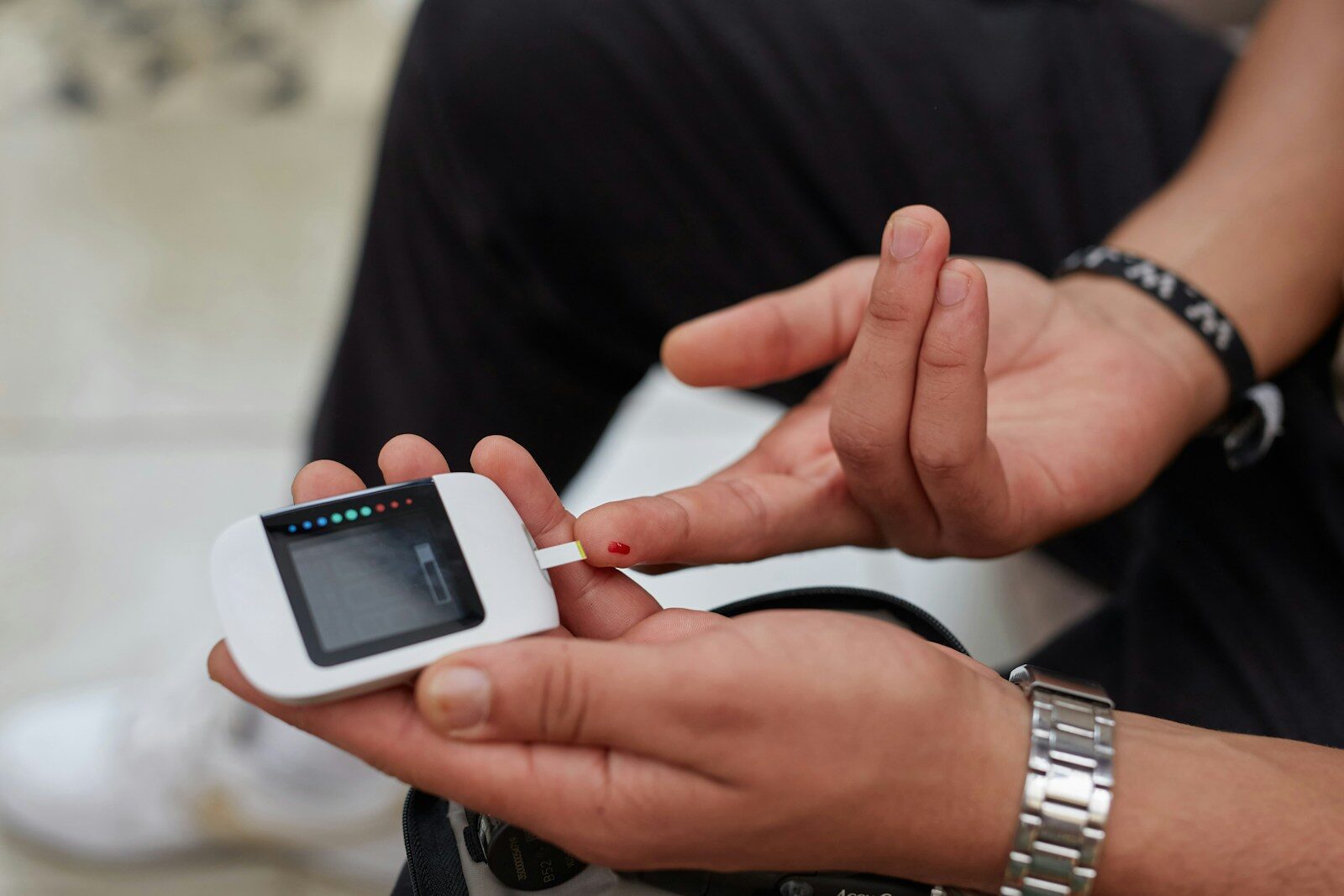
For people already diagnosed with diabetes, monitoring blood glucose may be part of their treatment plan.
How often you should check your blood sugar depends on factors such as the type of diabetes, medications, treatment goals, and individual health circumstances.
Some people may use a blood glucose meter, while others may use a continuous glucose monitoring system.
Do not change your medication based solely on an individual reading unless your healthcare professional has provided instructions for doing so.
Diabetes medications work in different ways. Some improve insulin sensitivity, some reduce glucose production, some increase insulin release, and others affect glucose absorption or the way the kidneys handle glucose.
Insulin may also be necessary for some people with type 2 diabetes, particularly when the pancreas is no longer producing enough insulin or when blood glucose is difficult to control with other treatments.
There is no shame in needing medication.
Type 2 diabetes is a medical condition, and treatment requirements can change over time. Medication should be viewed as one part of a broader management plan rather than a personal failure.
People with diabetes should also pay attention to blood pressure and cholesterol because cardiovascular disease is an important concern associated with diabetes.
Regular medical appointments can help monitor these risk factors and identify potential complications early.
Eye health is another important consideration.
Diabetes can affect blood vessels in the retina, potentially leading to diabetic eye disease. Recommended eye examinations can help detect changes before significant vision problems develop.
Kidney health also deserves attention because prolonged high blood glucose and high blood pressure can damage the kidneys.
Healthcare professionals may recommend blood and urine tests to monitor kidney function depending on your situation.
Nerve damage is another possible complication. It can cause symptoms such as tingling, burning, numbness, or pain, particularly in the feet.
People with diabetes should take foot health seriously.
Check your feet regularly for cuts, blisters, redness, swelling, or other changes, particularly if you have reduced sensation.
A wound that does not heal properly should be evaluated by a healthcare professional rather than ignored.
Dental health is also important. Diabetes can be associated with an increased risk of gum disease, making regular dental care valuable.
Managing diabetes is therefore about much more than checking blood sugar.
It involves looking after the entire body and reducing the factors that can contribute to complications.
Weight management may be recommended for people with type 2 diabetes who have overweight or obesity.
Even modest weight loss can improve certain metabolic measures for some people.
However, weight-loss goals should be individualized. A healthcare professional or registered dietitian can help create an appropriate plan based on your health and nutritional needs.
Avoid extreme diets that promise to reverse diabetes within days or weeks.
There is no universal miracle food, drink, powder, or supplement that can replace evidence-based diabetes treatment.
Some products marketed as natural diabetes cures may be ineffective, contaminated, or capable of interacting with medications.
If you are considering supplements, herbs, or alternative treatments, discuss them with a qualified healthcare professional first.
Another common misconception is that people with diabetes can never eat sweets.
In reality, dietary planning is more nuanced. A small portion of a preferred food may sometimes fit into an overall healthy eating pattern, depending on individual glucose control and treatment.
The key is to understand portions, frequency, and how the food fits into your overall diet.
People with diabetes should also be cautious about skipping meals without medical guidance, especially when taking medications that can cause low blood sugar.
Low blood sugar, or hypoglycemia, can cause sweating, shaking, hunger, dizziness, confusion, weakness, and other symptoms.
People taking certain diabetes medications should learn how to recognize and manage low blood sugar according to the treatment plan provided by their healthcare professional.
Severe confusion, seizures, loss of consciousness, or inability to safely swallow requires urgent medical attention.
Very high blood sugar can also become dangerous, particularly when accompanied by symptoms such as severe dehydration, vomiting, abdominal pain, difficulty breathing, confusion, or extreme weakness.
Such symptoms require urgent medical evaluation.
Pregnancy requires additional attention to blood glucose.
Gestational diabetes is diabetes diagnosed during pregnancy and differs from typical type 2 diabetes, although it can increase the mother’s future risk of developing type 2 diabetes.
People who have had gestational diabetes should discuss appropriate follow-up testing with their healthcare professional.
Children and teenagers can also develop type 2 diabetes. Because young people have different nutritional and developmental needs, treatment should be guided by qualified healthcare professionals rather than adult weight-loss advice.
Preventing type 2 diabetes is not about achieving perfection.
A person does not need to completely remove sugar, carbohydrates, restaurant food, or favorite dishes from their life.
Instead, prevention often involves gradually improving the overall pattern of eating, activity, sleep, and weight management when appropriate.
One practical approach is to make changes that can realistically continue for years.
You might begin by replacing sugary drinks with water, adding vegetables to meals, walking after dinner, reducing long periods of sitting, or improving your sleep schedule.
Once a habit becomes comfortable, another improvement can be added.
This gradual approach may feel less dramatic than a crash diet, but it is much more compatible with long-term health.
Your genetics cannot be changed, and not every case of type 2 diabetes can be prevented.
However, many risk factors can be influenced.
Understanding your family history, getting appropriate screening, maintaining regular activity, eating a balanced diet, avoiding tobacco, sleeping adequately, and managing other health conditions can all contribute to better long-term health.
If you have been told that you have prediabetes, do not wait until you develop symptoms before taking action.
Prediabetes can provide an opportunity to address risk factors before blood glucose reaches the diabetes range.
If you have already been diagnosed with type 2 diabetes, remember that effective management is possible.
Your treatment plan may change over time, and blood glucose targets should be individualized rather than copied from someone else’s routine.
Work with your healthcare team and ask questions whenever you do not understand a test, medication, symptom, or treatment recommendation.
Do not stop prescribed medication because your blood sugar has improved unless your healthcare professional tells you to do so.
Similarly, do not increase medication doses without professional guidance.
Online health information can help you understand diabetes, but it cannot replace personalized medical care.
The most useful approach is to combine reliable information with regular medical monitoring and habits that fit your actual life.
Type 2 diabetes is a serious condition, but it is also manageable.
The earlier you understand your risk and take appropriate action, the more opportunities you have to protect your long-term health.
Small changes repeated consistently can be more valuable than extreme changes that last only a few days.
Better food choices, regular movement, adequate sleep, stress management, healthy weight management when appropriate, and proper medical care can all become part of a sustainable approach to blood sugar health.
If you are concerned about your blood sugar or have risk factors for diabetes, speak with a qualified healthcare professional about whether screening is appropriate for you.
Taking action early is not about being perfect. It is about giving your health the attention it deserves and making informed choices that can support you for years to come.