Krishna Janmashtami 2026 will be celebrated on Friday, September 4, marking the birth anniversary of Lord Krishna. The festival is observed on the Ashtami Tithi of Krishna Paksha during the Hindu month of Bhadrapada and is among the most important religious celebrations for devotees of Krishna.
This year, the main Janmashtami observance falls on September 4, although the midnight birth celebration continues into the early hours of September 5. This overlap is the main reason many people are confused about whether Janmashtami is on September 4 or September 5.
According to the relevant Panchang calculations, Krishna Paksha Ashtami Tithi begins at approximately 2:25 AM on September 4 and ends at around 12:13 AM on September 5. Rohini Nakshatra, which is traditionally associated with Lord Krishna’s birth, begins at about 12:29 AM on September 4 and continues until approximately 11:04 PM the same day.
The combination of Ashtami Tithi, Rohini Nakshatra and the midnight period is particularly significant in determining the timing of Janmashtami celebrations. According to Hindu tradition, Lord Krishna was born at midnight in Mathura, and devotees therefore wait until the Nishita Kaal to perform the principal birth celebration.
For 2026, the main festival date is Friday, September 4. The fact that the midnight puja extends into September 5 does not shift the primary Janmashtami observance to the following day.
The Nishita Kaal is considered the most important worship period on Janmashtami. In New Delhi, the Nishita Puja Muhurat is expected to run from approximately 11:57 PM on September 4 to 12:43 AM on September 5, providing devotees with a worship window of about 45 to 46 minutes.
The exact midnight puja timing can differ from one city to another because Panchang calculations depend on the local geographical location. Devotees should therefore follow the timing applicable to their own city rather than automatically using New Delhi’s timing.
In Kolkata, for example, the Nishita Puja period is reported to occur earlier in the night, while cities such as Mathura, Vrindavan and other parts of India have their own local calculations. This is why Janmashtami worship timings should ideally be checked according to the local Panchang.
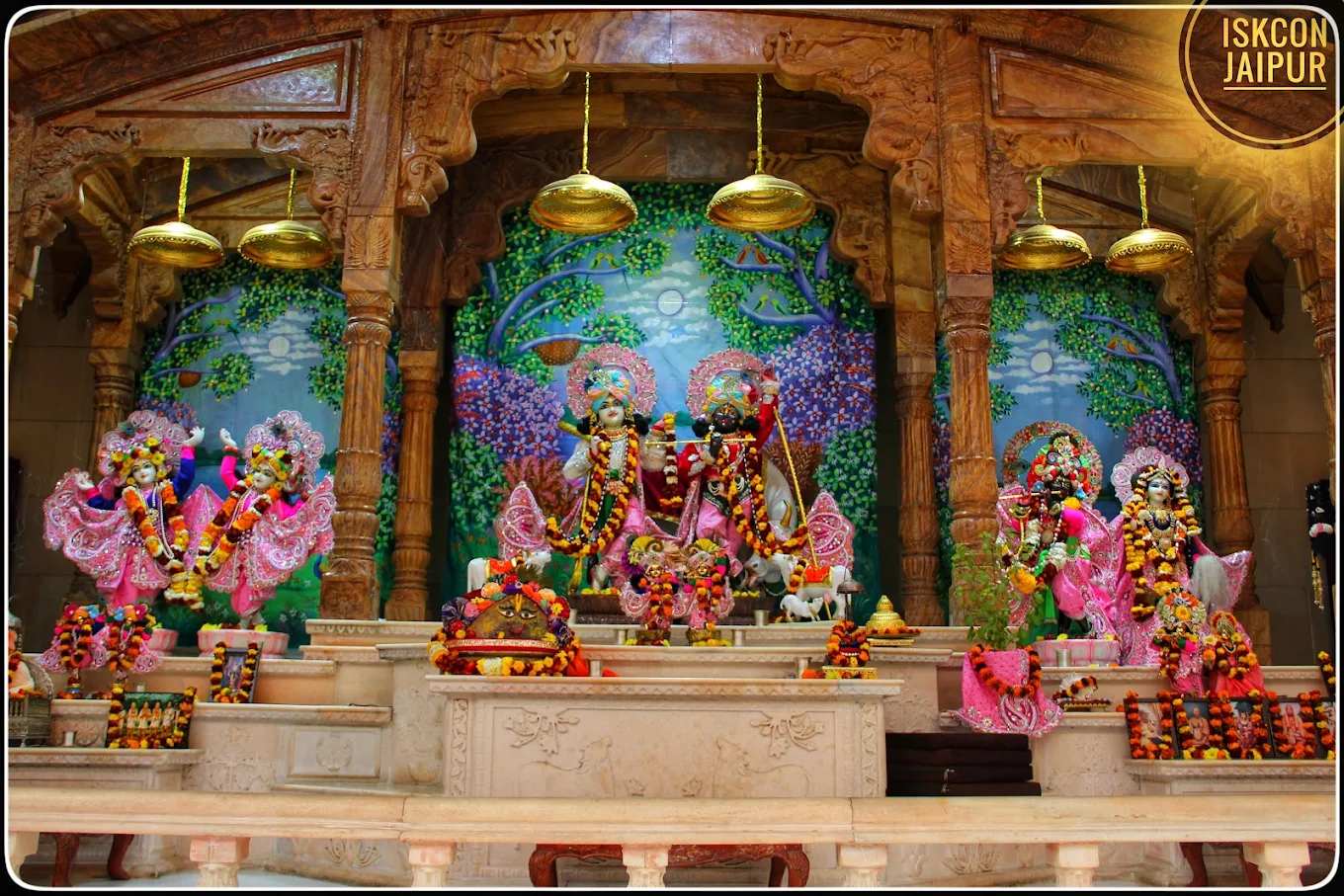
The main significance of Nishita Kaal comes from the traditional belief that Lord Krishna appeared at midnight. Devotees decorate temples and homes, prepare special offerings and gather for prayers before celebrating the birth with bells, conch shells, aarti and devotional songs.
Many devotees observe a fast throughout Janmashtami. Fasting practices, however, vary between individuals, families and religious traditions.
Some devotees observe a strict fast without food or water, while others follow a fruit-and-milk fast or consume foods permitted during religious fasting. Vrat-friendly foods may include fruits, milk, curd, makhana and preparations made with ingredients traditionally permitted during fasting.
People should choose a fasting practice according to their health, age, personal circumstances and family tradition. Those with medical conditions, pregnant women, elderly people and others who may not safely tolerate prolonged fasting should avoid following a strict fast without appropriate medical advice.
For devotees observing the traditional Janmashtami vrat, the fast is generally maintained through the day and the midnight birth celebration. The time at which the fast is broken is known as Parana.
Parana timing can vary because different traditions follow different rules for determining when the Janmashtami fast should end.
In many households, devotees break their fast after the midnight Krishna birth ceremony. Under this practice, the fast may be ended after the Nishita Puja concludes.
Another traditional calculation takes into account the ending of Ashtami Tithi and Rohini Nakshatra along with sunrise. Under this method, Parana can take place after sunrise on September 5.
According to the Dharma Shastra-based calculation cited for 2026, the Parana time can be after approximately 6:01 AM on September 5 when the relevant conditions have been fulfilled. Devotees following a specific religious tradition should use the Parana timing prescribed by their local Panchang or spiritual tradition.
The difference between midnight Parana and morning Parana is therefore not necessarily a contradiction. It reflects different methods and traditions followed by devotees.
The Janmashtami puja at home generally begins with cleaning the worship area and preparing a small altar for Lord Krishna. Many families decorate the space with flowers, lights, rangoli and other devotional decorations.
A Krishna idol or image, often represented as Laddu Gopal or Bal Krishna, is placed on a clean platform. Devotees may dress the idol in new clothes, ornaments, a crown and a peacock feather.
The midnight celebration usually includes the symbolic bathing of the Krishna idol. Many devotees perform Abhishek using Panchamrit, traditionally prepared with ingredients such as milk, curd, ghee and honey, along with other offerings according to family custom.
After the Abhishek, the idol is dressed and decorated again. Flowers and Tulsi leaves are commonly offered during Krishna worship.
Food offerings are another important part of the celebration. Makhan-Mishri is particularly associated with Krishna because of the traditional stories describing his childhood fondness for butter.
Other offerings can include fruits, sweets, milk-based preparations, panjiri and other homemade bhog items. The exact offerings vary between regions and households.
At midnight, devotees perform Krishna aarti and offer prayers. Many families also sing bhajans, chant Krishna’s name and listen to devotional stories describing his life and teachings.
Janmashtami is not only a celebration of Krishna’s birth but also an occasion associated with his teachings and the broader spiritual traditions surrounding him. Krishna’s message in the Bhagavad Gita, particularly his teachings about duty, wisdom and action, remains an important part of his religious significance.
According to Hindu tradition, Krishna was born to Devaki and Vasudeva in Mathura. His maternal uncle Kansa had become fearful of a prophecy that Devaki’s eighth child would eventually cause his downfall.
Krishna’s birth story is traditionally associated with extraordinary circumstances. Vasudeva is said to have carried the newborn Krishna across the Yamuna River to Gokul, where he was raised by Nanda and Yashoda.
These stories form the basis of many Janmashtami performances and decorations. Temples and homes often create small scenes depicting Krishna’s childhood, known as jhankis.
Mathura and Vrindavan hold some of the most prominent Janmashtami celebrations because of their strong association with Krishna’s life. Mathura is traditionally regarded as Krishna’s birthplace, while Vrindavan is closely associated with his childhood and youthful pastimes.
The celebrations in these areas attract large numbers of devotees, with temples organizing special prayers, decorations and midnight ceremonies.
In Dwarka, Gujarat, another major pilgrimage centre associated with Krishna, Janmashtami is also observed with special religious programmes and midnight celebrations. The festival is particularly significant at the Dwarkadhish Temple.
The date can sometimes appear differently on calendars because Janmashtami calculations can vary according to Smarta and Vaishnava traditions and local Panchang rules. In 2026, however, the main observance is Friday, September 4 for the commonly followed calculations cited for the festival.
The confusion over September 5 mainly arises because the Nishita Puja begins before midnight on September 4 and concludes after midnight on September 5 in several locations. In addition, the Ashtami Tithi ends shortly after midnight.
Dahi Handi will be celebrated on Saturday, September 5, adding another reason that September 5 appears prominently in Janmashtami-related calendars and announcements.
Dahi Handi is traditionally associated with stories of Krishna’s childhood, when he was known for his love of butter and curd. During the celebrations, groups of participants form human pyramids to reach and break a suspended pot containing curd or other offerings.
The event has become particularly popular in Maharashtra and several other parts of India, where large community celebrations are organized.
Janmashtami preparations often begin several days before the festival. Devotees clean homes and temples, prepare sweets and bhog, purchase decorations and arrange clothes and ornaments for Krishna idols.
Many temples remain decorated throughout the day before the midnight celebration. Devotees may spend the evening singing bhajans and participating in religious programmes while waiting for Nishita Kaal.
For people observing the fast, the day can be physically demanding because the main celebration takes place late at night. Maintaining adequate hydration before beginning a fast and following a safe fasting practice is important for those who are medically able to fast.
Children and people who are not required by their family tradition to observe a strict fast can participate in the festival through prayers, bhajans and other activities without following restrictive fasting practices.
The festival is also an important family occasion. Parents often introduce children to stories from Krishna’s childhood and encourage them to participate in decorating the home temple or preparing simple offerings.
In many households, small footprints representing baby Krishna are drawn from the entrance toward the puja area. This is a symbolic representation of welcoming Krishna into the home.
Devotees may also place a small cradle for Bal Krishna and rock the cradle at midnight as part of the birth celebration.
The timing of the midnight ritual remains the central feature of the festival.
In New Delhi, devotees will have the Nishita Puja window from approximately 11:57 PM on September 4 to 12:43 AM on September 5. The midnight moment is around 12:20 AM according to the cited calculations.
However, these timings should not automatically be applied to every Indian city. Local sunrise, sunset and geographical coordinates influence Panchang calculations, so devotees should consult a local Panchang for city-specific timings.
The same principle applies to Parana. A devotee following a particular tradition should follow the fasting rules and fast-breaking time prescribed by that tradition rather than combining timings from different calendars.
The most important information for devotees this year is therefore straightforward. Krishna Janmashtami will be observed on Friday, September 4, 2026, while the midnight birth celebration will extend into September 5.
The Ashtami Tithi begins around 2:25 AM on September 4 and ends around 12:13 AM on September 5. Rohini Nakshatra begins around 12:29 AM on September 4 and ends around 11:04 PM the same day.
For New Delhi, the main Nishita Puja period is approximately 11:57 PM to 12:43 AM. Parana may be observed after midnight according to some traditions or after sunrise on September 5 according to other traditional calculations.
The festival will conclude its main birth celebration with prayers, aarti and devotional offerings, while Dahi Handi celebrations will follow in many places on September 5.
Krishna Janmashtami 2026 is therefore expected to be a major religious occasion across India, with devotees observing fasts, visiting temples, preparing bhog and gathering for the midnight celebration.
For those planning to observe the festival at home, the key is to follow the local Panchang and family tradition for the exact puja and Parana timings. The date of the main Janmashtami celebration is September 4, while the midnight rituals naturally continue into the next calendar day.
As devotees prepare to welcome Lord Krishna, the festival will once again combine fasting, prayer, music, decoration and community celebration. The midnight birth ceremony remains the spiritual centre of Janmashtami, bringing families and devotees together to mark the arrival of Krishna with faith and devotion.