
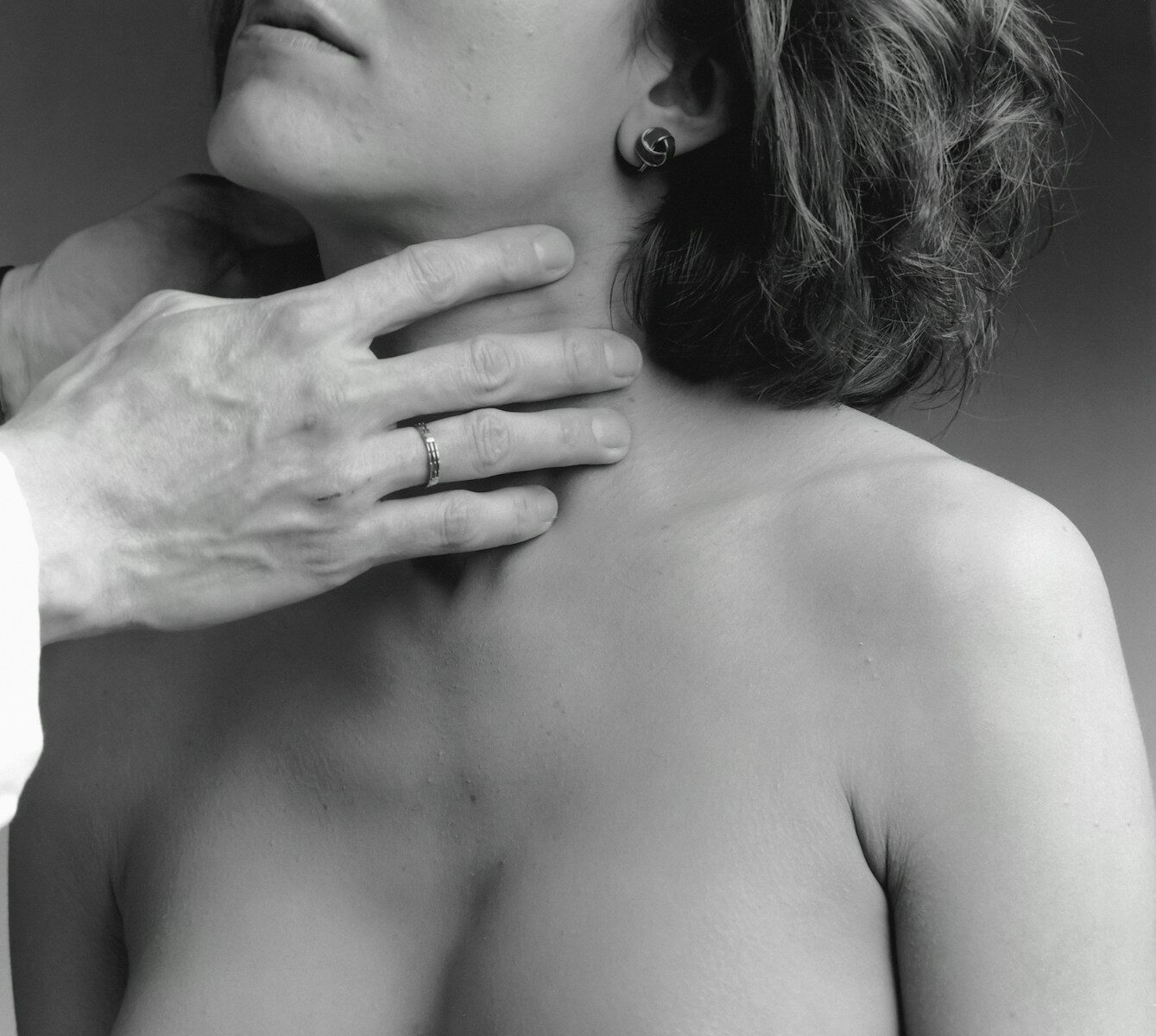
Thyroid problems are common and can affect people at almost any age. The thyroid is a small, butterfly-shaped gland located at the front of the neck, but the hormones it produces influence many important functions throughout the body.
Thyroid hormones help regulate metabolism, energy use, body temperature, heart rate, and several other processes.
When the thyroid produces too little or too much hormone, different symptoms can develop. Some thyroid conditions are mild, while others require long-term medical treatment and monitoring.
One reason thyroid problems can be difficult to recognize is that their symptoms may overlap with many other health conditions.
Feeling tired, gaining weight, losing weight, experiencing mood changes, or having difficulty sleeping does not automatically mean you have a thyroid disorder.
Proper medical evaluation and blood testing are often needed to determine whether the thyroid is functioning normally.
Hypothyroidism occurs when the thyroid does not produce enough thyroid hormone.
It can slow many processes in the body and may cause symptoms such as tiredness, feeling unusually cold, dry skin, constipation, difficulty concentrating, muscle aches, and weight gain.
Some people may also notice a slower heart rate or changes in their menstrual cycle.
These symptoms can develop gradually, so a person may not immediately realize that something is wrong.
Hashimoto’s disease is one common cause of hypothyroidism. It is an autoimmune condition in which the immune system attacks the thyroid.
Other causes can include certain medications, thyroid surgery, radiation treatment, iodine-related problems, and disorders affecting the pituitary gland.
Hyperthyroidism is different. It occurs when the thyroid produces too much thyroid hormone.
Possible symptoms include unexplained weight loss, rapid or irregular heartbeat, increased sweating, heat intolerance, nervousness, difficulty sleeping, tremors, and frequent bowel movements.
Some people with hyperthyroidism may experience increased appetite despite losing weight.
Graves’ disease is a common cause of hyperthyroidism and is also an autoimmune condition.
Other thyroid problems include thyroid nodules, thyroiditis, goiter, and thyroid cancer.
Not every thyroid enlargement or nodule is cancerous. Many thyroid nodules are benign, but some require further evaluation.
A goiter refers to an enlarged thyroid gland. It can occur for several reasons, including autoimmune thyroid disease, iodine deficiency, thyroid nodules, or other thyroid disorders.
Thyroiditis refers to inflammation of the thyroid and can sometimes cause temporary changes in thyroid hormone levels.
Because thyroid disorders can have many different causes, treatment needs to be based on the specific condition.
One of the most commonly used blood tests for evaluating thyroid function is thyroid-stimulating hormone, or TSH.
Depending on the situation, healthcare professionals may also measure free T4 and other thyroid-related markers.
Thyroid antibody tests can sometimes help identify autoimmune thyroid conditions.
The appropriate tests depend on symptoms, medical history, examination findings, and previous thyroid results.
A single symptom cannot diagnose a thyroid problem.
For example, weight gain can occur because of diet, physical inactivity, sleep problems, medications, hormonal changes, stress, or numerous medical conditions.
Similarly, weight loss can have many causes unrelated to thyroid disease.
This is why thyroid medication should never be started simply because someone is experiencing fatigue or a change in weight.
A healthcare professional can determine whether thyroid testing is appropriate.
Family history can influence the risk of thyroid disease.
If close relatives have thyroid disorders, autoimmune diseases, or certain thyroid cancers, sharing this information with your healthcare professional can be useful.
Women are also more likely than men to develop certain thyroid conditions.
Thyroid disorders can occur during pregnancy and after childbirth.
Pregnancy changes thyroid hormone requirements, and untreated thyroid problems can affect both the pregnant person and the developing baby.
People who are pregnant, planning pregnancy, or recently gave birth should discuss thyroid concerns with their healthcare professional.
Postpartum thyroiditis can occur after pregnancy and may initially cause symptoms of an overactive thyroid before progressing to an underactive phase in some people.
Thyroid health is closely connected to nutrition, but this does not mean that taking large amounts of supplements will improve thyroid function.
Iodine is essential for producing thyroid hormones, but excessive iodine can also cause thyroid problems in some individuals.
For this reason, taking high-dose iodine supplements without medical advice is not recommended.
In many countries, iodized salt helps prevent iodine deficiency.
However, the amount of salt you consume should also be considered in the context of blood pressure and overall cardiovascular health.
People with thyroid conditions should not automatically increase their salt or iodine intake.
Some people also take selenium supplements because selenium is involved in thyroid hormone metabolism.
However, taking excessive selenium can be harmful.
Supplements should therefore be considered carefully and used according to individual medical needs.
A balanced diet is generally more useful than relying on a large collection of thyroid supplements.
Protein, vegetables, fruits, whole grains, legumes, nuts, seeds, and other nutrient-rich foods can contribute to overall nutritional health.
There is no universally proven “thyroid diet” that can cure all thyroid disorders.
If you have hypothyroidism caused by an autoimmune condition, changing your diet cannot replace prescribed thyroid hormone treatment.
Levothyroxine is commonly used to treat hypothyroidism.
It is a synthetic form of thyroid hormone designed to replace what the body is not producing sufficiently.
The dose is individualized.
Your healthcare professional may adjust the dose based on TSH levels, symptoms, age, pregnancy status, other medical conditions, and other factors.
If you take levothyroxine, follow the instructions provided by your healthcare professional regarding when and how to take it.
Certain foods, supplements, and medications can interfere with its absorption.
Calcium and iron supplements, for example, may need to be separated from thyroid medication.
Do not change the timing or dose of your medication without discussing it with your healthcare professional.
A common mistake is stopping thyroid medication once symptoms improve.
Improved symptoms do not necessarily mean the underlying thyroid disorder has disappeared.
Hypothyroidism often requires ongoing treatment and monitoring.
If you are experiencing side effects or believe your medication dose is no longer appropriate, talk with your healthcare professional.
Hyperthyroidism can require different treatments.
Depending on the cause and severity, treatment may involve medications that reduce thyroid hormone production, radioactive iodine, surgery, or other approaches.
The appropriate treatment varies from person to person.
Untreated hyperthyroidism can place additional stress on the heart and may contribute to bone loss and other complications.
Untreated hypothyroidism can also cause significant health problems when it becomes severe.
This is why suspected thyroid disease should be evaluated rather than managed through internet remedies.
Exercise can support overall health for people with thyroid disorders, although the appropriate level depends on the individual’s condition.
People with well-controlled hypothyroidism can often participate in regular physical activity.
If you have uncontrolled hyperthyroidism, significant heart symptoms, severe weakness, or another medical concern, ask your healthcare professional about safe exercise before starting an intense routine.
Regular physical activity can support cardiovascular fitness, muscle strength, mood, sleep, and healthy weight management.
It is not a replacement for thyroid treatment.
Weight changes are one of the most frequently discussed thyroid-related concerns.
Hypothyroidism can contribute to some weight gain, but the amount varies considerably between individuals.
Not all weight gain is caused by thyroid problems.
Once thyroid hormone levels are appropriately treated, additional weight-management factors such as calorie intake, physical activity, sleep, medications, and other health conditions may still influence body weight.
Similarly, hyperthyroidism-related weight loss should not be considered a healthy weight-loss method.
Excess thyroid hormone can affect the heart, muscles, bones, and other organs.
Trying to lose weight by taking thyroid hormone without a medical indication can be dangerous.
Thyroid hormones should never be used as weight-loss drugs unless medically prescribed for a thyroid disorder.
Another common misconception is that certain foods can permanently “boost” the thyroid.
No individual food can replace thyroid hormone when the thyroid is unable to produce enough.
A nutritious diet can support general health, but it cannot substitute for appropriate treatment of hypothyroidism or hyperthyroidism.
Cruciferous vegetables such as broccoli, cabbage, and cauliflower are sometimes blamed for causing thyroid problems.
For most people, eating normal amounts of these nutritious vegetables is not a reason for concern.
Extreme consumption of certain foods or supplements can be different, particularly in people with iodine deficiency or specific thyroid conditions.
The overall diet matters more than avoiding a long list of healthy foods unnecessarily.
Soy is another food sometimes associated with thyroid concerns.
For most people, moderate consumption of soy foods can be part of a balanced diet.
However, soy products and supplements may affect thyroid medication absorption in certain circumstances, so people taking thyroid medication should follow their healthcare professional’s instructions.
Hair loss is sometimes blamed on thyroid disease.
Thyroid disorders can contribute to hair changes, but hair loss has many other possible causes.
Nutritional deficiencies, stress, hormonal changes, certain medications, scalp conditions, genetics, and other health problems can also cause hair loss.
If hair loss is persistent or severe, a proper evaluation is more useful than assuming that the thyroid is responsible.
Fatigue is another symptom that often leads people to suspect their thyroid.
Persistent fatigue should not automatically be attributed to thyroid disease.
Iron deficiency, sleep disorders, diabetes, depression, infections, medication side effects, and other conditions can produce similar symptoms.
If fatigue continues despite adequate sleep, consider discussing it with a healthcare professional.
Constipation can also occur with hypothyroidism, but it has many possible causes.
Dietary fiber, inadequate fluid intake, low physical activity, medications, digestive disorders, and other factors can contribute.
Treating thyroid disease may improve constipation when hypothyroidism is the underlying cause, but persistent constipation may require additional evaluation.
Heart symptoms deserve particular attention.
Hyperthyroidism can cause a fast or irregular heartbeat.
If you experience a very rapid heartbeat, chest pain, severe shortness of breath, fainting, or other serious symptoms, seek urgent medical attention.
Severe untreated thyroid disorders can occasionally become medical emergencies.
People with diabetes or cardiovascular disease may require particularly careful management because thyroid hormone changes can influence several metabolic and cardiovascular processes.
Your healthcare professional may consider these conditions when selecting treatment and monitoring thyroid function.
Older adults can sometimes have less typical thyroid symptoms.
For example, an older person with hypothyroidism may not experience the classic symptoms described online.
This makes professional evaluation particularly important when there are unexplained changes in energy, cognition, heart rate, weight, or general health.
Children can also develop thyroid disorders.
Because thyroid hormones are important for growth and development, suspected thyroid problems in children should be evaluated by an appropriate healthcare professional.
Do not give children thyroid supplements intended for adults.
Thyroid health is also important during adolescence because hormonal and developmental changes can make symptoms difficult to interpret.
If a teenager has persistent fatigue, unexplained weight changes, changes in growth, menstrual irregularities, or other concerning symptoms, professional assessment may be appropriate.
Preventing thyroid disease is not always possible.
Autoimmune thyroid conditions and inherited factors cannot simply be eliminated through diet or exercise.
However, maintaining good overall nutrition, avoiding unnecessary high-dose supplements, following prescribed treatment, and attending recommended medical follow-up can support thyroid health.
If you have been diagnosed with hypothyroidism, regular blood tests can help determine whether your medication dose remains appropriate.
TSH levels can change over time because of changes in medication, pregnancy, weight, other illnesses, and other factors.
Do not assume that the same medication dose will be appropriate forever.
If you have been stable on treatment, continue taking medication as prescribed unless your healthcare professional advises otherwise.
If you miss a dose, follow the medication instructions provided by your healthcare professional rather than doubling the next dose unless specifically instructed.
People taking thyroid medication should also inform healthcare professionals about other medications and supplements they use.
Drug interactions and changes in absorption can affect thyroid hormone levels.
This is particularly important when starting calcium, iron, antacids, or other products that may affect absorption.
Thyroid nodules require a different approach.
A lump in the neck should not automatically be assumed to be a thyroid problem, but it should be medically evaluated.
A healthcare professional may examine the neck and recommend thyroid ultrasound or additional testing when appropriate.
Seek medical evaluation if you notice a new or growing lump in the neck, persistent hoarseness, difficulty swallowing, difficulty breathing, or other unusual neck symptoms.
These symptoms do not automatically mean cancer, but they should not be ignored.
Thyroid cancer is relatively uncommon compared with many other thyroid conditions, and many thyroid nodules are not cancerous.
When a nodule requires evaluation, healthcare professionals can use imaging and, when appropriate, a biopsy to determine what it represents.
Do not rely on an internet symptom list to determine whether a thyroid lump is dangerous.
Another mistake is repeatedly checking thyroid hormone levels without medical reason.
More testing does not necessarily mean better health.
Testing should be guided by symptoms, risk factors, treatment needs, pregnancy, and professional recommendations.
The same applies to thyroid supplements.
Many products marketed online as “thyroid support” contain multiple ingredients, sometimes in amounts that may not be appropriate.
Some may even contain thyroid hormone or iodine-like ingredients that can interfere with normal thyroid function.
Be particularly cautious about products promising to reverse Hashimoto’s disease, permanently cure hypothyroidism, or eliminate the need for thyroid medication.
Such claims should not replace evidence-based medical care.
If you have a thyroid disorder, you can still live a healthy and active life.
The condition may require ongoing monitoring, but appropriate treatment can help many people maintain normal daily activities.
Focus on habits that benefit your overall health.
Eat a balanced diet, stay physically active according to your health status, get adequate sleep, manage stress, avoid smoking, and follow your treatment plan.
Do not let thyroid disease become an excuse to ignore other health risks.
Blood pressure, cholesterol, blood glucose, body weight, physical activity, and cardiovascular health remain important.
Thyroid treatment should be integrated into your broader healthcare plan.
If you suspect that you have a thyroid problem, do not diagnose yourself based on weight gain, fatigue, hair loss, constipation, or another single symptom.
Ask a qualified healthcare professional whether thyroid testing is appropriate.
If a thyroid disorder is identified, follow-up testing can help guide treatment.
The most important thing to remember is that thyroid problems are medical conditions, not simply lifestyle issues.
Healthy food and exercise can support your overall well-being, but they cannot replace thyroid hormone when your body is not producing enough.
Likewise, no diet can safely treat severe hyperthyroidism without appropriate medical care.
Avoid extreme diets, unverified supplements, and self-prescribed thyroid hormones.
If you already take thyroid medication, take it consistently according to your prescribed instructions and communicate with your healthcare professional about any changes in symptoms.
Thyroid health can be managed successfully when the underlying problem is identified and treated appropriately.
Understanding the symptoms can encourage you to seek evaluation, but testing is what helps determine what is actually happening.
If you have persistent or unexplained changes in energy, weight, heart rate, temperature tolerance, digestion, mood, or other aspects of your health, consider discussing them with a qualified healthcare professional.
Taking the right steps early can help prevent complications and make thyroid management much easier in the long term.