
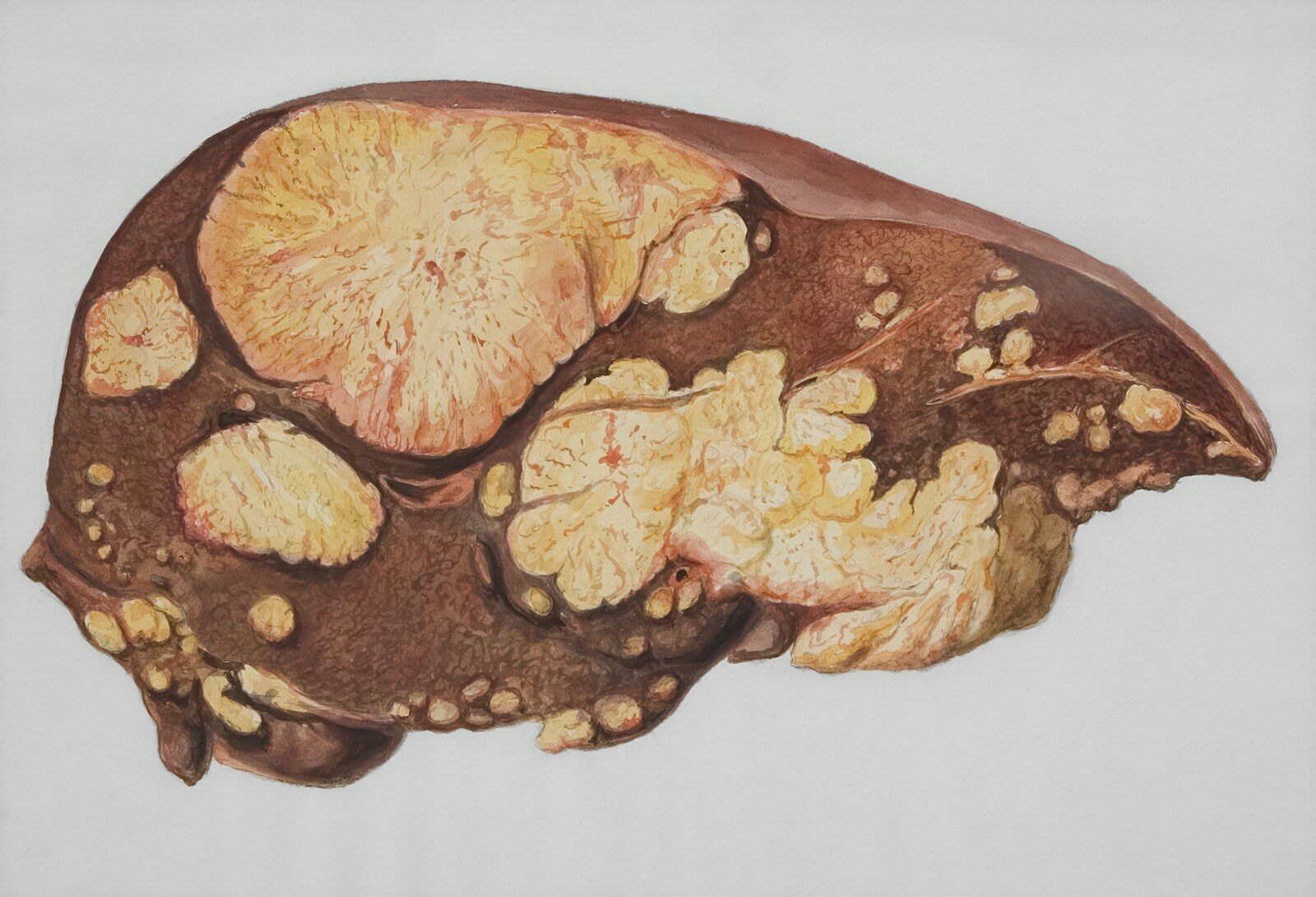
Fatty liver disease is becoming increasingly common, and many people may have it without knowing. The condition occurs when excess fat builds up in the liver.
A small amount of fat in the liver can be normal, but excessive fat accumulation can become a health concern. In some people, fatty liver remains relatively stable, while in others it can lead to inflammation, scarring, and more serious liver problems.
The liver performs many important functions. It helps process nutrients, supports digestion, stores energy, removes waste products, and processes substances that enter the bloodstream.
When excess fat accumulates in the liver, these functions can potentially be affected over time, particularly when inflammation and liver damage develop.
Fatty liver disease is commonly divided into metabolic dysfunction-associated steatotic liver disease, often abbreviated as MASLD, and alcohol-associated liver disease. MASLD is strongly associated with metabolic risk factors such as overweight or obesity, type 2 diabetes, insulin resistance, and abnormal blood fats.
Fatty liver does not always cause noticeable symptoms.
Many people discover it during routine blood tests, an ultrasound, or an evaluation for another health problem.
When symptoms do occur, they may be vague. Some people may experience tiredness or discomfort in the upper-right area of the abdomen, but these symptoms are not specific enough to diagnose fatty liver.
This is why relying on symptoms alone is not a reliable way to determine whether your liver contains excess fat.
A healthcare professional may consider your medical history, physical examination, blood tests, imaging, and other assessments when evaluating possible fatty liver disease.
One of the strongest risk factors for fatty liver is excess body weight, particularly when fat is concentrated around the abdomen.
However, people who are not overweight can also develop fatty liver. Genetics, metabolic health, diet, physical activity, certain medications, and other factors can influence risk.
Type 2 diabetes and insulin resistance are closely associated with fatty liver.
When the body becomes less responsive to insulin, changes in how fat and glucose are processed can contribute to fat accumulation in the liver.
High triglycerides and other abnormalities in blood lipids can also be associated with fatty liver.
High blood pressure, obesity, abnormal cholesterol, and elevated blood sugar may occur together as part of a broader metabolic risk pattern.
This means that improving overall metabolic health can be an important part of protecting the liver.
Diet plays an important role in liver health.
There is no single food that can “clean” or “detox” the liver. The liver already has sophisticated systems for processing and removing substances from the body.
Instead of relying on detox drinks, powders, or supplements, focus on the overall quality of your diet.
A balanced eating pattern can include vegetables, fruits, legumes, whole grains, nuts, seeds, and appropriate sources of protein.
Foods that are highly processed and contain large amounts of added sugar, refined carbohydrates, saturated fat, or excess calories are better limited.
Sugary beverages deserve particular attention because they can provide substantial amounts of added sugar without creating much fullness.
Regularly consuming large amounts of sugary drinks may contribute to excess calorie intake and metabolic problems.
Replacing sugary beverages with water or unsweetened drinks can be a practical change.
Whole fruits can still be part of a balanced diet. They provide fiber and nutrients that are not present in the same way in many sugary drinks or highly processed desserts.
Portion size also matters.
Even foods considered healthy can contribute to excess calorie intake when portions are consistently larger than your body’s needs.
If excess body weight is contributing to fatty liver, gradual weight loss may help reduce liver fat for many people.
The goal should be sustainable weight management rather than rapid weight loss.
Crash diets can be difficult to maintain and may not provide adequate nutrition.
A healthier approach is to make gradual changes to eating patterns and physical activity that can continue over the long term.
Physical activity can support liver health even when substantial weight loss does not occur.
Regular movement can improve insulin sensitivity, cardiovascular fitness, and metabolic health.
Walking is an accessible starting point for many people.
If you currently have a sedentary lifestyle, begin with a manageable amount of walking and gradually increase duration and intensity as your fitness improves.
Adults are generally encouraged to aim for at least 150 minutes of moderate physical activity each week, along with muscle-strengthening activities on at least two days when appropriate.
You do not need to complete all your activity in one session.
Shorter periods of movement throughout the day can also contribute to your overall activity.
Strength training can be useful because maintaining muscle supports glucose metabolism and physical function.
Resistance bands, bodyweight exercises, weights, and other forms of strength training can be adapted to different fitness levels.
If you have a medical condition or have been inactive for a long time, ask a healthcare professional about an appropriate exercise plan before beginning strenuous activity.
Alcohol is another important consideration.
Alcohol can contribute to liver injury, and people with liver disease should discuss alcohol consumption with their healthcare professional.
If you have been diagnosed with alcohol-associated liver disease, avoiding alcohol may be an important part of treatment.
Even when fatty liver is associated primarily with metabolic factors, alcohol consumption can still be relevant to overall liver health.
Do not assume that switching from one alcoholic drink to another makes alcohol harmless to the liver.
Sleep and stress also matter for overall metabolic health.
Poor sleep can influence appetite, weight, glucose regulation, and other factors associated with fatty liver.
Maintaining a regular sleep schedule and getting adequate sleep can support healthier metabolic habits.
Chronic stress can also influence food choices, physical activity, sleep, and alcohol consumption.
Finding healthy ways to manage stress can therefore support your overall health.
Smoking is another factor worth addressing.
Smoking affects cardiovascular and overall health and can compound the health risks associated with metabolic disease.
If you smoke, quitting can provide substantial health benefits.
One of the biggest misconceptions about fatty liver is that it is always caused by alcohol.
That is not true.
Metabolic fatty liver disease can occur in people who drink little or no alcohol.
Another misconception is that fatty liver is always harmless.
Some people have relatively mild disease, while others can develop inflammation and progressive scarring.
The risk depends on the underlying cause, metabolic health, genetics, and the extent of liver injury.
Fat accumulation itself does not necessarily mean that severe liver damage has already occurred.
However, it is a reason to take metabolic and liver health seriously.
If fatty liver is suspected, your healthcare professional may check liver enzymes and other blood tests.
Imaging such as ultrasound may also be used to identify fat in the liver.
Additional tests can sometimes help estimate whether significant liver fibrosis, or scarring, may be present.
In selected situations, more specialized testing or a liver biopsy may be considered.
Not everyone with fatty liver needs a biopsy. The appropriate evaluation depends on individual risk and clinical findings.
Blood tests showing elevated liver enzymes can provide useful information, but normal liver enzymes do not necessarily rule out fatty liver or significant liver disease.
This is an important reason why testing should be interpreted as a complete picture rather than relying on one laboratory value.
Fatty liver can also occur alongside other common health conditions.
Someone with fatty liver may also have high blood pressure, high cholesterol, prediabetes, type 2 diabetes, or obesity.
Managing these conditions can be an important part of reducing long-term health risks.
Blood glucose control is particularly relevant because insulin resistance and type 2 diabetes are strongly associated with fatty liver.
If you have diabetes, follow the treatment plan recommended by your healthcare professional.
Do not stop diabetes medication simply because you are trying to improve your liver health through diet or exercise.
Similarly, cholesterol-lowering medication should not be discontinued without professional guidance.
People sometimes worry that medications may damage the liver and therefore stop prescribed treatment.
Some medicines can affect liver function, but medications are prescribed based on a balance between benefits and risks. If you are concerned about a medication, discuss it with your healthcare professional instead of stopping it yourself.
Supplements marketed as liver detox products should also be approached cautiously.
The liver processes many substances, including medications and supplements. Some herbal and dietary products can cause liver injury.
A product being labeled “natural” does not guarantee that it is safe for your liver.
Always tell your healthcare professional about supplements, herbs, and over-the-counter products you use.
A healthy diet for fatty liver does not need to be complicated.
You can start by making meals more centered around vegetables, legumes, whole grains, and appropriate protein sources.
Cooking at home can make it easier to control added sugar, oil, salt, and portion sizes.
For people following an Indian diet, foods such as dal, beans, chickpeas, vegetables, whole grains, curd, fish, eggs, nuts, and seeds can fit into a balanced eating pattern depending on individual dietary preferences.
Traditional foods do not need to be completely abandoned.
Instead, consider how often certain foods are eaten, how they are prepared, and how they fit into the overall meal.
Deep-fried foods and highly processed snacks can be reduced without requiring you to eliminate every food you enjoy.
The same principle applies to sweets.
An occasional dessert is different from regularly consuming large amounts of added sugar.
Sustainable eating is usually more practical than strict food rules.
Another helpful approach is to avoid consuming excessive calories from drinks.
Water is an excellent everyday choice for most people.
Unsweetened tea and coffee can also fit into many healthy eating patterns, depending on individual preferences and medical circumstances.
Be careful with “detox” beverages that promise to remove liver fat within a few days.
No beverage can replace the gradual lifestyle and medical changes required to address the underlying causes of fatty liver.
Weight loss should also be approached realistically.
If you have overweight or obesity and fatty liver, your healthcare professional may recommend gradual weight reduction.
The amount of weight loss that provides meaningful liver benefits can vary between individuals.
Even modest improvements in weight, diet, and physical activity can be useful.
However, people who are not overweight should not assume that weight loss is automatically the solution.
In lean individuals with fatty liver, the focus may instead be on improving diet quality, physical activity, metabolic health, and identifying underlying causes.
Children and teenagers can also develop fatty liver disease.
Because children have different nutritional and developmental requirements, parents should not place them on restrictive weight-loss diets without guidance from an appropriate healthcare professional.
Pregnancy also requires individualized medical advice.
If you are pregnant or planning pregnancy and have liver or metabolic concerns, discuss them with your healthcare provider.
Fatty liver can sometimes improve when its underlying causes are addressed.
This may involve improving blood glucose control, managing cholesterol and blood pressure, becoming more physically active, reducing excess calorie intake, losing weight when appropriate, and avoiding harmful alcohol use.
Improvement usually takes time.
Do not expect a few days of healthy eating to reverse years of metabolic changes.
Consistency is more important.
Walking regularly, eating balanced meals, getting adequate sleep, and following medical recommendations can become part of a long-term routine.
Your liver does not require an extreme detox program.
It needs you to address the factors that may be contributing to liver fat and injury.
Regular medical follow-up can be particularly important if you have diabetes, obesity, high triglycerides, abnormal liver tests, or other risk factors.
Your healthcare professional may recommend periodic blood tests or imaging depending on your condition.
You should also tell your healthcare professional if you develop persistent abdominal swelling, yellowing of the skin or eyes, unusual bleeding or bruising, significant unexplained weight loss, severe weakness, confusion, vomiting blood, or dark or bloody stools.
These symptoms can indicate serious liver or other medical problems and require prompt evaluation.
Fatty liver should not be diagnosed from symptoms alone.
If you are concerned about your liver, a healthcare professional can determine whether testing is appropriate.
Do not rely on home detox kits, online symptom checkers, or supplement advertisements as substitutes for medical evaluation.
The good news is that many of the habits that support liver health also support heart and metabolic health.
A balanced diet, regular physical activity, healthy weight management when appropriate, adequate sleep, avoiding tobacco, responsible alcohol choices, and good control of blood pressure, cholesterol, and blood glucose can benefit multiple areas of health at the same time.
You do not need to make every change immediately.
Start with realistic improvements that fit your daily routine.
Replacing sugary drinks, walking regularly, adding vegetables to meals, reducing highly processed foods, and improving sleep can be practical first steps.
Once these habits become routine, you can build on them.
There is no single perfect liver diet.
The best eating pattern is one that provides adequate nutrition, supports a healthy metabolic state, fits your cultural and personal preferences, and can be maintained over time.
Fatty liver is often silent, but it should not be ignored.
If you have risk factors or have already been told that you have fatty liver, use that information as an opportunity to understand your health more clearly.
With appropriate medical evaluation and sustainable lifestyle changes, you can take meaningful steps toward protecting your liver and reducing your broader metabolic health risks.
The goal is not a quick detox or a miracle cure.
The goal is better health habits that you can maintain for years, combined with appropriate medical care when it is needed.