Hair fall in your 20s can feel especially worrying because many people assume thinning hair is something that only happens much later in life.
But hair loss can begin at almost any age.
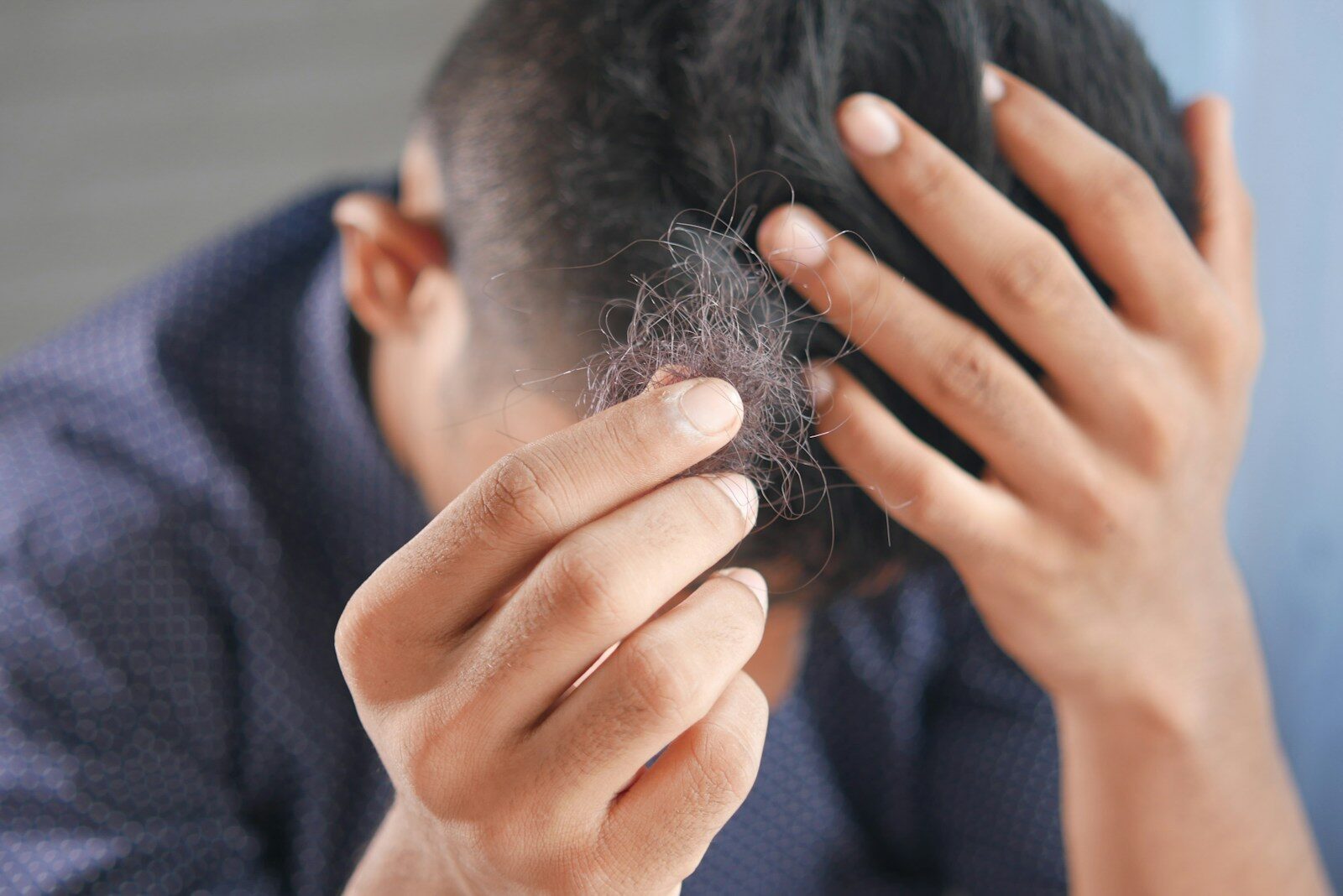
If you are in your 20s and noticing more hair on your pillow, increased shedding in the shower, a wider hair part, a receding hairline, or a thinner ponytail, it does not necessarily mean that you are going bald.
There are many possible reasons for hair fall at a young age, and identifying the pattern is more important than simply counting the number of hairs you lose each day.
Some causes are temporary and may improve once the trigger is addressed.
Others, such as hereditary pattern hair loss, can gradually progress without treatment.
The first thing to understand is that some daily hair shedding is normal.
Hair naturally goes through growth, resting, and shedding phases. Because individual follicles are at different stages of this cycle, losing some hair every day is expected.
The concern begins when your normal pattern changes significantly or when you can see a gradual reduction in hair density.
For example, you may notice that your part looks wider than it did a year ago.
You may see more scalp around the crown.
Your hairline may slowly move backward.
Your ponytail may feel smaller even though you have not changed your hairstyle.
These changes can be more important than the exact number of hairs you see in your comb.
One of the most common causes of hair thinning in your 20s is hereditary pattern hair loss.
It can affect both men and women.
If close family members have experienced early hair thinning, a genetic tendency may be involved.
In men, hereditary hair loss commonly begins with a receding hairline, thinning at the temples, or reduced density around the crown.
Some men develop a combination of these patterns.
In women, the pattern can be different.
A widening middle part or gradual thinning over the top of the scalp may be more noticeable than a receding hairline.
Not every person with a family history will develop the same degree of hair loss.
Genetics can influence when it begins, how quickly it progresses, and how much density is eventually affected.
This is one reason early changes should not automatically be dismissed as “too young for hair loss.”
Another common cause of increased shedding in your 20s is telogen effluvium.
Unlike hereditary pattern hair loss, telogen effluvium often involves a sudden increase in shedding rather than slow progressive thinning.
It can happen after physical or emotional stress.
A high fever, serious illness, surgery, significant weight loss, restrictive dieting, major stress, or hormonal changes can trigger increased shedding in some people.
The interesting part is that the hair fall may not begin immediately after the stressful event.
There can be a delay between the trigger and noticeable shedding.
This means that something that happened several weeks or months earlier may be more relevant than what you changed last week.
Young adults often experience major lifestyle changes.
College, exams, new jobs, relationship problems, financial pressure, irregular sleep, intense workouts, restrictive diets, and other stresses can all occur within the same period.
When several factors happen together, it can be difficult to identify exactly what triggered the shedding.
Nutrition is another important factor.
Many people in their 20s follow restrictive diets for weight loss, fitness, appearance, or personal preferences.
A poorly planned diet can reduce intake of protein, iron, zinc, vitamin B12, vitamin D, and other nutrients that are important for overall health.
This does not mean that every person with hair loss has a vitamin deficiency.
It simply means that inadequate nutrition is one potential contributor that should be considered when the history suggests it.
Protein deserves particular attention.
Hair is primarily composed of keratin, which is a protein.
If you consistently consume too little protein, especially while losing weight or exercising heavily, your body may have difficulty supporting normal hair production.
If you follow a vegetarian or vegan diet, you can still get adequate protein, but meal planning becomes important.
Foods such as lentils, beans, soy, dairy products, eggs, nuts, seeds, and other protein-rich foods can contribute to your intake depending on your dietary preferences.
If you have a medical condition or specific dietary restrictions, personalized guidance is better than following generic advice online.
Iron deficiency can also be associated with hair shedding in some people.
This is particularly relevant when someone has a diet low in iron or another reason for reduced iron stores.
However, you should not start taking iron supplements simply because your hair is falling.
Iron can be harmful in excessive amounts.
If deficiency is suspected, a healthcare professional can decide whether testing is appropriate.
Vitamin D and vitamin B12 are also frequently discussed in relation to hair loss.
Deficiencies can occur in some people, but taking supplements without knowing whether you need them is not a guaranteed solution.
Hair supplements are heavily promoted, but they are not magic treatments.
If your diet is already adequate, taking large amounts of additional nutrients may not improve your hair.
Some high-dose supplements can even create problems.
This is why finding the underlying cause is more useful than buying a collection of products marketed for hair growth.
Your hormones can also influence your hair.
Hormonal changes associated with conditions such as thyroid disorders or polycystic ovary syndrome can contribute to hair problems in some people.
Women may notice hair thinning alongside changes in menstrual cycles, acne, increased facial or body hair, or other hormonal symptoms.
These symptoms do not automatically mean that a particular condition is present, but they can be important information for a doctor.
Thyroid problems can also affect hair growth.
If hair loss is accompanied by unexplained changes in weight, persistent fatigue, unusual sensitivity to heat or cold, changes in heart rate, or other symptoms, discuss the complete picture with a healthcare professional.
Stress is another major topic when discussing hair fall in your 20s.
It is easy to say “stress causes hair loss,” but the relationship is more complicated.
Everyday stress does not mean you will automatically lose your hair.
However, significant physical or emotional stress can affect the hair-growth cycle in susceptible people.
Poor sleep can also become part of the problem.
A lifestyle built around late nights, irregular meals, excessive screen time, intense work or study schedules, and insufficient recovery can place additional stress on the body.
Improving sleep will not cure every form of hair loss, but maintaining healthy sleep habits supports overall wellbeing and recovery.
Another major cause of hair problems among young adults is aggressive hair styling.
Tight ponytails, buns, braids, extensions, and other hairstyles that repeatedly pull on the scalp can contribute to traction-related hair loss.
The problem is often gradual.
You may first notice broken hairs around the hairline or thinning in areas where the hairstyle creates the most tension.
If the pulling continues for a long time, the damage can become more serious.
Changing your hairstyle regularly and reducing tension can help protect the follicles.
Heat styling can create a different type of problem.
Straighteners, curling irons, and frequent high-temperature blow-drying can damage the hair shaft.
This can result in breakage, split ends, and shorter hairs.
Breakage can make your hair look much thinner even when the follicles are still producing hair normally.
Chemical treatments can have a similar effect.
Frequent bleaching, coloring, relaxing, or other chemical processing can weaken the hair shaft, especially when several treatments are combined.
If your hair is already fragile, reducing chemical and heat exposure can help minimize further breakage.
It is important to distinguish breakage from actual shedding.
A naturally shed hair generally comes out from the follicle.
A broken hair may be much shorter and may have an uneven or damaged appearance.
You can have both problems at the same time.
Scalp health also matters.
Persistent dandruff, itching, redness, scaling, burning, or inflammation should not be ignored.
Different scalp conditions can affect the health of your hair and may require specific treatment.
Dandruff itself does not mean that you are permanently losing your hair.
However, constantly scratching an irritated scalp can increase mechanical damage and make the situation more uncomfortable.
If your scalp symptoms are severe or persistent, a dermatologist can determine what is causing them.
Another issue that can affect young adults is rapid weight loss.
Crash diets and extreme calorie restriction can put the body under significant stress.
Some people experience increased shedding after losing weight quickly.
This can be particularly confusing because the shedding may begin after the weight-loss period rather than during it.
If you are trying to lose weight, focus on a sustainable approach rather than trying to lose as much weight as possible in the shortest time.
Your hair is only one reason to avoid extreme dieting.
Adequate nutrition is important for your muscles, hormones, immune system, energy levels, and overall health as well.
If you are using a prescription weight-management medication and notice increased shedding, talk with your prescribing clinician rather than stopping the medication on your own.
Reduced appetite and rapid weight loss can sometimes affect nutritional intake and may be relevant to hair shedding.
The popular phrase “Ozempic hair” is often used online for this type of experience, but it is not a specific medical diagnosis.
The underlying cause may involve rapid weight loss, reduced calorie or protein intake, physiological stress, or another factor rather than the medication alone.
Another common concern among people in their 20s is whether masturbation causes hair loss.
There is no good evidence that ordinary masturbation causes hereditary hair loss or routine hair shedding.
Similarly, everyday activities such as wearing a cap or washing your hair do not automatically cause permanent hair loss.
These myths can make hair concerns much more stressful than they need to be.
Hair loss is usually influenced by genetics, health, hormones, nutrition, medications, scalp conditions, physical stress, or hair practices rather than simple everyday activities.
People also sometimes believe that cutting or shaving the hair will make it grow back thicker.
It does not.
Hair grows from follicles beneath the skin.
Cutting the visible portion of the hair does not change the follicle’s growth rate.
The hair can look thicker after a haircut because the ends are blunt, but the actual density has not increased.
Another popular idea is that frequent oiling will stop hair fall.
Hair oil can make the hair shaft feel smoother and reduce friction for some people.
But oiling does not treat every underlying cause of hair loss.
If you have hereditary pattern hair loss, for example, applying oil alone is unlikely to stop the genetic process.
This does not mean you cannot use hair oil.
It simply means that cosmetic hair care and medical treatment are different things.
The same applies to shampoos.
A good shampoo can help keep the scalp clean and comfortable, but most shampoos cannot reverse hereditary hair loss.
If a shampoo causes burning, itching, redness, or irritation, discontinue it and consider trying a gentler option.
The most important step when experiencing persistent hair loss in your 20s is identifying the pattern.
Sudden heavy shedding is different from gradual thinning.
Patchy hair loss is different from diffuse shedding.
Hairline recession is different from overall thinning.
Breakage is different from hair coming out from the follicle.
Each pattern can point toward different causes and treatments.
If you are unsure which pattern you have, a dermatologist can help.
You can also start by observing your hair over time rather than checking it obsessively every day.
Take photographs of your hairline, part, and crown under similar lighting every few weeks.
This can make gradual changes easier to identify.
Try not to compare your hair with photographs taken under completely different lighting.
Wet hair, oily hair, bright overhead lights, and certain hairstyles can make the scalp look much more visible.
If you notice a clearly widening part or progressive hairline recession, professional evaluation is worthwhile.
Early diagnosis can be helpful for conditions that tend to progress over time.
For hereditary pattern hair loss, treatments such as minoxidil may be appropriate for some people.
Minoxidil does not work for every cause of hair loss, and results take time.
It may also need to be continued to maintain its benefits.
A dermatologist can explain whether it is appropriate for your particular pattern.
Prescription treatments may also be considered for certain patients.
The correct treatment depends on factors such as age, sex, cause of hair loss, medical history, pregnancy considerations when relevant, and other medications.
Do not assume that a treatment recommended to a friend will be appropriate for you.
Another reason to seek professional advice is if the hair loss is sudden.
Sudden loss can have different causes, and the sooner the underlying problem is identified, the more useful treatment may be.
Patchy bald spots should also be evaluated.
A clearly defined bald patch is not the typical appearance of ordinary daily shedding.
Similarly, scalp pain, severe itching, redness, sores, scaling, or inflammation alongside hair loss should prompt an evaluation.
If you are losing hair along with unexplained weight loss, persistent fatigue, hormonal changes, or other unusual symptoms, tell your healthcare professional.
Hair loss can sometimes occur alongside broader health problems.
Do not rely solely on internet searches to diagnose yourself.
There are many different causes of hair loss, and several can look similar to someone without medical training.
A dermatologist can examine the scalp and hair closely and decide whether further testing is necessary.
You may not need extensive testing in every case.
The decision depends on your symptoms, medical history, diet, medications, family history, and physical examination.
One of the biggest mistakes young people make is waiting until significant thinning becomes obvious.
If you are noticing a genuine change, it is reasonable to investigate early.
That does not mean you should panic.
It simply means that knowing what is happening gives you more options.
If the cause is temporary shedding, reassurance and correction of the trigger may be enough.
If the cause is nutritional, addressing the deficiency may help.
If the cause is a scalp condition, appropriate treatment can improve scalp health.
If the cause is hereditary pattern hair loss, evidence-based treatment may help slow progression and maintain density.
This is why diagnosis matters.
Another important point is that hair loss can affect confidence at any age.
Being in your 20s does not make the concern less real.
If your hair is changing, it is normal to feel frustrated or self-conscious.
Try not to let the fear of hair loss push you toward unproven treatments or extreme routines.
There is no need to spend large amounts of money on products simply because they promise instant regrowth.
Hair growth is slow, and legitimate treatments generally require patience.
Be cautious with products that promise dramatic results within a few days or weeks.
Be equally cautious with before-and-after photographs that do not explain lighting, styling, treatment duration, or other factors.
A healthy hair routine should be simple.
Wash your scalp according to your needs.
Use conditioner if it helps with dryness or tangling.
Avoid excessive heat.
Limit harsh chemical processing.
Avoid hairstyles that constantly pull on the roots.
Eat a balanced diet with adequate protein.
Avoid extreme calorie restriction.
Get enough sleep.
Manage stress as realistically as possible.
And seek professional evaluation when hair loss is persistent or progressive.
You do not need to stop exercising because you are worried about hair loss.
Regular physical activity can support general health.
The concern is more about excessive exercise combined with inadequate food intake or rapid weight loss.
If you are training intensely, make sure your nutrition supports your activity level.
If you have concerns about your diet, a registered dietitian can help create a balanced approach.
Another common question is whether hair fall in your 20s can grow back.
The answer depends entirely on the cause.
Temporary shedding can improve once the trigger is addressed.
Hair affected by breakage can appear healthier as damaged sections grow out and are trimmed.
Some forms of hereditary hair loss can be managed with treatment, although results vary.
Certain inflammatory or scarring conditions require medical treatment because untreated damage can become permanent.
So there is no single answer that applies to everyone.
This is why it is better to ask, “What type of hair loss do I have?” rather than simply asking, “How do I stop hair fall?”
Once you understand the cause, your options become much clearer.
If your hair has recently started shedding more heavily, think about what happened during the previous few months.
Were you sick?
Did you have a fever?
Did you experience major stress?
Did you lose weight quickly?
Did you change your diet?
Did you start a new medication?
Did you experience hormonal changes?
Did you start wearing tighter hairstyles?
Did you dramatically increase heat or chemical treatments?
These questions can reveal potential triggers.
At the same time, look at your family history.
If your parents, siblings, or close relatives experienced early pattern hair loss, genetics may be relevant.
Family history does not guarantee that you will lose your hair, but it can increase the likelihood of hereditary pattern hair loss.
Do not wait for complete baldness before seeking advice.
Hair-loss treatment is generally more useful when there is still meaningful hair density to preserve.
If your hairline has gradually changed over several years, a dermatologist can assess whether it represents normal maturation, hereditary hair loss, or another condition.
There is also no need to feel embarrassed about asking for help.
Dermatologists deal with hair and scalp conditions regularly.
A professional evaluation can replace uncertainty with a clear explanation of what is happening.
If you are experiencing hair fall in your 20s, remember that you are not automatically facing permanent baldness.
Some causes are temporary.
Some are treatable.
Some can be managed successfully when identified early.
The most useful approach is to pay attention to the pattern, support your overall health, avoid unnecessary hair damage, and seek appropriate medical advice when the changes persist.
Your 20s can be a time of significant lifestyle and health changes, and your hair can respond to those changes.
But hair loss at a young age should not be dismissed, and it should not be treated with panic either.
Understand the pattern, identify possible triggers, and choose evidence-based care.
With the right diagnosis and realistic expectations, many people can improve their hair health, reduce unnecessary shedding, or manage progressive thinning more effectively.