Travel can be exciting, but your digestive system does not always enjoy the change as much as you do. A different routine, unfamiliar food, long hours of sitting, changes in sleep and limited access to bathrooms can all make constipation more likely.
Many people notice that they do not have a bowel movement for a day or two while traveling. Others return home feeling bloated, uncomfortable and unable to poop normally.
This often leads to questions such as “Why do I get constipated when I travel?”, “How can I poop while traveling?”, “Why can’t I poop after a flight?”, “What helps constipation after vacation?” and “How long can travel constipation last?”
Travel-related constipation is usually temporary. In many cases, the bowel simply needs time to adjust to changes in your normal routine.
However, persistent constipation or constipation accompanied by severe symptoms should not automatically be blamed on travel.
One of the biggest reasons travel can affect bowel movements is a change in routine.
Your digestive system becomes accustomed to your usual eating schedule, activity level, sleeping pattern and bathroom habits.
When you travel, all of those things can change at once.
You might normally have breakfast at 8 a.m. and use the bathroom afterward.
During a trip, breakfast might happen at noon.
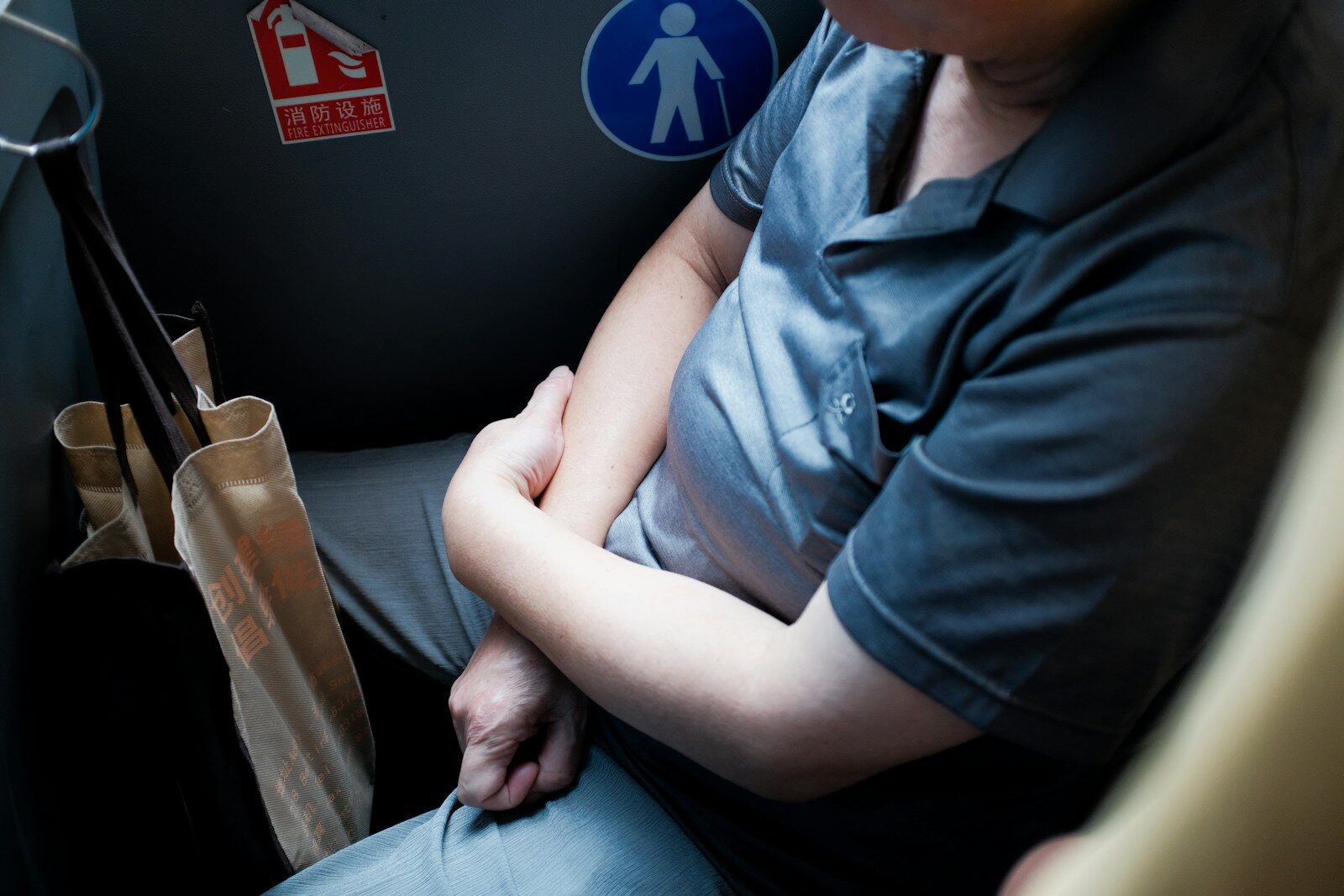
You may spend several hours sitting in a car, bus, train or airplane.
You may eat foods that are different from what you normally consume.
You may also avoid using the bathroom because the facilities are unfamiliar or inconvenient.
All of these changes can contribute to constipation.
Ignoring the urge to have a bowel movement is particularly important.
If you repeatedly tell yourself that you will use the bathroom later, stool may remain in the colon for longer.
As the colon absorbs water from stool, it can become harder and more difficult to pass.
This can create a cycle in which you delay going, the stool becomes harder and the next bowel movement becomes even more uncomfortable.
Try to use the bathroom when you feel the urge rather than consistently postponing it.
This can be difficult during a long journey, but planning bathroom breaks can make a difference.
Air travel can be especially challenging.
A long flight may mean hours of sitting, limited movement, changes in meal timing and reduced access to a comfortable bathroom.
Some people also drink less because they don’t want to repeatedly get up or use the airplane restroom.
This can contribute to inadequate fluid intake.
Adequate hydration is important for healthy bowel movements, particularly when you are increasing fiber.
However, you don’t need to drink enormous amounts of water at once.
Instead, try to drink fluids regularly throughout the day according to your needs.
If you have been advised to restrict fluids because of a medical condition, follow your healthcare professional’s instructions.
Another travel-related problem is diet.
When you’re on vacation, you may eat more restaurant food, fast food, refined carbohydrates, snacks or highly processed foods than you normally do.
These foods aren’t automatically harmful.
But if they replace fruits, vegetables, legumes and whole grains for several days, your overall fiber intake may fall.
A consistently low-fiber diet can contribute to constipation.
Adults generally need around 22 to 34 grams of fiber per day depending on age and sex, although individual requirements vary.
If your usual diet is fiber-rich but your travel diet contains very little fiber, your bowel habits may change.
The solution isn’t to suddenly consume a huge amount of fiber after several days of eating differently.
A sudden increase can cause gas and bloating.
Instead, gradually return to your normal fiber intake.
Fruit can be an easy travel-friendly option.
Apples, pears, oranges and berries can provide dietary fiber.
Oatmeal and whole-grain foods can also contribute fiber.
Beans, lentils and vegetables are useful when they are available and comfortable for you to eat.
The goal is to bring your overall diet back toward a balanced pattern.
Prunes can also be convenient for some travelers.
They contain fiber and naturally occurring compounds that may support bowel movements.
You don’t need to consume large amounts.
A moderate serving may be enough to add fiber to your diet.
Too many prunes can cause gas, bloating or diarrhea, which isn’t exactly the travel experience you’re looking for.
Another important factor is physical activity.
Travel can involve surprisingly long periods of inactivity.
You might sit in a car for six hours, spend several hours on a flight or stay in a hotel after a long day of sightseeing.
Regular movement can support normal bowel function.
Walking is particularly practical while traveling.
Take a short walk after meals when possible.
Stretch during long journeys.
If you’re driving, stop periodically to move around when it is safe and practical.
If you’re flying, get up and walk around when appropriate and permitted.
You don’t need a complicated workout.
The goal is simply to avoid spending the entire day sitting.
Sleep changes can also affect your routine.
Crossing time zones can disrupt your sleep schedule.
If you normally wake up at 7 a.m. and suddenly wake up at noon, your usual breakfast and bathroom routine may disappear.
Your body needs time to adjust.
Don’t panic if your bowel movement doesn’t happen at your normal time.
Instead, try to gradually establish a routine in your new environment.
Eating meals at reasonably consistent times can help.
Giving yourself enough time in the bathroom can also help.
Travel-related stress may play a role too.
Airports, traffic, delays, unfamiliar places and tight schedules can all make you feel stressed.
Some people notice changes in bowel habits during stressful periods.
The digestive system and nervous system communicate continuously, so changes in stress and routine can influence digestive symptoms.
This doesn’t mean constipation is “just stress.”
It means stress can be one factor among several.
If you are traveling and already know that stress affects your digestion, give yourself more time and avoid rushing through meals or bathroom visits whenever possible.
Another issue is bathroom privacy.
Some people simply cannot use an unfamiliar bathroom comfortably.
You may be staying with friends, sharing accommodation or traveling with a group.
You may keep postponing the urge until you reach a private bathroom.
Occasionally doing this is unlikely to cause a major problem.
But repeatedly ignoring bowel urges can contribute to constipation.
If you feel comfortable using a clean, appropriate bathroom, don’t wait unnecessarily.
Your digestive system doesn’t know that you’re on vacation.
It still follows its normal biological processes.
Some people also become constipated because they are trying to eat very little while traveling.
This can happen when someone is worried about weight gain during vacation or wants to avoid using public bathrooms.
Eating too little can disrupt your normal routine.
Instead of skipping meals, aim for balanced meals that include fiber-rich foods and adequate fluids.
You don’t need to follow a restrictive diet to prevent travel constipation.
Another common question is whether flying itself causes constipation.
Flying doesn’t automatically cause constipation.
The combination of factors surrounding travel is more likely to matter.
Long periods of sitting, altered meal schedules, reduced activity, dehydration, stress and changes in diet can all contribute.
This is why one person may experience constipation during a flight while another person has completely normal bowel movements.
The same principle applies to road trips.
Sitting in a car for many hours doesn’t guarantee constipation, but the combination of prolonged sitting, limited bathroom access, irregular meals and reduced fluid intake can increase the likelihood.
Planning can make travel constipation easier to prevent.
Before a long journey, eat normally rather than deliberately avoiding food.
Choose meals containing fiber.
Drink fluids appropriately.
Use the bathroom before leaving if you naturally feel the urge.
During the journey, take movement breaks when possible.
If you’re driving, schedule stops.
If you’re traveling by train or plane, use appropriate opportunities to move around.
These simple habits can make a difference.
Another useful strategy is carrying familiar foods.
If you know that your digestion responds well to certain fruits, oats or other fiber-rich foods, having a few options available can help you maintain some consistency.
This doesn’t mean you need to bring an entire kitchen with you.
Even one or two familiar fiber-rich snacks can be useful during a long trip.
You should also be careful about suddenly trying unfamiliar supplements while traveling.
A new fiber supplement may cause gas and bloating if introduced too quickly.
A new laxative may cause diarrhea or abdominal cramping.
A strong herbal product may have unexpected effects.
Travel is not the best time to experiment with multiple digestive products.
If you already use a constipation treatment regularly, discuss your travel plan with your healthcare professional if necessary.
If you are considering an over-the-counter laxative for temporary constipation, a pharmacist can help you understand which option may be appropriate.
Different laxatives work in different ways.
Some increase stool bulk.
Some draw water into the bowel.
Some soften stool.
Others stimulate bowel movement.
The appropriate choice depends on the situation.
Don’t assume that the strongest product is the best product.
And don’t repeatedly increase the dose because the first dose didn’t work immediately.
Many constipation treatments take time to work.
Follow the product instructions or professional advice.
Another common travel question is how long it is normal to go without pooping.
There isn’t one exact number of days that applies to everyone.
Healthy bowel frequency varies considerably.
Some people have bowel movements several times a day.
Others go every other day.
What matters is your normal pattern and whether your stool has become hard, difficult to pass or associated with significant straining and discomfort.
If you normally have a bowel movement every morning and suddenly go several days without one while feeling bloated and uncomfortable, you may be experiencing constipation.
If you normally go every two days and feel completely comfortable after a short trip, that may simply be your usual pattern.
Don’t judge your bowel health solely by a calendar.
The consistency and difficulty of bowel movements matter too.
Travel constipation often improves once you return to your normal routine.
You may eat your usual foods, drink normally, move more and regain access to your preferred bathroom.
For some people, this is enough to restore regular bowel movements.
If your symptoms improve after returning home, that’s generally reassuring.
However, don’t assume every digestive problem after travel is simple constipation.
Travel can expose you to unfamiliar foods, contaminated water or infections.
If constipation is accompanied by significant diarrhea, fever, vomiting or other unusual symptoms after travel, medical evaluation may be appropriate.
Some travelers also develop changes in bowel habits because of infections.
If you become sick during or after a trip, don’t automatically treat everything as ordinary travel constipation.
Another concern is abdominal pain.
Mild cramping and fullness can occur with constipation.
But severe or persistent abdominal pain is different.
If constipation occurs with constant or severe abdominal pain, vomiting, fever, inability to pass gas, rectal bleeding or blood in the stool, seek medical attention.
These symptoms can indicate a problem that needs evaluation rather than a simple travel-related change in routine.
In particular, inability to pass gas combined with significant abdominal swelling and pain should not be ignored.
If you cannot pass gas or stool and your abdomen becomes increasingly swollen or painful, seek urgent medical care.
Do not keep taking additional laxatives or home remedies while waiting for severe symptoms to resolve.
Blood in the stool also deserves attention.
Hard stool and straining can contribute to hemorrhoids or small anal tears, which may cause bright red blood.
But rectal bleeding has other possible causes.
If you notice unexplained blood in your stool or repeated bleeding, speak with a healthcare professional.
Unexplained weight loss is another warning sign.
Travel can temporarily change your appetite and eating habits, but unexplained or persistent weight loss combined with constipation should be medically evaluated.
A sudden and persistent change in bowel habits should also be discussed with a healthcare professional.
This is particularly important if the change continues after you return to your normal routine.
People with existing digestive conditions may also need to be more careful while traveling.
If you have previously been diagnosed with a gastrointestinal condition, ask your healthcare professional how travel may affect your symptoms.
Keep necessary medications with you and don’t make major changes without advice.
Pregnant travelers should also take constipation seriously if symptoms are persistent or severe.
Pregnancy itself can increase the likelihood of constipation, and travel can add changes in diet, activity and routine.
If you are pregnant, ask your healthcare professional before using laxatives, herbal remedies or supplements.
The same caution applies to children.
If a child becomes constipated while traveling, avoid giving adult constipation medicines without appropriate medical advice.
Children have different dosing and treatment considerations.
Older adults may also be more susceptible to constipation while traveling, particularly if they have limited mobility or take medicines that can affect bowel movements.
Maintaining hydration, movement and regular meals can be helpful, but persistent symptoms should be discussed with a healthcare professional.
Medication can be particularly important in older adults.
Some medicines commonly used for pain, allergies, blood pressure, depression and other conditions can contribute to constipation.
If you notice a change in bowel habits during a trip after starting or changing a medication, ask a doctor or pharmacist for advice.
Don’t stop a prescribed medication without professional guidance.
Another popular travel remedy is coffee.
Some people find that coffee stimulates a bowel movement.
This can happen because eating and drinking can stimulate activity in the colon.
If coffee is already part of your normal routine and you tolerate it well, you don’t necessarily need to stop drinking it during travel.
But don’t rely on excessive caffeine to force a bowel movement.
Too much caffeine can contribute to uncomfortable digestive symptoms or disrupt sleep.
Similarly, warm water may be soothing and can contribute to hydration, but it isn’t a guaranteed travel constipation cure.
There is no special drink that can reliably clean out your bowel overnight.
Be skeptical of products promising instant detoxification.
Your digestive system doesn’t need a “travel cleanse.”
The goal is simply to return to your normal healthy habits.
If you are constipated after a trip, start by restoring your regular routine.
Eat your normal meals.
Include fiber-rich foods.
Drink appropriate fluids.
Walk regularly.
Respond to bowel urges.
Give yourself time to use the bathroom.
These basic steps may be enough for mild constipation.
If they don’t help, ask a pharmacist or healthcare professional about treatment.
Don’t keep trying increasingly aggressive home remedies.
Another mistake is suddenly consuming an enormous amount of fiber after returning home.
If you’ve eaten very little fiber during your trip, you may be tempted to eat a giant salad, several bowls of bran cereal and large portions of beans all at once.
This may produce more gas and bloating.
Gradually increase fiber instead.
Your digestive system may need time to adjust.
You should also avoid using multiple laxatives at the same time unless a healthcare professional has specifically advised you to do so.
Combining products can increase the risk of cramping and diarrhea.
If a treatment isn’t working, get advice rather than continually adding more.
A useful travel constipation plan is therefore surprisingly simple.
Before the journey, maintain your normal eating and drinking habits.
During the journey, move regularly and take bathroom opportunities.
Choose fiber-containing foods when possible.
Drink appropriately.
After arrival, return to your usual meal, sleep and activity schedule.
If you feel the urge to have a bowel movement, use the bathroom instead of repeatedly delaying it.
If you’re staying in a hotel, identify the bathroom and give yourself privacy.
It sounds simple, but removing the psychological barrier of “I don’t want to use an unfamiliar bathroom” can sometimes help.
You don’t need to force yourself to poop.
Just give your body the opportunity.
Travel constipation can also happen during camping trips or outdoor adventures.
In these situations, bathroom access may be limited.
Planning ahead is particularly important.
Follow local sanitation guidance, carry appropriate supplies and avoid ignoring your body’s needs for long periods.
Hydration becomes especially important when you’re active outdoors.
Heat and physical activity can increase fluid requirements.
If you are hiking or spending long periods outside, plan your water and bathroom breaks appropriately.
If you have a medical condition or take medication that affects fluid balance, follow your healthcare professional’s recommendations.
Another reason travel constipation can occur is a sudden change in food type.
For example, you may eat more dairy, fried food, spicy food or unfamiliar dishes than you normally do.
These foods do not automatically cause constipation.
But a major change in diet can affect your digestive comfort.
If you notice that a particular food repeatedly causes symptoms, reduce it temporarily and return to foods you tolerate well.
Avoid unnecessarily restricting your diet based on one bad experience.
Your digestive system may simply need time to adapt.
If your constipation happens every time you travel, consider preparing before your next trip.
A few days before departure, maintain regular meals, adequate fluids and physical activity.
Don’t wait until you’re already constipated.
During the journey, try to maintain as much of your normal routine as possible.
If you normally have breakfast and then use the bathroom, leave enough time to continue that routine while traveling.
This can be especially useful for people whose bowel movements are highly schedule-dependent.
The goal isn’t perfection.
Travel naturally disrupts routines.
The goal is simply to minimize unnecessary changes.
Some people also worry that constipation after travel means their digestive system has become “toxic.”
That is not an accurate way to understand constipation.
Your body doesn’t become poisoned because stool remains in the colon for an ordinary short period.
However, persistent constipation can be uncomfortable and may require treatment.
Don’t let detox marketing make you panic.
Focus on practical bowel health instead.
If constipation continues after you return home, give your body some time to readjust while maintaining healthy habits.
If it doesn’t improve or keeps recurring, seek professional advice.
NHS guidance recommends medical advice when constipation does not improve with treatment, keeps happening or is associated with symptoms such as blood in the stool, unexplained weight loss, persistent tiredness, recurring bloating or a sudden change in bowel habits.
The same principle applies even if the constipation began during a vacation.
The trip may have triggered the symptoms, but persistent constipation deserves attention.
If you frequently travel for work, consider making bowel health part of your travel routine.
Keep a water bottle available where practical.
Choose fiber-rich meals.
Walk during breaks.
Don’t ignore bathroom urges.
Maintain reasonable meal times.
Get enough sleep.
And avoid relying on fast-food meals for the entire trip.
These habits benefit your overall health as well as your digestion.
If you have to travel by airplane for many hours, movement is especially important.
When it is safe and permitted, stand up and walk periodically.
Stretch your legs.
Avoid remaining completely stationary for the entire flight.
This is not only useful for digestive comfort but also supports general circulation during long periods of sitting.
If you have health conditions that affect your ability to move or travel safely, follow individualized medical advice.
Travel constipation is usually a temporary problem.
Your digestive system responds to changes in routine, diet, activity and hydration.
Once those factors return closer to normal, bowel movements often become easier.
But don’t ignore symptoms that don’t fit ordinary constipation.
Severe abdominal pain, vomiting, fever, inability to pass gas, significant abdominal swelling, rectal bleeding or unexplained weight loss should prompt medical attention.
If you are unsure whether your symptoms are simply constipation, it is safer to ask a healthcare professional.
You don’t need to be embarrassed about discussing bowel movements.
Constipation is common, and healthcare professionals deal with it regularly.
The information you provide can help them understand whether your symptoms are likely to be routine constipation or something requiring further investigation.
Keep track of how often you have bowel movements.
Notice whether your stool is hard.
Pay attention to how much you have to strain.
Notice whether you can pass gas.
And pay attention to whether abdominal pain improves after passing stool.
These details can be useful if you need medical advice.
The biggest lesson is that travel constipation is often about routine rather than one particular food.
Long periods of sitting can contribute.
Ignoring bowel urges can contribute.
Eating less fiber can contribute.
Drinking less can contribute.
Stress and disrupted sleep can contribute.
Changing several of these factors at once can make constipation more noticeable.
The good news is that most of these factors are manageable.
You don’t need a complicated travel detox.
You need a routine that supports your digestive system.
Eat a balanced diet.
Include fiber gradually.
Drink appropriate fluids.
Stay active.
Use the bathroom when you feel the urge.
Give yourself enough time.
And seek professional advice if the problem persists.
If you are traveling again soon, preparation can make a significant difference.
Don’t deliberately eat less because you’re worried about constipation.
Don’t avoid drinking fluids unnecessarily.
Don’t wait for severe constipation before paying attention to your bowel habits.
And don’t rely on unproven cleansing products.
Instead, maintain the healthy habits that already support your digestion.
Your body may take a little time to adjust to a new environment.
That’s normal.
The goal isn’t to make your bowel movements happen on a perfect schedule while you’re on vacation.
The goal is to stay comfortable, hydrated, active and attentive to your body’s signals.
Medical Disclaimer: This article is intended for general educational purposes and does not replace professional medical diagnosis, treatment or individualized medical advice. Constipation after travel can have several causes, and treatment may vary depending on age, medications, pregnancy, existing health conditions and symptom severity. Seek urgent medical attention for severe or constant abdominal pain, vomiting, fever, inability to pass gas or stool, significant bleeding or other concerning symptoms.