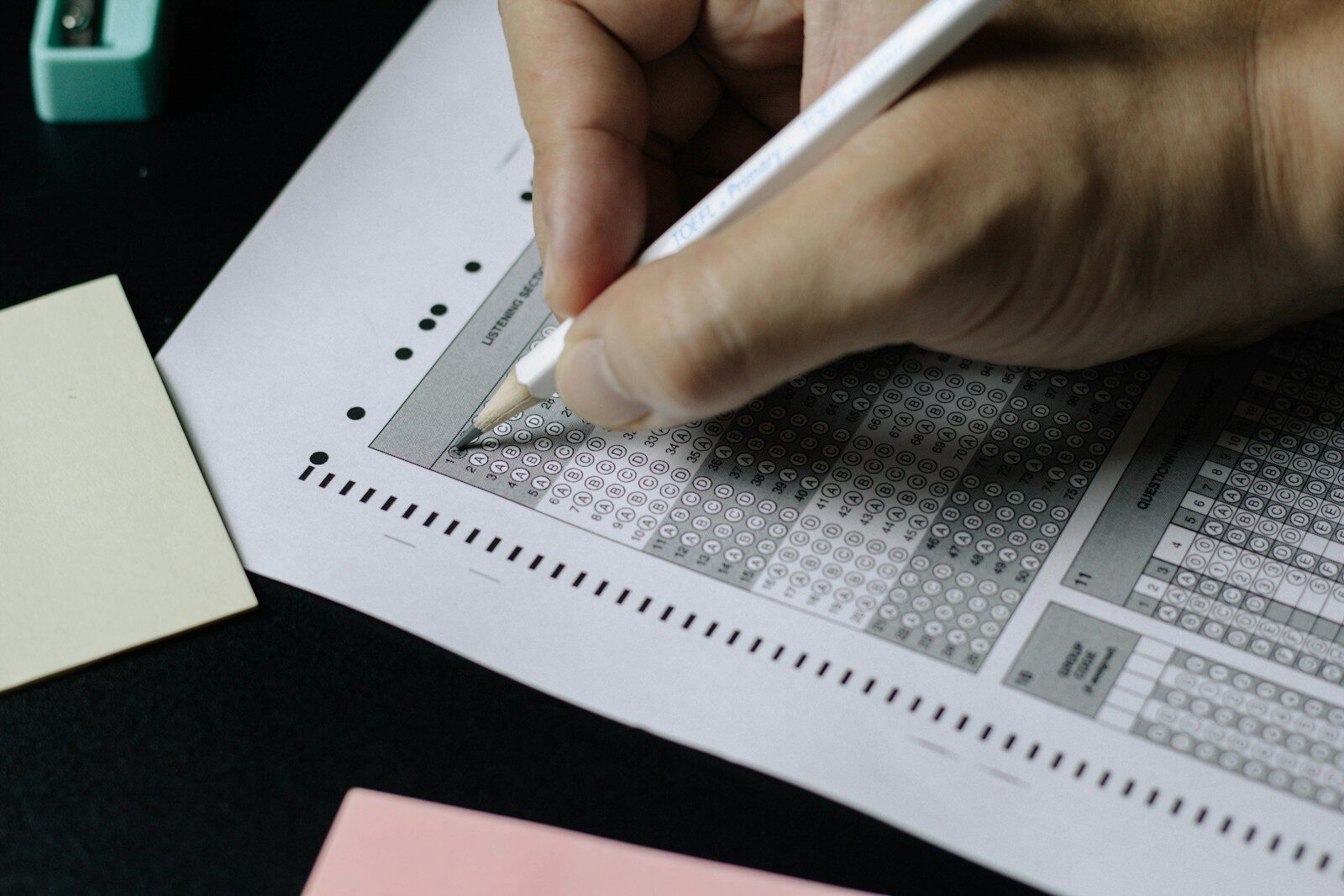
The NEET PG 2026 examination for candidates allotted to the iON Digital Zone Sitapura centres in Jaipur has been rescheduled after an internal power failure disrupted the computer-based test on Sunday, August 30.
The National Board of Examinations in Medical Sciences has decided that affected candidates will have to appear for the examination again on September 5, 2026. The decision came after the technical disruption prevented candidates at the Jaipur centres from completing the examination as scheduled.
The development affected candidates at the iON Digital Zone iDZ Sitapura centres in Jaipur. Nearly 300 candidates were initially scheduled to appear at the particular centre, according to reports.
The NEET PG examination was being conducted across the country on Sunday in a single computer-based shift. The examination was scheduled to run from 9 am to 12:30 pm.
While the examination proceeded at centres across the country, candidates at the affected Sitapura centres faced serious technical difficulties.
According to the National Board of Examinations in Medical Sciences, the examination could not be completed at the affected Jaipur centres because of an internal power failure. The problem was linked to the infrastructure responsible for conducting the computer-based examination.
Candidates at the centre reported repeated disruptions in the computer systems. Some aspirants alleged that their systems shut down several times during the examination process.
The repeated failures caused considerable confusion inside the examination centre. Candidates who had spent months preparing for NEET PG were suddenly unsure whether they would be able to complete their test.
Some candidates reportedly said their computers stopped working repeatedly after the examination began. In certain cases, the system reportedly restarted before shutting down again.
The disruption also affected the examination environment. Candidates were concerned that repeated technical failures could influence their concentration and performance in a highly competitive medical entrance examination.
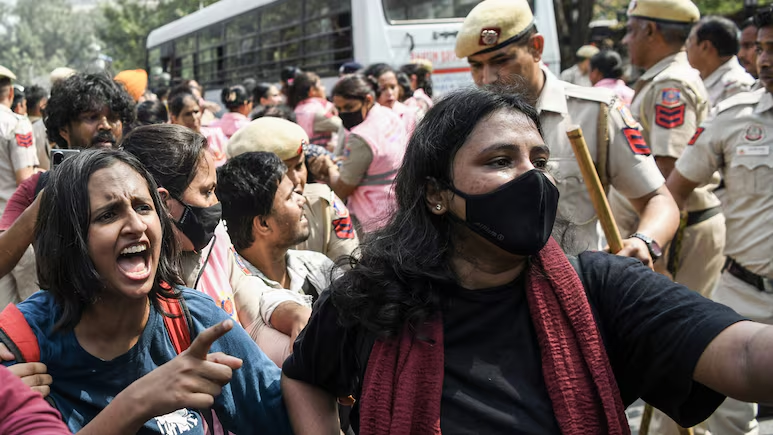
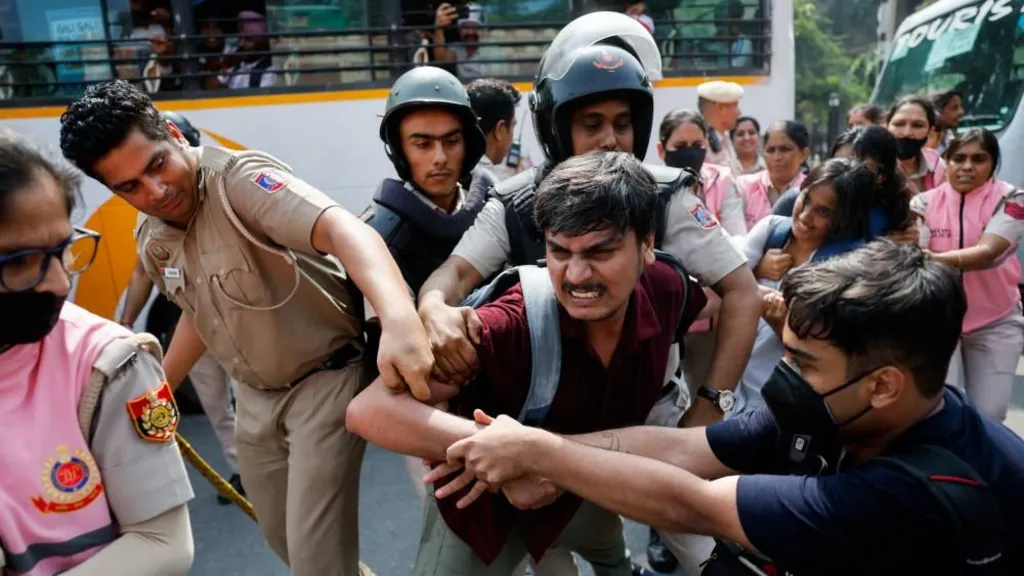
The situation eventually led to protests at the examination centre. Several candidates came out and expressed their anger over the technical arrangements.
Aspirants questioned why an examination of such importance was being conducted at a centre where the computer systems and power infrastructure were not functioning properly.
Candidates also demanded clarity from the authorities about what would happen to their examination. They wanted to know whether they would receive additional time, whether the examination would be restarted or whether another solution would be provided.
The presence of police and administrative officials was reported at the centre following the protest. Officers were deployed to maintain order as candidates gathered and raised their concerns.
The disruption was particularly frustrating for candidates who had travelled from other parts of Rajasthan and neighbouring states to appear for the examination.
NEET PG is one of India’s most important medical entrance examinations. It determines admission to postgraduate medical courses, including MD and MS programmes and other postgraduate medical seats.
Candidates generally spend months, and in many cases much longer, preparing for the examination. The test requires not only extensive academic preparation but also careful time management.
A technical failure during the examination can therefore create additional pressure. Candidates have to deal with uncertainty while also attempting to maintain concentration.
The authorities ultimately decided that continuing the examination under the affected conditions would not be appropriate for the candidates who were unable to complete it.
The National Board of Examinations in Medical Sciences announced that the examination would be conducted again for the affected candidates on September 5.
The re-examination is scheduled to take place in Jaipur at 3 pm, according to the latest information released following the disruption.
Only candidates who were affected by the technical problem and could not complete the examination are required to appear for the re-examination.
The examination authority has said that further information about the venue will be communicated separately to the affected candidates.
Revised admit cards are also expected to be issued for candidates appearing in the re-examination.
This means that candidates who were assigned to the affected Sitapura centre will have to prepare once again for the postgraduate medical entrance examination.
The decision provides a fresh opportunity to candidates whose examination experience was disrupted, although it also creates additional pressure because they now have to appear for the test on a different date.
For some candidates, the additional preparation time could be useful. For others, however, the sudden change in schedule could create logistical difficulties, particularly for those who travelled from outside Jaipur.
The examination authority has expressed regret for the inconvenience caused to the affected candidates.
The incident has also raised questions about the technical preparedness of examination centres used for major national-level tests.
Computer-based examinations require reliable electricity, computer systems, network connectivity and technical support. A failure in any of these areas can disrupt the examination process for a large number of candidates.
Power backup is especially important because examination centres cannot depend solely on the regular electricity supply during a high-stakes examination.
The Jaipur incident has highlighted the importance of ensuring that backup power systems are capable of supporting the entire examination infrastructure in case of an unexpected failure.
The examination conducting arrangements also require technical teams to respond quickly when problems occur. A delay in resolving a technical issue can increase anxiety among candidates and make it more difficult to maintain a fair examination environment.
The situation at the Sitapura centre also raised concerns about communication between candidates and officials.
When an examination is disrupted, candidates need clear information about what is happening and what they should do next.
At the Jaipur centre, candidates reportedly complained that they were uncertain about whether the examination would continue and how the technical problems would be addressed.
The eventual decision to conduct a re-examination has now provided clarity.
The NEET PG examination itself was conducted successfully at the vast majority of centres across the country. More than 2.7 lakh medical graduates were registered for the examination, while more than 2.6 lakh candidates appeared at centres nationwide.
The examination was conducted in computer-based mode in a single shift.
The disruption in Jaipur was therefore a localised issue rather than a nationwide cancellation of the NEET PG examination.
The decision to conduct a re-examination only for affected candidates is intended to address the specific disruption while allowing the rest of the examination process to remain unchanged.
The move also avoids putting candidates who completed the examination successfully through another examination unnecessarily.
For the affected Jaipur candidates, however, September 5 will now become another important examination date.
The authorities will need to ensure that the technical problems at the Sitapura centre are fully addressed before the re-examination.
The power supply and backup arrangements will be particularly important. The computer systems and network infrastructure will also need to be checked before candidates arrive.
A repeat of the earlier disruption could create even greater concern among candidates and raise questions about the reliability of the examination arrangements.
The examination centre will therefore face significant scrutiny during preparations for the re-examination.
The incident also comes at a time when India’s major medical entrance examinations have faced considerable public attention over examination management and technical reliability.
Candidates and parents have become increasingly concerned about examination security, fairness and infrastructure following controversies surrounding various competitive examinations in recent years.
For NEET PG candidates, the expectation is that the examination should provide equal and uninterrupted conditions for everyone.
The Jaipur incident has brought that expectation into focus.
Aspirants who appeared at the affected centre had prepared for the same examination as candidates in other parts of the country. The technical problems were unrelated to their academic preparation and could potentially have affected their ability to perform.
The re-examination provides those candidates with an opportunity to compete under fresh and hopefully stable conditions.
The authorities are also expected to communicate the revised examination arrangements directly to the affected candidates.
Candidates should carefully check official communication regarding the revised admit card, reporting time, venue and other instructions before September 5.
The revised examination will be particularly important for candidates who had already travelled to Jaipur for the original test.
Those coming from outside the city may need to make new travel and accommodation arrangements. The additional week before the re-examination may therefore involve both academic preparation and logistical planning.
The incident has also highlighted the importance of contingency planning for national examinations.
Technical problems cannot always be completely eliminated, but examination authorities and service providers can reduce their impact through reliable backup systems, regular testing of infrastructure and properly trained technical teams.
The responsibility for ensuring adequate infrastructure at an examination centre becomes especially important when thousands of candidates across the country are depending on the examination system for their future careers.
For medical graduates, NEET PG is a major career milestone. The result determines their opportunities for specialised postgraduate education and can influence their future professional path.
That is why even a local technical failure can have significant consequences for the candidates affected.
The Jaipur disruption has also generated frustration because candidates had reached the centre expecting to complete the examination within the scheduled three-and-a-half-hour window.
Instead, they faced repeated technical difficulties and uncertainty.
The protests that followed reflected the seriousness with which candidates viewed the disruption.
Police and administrative officials were required to manage the situation while examination authorities assessed the technical problem.
The eventual decision to conduct a re-examination has brought the immediate uncertainty to an end.
The focus will now shift toward ensuring that the September 5 examination is conducted without any further technical interruptions.
The authorities will also need to ensure that all affected candidates receive the same information and examination conditions.
The revised examination is expected to be held in Jaipur, with the exact venue details to be communicated separately.
Candidates should therefore wait for the official revised admit card and examination instructions before making assumptions about the venue or reporting arrangements.
The NEET PG 2026 incident at Jaipur’s Sitapura centre has become a significant example of how infrastructure problems can disrupt high-stakes computer-based examinations.
The power failure prevented affected candidates from completing the test and resulted in protests outside the examination centre.
The National Board of Examinations in Medical Sciences has responded by scheduling a re-examination for the affected candidates on September 5.
The decision means that candidates who could not complete the examination will get another opportunity to appear for NEET PG under proper examination conditions.
For the candidates, the priority now is to prepare for the revised examination while keeping track of official instructions.
For the examination authorities, the priority will be ensuring that the technical and power-related problems are completely resolved before the re-examination begins.
The incident has underlined the importance of dependable infrastructure, effective backup systems and clear communication during national-level examinations.
As the September 5 re-examination approaches, affected candidates will be hoping that the second opportunity proceeds smoothly and that their performance is judged on their preparation and knowledge rather than technical problems at the examination centre.