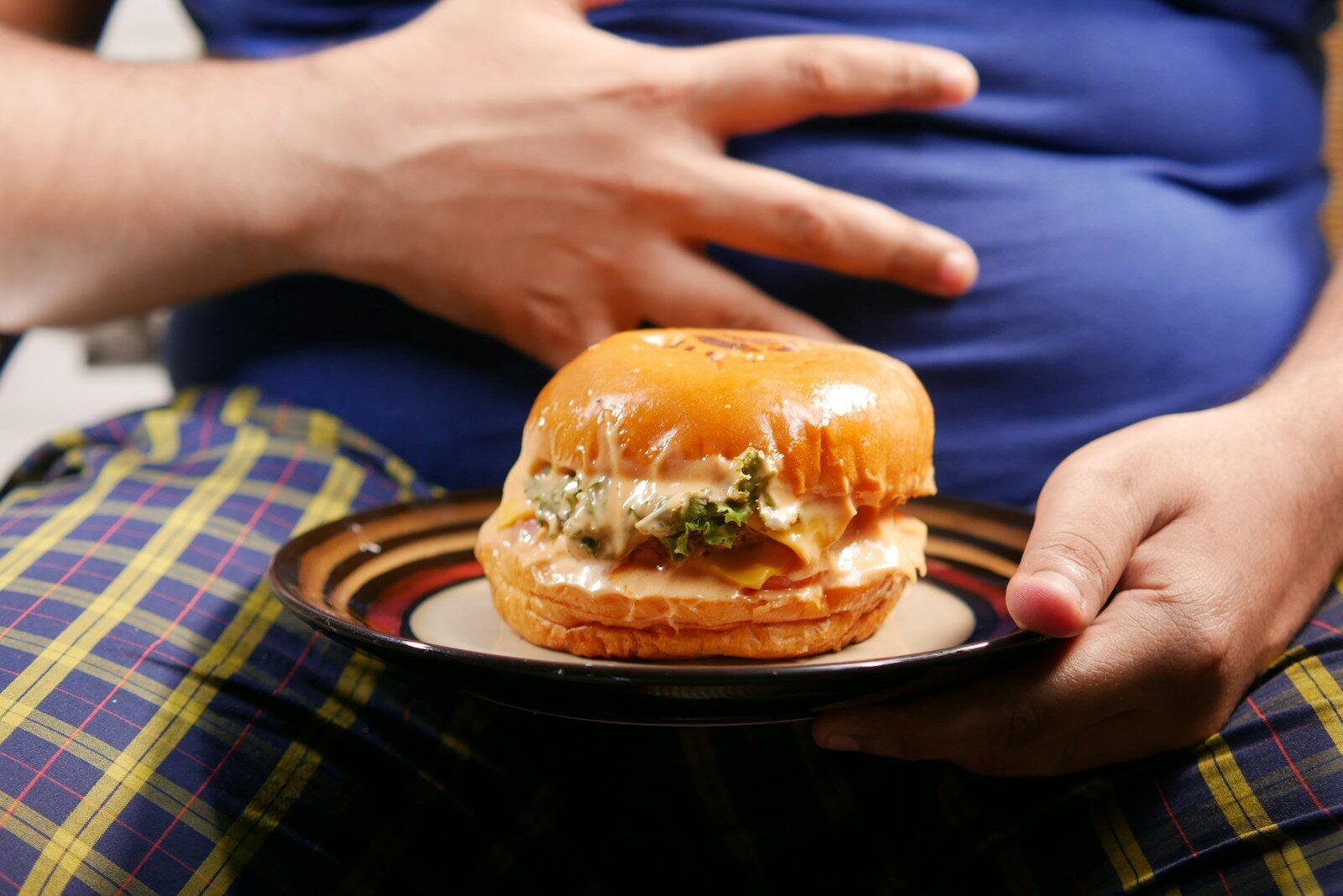
Have you ever finished a meal and then felt unusually full, bloated or uncomfortable because you still could not have a bowel movement?
For some people, constipation seems to become more noticeable after eating. This can lead to common questions such as “Why do I feel constipated after eating?”, “Why does food make me bloated and constipated?”, “Why do I need to poop after eating but can’t?”, “Can eating cause constipation?” and “What should I eat if I am constipated?”
The relationship between eating and bowel movements can be confusing because eating can actually stimulate movement in the colon. At the same time, if you are already constipated, a meal can make existing bloating, fullness or abdominal discomfort much more noticeable.
Constipation generally involves hard, dry or lumpy stools, difficult or painful bowel movements, excessive straining, fewer bowel movements than usual or a feeling that your bowel has not completely emptied.
So if you feel worse after eating, it does not necessarily mean that the food you just ate immediately caused constipation.
In many cases, the constipation was already developing before the meal.
Food takes time to travel through the digestive system. A meal you just ate does not normally turn into stool immediately.
Instead, eating can stimulate movement in the colon. This natural response is one reason some people feel an urge to use the bathroom after breakfast or another meal.
This response can actually be helpful when you’re trying to establish a regular bathroom routine.
If your bowel is already full of stool, however, the increased movement can make you more aware of pressure, bloating or the need to empty your bowel.
That can create the impression that the meal itself caused the constipation.
Your diet still matters, though.
A diet that consistently contains too little fiber can contribute to constipation. Fiber helps increase stool bulk and can make stools easier to pass.
Adults generally need around 22 to 34 grams of fiber per day depending on age and sex, although individual needs can vary.
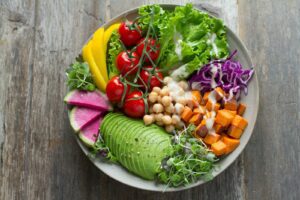
Good sources include fruits, vegetables, whole grains, oats, beans, lentils, chickpeas, nuts and seeds.
You don’t need to eat a huge amount of fiber at your next meal.
Increasing fiber too quickly can cause gas and bloating.
If you currently eat very little fiber, start gradually rather than making an extreme overnight change.
For example, if you rarely eat vegetables, start by adding a serving to one meal.
If you don’t normally eat whole grains, replace one refined grain with a whole-grain option.
You can gradually build your intake rather than making a dramatic change all at once.
Fruits are another simple way to increase fiber.
Apples with the skin, pears, oranges and berries can all contribute fiber to your diet.
Whole fruit is generally more useful for fiber than fruit juice.
If you drink fruit juice, you may get fluid and some nutrients, but you usually won’t get the same amount of fiber as you would from eating the whole fruit.
Prunes can also be useful for some people with constipation.
They contain fiber and naturally occurring compounds that may help promote bowel movements.
You don’t need to consume large quantities.
Too many prunes can cause gas, bloating or diarrhea.
Another important factor is fluid intake.
Adequate fluid helps fiber work better and can help keep stool softer and easier to pass.
However, drinking huge amounts of water will not necessarily eliminate constipation.
Your fluid requirements depend on your body size, physical activity, climate and health.
People who have been instructed to restrict fluids because of a medical condition should follow their healthcare professional’s advice.
The timing of your meals may also influence how your bowel feels.
Some people eat very large meals after going many hours without food.
A large meal can naturally make the stomach and abdomen feel full.
If you are already constipated, that extra fullness may feel like severe bloating or pressure.
Instead of focusing only on meal timing, pay attention to your overall routine.
Are you eating enough fiber?
Are you drinking enough fluids?
Are you active?
Are you regularly ignoring the urge to use the toilet?
Have your bowel habits changed recently?
These questions can be more useful than blaming the last meal you ate.
Another common experience is feeling the urge to poop immediately after eating but being unable to pass stool.
This can happen because eating stimulates colon activity while the stool already present in the colon is hard or difficult to move.
The urge itself is not necessarily a bad sign.
In fact, it can be an opportunity to establish a healthier bathroom routine.
Try to give yourself enough time when you feel the need to go.
Don’t rush through the process.
At the same time, don’t spend a very long time sitting on the toilet and forcing a bowel movement.
A comfortable toilet position may help.
Some people find that placing their feet on a low footstool and raising their knees above their hips makes it easier to pass stool.
The goal is to relax and allow the bowel movement to happen naturally.
Repeated forceful straining isn’t a good long-term strategy.
Constipation can also be affected by physical activity.
If you eat several meals a day but spend most of your waking hours sitting, your overall routine may contribute to constipation.
Regular physical activity can support normal bowel function.
You don’t need an intense exercise program.
A daily walk can be a practical starting point.
Taking short movement breaks during long periods of sitting can also help you stay more active.
If you notice that you feel bloated and constipated after almost every meal, it is worth looking more closely at your eating pattern.
Certain foods can produce more gas when they are fermented by bacteria in the large intestine.
Beans, lentils and some vegetables can increase gas for some people.
That does not mean these foods are unhealthy.
In fact, many of them are excellent sources of fiber.
The key is how your individual digestive system responds.
If you are not accustomed to eating legumes and suddenly start eating large portions every day, you may experience significant gas.
Try smaller portions and increase gradually.
This is especially important because some people mistakenly conclude that fiber is bad for constipation after experiencing bloating when they increase it too quickly.
Fiber can be helpful, but the amount and rate of increase matter.
You may also tolerate cooked vegetables better than very large servings of raw vegetables.
There is no universal rule that everyone with constipation must eat raw salads.
What matters is getting enough fiber in a form you can comfortably tolerate.
Some people also wonder whether rice causes constipation.
Rice itself is not automatically a constipation-causing food.
However, refined white rice contains less fiber than many whole-grain alternatives.
If most of your meals are based on low-fiber refined foods and contain very few vegetables, fruits or legumes, your total fiber intake may be inadequate.
You don’t necessarily need to stop eating white rice.
Instead, consider including more fiber-rich foods alongside it.
The same principle applies to bread and pasta.
Whole-grain versions generally provide more fiber than refined versions.
You can gradually replace some refined choices with whole-grain alternatives.
Another question is whether meat causes constipation.
Meat does not provide dietary fiber.
If someone eats a lot of meat while consuming very few fruits, vegetables, legumes or whole grains, their overall diet may be low in fiber.
The issue is therefore often the composition of the entire meal rather than meat itself.
A balanced meal can contain protein alongside vegetables, whole grains or other fiber-rich foods.
Dairy products can also cause confusion.
Some people experience bloating or gas after consuming dairy because of lactose intolerance.
But dairy does not cause constipation in everyone.
If you notice a consistent relationship between a particular dairy product and your symptoms, discuss the pattern with a healthcare professional rather than automatically eliminating all dairy.
Food intolerance is individual.
Another possibility is that you are eating too quickly.
Eating rapidly can cause you to swallow more air, which may contribute to bloating and belching.
Slowing down, chewing thoroughly and avoiding excessive air swallowing may reduce these symptoms for some people.
This won’t necessarily treat constipation directly, but it may make your digestive symptoms more comfortable.
Carbonated drinks can also contribute to a sensation of gas or bloating in some people.
If you already feel bloated after meals, reducing fizzy drinks may help you determine whether they are contributing to your discomfort.
Again, this doesn’t mean carbonated beverages cause constipation in everyone.
Individual responses differ.
Another factor to consider is meal composition.
A meal containing vegetables, whole grains and legumes is generally more fiber-rich than a meal made primarily from highly processed foods.
If your meals are regularly low in fiber, changing the overall pattern can be more useful than looking for one “constipation food.”
Stress can also influence how your digestive system feels after meals.
Some people notice that bloating, abdominal discomfort and bowel changes become more noticeable during stressful periods.
This doesn’t mean your symptoms are imaginary.
The digestive system and nervous system communicate continuously.
If stress seems to worsen your symptoms, maintaining regular meals, physical activity and sleep can be helpful.
Medication is another possible explanation.
Certain medicines and supplements can cause constipation, including some antacids, iron supplements, opioid pain medicines, certain antidepressants and other medications.
If you notice that constipation began after starting a new medicine, tell your doctor or pharmacist.
Don’t stop a prescribed medication on your own.
A healthcare professional may be able to adjust the dose, change the medicine or recommend another strategy.
Pregnancy can also change bowel habits.
Hormonal changes and other factors can contribute to constipation during pregnancy.
If you are pregnant, speak with your healthcare professional before using laxatives, herbal products or supplements for constipation.
Older adults are also more likely to experience constipation.
Reduced activity, dietary changes, medications and certain health conditions can all contribute.
A new or persistent change in bowel habits in an older adult should not simply be dismissed as part of aging.
One of the most important questions is whether your symptoms happen after every meal or only occasionally.
If it happens occasionally, your meal size, food choices or temporary constipation may be contributing.
If it happens consistently, especially with abdominal pain, bloating or changes in bowel movements, it may be worth getting evaluated.
Conditions such as irritable bowel syndrome can involve abdominal pain and changes in bowel movements, including constipation.
However, you should not diagnose yourself with IBS simply because you feel constipated after eating.
A healthcare professional can look at the pattern of symptoms and determine whether further evaluation is appropriate.
Another common concern is feeling extremely full after a small meal.
Occasional fullness can happen for many reasons.
But persistent early fullness, severe bloating, vomiting or unexplained weight loss deserves medical attention rather than being treated as ordinary constipation.
Your digestive symptoms should be evaluated as a whole.
If you are trying to improve constipation after meals, one of the simplest approaches is to spread fiber across your entire day.
Instead of eating a huge amount of fiber at dinner, include smaller amounts in several meals.
Breakfast could include oats and fruit.
Lunch could include vegetables and lentils.
A snack could include fruit or nuts.
Dinner could include vegetables and a whole-grain carbohydrate.
This type of pattern can make it easier to reach your daily fiber needs without overwhelming your digestive system.
Water should also be distributed throughout the day.
You don’t need to drink huge amounts immediately after a meal.
Adequate hydration throughout the day is generally more practical.
If you increase fiber, make sure you are also getting appropriate fluids so the fiber can work effectively.
If you have a fluid restriction, follow your medical advice.
Some people wonder whether skipping meals can relieve constipation.
There is no general reason to skip meals simply because you are constipated.
Eating can stimulate colon movement, and a regular meal schedule may help establish a predictable bathroom routine.
If large meals make you uncomfortable, smaller balanced meals may be easier to tolerate.
But prolonged fasting is not a standard constipation treatment.
Similarly, a “detox” diet is not necessary to clean out your colon.
Your digestive system naturally moves waste through the gastrointestinal tract.
You do not need special detox drinks to make your bowel healthy.
Some products marketed as colon cleanses contain laxative ingredients and may cause diarrhea, dehydration or other unwanted effects.
Be cautious with online claims that promise to empty your bowel after one meal or one drink.
Constipation has many possible causes.
A remedy that produces diarrhea is not necessarily treating the underlying constipation.
If lifestyle changes aren’t enough, laxatives can sometimes be used.
Different laxatives work in different ways, and the appropriate choice depends on the person and the cause of constipation.
If you need laxatives regularly after meals just to have bowel movements, talk with a healthcare professional.
Repeated constipation may need a more detailed evaluation.
A doctor may ask how often you have bowel movements, what your stools look like, whether you strain, what you eat, how active you are and which medicines or supplements you take.
Keeping a bowel and food diary for several days can be useful.
Write down what you eat, when symptoms occur, whether you experience bloating or pain and what your bowel movements are like.
This may help reveal whether certain meals are associated with symptoms.
It can also give your doctor useful information if you need an appointment.
If you notice constipation after eating fatty or heavy meals, don’t automatically assume that the food has blocked your intestine.
A large meal can increase fullness, and constipation that was already present may make that sensation stronger.
However, severe or persistent abdominal pain, vomiting or inability to pass gas is different and needs urgent medical assessment.
The inability to pass gas is particularly important.
If you are constipated and completely unable to pass gas, especially if you also have significant abdominal swelling, pain or vomiting, seek urgent medical care.
Don’t keep eating or taking home remedies while waiting for the problem to resolve.
Another warning sign is blood in your stool.
Rectal bleeding can have several causes, including hemorrhoids, but it should not automatically be attributed to constipation.
If you see blood in your stool or have unexplained rectal bleeding, seek medical advice.
Unexplained weight loss is another symptom that deserves attention.
Constipation alone does not mean you have a serious disease.
But persistent constipation combined with unexplained weight loss should be medically evaluated.
The same applies to persistent abdominal pain.
Mild discomfort associated with constipation can occur.
Constant or severe abdominal pain is different and requires medical attention.
If your constipation does not improve with self-care, you should also seek professional advice.
It is worth remembering that constipation is common and usually manageable.
You don’t need to become afraid of eating because you are worried that every meal will make you constipated.
Instead, focus on building a diet that supports healthy bowel function.
Choose fiber-rich foods.
Increase fiber gradually.
Drink enough fluids for your individual needs.
Stay physically active.
Eat meals at reasonably regular times.
Respond to the urge to use the bathroom.
And avoid excessive straining.
If certain foods consistently cause bloating, keep track of the pattern rather than immediately eliminating everything.
A varied diet is important.
The goal is not to create a restrictive “constipation diet.”
The goal is to create an eating pattern that gives your body adequate fiber, fluids and nutrients while minimizing foods that clearly make your symptoms worse.
Another useful distinction is between constipation and simply feeling full.
Feeling full after a meal is normal.
Feeling bloated occasionally is also common.
Constipation becomes more likely when you have hard or dry stool, difficulty passing stool, significant straining, incomplete emptying or a noticeable reduction in your usual bowel frequency.
So if you feel full after dinner but have normal, comfortable bowel movements, you may not actually be constipated.
You could be experiencing ordinary post-meal fullness or another digestive issue.
If the feeling is persistent, however, discuss it with a healthcare professional.
Ultimately, food doesn’t usually become constipation immediately after you eat it.
If you feel constipated after a meal, the problem may already have been developing before that meal.
The meal may simply stimulate your colon and make you more aware of the need to have a bowel movement.
That natural response can actually be useful.
Instead of fighting the urge, give yourself time to use the bathroom.
A regular routine after breakfast or another meal may help some people establish more predictable bowel habits.
The bigger picture matters more than one meal.
Your daily fiber intake matters.
Your fluid intake matters.
Your activity level matters.
Your medication list matters.
Your toilet habits matter.
And the duration of your symptoms matters.
If constipation is occasional, improving these habits may be enough.
If it is persistent or recurrent, don’t keep searching for a different food every time.
Find out why it is happening.
Medical evaluation is particularly important when constipation is accompanied by blood in the stool, rectal bleeding, constant abdominal pain, inability to pass gas, vomiting, fever or unexplained weight loss.
For everyday constipation without warning signs, start with the basics.
Build fiber into your meals gradually.
Drink adequate fluids.
Choose a variety of fruits, vegetables, whole grains and legumes.
Stay active.
Don’t ignore bowel urges.
Give yourself enough time to use the toilet.
And remember that healthy bowel movements don’t have to happen immediately after every meal.
Your digestive system has its own rhythm.
The goal is not to force it.
The goal is to support it.
Medical Disclaimer: This article is intended for general educational purposes and does not replace professional medical diagnosis, treatment or individualized medical advice. Constipation and post-meal digestive symptoms can have different causes, and the appropriate approach depends on factors such as age, medications, pregnancy, existing medical conditions and symptom severity. If symptoms are persistent, recurrent or accompanied by warning signs, consult a qualified healthcare professional.