Choosing the right foods can make weight loss easier, but there is no single food that automatically burns body fat. Healthy weight loss is usually the result of an overall eating pattern that provides adequate nutrition while helping you maintain an appropriate calorie intake.
Foods that are rich in protein, fiber, vitamins, minerals, and other nutrients can make meals more satisfying and help you build a diet that is easier to maintain.
If your goal is weight loss, you do not need to completely stop eating your favorite foods. A better approach is to make nutritious foods the foundation of your meals and enjoy higher-calorie foods in appropriate portions.
Weight loss generally occurs when your body uses more energy than it receives from food and beverages over time. However, the amount of food you need is different from person to person.
Your age, sex, height, body weight, activity level, body composition, metabolism, health conditions, and medications can all influence your calorie requirements.
This is why a diet that works for one person may not produce the same results for another.
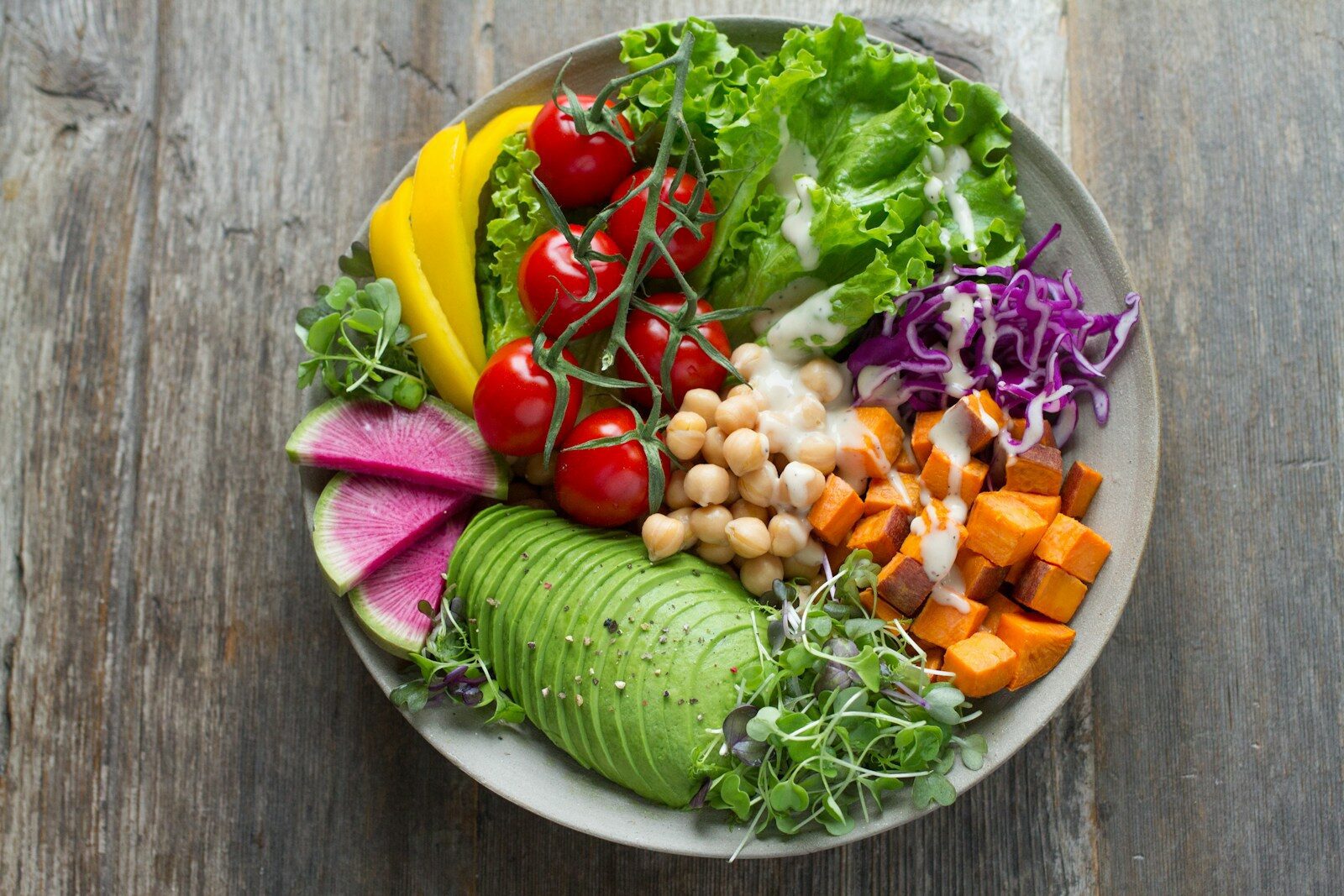
Vegetables are among the most useful foods to include in a weight-loss eating pattern.
Many vegetables contain water and fiber while providing relatively few calories compared with their volume.
This can allow you to eat a satisfying amount of food without consuming excessive energy.
Leafy greens, spinach, cabbage, cauliflower, broccoli, carrots, cucumber, tomatoes, beans, peppers, and other vegetables can be included in meals according to your preferences.
You do not need to eat the same vegetables every day.
Eating a variety of vegetables can help provide different vitamins, minerals, and other beneficial compounds.
You can add vegetables to dal, soups, curries, omelets, sandwiches, wraps, rice dishes, or salads.
The cooking method matters as well.
Vegetables prepared with large amounts of oil, butter, cream, or other calorie-dense ingredients can contain considerably more calories than lightly cooked vegetables.
This does not mean that oil or ghee must be eliminated.
It simply means that portions matter.
Fruits can also be part of a healthy weight-loss diet.
Whole fruits provide fiber, water, vitamins, minerals, and naturally occurring sugars.
Apples, oranges, guava, papaya, watermelon, berries, bananas, pears, and other fruits can all fit into a balanced diet.
There is no need to avoid fruit simply because it contains sugar.
The sugar naturally present in whole fruit is accompanied by fiber and other nutrients.
Whole fruit is generally a more useful choice than relying heavily on sugary beverages or highly processed snacks.
Fruit juice is different from whole fruit because it is easier to consume a large amount quickly and may contain less fiber depending on how it is prepared.
If you enjoy juice, consider portion size and the rest of your diet rather than assuming that all fruit-based drinks are automatically healthy.
Protein-rich foods are particularly useful during weight management.
Protein supports muscle, tissues, enzymes, hormones, and many other functions in the body.
It can also make meals more satisfying for many people.
Eggs are one convenient source of protein.
They can be prepared in several ways and combined with vegetables for a filling meal.
The way eggs are cooked can influence calorie intake.
An egg cooked with a small amount of oil is different from a dish containing several eggs, large amounts of butter, cheese, and other calorie-dense ingredients.
Dal is another important food for many Indian households.
Lentils provide protein, fiber, carbohydrates, vitamins, and minerals.
Dal can be combined with vegetables and an appropriate portion of rice or roti to create a balanced meal.
Different types of lentils and pulses can add variety to your diet.
Beans are also useful.
Rajma, chickpeas, black beans, and other legumes provide fiber and plant-based protein.
Because they can be filling, they can work well as part of a calorie-conscious eating pattern.
Portions still matter because legumes also contain calories and carbohydrates.
Curd and yogurt can provide protein and other nutrients.
Plain curd can be a useful addition to meals.
Flavored yogurts can sometimes contain significant amounts of added sugar, so checking the nutrition information can be helpful when choosing packaged products.
Greek yogurt generally contains more protein than traditional yogurt, although the nutritional content varies by product.
Paneer can also be included in a weight-loss diet.
It provides protein and calcium, but it can also be relatively calorie-dense because of its fat content.
You do not have to avoid paneer.
Instead, use an appropriate portion and balance it with vegetables and other foods.
Tofu is another option, particularly for people who prefer plant-based foods.
It can be used in curries, stir-fries, salads, wraps, and other meals.
Fish can provide protein and, depending on the type, beneficial fats.
Grilled, baked, steamed, or lightly cooked fish can fit into a healthy diet.
Deep-fried fish can contain considerably more calories because of the added oil.
Chicken can also be included in a weight-management diet.
Choosing leaner preparations and controlling portions can help keep the overall meal balanced.
Chicken does not automatically become a weight-loss food simply because it is high in protein.
Creamy sauces, frying, large portions, and high-calorie sides can substantially increase the calorie content.
Whole grains can also be useful.
Whole-wheat roti, oats, brown rice, barley, millet, and other whole grains can provide carbohydrates along with fiber and other nutrients.
You do not need to eliminate carbohydrates to lose weight.
Carbohydrates provide energy and can be part of a balanced diet.
The amount you need depends on your individual requirements and activity level.
Rice can absolutely be part of a weight-loss diet.
Many people unnecessarily remove rice because they believe it automatically causes weight gain.
The issue is usually not the existence of rice in the diet but the total amount and what is eaten alongside it.
An appropriate portion of rice combined with dal, vegetables, and a protein source can form a balanced meal.
Roti can be treated similarly.
You do not need to completely stop eating roti.
Portion size, ingredients, cooking methods, and your overall calorie intake matter.
If you are trying to reduce calorie intake, large amounts of butter, ghee, or oil added to roti can make a significant difference.
Oats are another commonly used food for weight management.
They provide carbohydrates and fiber and can be combined with yogurt, fruit, milk, nuts, or seeds.
However, flavored instant oats or packaged oat products may contain added sugar and other ingredients.
Check the label when necessary.
Nuts and seeds can also be nutritious.
Almonds, walnuts, pistachios, chia seeds, flaxseeds, pumpkin seeds, and similar foods can provide healthy fats, protein, fiber, vitamins, and minerals.
However, they are calorie-dense.
A small amount can contain a substantial amount of energy.
This is why eating large handfuls simply because nuts are considered healthy may make it harder to maintain a calorie deficit.
Use appropriate portions.
Chia seeds are often promoted online as a special fat-burning food.
They do not directly melt body fat.
Their fiber and nutritional content can make them a useful part of a balanced diet, but overall calorie intake still matters.
Flaxseeds can similarly be included as a source of fiber and healthy fats.
They should not be treated as a replacement for a balanced diet.
Avocado is another nutrient-rich food that contains healthy fats and fiber.
It can fit into a weight-loss diet, but portion size remains important because it is energy-dense.
The same principle applies to peanut butter.
Natural peanut butter can provide protein and healthy fats, but it is easy to consume large quantities.
A spoonful and half a jar are obviously very different amounts.
Food labels can help you understand serving sizes.
Another useful category is foods that provide plenty of volume for relatively fewer calories.
Vegetable soups can be one example.
A broth-based vegetable soup may provide a satisfying amount of food without being extremely calorie-dense.
Cream-based soups can be substantially higher in calories.
Salads can also be useful.
However, a salad is not automatically low in calories.
Large amounts of creamy dressing, cheese, fried toppings, croutons, mayonnaise, or other calorie-dense ingredients can turn a salad into a high-calorie meal.
A balanced salad can include vegetables, an appropriate protein source, and a moderate amount of dressing.
Potatoes are another food that people often unnecessarily avoid during weight loss.
Potatoes themselves are not inherently responsible for weight gain.
Boiled, baked, or otherwise simply prepared potatoes can fit into a healthy eating pattern.
Deep-fried potatoes and heavily loaded potato dishes are different because preparation can add substantial calories.
Sweet potatoes can also be included.
They provide carbohydrates, fiber, and several nutrients.
Again, portion size and preparation matter more than labeling the food as a “fat-burning” food.
Popcorn can be another useful snack when prepared appropriately.
Plain or lightly seasoned popcorn can provide volume and fiber.
Popcorn covered in large amounts of butter, sugar, caramel, or other calorie-dense ingredients can be very different.
The same food can therefore have very different calorie content depending on preparation.
Soups, vegetables, fruit, and other high-volume foods can be useful when you want meals that feel substantial.
However, you still need adequate protein and other nutrients.
Eating only low-calorie vegetables is not a complete long-term diet.
A healthy weight-loss plan should provide enough nutrients to support your body.
Protein is especially important when reducing calorie intake.
Appropriate protein intake can help support muscle during weight loss.
Resistance training can also help maintain muscle and strength.
This is one reason weight loss should not be approached as simply making the scale number smaller.
Body composition matters.
The goal is generally to reduce excess body fat while supporting muscle, strength, and overall health.
Fiber is another important part of a healthy eating pattern.
Vegetables, fruits, whole grains, beans, lentils, nuts, and seeds can all provide fiber.
Fiber can help make meals more filling and supports normal digestive health.
If your current diet contains very little fiber, increase it gradually and drink adequate fluids according to your individual needs.
Some people experience gas or bloating when they suddenly increase fiber.
Water is an important beverage choice during weight management.
Replacing sugary drinks with water can reduce calorie intake for people who regularly consume sweetened beverages.
Water does not directly burn fat.
Its benefit comes from hydration and from replacing higher-calorie beverages.
Unsweetened tea and coffee can also fit into many eating patterns.
However, sugar, cream, flavored syrups, whipped cream, and other additions can significantly increase calories.
You do not need to completely stop drinking tea or coffee.
Pay attention to what you add to them.
Traditional Indian beverages can also vary significantly in calorie content.
A plain tea with little or no added sugar is different from a large sweetened milk tea.
A homemade lassi without added sugar can be different from a commercially prepared sweetened lassi.
Understanding these differences can help you make informed choices.
One of the biggest problems with weight-loss diets is unnecessary restriction.
People often create long lists of foods they believe they can never eat again.
This can make the diet stressful and difficult to maintain.
A sustainable approach allows flexibility.
You can enjoy favorite foods occasionally while keeping your overall eating pattern balanced.
The goal is not to create a diet that works for seven days.
It is to create habits that can continue for months and years.
You should also be careful about foods marketed specifically for weight loss.
“Fat-burning” cookies, teas, powders, drinks, and supplements often make impressive claims.
A food does not become a weight-loss treatment simply because its packaging says “slimming.”
Look at the actual nutritional information and the evidence behind the claim.
There is no single food that can replace an appropriate calorie intake and healthy lifestyle.
Green tea is sometimes promoted as a powerful fat burner.
It can be part of a healthy diet, but the effect of green tea on body weight is not large enough to replace diet and physical activity.
Similarly, lemon water is often marketed as a detox or fat-burning drink.
Adding lemon to water can make it more enjoyable, but lemon water does not selectively burn abdominal fat.
You can drink it if you like it, but do not rely on it as a weight-loss treatment.
Apple cider vinegar is another popular example.
It has become associated with weight-loss claims online, but it should not be treated as a miracle solution.
Drinking concentrated vinegar can irritate the mouth, throat, or digestive system and may interact with certain medicines.
If you use it as part of your diet, discuss it with a healthcare professional if you have relevant medical conditions or take medication.
The same caution applies to herbal weight-loss products.
“Natural” does not automatically mean safe.
Some supplements can contain active ingredients that interact with medications or cause side effects.
People who are pregnant, breastfeeding, taking medication, or managing a medical condition should be particularly careful.
Another common misconception is that eating after a certain time causes automatic weight gain.
There is no universal clock time at which food suddenly becomes fat.
Overall energy intake and eating patterns matter.
However, late-night eating can become problematic when it involves frequent high-calorie snacks or large portions.
If you regularly become very hungry at night, consider whether you are eating enough nutritious food earlier in the day.
You should also consider whether you are skipping meals and then compensating later.
Regular meal patterns work well for many people.
Others prefer time-restricted eating.
There is no single schedule that everyone must follow.
The important issue is whether your eating pattern provides adequate nutrition and supports a sustainable calorie intake.
Another common mistake is assuming that healthy foods can be eaten without limits.
Nuts are healthy but calorie-dense.
Paneer can be nutritious but energy-dense.
Olive oil can be a healthy fat but still contains calories.
Avocado provides useful nutrients but also contains substantial energy.
Healthy does not mean calorie-free.
Portion awareness remains important.
You can use simple visual cues if you do not want to count calories.
Try making vegetables a substantial part of your meal.
Include an appropriate protein source.
Add a suitable portion of carbohydrates.
Use calorie-dense fats and sauces in moderate amounts.
The exact proportions can vary depending on your individual needs.
Food quality and calorie intake should be considered together.
A person can lose weight while eating highly processed foods if their overall energy intake is low enough, but that does not mean such a diet is ideal for long-term health.
A diet that provides adequate protein, fiber, vitamins, minerals, and other nutrients is generally more supportive of overall health.
Your eating pattern should also be enjoyable.
If you dislike all the foods in your diet, maintaining it for a long period will be difficult.
Use spices and herbs to make nutritious foods more enjoyable.
Indian cuisine offers a wide range of vegetables, legumes, grains, herbs, and spices that can be used to create flavorful meals without relying entirely on heavy sauces.
Cooking at home can make it easier to control ingredients and portions.
This does not mean restaurant food is forbidden.
Eating outside occasionally can fit into a healthy lifestyle.
When eating at a restaurant, consider the portion size.
Be aware of fried foods and creamy sauces.
Choose vegetables or other nutritious sides when available.
Pay attention to sugary drinks.
You can also share larger dishes when appropriate.
The goal is not to make every restaurant visit stressful.
It is to make reasonable choices.
Meal preparation can help when your schedule is busy.
If you already have nutritious foods available, you are less likely to rely on convenience foods when you become hungry.
You can prepare basic ingredients in advance.
Cook some vegetables.
Prepare dal.
Keep fruit available.
Store appropriate protein sources.
Keep curd or yogurt available.
These small preparations can make healthy eating easier.
Snacks can also be planned.
If you become hungry between meals, fruit, plain yogurt, boiled eggs, vegetables, roasted legumes, or other nutritious options can fit into a balanced diet.
The appropriate snack depends on your overall calorie and nutritional needs.
You do not have to snack if you are not hungry.
Some people prefer three meals.
Others prefer smaller meals with snacks.
Both can work.
Your total eating pattern matters more than following a specific number of meals.
Physical activity should complement your food choices.
Walking, cycling, swimming, running, dancing, home workouts, and strength training can all contribute to an active lifestyle.
Adults are generally encouraged to get at least 150 minutes of moderate-intensity aerobic activity each week along with muscle-strengthening activities on at least two days per week.
If you currently do very little activity, build gradually.
You do not need to start with an intense workout.
Walking can be enough to begin.
As your fitness improves, you can increase duration or intensity.
Strength training can also be performed at home.
Bodyweight exercises, resistance bands, and weights can all be useful.
Maintaining muscle during weight loss is important for strength and physical function.
Exercise should not be treated as punishment for eating.
It should be a normal part of a healthy lifestyle.
Sleep and stress management also matter.
A person who sleeps poorly and experiences high stress may find it harder to maintain healthy eating and activity habits.
A consistent sleep schedule can support your overall routine.
Stress-management strategies can also help.
These might include walking, exercise, hobbies, relaxation practices, social connection, or professional support.
Weight loss should not become an obsession.
If counting every calorie makes you anxious, you may prefer portion control and healthier food choices.
If weighing yourself every day creates stress, you can use less frequent measurements.
Your approach should support your mental and physical health.
If you have a history of an eating disorder, talk with an appropriate healthcare professional before starting a calorie-restricted diet or weight-loss program.
The scale can fluctuate even when you are doing everything correctly.
Water retention can change after a salty meal.
Carbohydrate intake can influence stored water.
Digestive contents can affect your weight.
Hormonal changes can also affect the scale.
This is why short-term fluctuations should not automatically lead to major changes in your diet.
Look at trends over time.
Your waist measurement can provide another way to monitor changes.
The way your clothes fit can also provide useful information.
Fitness improvements matter too.
If you can walk longer, climb stairs more easily, or perform more repetitions during strength training, those are meaningful improvements.
Health is more than a number on a scale.
You should also remember that weight loss does not happen at exactly the same speed for everyone.
Starting weight, calorie intake, activity, genetics, sleep, medications, health conditions, and other factors influence results.
Comparing yourself with someone else can create unrealistic expectations.
A person on social media may have a completely different starting point and lifestyle.
Focus on your own progress.
If your weight stops changing for several weeks, review your current habits.
Your calorie needs may have changed as your weight decreased.
Portions may have gradually increased.
Weekend eating may be offsetting weekday efforts.
Activity may have decreased.
Sleep or stress may have changed.
Review these factors before making extreme dietary changes.
A weight-loss plateau does not automatically mean that your metabolism is damaged.
The body can adapt to weight loss, and maintaining a lower body weight generally requires less energy than maintaining a higher weight.
This is normal physiology.
If you have been consistently following a reasonable plan but are experiencing unexpected weight changes, discuss the situation with a healthcare professional.
Medical conditions and medicines can sometimes affect weight.
Do not stop or change prescribed medicines without professional guidance.
People with diabetes should be particularly careful with major dietary changes.
Reducing food intake while using certain glucose-lowering medicines can increase the risk of low blood sugar.
Speak with your healthcare professional before making major changes.
People with kidney disease may also need individualized dietary advice, particularly regarding protein, sodium, potassium, and fluid.
Pregnant and breastfeeding individuals have different nutritional needs and should not follow generic weight-loss diets without professional guidance.
Children and teenagers should also not follow adult calorie-restriction plans without appropriate medical or nutrition supervision.
If you are considering a very low-calorie diet, seek professional advice.
Very restrictive diets can make it difficult to meet nutritional needs and may not be sustainable.
Some medically supervised low-calorie approaches are used for specific patients, but this is different from independently starving yourself.
The best foods for weight loss are therefore not necessarily exotic foods.
They are foods that help you create a nutritious and sustainable eating pattern.
Vegetables can add volume.
Fruits can provide fiber and nutrients.
Legumes can provide protein and fiber.
Eggs, dairy products, fish, chicken, tofu, and other protein sources can support nutritional needs.
Whole grains can provide carbohydrates and fiber.
Nuts and seeds can provide healthy fats and nutrients when eaten in appropriate portions.
Water can replace high-calorie beverages.
Together, these choices can make a healthy eating pattern easier to maintain.
The key is not to search for a food that burns fat.
Instead, build meals that keep you satisfied and provide the nutrients your body needs.
Choose foods you enjoy.
Control portions.
Reduce frequent sugary beverages.
Limit highly processed foods without assuming they must be completely forbidden.
Stay active.
Sleep adequately.
Manage stress.
Give the process time.
Natural weight loss is rarely about one dramatic change.
It is usually the result of many small decisions repeated consistently.
You do not need to remove every carbohydrate.
You do not need to stop eating after a particular time.
You do not need to drink detox beverages.
You do not need expensive supplements.
You do not need a perfect diet.
You need an eating pattern that supports your health and can realistically fit into your life.
If you are trying to lose weight, start with your current habits.
Identify one meal that could be improved.
Replace one sugary drink with water.
Add vegetables to another meal.
Choose a protein source.
Take a daily walk.
Make your portions more appropriate.
Improve your sleep.
Then continue building from there.
Small changes can become normal habits.
And normal habits are easier to maintain than extreme diets.
The goal is not simply to lose weight quickly.
The goal is to develop healthier eating and activity patterns that can continue after you reach your target.
That is what makes weight management sustainable.
If you have overweight or obesity and are struggling to lose weight, professional support can be valuable.
A doctor or registered dietitian can help evaluate your individual calorie needs, medical history, medications, nutritional requirements, and realistic goals.
Some people may also benefit from structured weight-management programs or medical treatments when appropriate.
The right approach depends on the individual.
Ultimately, there is no single “best food” for weight loss.
The best choices are the foods that help you build a balanced, nutritious, satisfying, and sustainable diet.
Focus on the overall pattern rather than one ingredient.
Choose nutritious foods most of the time.
Enjoy your favorite foods in reasonable portions.
Stay active.
Take care of your sleep.
Manage stress.
And be patient with the process.
Healthy weight loss is not about eating as little as possible.
It is about giving your body the nutrition it needs while creating sustainable habits that support a healthy weight and better overall health.
Medical sources: National Institute of Diabetes and Digestive and Kidney Diseases (NIDDK), guidance on healthy eating, physical activity, and weight management. NIDDK Weight Management Resources
Centers for Disease Control and Prevention (CDC), guidance on healthy weight loss, physical activity, sleep, and lifestyle habits. CDC Healthy Weight