Constipation can turn an ordinary day into an uncomfortable one.
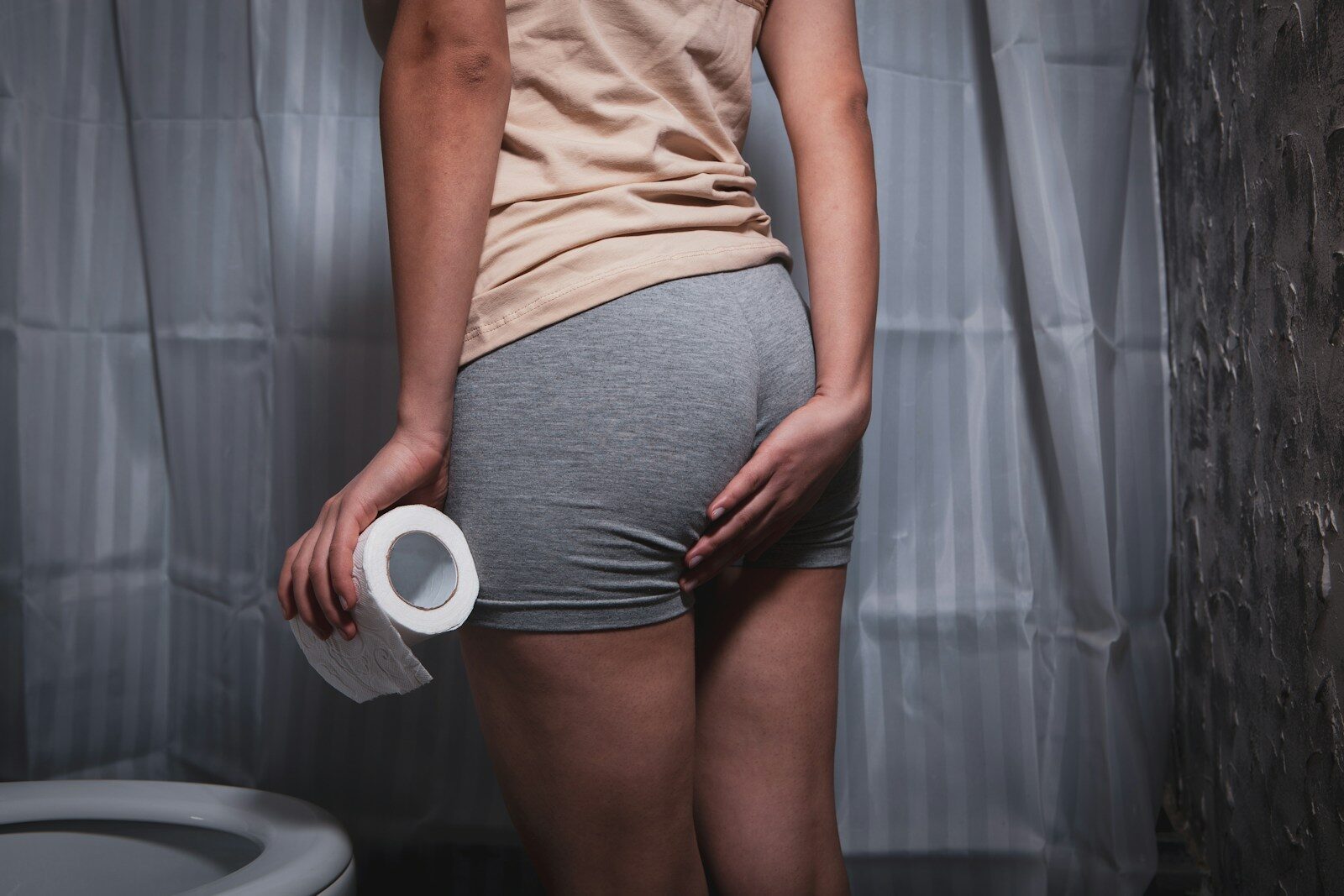
You sit on the toilet, feel like you need to go, but nothing happens. Or perhaps you finally pass stool, but it is hard, dry and painful. Sometimes you may feel bloated afterward and still have the frustrating sensation that your bowel has not completely emptied.
If you are searching for a natural way to relieve constipation, you are certainly not alone. Constipation is extremely common and can happen to people of all ages. It may be caused by something as simple as a change in your diet or daily routine, but it can also be related to medicines, pregnancy, reduced physical activity or an underlying health condition.
The encouraging part is that many uncomplicated cases improve with basic dietary and lifestyle changes.
But there is an important distinction between supporting healthy bowel movements naturally and promising an instant “cure.”
There is no single food, drink or home remedy that works for everyone.
Instead, the most useful approach is to understand why constipation happens and then address the factors that may be contributing to it.
This article explains 15 practical ways to improve constipation naturally, the foods that can help, mistakes that can make symptoms worse, when laxatives may be appropriate and when constipation needs medical attention.
First, What Actually Counts as Constipation?
Before looking for a remedy, it helps to understand what constipation actually means.
Constipation is not simply “not pooping every day.”
People naturally have different bowel patterns. Some people have bowel movements several times a day, while others may normally go less frequently.
Constipation commonly involves fewer than three bowel movements per week, hard or dry stools, painful or difficult bowel movements, excessive straining or the feeling that the bowel has not completely emptied.
That means someone could have a bowel movement every day and still be constipated if the stool is consistently hard and difficult to pass.
On the other hand, someone who does not have a bowel movement every day may not be constipated if that is their normal pattern and the stool passes comfortably.
So instead of asking only, “How many times did I poop this week?” consider the complete picture.
Is your stool unusually hard?
Are you straining?
Does going to the bathroom hurt?
Do you feel blocked?
Do you regularly feel that you haven’t completely emptied your bowel?
These details can be more useful than frequency alone.
1. Gradually Increase Your Fiber Intake
If you want one of the most important dietary strategies for constipation, start with fiber.
Fiber can add bulk to stool and help make bowel movements easier. Adults generally need around 22 to 34 grams of fiber per day depending on age and sex, although individual needs can vary.
The key word is gradually.
Imagine someone who normally eats very little fiber suddenly starts eating huge quantities of bran, beans, raw vegetables and fruit.
Instead of immediately feeling better, they might experience gas, bloating and abdominal discomfort.
That is why a gradual increase is generally more sensible.
You can start by adding one additional fiber-rich food to a meal.
For example, you could add oats at breakfast, fruit as a snack or lentils and vegetables to lunch.
Over time, you can build a consistently fiber-rich diet.
What Foods Are High in Fiber?
Useful choices include:
- Oats
- Whole-grain bread
- Brown rice
- Lentils
- Chickpeas
- Beans
- Apples with the skin
- Pears
- Oranges
- Berries
- Carrots
- Broccoli
- Green peas
- Almonds and other nuts
- Seeds
NIDDK specifically lists whole grains, legumes, fruits, vegetables and nuts among good sources of dietary fiber.
You do not need to eat all of these foods every day.
The goal is variety.
2. Drink Enough Fluids
Fiber and fluids work together.
When you increase fiber, adequate fluid intake becomes particularly important because fluids help fiber work properly and can help make stool softer and easier to pass.
This is why someone who dramatically increases fiber while drinking very little may not get the result they expected.
Instead, make hydration part of your daily routine.
Water is an obvious choice, but other fluids can contribute as well.
Your individual fluid needs depend on factors such as your body size, physical activity, environment and health status.
For example, someone exercising outdoors in hot weather may need more fluid than someone sitting indoors all day.
And if a doctor has told you to restrict fluids because of a medical condition, follow that individualized advice rather than blindly increasing your water intake.
3. Don’t Ignore the Urge to Use the Toilet
This sounds simple, but it is surprisingly important.
You may be busy at work.
You may be traveling.
You may be in a public place.
You may think, “I’ll go later.”
Doing that occasionally is understandable.
But repeatedly ignoring the urge to have a bowel movement can contribute to constipation.
NHS guidance recommends not delaying when you feel the need to go.
When you feel the urge, try to give yourself enough time and privacy to use the bathroom comfortably.
You don’t need to force anything.
The objective is to respond to your body’s signal rather than repeatedly suppressing it.
4. Create a Regular Bathroom Routine
If your bowel movements are unpredictable, establishing a routine may help.
One practical time to try is after breakfast.
Why?
Eating stimulates activity in the digestive tract, and NIDDK notes that attempting a bowel movement around 15 to 45 minutes after breakfast may help because eating can stimulate movement of the colon.
This doesn’t mean you must have a bowel movement every morning.
It simply gives your body a consistent opportunity.
Give yourself enough time.
Avoid rushing.
And most importantly, don’t sit there for a long period aggressively straining.
5. Try a More Comfortable Toilet Position
Your position on the toilet can affect how comfortable bowel movements feel.
NIDDK suggests that some people may find it more comfortable to place their feet on a footstool. NHS guidance similarly recommends using a low stool so that the knees are raised above the hips.
The idea is to create a position that makes passing stool easier and reduces the need for excessive straining.
You don’t need expensive equipment.
A stable, appropriately sized footstool may be enough.
Most importantly, never use an unstable object that could cause you to fall.
6. Walk More
If you spend most of your day sitting, adding more movement may help.
Regular physical activity is recommended as part of constipation management.
You don’t necessarily need a gym membership.
A daily walk can be a practical starting point.
You could walk after meals, take short walking breaks during work or simply increase your daily movement.
The important thing is consistency.
Someone who walks for 20 to 30 minutes most days may benefit more from that sustainable habit than from an intense workout performed once every two weeks.
If you have a health condition that limits physical activity, choose an appropriate activity after discussing it with your healthcare professional.
7. Eat More Fruits
Fruit can be an easy way to increase dietary fiber.
Instead of thinking about fruit as a special “constipation medicine,” think about it as part of your regular diet.
Apples with their skin, pears, oranges and berries are among the fruits listed by NIDDK as fiber sources.
Some fruits also contain naturally occurring sugars such as sorbitol, which can have a bowel-stimulating effect in some people.
NHS guidance specifically mentions fruits such as apples, apricots, grapes, raspberries and strawberries among foods that may be useful when dealing with constipation.
The response varies from person to person.
If a particular fruit causes bloating or discomfort, you don’t need to force yourself to eat it.
There are plenty of other fiber-rich options.
8. Consider Prunes
Prunes are one of the most commonly discussed natural foods for constipation.
They contain fiber and naturally occurring compounds that may help bowel movements.
For some people, prunes or prune juice can be a useful part of their constipation strategy.
However, don’t make the mistake of assuming that more is automatically better.
Large quantities may cause gas, bloating or diarrhea.
Start reasonably and see how your body responds.
And remember that prunes are a food, not a replacement for medical evaluation if constipation is persistent or severe.
9. Add Whole Grains to Your Diet
If most of your meals are based on refined grains, switching some choices to whole grains can increase your fiber intake.
Examples include:
- Oatmeal
- Whole-wheat bread
- Whole-grain pasta
- Brown rice
- Bran-based cereals
NIDDK lists whole grains such as whole-wheat bread and pasta, oatmeal and bran cereals as fiber-rich choices.
You don’t have to change everything overnight.
Start with one meal.
For example, replace refined bread with whole-grain bread or choose oatmeal instead of a low-fiber breakfast.
Small sustainable changes are easier to maintain.
10. Eat More Beans, Lentils and Chickpeas
Legumes are another excellent source of dietary fiber.
Lentils, chickpeas, black beans, kidney beans and soybeans are all listed by NIDDK as fiber-rich foods.
They can be particularly useful because they can be incorporated into ordinary meals.
You might add lentils to a soup, chickpeas to a salad or beans to a vegetable-based meal.
If you are not used to eating legumes, introduce them gradually.
A sudden large increase may cause gas or bloating.
11. Don’t Build Your Diet Around Low-Fiber Processed Foods
One reason constipation can become persistent is that the overall diet contains too little fiber.
Many highly processed foods provide little fiber.
NIDDK recommends limiting foods with little or no fiber when trying to prevent or relieve constipation, including many processed foods, fast foods and some prepared foods.
This does not mean you can never eat your favorite snack.
It means those foods shouldn’t consistently replace fiber-rich foods.
Instead of asking, “Which single food should I stop eating?” ask:
“What does most of my diet look like?”
That question is usually more useful.
12. Pay Attention to Medicines and Supplements
Sometimes constipation has little to do with what you eat.
Certain medicines and supplements can cause or worsen constipation.
NIDDK lists several examples, including some antacids, anticonvulsants, calcium channel blockers, diuretics, iron supplements, medicines for Parkinson’s disease, narcotic pain medicines and some antidepressants.
This is especially worth considering if your constipation started soon after beginning a new medication or supplement.
But don’t stop a prescribed medicine on your own.
Instead, tell your doctor or pharmacist about the change.
They may be able to adjust the treatment, change the dose or recommend another approach.
13. Don’t Assume Every Constipation Remedy Online Is Safe
Search for constipation remedies online and you’ll find hundreds of recommendations.
Some involve drinks.
Others involve oils, herbs, supplements or combinations of household ingredients.
The problem is that “natural” doesn’t automatically mean safe or effective.
A remedy can interact with medication, cause diarrhea or dehydration, worsen another digestive problem or simply delay appropriate medical treatment.
A better strategy is to prioritize measures supported by established medical guidance: adequate fiber, appropriate fluid intake, physical activity, healthy toilet habits and appropriate medical treatment when necessary.
14. Understand When a Laxative May Be Appropriate
Sometimes lifestyle changes aren’t enough.
That doesn’t mean you’ve failed.
Laxatives are medicines designed to help relieve constipation, and several types are available.
NIDDK describes options including fiber supplements, osmotic agents, stool softeners, lubricants and stimulant laxatives.
Different types work differently.
That’s why choosing a laxative should not simply be based on whichever product is trending online.
For many adults, lifestyle changes are recommended before laxatives. NHS guidance says pharmacists can help select an appropriate laxative when dietary and lifestyle changes aren’t working, and most laxatives are intended for short-term use unless a healthcare professional advises otherwise.
If you regularly need laxatives to have bowel movements, talk to a healthcare professional.
15. Find the Reason Behind Repeated Constipation
This may be the most important point of the entire article.
If constipation happens once after travel or a temporary change in routine, you may not need a complicated explanation.
But if you are constantly asking:
“Why am I always constipated?”
“Why do I need laxatives?”
“Why is my stool always hard?”
“Why do I feel blocked?”
then it is worth looking deeper.
Constipation can result from diet, inadequate fluid intake, inactivity, ignoring bowel urges, medications, pregnancy, age-related changes and certain medical conditions.
Some people may also have problems involving the pelvic floor muscles or the movement of stool through the colon.
In those cases, simply eating more fruit may not solve the underlying problem.
What Should You Eat in a Day If You Are Constipated?
There is no single perfect constipation diet.
However, you can build meals around fiber-rich foods.
For breakfast, you might choose oatmeal with fruit.
For lunch, you could have vegetables with whole grains and lentils or beans.
For an afternoon snack, fruit or a small serving of nuts may work.
For dinner, include vegetables and a fiber-rich carbohydrate source.
The goal isn’t to create an extreme “detox.”
It is to make fiber-rich foods a normal part of everyday eating.
NIDDK recommends adults generally obtain 22 to 34 grams of fiber daily depending on age and sex and advises increasing fiber gradually.
What Should You Avoid Doing When Constipated?
Some habits can make the situation more frustrating.
Don’t repeatedly ignore the urge to use the toilet.
Don’t suddenly consume enormous amounts of fiber.
Don’t sit on the toilet for long periods continuously straining.
Don’t take increasingly large amounts of laxatives because the first dose didn’t work immediately.
Don’t assume severe abdominal pain is simply constipation.
And don’t ignore blood in your stool or unexplained weight loss.
These aren’t just general precautions.
They are important because constipation sometimes has causes that require medical assessment.
Can Constipation Go Away on Its Own?
Yes, many short episodes of constipation improve with simple lifestyle changes.
NHS guidance notes that people may notice improvement within a few days, although sometimes symptoms can take longer to settle.
The important question is what happens next.
If your bowel habits return to normal, that’s reassuring.
If constipation repeatedly returns, becomes chronic or fails to improve despite reasonable measures, don’t keep repeating the same home remedy indefinitely.
Talk to a healthcare professional.
Is It Necessary to Poop Every Day?
No.
Daily bowel movements are not a universal requirement.
People naturally have different bowel patterns.
The more useful question is whether your current bowel pattern is normal for you and whether stools pass comfortably.
Constipation is more concerning when there is a combination of infrequent bowel movements, hard or dry stool, painful or difficult passage and incomplete evacuation.
Why Is My Stool Hard Even Though I Drink Water?
Hydration is only one part of the equation.
You may drink a reasonable amount of water but still have constipation because of low fiber intake, low physical activity, medications, ignoring bowel urges or another underlying cause.
The consistency of your stool is influenced by how quickly material moves through the digestive tract and how much water is absorbed.
So if increasing water hasn’t solved the problem, don’t automatically assume you need to drink dramatically more.
Look at the complete picture.
Why Do I Feel Bloated When I’m Constipated?
Bloating and abdominal discomfort can accompany constipation.
When bowel movements are less frequent and stool is difficult to pass, you may feel uncomfortable or full.
But bloating isn’t always caused by constipation.
If you are frequently bloated even when your bowel movements are normal, or if bloating is severe or associated with other symptoms, discuss it with a healthcare professional.
Can Constipation Cause Back Pain?
Constipation can sometimes occur alongside discomfort in different parts of the abdomen and body.
However, lower back pain occurring with constipation deserves more attention, particularly if it is significant or accompanied by other warning signs.
NIDDK includes lower back pain among symptoms that warrant prompt medical attention when occurring with constipation.
Don’t assume every episode of back pain is simply because you haven’t had a bowel movement.
Can Constipation Cause Nausea?
Constipation can be accompanied by nausea.
But nausea becomes more concerning when it is severe, persistent or accompanied by vomiting, significant abdominal pain or inability to pass gas.
Those combinations can require urgent assessment rather than another home remedy.
What If Constipation Is Severe and Nothing Is Coming Out?
This is an important situation to handle carefully.
If you feel severely blocked and cannot pass stool, don’t continuously force yourself to strain.
If you also cannot pass gas, have persistent abdominal pain, vomiting, fever, rectal bleeding or unexplained weight loss, seek urgent medical attention.
Long-term constipation can sometimes lead to fecal impaction, where hardened stool becomes stuck in the rectum. NHS notes that treatment may involve stronger laxatives, suppositories, enemas or professional removal depending on the situation.
Do not attempt to manually remove impacted stool yourself.
When Should You Stop Treating Constipation at Home?
Self-care is reasonable for many uncomplicated episodes.
But there is a point where professional assessment becomes more appropriate.
Speak with a healthcare professional if your constipation:
- Keeps returning
- Does not improve with self-care
- Is becoming progressively worse
- Is associated with a sudden change in bowel habits
- Is accompanied by persistent bloating
- Occurs with unexplained weight loss
- Is accompanied by blood in your stool
- Occurs with ongoing abdominal pain
- Is associated with persistent tiredness
- May be caused by a medication
NHS lists these situations among reasons to seek medical advice.
Constipation Red Flags You Should Never Ignore
Most constipation is not an emergency.
However, certain symptoms should change how you respond.
Seek urgent medical attention if constipation occurs with:
Rectal bleeding or blood in the stool.
Constant or severe abdominal pain.
Inability to pass gas.
Vomiting.
Fever.
Unexplained weight loss.
NIDDK specifically recommends immediate medical attention when constipation is accompanied by these warning signs.
These symptoms don’t automatically mean that something dangerous is happening.
They mean that it isn’t appropriate to assume the problem is ordinary constipation without medical evaluation.
A Simple Long-Term Constipation Prevention Strategy
If you want to reduce your chances of constipation returning, think about habits rather than quick fixes.
Eat a varied diet containing fiber-rich foods.
Increase fiber gradually rather than suddenly.
Drink enough fluid for your individual needs.
Stay physically active.
Don’t ignore the urge to use the toilet.
Try a consistent bathroom routine.
Give yourself enough time and privacy.
Review medications with a healthcare professional if constipation started after a medication change.
And if constipation becomes recurrent, find out why.
These principles are consistent with recommendations from NIDDK and NHS guidance.
Frequently Asked Questions
What is the fastest natural way to relieve constipation?
There isn’t one guaranteed natural remedy that works instantly for everyone. For uncomplicated constipation, adequate fluids, gradual dietary fiber increases, physical activity and appropriate toilet habits are among the commonly recommended approaches.
What can I eat when constipated?
Fiber-rich foods such as fruits, vegetables, whole grains, oats, beans, lentils, chickpeas and nuts can help increase dietary fiber.
Are bananas good for constipation?
Bananas can be part of a balanced diet, but they should not be viewed as a guaranteed constipation treatment. Your overall dietary fiber intake is more important than labeling one food as universally good or bad.
Is papaya good for constipation?
Papaya can contribute fiber and fit into a healthy diet. However, persistent constipation should not be treated solely with papaya or another individual fruit.
Does warm water cure constipation?
Warm water may be comforting and can be part of a healthy hydration routine, but there is no guarantee that warm water alone will resolve constipation.
How much fiber should adults eat?
NIDDK states that adults generally need around 22 to 34 grams of fiber per day depending on age and sex. Fiber should generally be increased gradually.
Can walking help constipation?
Regular physical activity may help relieve constipation. A daily walk is a practical option for many people.
Should I take a laxative?
Laxatives can be useful when lifestyle changes aren’t sufficient, but the appropriate type depends on the individual situation. A pharmacist or healthcare professional can help determine what is appropriate.
Is constipation dangerous?
Occasional constipation is usually not dangerous. Persistent constipation or constipation accompanied by symptoms such as blood in the stool, constant abdominal pain, vomiting, fever, inability to pass gas or unexplained weight loss requires medical attention.
How long can constipation last?
It varies. Some episodes improve within a few days after lifestyle changes, while persistent constipation may last much longer and require medical treatment.
Can stress cause constipation?
Stress and changes in routine can affect bowel habits. However, recurring constipation should not automatically be blamed on stress because diet, medication, activity levels and medical conditions can also contribute.
Can iron tablets cause constipation?
Yes. Iron supplements are among the supplements that can contribute to constipation. If you suspect your supplement is responsible, talk with your healthcare professional before changing or stopping it.
Final Takeaway
The internet is full of promises about instant constipation cures.
One article recommends a particular fruit.
Another recommends a special drink.
Someone else says that a particular ingredient will empty your bowel overnight.
The reality is much less dramatic.
For many people, constipation improves when the fundamentals are addressed: enough dietary fiber, appropriate fluid intake, regular movement, healthy toilet habits and responding to the body’s urge to have a bowel movement.
But constipation is not always a lifestyle issue.
If it repeatedly comes back, doesn’t improve, begins suddenly or is accompanied by symptoms such as blood in the stool, persistent abdominal pain, vomiting, fever, inability to pass gas or unexplained weight loss, don’t keep experimenting with home remedies.
Get medical advice.
The goal isn’t simply to make yourself have a bowel movement.
The real goal is to develop comfortable, regular bowel habits while understanding and addressing the reason constipation is happening.
Medical Disclaimer
This article is intended for general educational purposes and is not a substitute for diagnosis, treatment or individualized medical advice. Constipation can have different causes, and the appropriate approach can vary depending on age, medications, pregnancy, existing medical conditions and symptom severity. If constipation is persistent, recurrent or accompanied by warning signs, consult a qualified healthcare professional.