High blood pressure is one of the most common health concerns among adults.
It can develop gradually and may not cause obvious symptoms, which is why it is sometimes called a “silent” condition.
A person can feel completely normal while their blood pressure remains elevated.
Regular blood pressure checks are therefore important, particularly for adults with risk factors or a family history of hypertension.
High blood pressure occurs when the force of blood against the walls of the arteries remains too high over time.
If it is not properly managed, it can increase the risk of serious health problems involving the heart, brain, kidneys, and blood vessels.
The good news is that lifestyle habits can play an important role in blood-pressure management.
For some people, healthy lifestyle changes can lower blood pressure significantly.
For others, lifestyle changes may need to be combined with prescribed medication.
This is why natural approaches should support medical care rather than replace it.
If you have already been prescribed blood-pressure medication, do not stop taking it because your readings improve or because you want to manage your blood pressure naturally.
Speak with your healthcare professional before making changes to your treatment.
One of the most effective lifestyle changes for blood-pressure management is improving your diet.
The overall quality of your diet matters.
A diet rich in vegetables, fruits, whole grains, legumes, nuts, seeds, and appropriate protein sources can support cardiovascular health.
Foods that are high in nutrients and fiber can form the foundation of a heart-healthy eating pattern.
The DASH eating pattern is one well-established approach for helping manage high blood pressure.
DASH stands for Dietary Approaches to Stop Hypertension.
It emphasizes vegetables, fruits, whole grains, beans, nuts, low-fat or fat-free dairy products, fish, poultry, and other nutritious foods while limiting foods high in saturated fat and excessive sodium.
You do not necessarily have to follow a specific named diet to improve your blood pressure.
The basic principles can be adapted to your normal eating habits.
For an Indian diet, vegetables, dal, beans, fruits, whole grains, curd, and other nutritious foods can easily be incorporated.
You do not have to completely change the foods you grew up eating.
Instead, focus on preparation methods, portions, and the balance of foods on your plate.
Salt is particularly important when discussing blood pressure.
Sodium is an essential mineral, but consuming too much sodium can contribute to higher blood pressure in many people.
A large amount of sodium comes from processed and packaged foods rather than only the salt shaker.
Packaged snacks, instant noodles, processed meats, sauces, pickles, salty biscuits, chips, ready-to-eat meals, and other processed foods can contain substantial sodium.
Reducing these foods can sometimes make a meaningful difference.
This does not mean you have to eliminate salt completely.
Your body needs sodium.
The goal is to avoid excessive intake.
When cooking at home, gradually reducing the amount of added salt can help your taste preferences adjust.
You can also use herbs, spices, lemon, garlic, ginger, coriander, cumin, turmeric, and other flavoring ingredients to make food enjoyable without relying entirely on salt.
Be careful with salt substitutes.
Some contain potassium instead of sodium.
They may not be appropriate for people with certain kidney conditions or people taking particular medications.
Ask a healthcare professional before using a potassium-based salt substitute if you have a medical condition or take medication that affects potassium levels.
Potassium-rich foods can also support healthy blood pressure for many people.
Bananas, potatoes, tomatoes, beans, lentils, spinach, oranges, yogurt, and other foods can provide potassium.
However, more potassium is not automatically better for everyone.
People with kidney disease or certain medical conditions may need to limit potassium.
Individual medical advice is important.
Eating more vegetables is another practical strategy.
Vegetables provide potassium, fiber, vitamins, minerals, and other nutrients.
Try adding vegetables to multiple meals.
You can include them in dal, curries, soups, salads, sandwiches, wraps, omelets, rice dishes, and other foods.
Frozen vegetables can also be nutritious and convenient.
Fresh food is not always necessary.
Fruits can also be part of a heart-healthy eating pattern.
Whole fruits provide fiber and nutrients.
Apples, oranges, guava, papaya, berries, pears, bananas, and other fruits can be included according to your dietary needs.
Whole fruit is generally preferable to frequent sugary drinks.
Fruit juice can contain substantial natural sugar and may provide less fiber than whole fruit.
That does not make juice forbidden, but whole fruit is often the more filling choice.
Whole grains can also support a healthy diet.
Oats, whole-wheat products, brown rice, barley, millet, and other whole grains can provide fiber and nutrients.
You do not have to completely eliminate rice or roti because you have high blood pressure.
The overall dietary pattern is more important.
Appropriate portions and lower-sodium preparation can make familiar foods part of a heart-conscious diet.
Beans and lentils can be useful sources of plant protein and fiber.
Dal, chickpeas, kidney beans, black beans, peas, and other legumes can fit into a balanced diet.
When buying canned foods, check the sodium content when possible.
Rinsing canned beans can sometimes reduce some of the sodium on their surface.
Dairy foods can also be included depending on individual preferences and dietary requirements.
Plain curd or yogurt can provide protein and minerals without the added sugar found in many flavored products.
Choose options that fit your nutritional needs.
Fat quality matters as well.
Foods high in saturated fat should not dominate the diet.
Fatty meats, certain fried foods, butter, ghee, high-fat dairy products, and some processed foods can contribute substantial saturated fat.
This does not mean every source must be completely eliminated.
A balanced diet can include fats, but choosing unsaturated fat sources more often can support cardiovascular health.
Nuts and seeds can be nutritious choices.
However, they are energy-dense, so portions still matter if you are also trying to manage body weight.
Maintaining a healthy weight can help with blood-pressure control.
Excess body weight is associated with a higher risk of high blood pressure.
Even modest weight loss may help lower blood pressure for people who have overweight or obesity.
You do not need to pursue extreme diets.
Gradual weight management through nutritious food, appropriate portions, and regular activity is generally more sustainable.
Physical activity is another important part of blood-pressure management.
Regular aerobic activity can help lower blood pressure and improve cardiovascular fitness.
Walking is one of the simplest options.
You can walk outdoors, use a treadmill, walk around your home, or take short walks during breaks.
You do not need to start with intense exercise.
If you are inactive, begin with a manageable amount and gradually increase your activity.
Many adults can work toward at least 150 minutes of moderate-intensity aerobic activity each week.
That can include brisk walking, cycling, swimming, dancing, or other activities that raise your heart rate.
Strength training can complement aerobic activity.
Resistance exercises can help maintain muscle strength and physical function.
You can use bodyweight movements, resistance bands, or weights depending on your fitness level.
If you have uncontrolled high blood pressure or another cardiovascular condition, ask your healthcare professional what level of exercise is appropriate before beginning a vigorous program.
You do not need to exercise for hours every day.
Consistency is more important than extreme workouts.
A 30-minute walk performed regularly can be more sustainable than occasional intense exercise.
You can also divide physical activity into shorter sessions.
For example, you might walk for 10 or 15 minutes several times throughout the day.
This can make exercise easier to fit into a busy schedule.
Reducing prolonged sitting is another useful habit.
If you work at a desk, stand up periodically.
Walk around the room.
Take a short break.
Use stairs when appropriate.
These activities do not replace structured exercise, but they can help reduce sedentary behavior.
Stress management is also relevant to cardiovascular health.
Stress can temporarily raise blood pressure.
For some people, chronic stress may also make healthy habits more difficult.
Stress can lead to poor sleep, emotional eating, excessive alcohol consumption, smoking, or reduced physical activity.
Developing healthy ways to manage stress can therefore support overall health.
Walking can be useful for some people.
Breathing exercises, meditation, hobbies, social interaction, time outdoors, and relaxation practices may also help.
If stress becomes overwhelming or significantly affects your daily life, professional support can be valuable.
Sleep is another important part of cardiovascular health.
Poor sleep or insufficient sleep can make blood-pressure management more difficult.
Try to maintain a regular sleep schedule.
Create a comfortable sleeping environment.
Avoid excessive caffeine late in the day if it interferes with sleep.
Limit unnecessary screen use before bedtime.
If you regularly snore loudly, wake up gasping, or experience severe daytime sleepiness, talk with a healthcare professional.
Sleep apnea can be associated with high blood pressure and may require treatment.
Alcohol can also affect blood pressure.
Regularly consuming more alcohol than recommended can raise blood pressure and may contribute to other cardiovascular risks.
Reducing alcohol intake can be beneficial for people who drink heavily.
If you do not drink alcohol, there is no health reason to start drinking for blood-pressure management.
Smoking is another major cardiovascular risk factor.
Nicotine can temporarily raise blood pressure and heart rate.
Smoking also damages blood vessels and substantially increases cardiovascular risk.
Quitting smoking is one of the most important steps a smoker can take for overall heart health.
If you smoke and want to quit, professional support and evidence-based cessation treatments can improve the chances of success.
Caffeine can temporarily raise blood pressure in some people.
This does not necessarily mean everyone with high blood pressure needs to stop drinking coffee or tea.
Individual responses vary.
If you are concerned, you can discuss caffeine intake with your healthcare professional and consider monitoring your blood pressure around the time you consume caffeinated beverages.
Energy drinks deserve more caution because they can contain significant caffeine and other stimulants.
People with cardiovascular concerns should be particularly careful about high-caffeine products.
Regular blood-pressure monitoring is important.
A single reading does not always provide the complete picture.
Blood pressure can change depending on stress, activity, caffeine, illness, pain, and other factors.
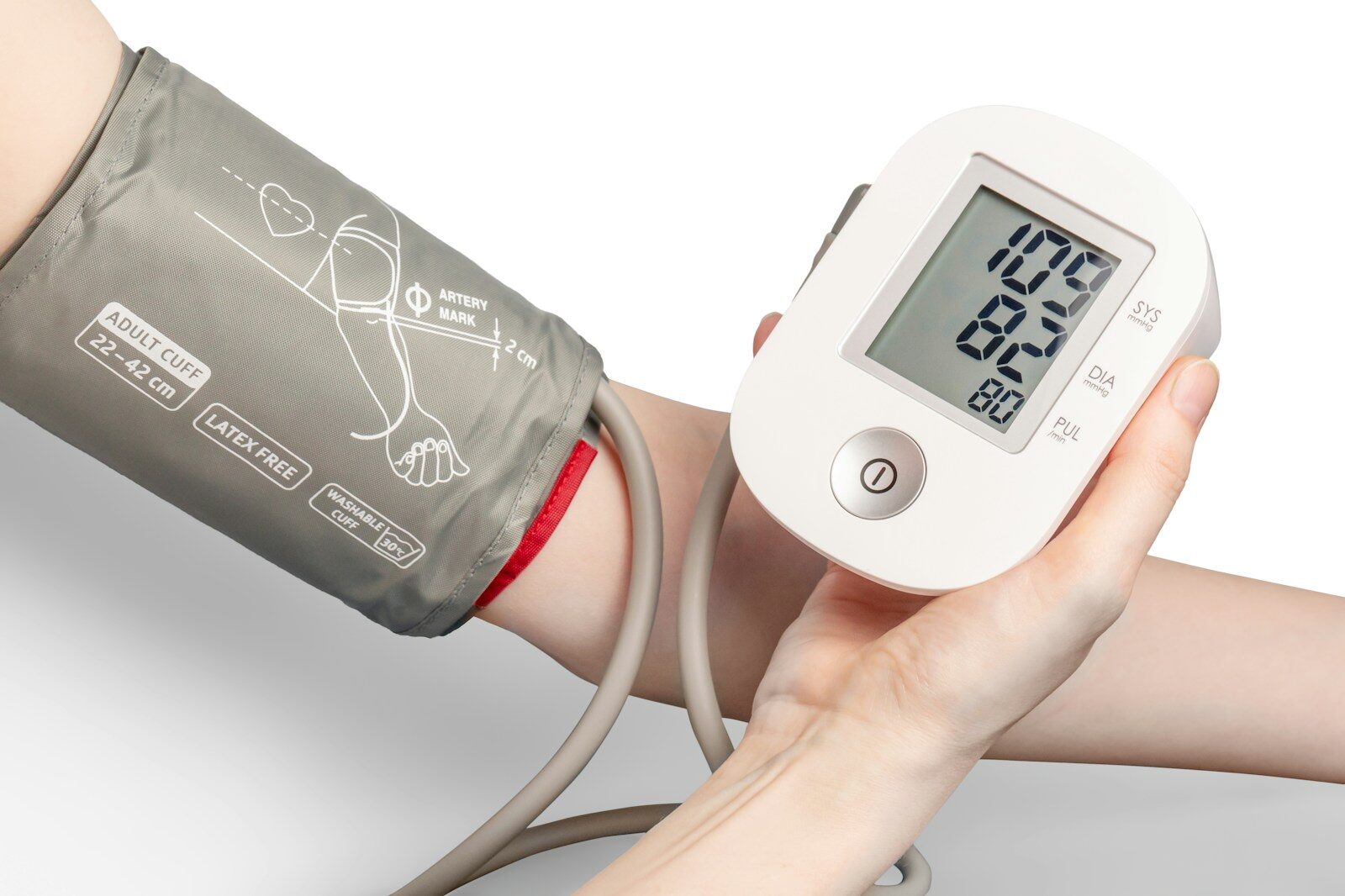
Home monitoring can help some people and may provide useful information to their healthcare professional.
Use a validated blood-pressure monitor when possible.
Follow the instructions carefully.
Sit quietly for several minutes before measuring.
Keep your arm supported appropriately.
Avoid measuring immediately after exercise, caffeine, or smoking if you want a resting reading.
Take readings consistently under similar conditions.
Do not repeatedly measure your blood pressure every few minutes because one unexpected reading made you anxious.
This can increase stress and make the process less useful.
If your readings are repeatedly elevated, discuss them with a healthcare professional.
High blood pressure is diagnosed using appropriate measurements over time rather than a single casual reading in most situations.
You should also understand that high blood pressure can exist without symptoms.
Headaches, dizziness, or feeling tired are sometimes blamed on hypertension, but many people with high blood pressure feel completely normal.
You should not wait for symptoms before checking your blood pressure.
This is one reason routine health checks are important.
Extremely high blood pressure accompanied by symptoms such as chest pain, severe shortness of breath, confusion, weakness, vision changes, or other serious symptoms requires urgent medical attention.
Do not attempt to treat a potentially dangerous blood-pressure emergency at home with food, drinks, supplements, or exercise.
Another common mistake is relying on garlic, lemon, honey, or other individual foods as a treatment.
Garlic can be part of a healthy diet.
Lemon can add flavor.
Honey is still a source of sugar.
None of these should replace prescribed treatment for hypertension.
The same applies to herbal remedies.
Natural does not automatically mean safe.
Some supplements can interact with blood-pressure medications or affect blood pressure unpredictably.
Always discuss supplements with a qualified healthcare professional if you have hypertension or take medication.
Some people search for special teas that supposedly lower blood pressure immediately.
There is no beverage that should be relied upon as an emergency treatment for significantly elevated blood pressure.
If you have hypertension, follow your treatment plan.
Healthy lifestyle changes can support that plan.
Medication may still be necessary.
Many people feel concerned when their doctor recommends blood-pressure medicine.
They may worry that taking medication means they have failed to improve their lifestyle.
That is not true.
Hypertension is influenced by many factors.
Medication is a legitimate medical treatment when it is needed.
Healthy eating and exercise can work alongside medication.
If lifestyle improvements eventually allow medication changes, those decisions should be made with your healthcare professional.
Never reduce the dose yourself.
Another misconception is that once your blood pressure becomes normal, you can stop healthy habits.
Blood pressure management is usually a long-term process.
Continue healthy eating and activity even when readings improve.
If your doctor changes your medication, continue monitoring as advised.
Weight management can also support blood-pressure control.
If you have overweight or obesity, gradual weight loss may help.
However, you should not follow crash diets.
Extreme calorie restriction can cause nutritional problems and may be difficult to sustain.
A balanced approach is generally more practical.
Build meals around vegetables, fruits, whole grains, legumes, appropriate protein sources, and healthy fats.
Reduce excessive sodium, added sugars, saturated fats, and highly processed foods.
Pay attention to portions.
Stay active.
Sleep adequately.
Manage stress.
These habits work together.
You do not need to make every change at once.
Start with one or two realistic improvements.
For example, reduce packaged salty snacks.
Then add a daily walk.
Then improve your breakfast.
Then work on sleep.
Gradual changes can be easier to maintain.
The same principle applies to reducing salt.
If you currently eat very salty food, immediately making everything taste completely salt-free may make your diet unpleasant.
Reduce salt gradually.
Use herbs and spices.
Choose fresh foods more often.
Read nutrition labels when available.
Compare products and choose lower-sodium options when practical.
Remember that sodium can appear under many different ingredients and food categories.
Processed meats can be particularly salty.
Pickles and sauces can also contain substantial sodium.
Instant foods and packaged snacks are common sources.
Restaurant meals may contain more sodium than you expect.
This does not mean you can never eat them.
It means they should not necessarily dominate your diet.
Cooking more meals at home can give you greater control.
You can decide how much salt and oil to use.
You can also increase vegetables and other nutritious ingredients.
Meal preparation can reduce dependence on processed convenience foods.
Family habits matter too.
If everyone in the household eats extremely salty food, reducing sodium individually can be difficult.
Making healthier meals a household habit can make the change easier.
Children can also learn healthy eating habits from adults.
However, dietary needs vary by age and health status.
Avoid putting children on restrictive diets without professional guidance.
Another useful strategy is reading food labels.
Look at sodium per serving rather than simply looking at the front of the package.
Serving sizes can sometimes be smaller than the amount people actually eat.
Compare similar products.
Choose options with less sodium when possible.
The same approach can help with added sugars and saturated fat.
You do not need to memorize every number.
Even becoming aware of labels can improve food choices.
Potassium is another reason whole foods are valuable.
Fruits, vegetables, legumes, and some dairy products can provide potassium.
A diet rich in potassium-containing foods can support healthy blood pressure for many adults.
However, kidney disease and some medications can alter potassium requirements.
Do not take potassium supplements or aggressively increase potassium intake without professional advice if you have a condition that affects potassium regulation.
Physical activity can also help with weight management and cardiovascular health.
You do not have to become an athlete.
Walking is enough to begin.
If you are already active, you can gradually increase the intensity or variety of your workouts.
Cycling, swimming, jogging, dancing, and sports can all be options.
Choose activities you enjoy.
Enjoyment improves the likelihood that you will continue.
Strength training can be added as your fitness improves.
Building muscle can support physical function and help maintain independence as you age.
Exercise should be appropriate for your health.
If you have symptoms during exercise, stop and seek appropriate advice.
People with heart disease or other cardiovascular conditions may need individualized exercise recommendations.
Your doctor may recommend specific intensity limits or other precautions.
Do not copy an advanced workout from the internet without considering your health situation.
Blood pressure management also benefits from regular medical checkups.
A healthcare professional can assess your blood pressure, cholesterol, blood glucose, kidney function, medications, family history, and other factors.
This broader assessment helps determine your cardiovascular risk.
High blood pressure is not something you should manage based solely on how you feel.
You can feel perfectly healthy while blood pressure remains elevated.
Another common problem is relying on a single “normal” reading.
Blood pressure can fluctuate.
One good reading does not necessarily mean hypertension has disappeared.
Likewise, one high reading does not necessarily mean you have chronic hypertension.
Your healthcare professional can interpret repeated measurements.
If you monitor at home, keep a record if your doctor recommends it.
This can help identify patterns.
Do not change medication based on a home reading without professional guidance.
Some people become anxious about every blood-pressure measurement.
If monitoring increases your anxiety, discuss the appropriate frequency with your healthcare professional.
You do not need to constantly check your blood pressure unless specifically advised.
The goal is useful information, not constant worry.
A heart-healthy lifestyle also benefits other aspects of health.
Eating more vegetables and whole foods can support nutrition.
Walking can improve fitness.
Strength training can improve physical function.
Better sleep can support energy and concentration.
Reducing smoking and excessive alcohol can lower cardiovascular risks.
These changes are valuable even if your blood pressure does not immediately reach your desired level.
Lifestyle changes can take time.
Do not become discouraged if your blood pressure does not normalize after one week of healthier eating.
Continue the changes and follow your treatment plan.
Your healthcare professional may need to adjust medication or investigate additional factors.
Some people require more than lifestyle changes to control hypertension.
That is not a failure.
High blood pressure is a medical condition, not simply a consequence of poor discipline.
Family history can influence risk.
Age can influence risk.
Certain medical conditions can influence risk.
Medications can influence risk.
Lifestyle also matters.
The combination is different for every person.
The safest approach is to consider the whole picture.
If you are looking for a simple starting plan, begin with your next meal.
Choose vegetables.
Include a suitable protein source.
Choose a whole-grain or other appropriate carbohydrate portion.
Use less added salt.
Choose water instead of a sugary beverage.
Then take a comfortable walk if you are able.
Get enough sleep tonight.
Repeat these choices tomorrow.
You do not need a perfect diet.
You need a sustainable pattern.
Do not let one salty meal convince you that your entire plan has failed.
Do not abandon your routine because your blood pressure was slightly higher one day.
Look at the long-term pattern.
Healthy habits are built through repetition.
The same principle applies to weight management.
If excess weight is contributing to high blood pressure, gradual weight loss may help.
But the goal should be better health rather than rapid changes on the scale.
Avoid extreme diets that promise to lower blood pressure and body weight within days.
They may be difficult to sustain and may not provide adequate nutrition.
There is also no need to eliminate all carbohydrates.
Rice, roti, oats, potatoes, fruits, and other carbohydrate-containing foods can be part of a balanced diet.
The quality and quantity of the overall diet matter.
Likewise, you do not need to eliminate all fats.
Focus on healthier sources and appropriate portions.
A balanced approach is easier to maintain.
High blood pressure can sometimes feel overwhelming because it may require changes across several areas of life.
But you do not need to change everything overnight.
Start small.
Reduce excess salt.
Eat more vegetables.
Move regularly.
Maintain a healthy weight if appropriate.
Sleep adequately.
Manage stress.
Avoid smoking.
Limit excessive alcohol.
Take prescribed medication correctly.
Attend recommended medical appointments.
These actions can work together to support cardiovascular health.
If you have been told that your blood pressure is high, take the diagnosis seriously even if you feel completely normal.
Do not wait for symptoms before taking action.
And do not rely on online remedies as substitutes for professional medical care.
Natural lifestyle changes can be powerful.
They can support blood-pressure control, improve fitness, help with weight management, and reduce cardiovascular risk.
But they are most effective when used as part of an evidence-based healthcare plan.
Your blood pressure is influenced by more than one food or exercise.
It is influenced by your overall lifestyle and health.
That means you do not need to search for a miracle solution.
Focus on the fundamentals.
Eat a nutritious, lower-sodium diet.
Stay active.
Maintain a healthy weight when appropriate.
Sleep well.
Manage stress.
Avoid smoking.
Limit excessive alcohol.
Monitor your blood pressure appropriately.
Follow medical advice.
With consistent habits and appropriate professional care, many people can make meaningful improvements in their cardiovascular health.
The goal is not to lower one blood-pressure reading as quickly as possible.
The goal is to support healthy blood pressure and heart health over the long term.