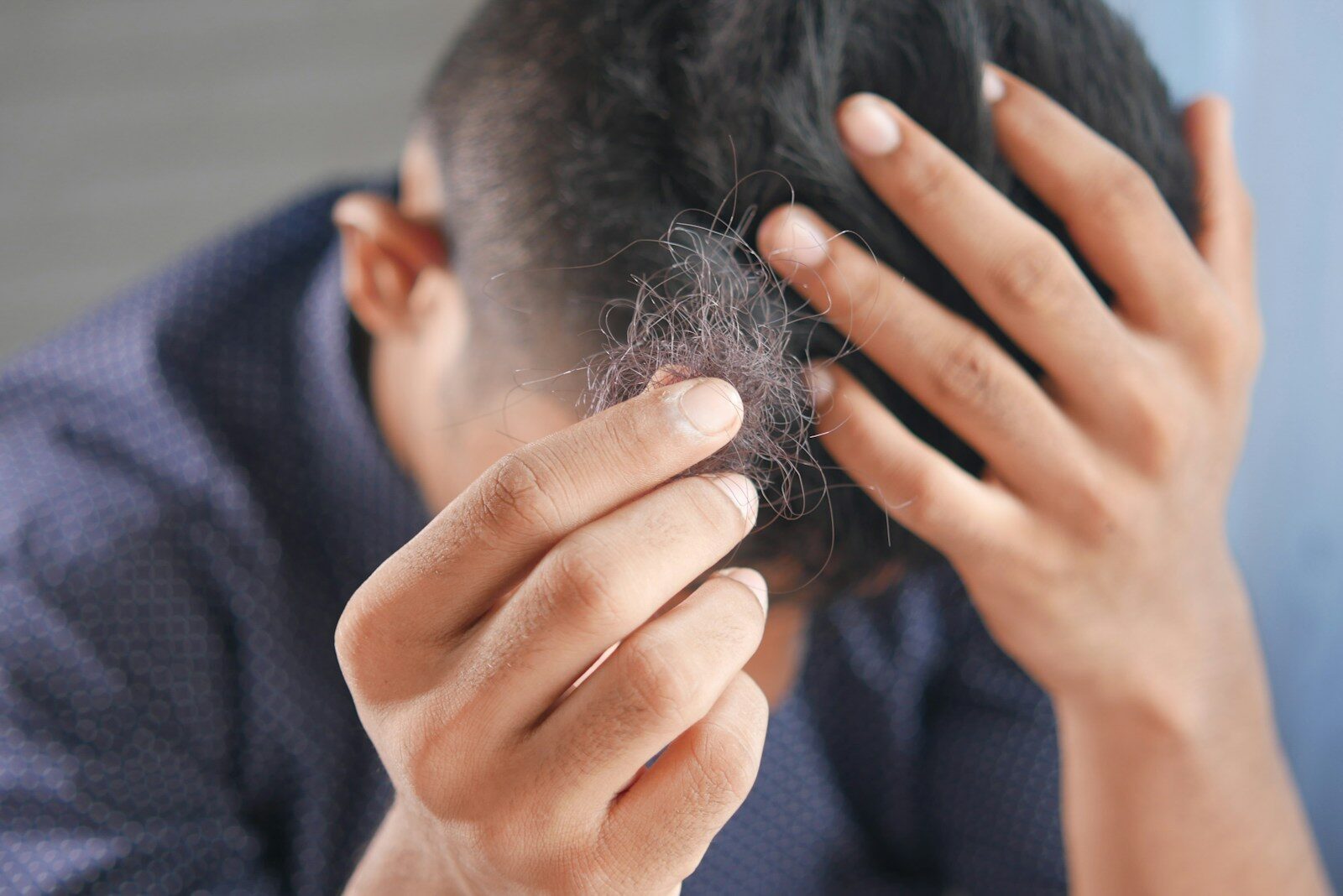
Hair fall can be frustrating, especially when you start noticing more strands on your pillow, clothes, comb, or bathroom floor. The good news is that some simple home habits can help reduce avoidable hair damage and create a healthier environment for your hair and scalp.
However, there is an important difference between controlling hair fall and completely stopping hair loss. Home remedies may support scalp and hair health, but they cannot reliably reverse every type of hair loss. Genetic hair loss, hormonal problems, nutritional deficiencies, thyroid disorders, scalp conditions, and certain medications may require professional evaluation and treatment.
If your hair fall is mild and you are mainly dealing with dryness, breakage, rough hair, poor hair-care habits, or temporary shedding, improving your routine at home can be a useful first step.
One of the simplest things you can do is make sure your diet provides enough protein. Hair is largely made of a protein called keratin, so consistently eating too little protein can affect hair growth and overall hair quality.
Include foods such as eggs, fish, chicken, dairy products, beans, lentils, soy, nuts, and seeds according to your dietary preferences. Instead of relying on one so-called “hair growth food,” focus on eating a varied diet regularly.
Iron is another nutrient that matters for healthy hair. If your diet is low in iron, particularly if you have other risk factors for iron deficiency, it may contribute to increased shedding.
Rather than taking iron supplements automatically, it is better to determine whether you actually have a deficiency. Too much iron can also be harmful, so supplements should not be treated as a routine hair-fall remedy.
Eating enough fruits and vegetables can also support overall nutrition. These foods provide vitamins, minerals, antioxidants, and other nutrients needed for normal body functions, including the processes involved in hair growth.
Staying properly hydrated is another simple habit. Drinking enough water does not directly cure genetic hair loss, but dehydration combined with poor nutrition and other unhealthy habits can contribute to an overall decline in well-being.
Another useful home remedy is gentle scalp massage. Using your fingertips, gently massage the scalp for a few minutes rather than scratching it with your nails.
A massage can feel relaxing and may improve the experience of caring for your scalp. However, it should not be presented as a guaranteed treatment for male or female pattern hair loss.
Be gentle when massaging. Excessive rubbing, pulling, or scratching can irritate the scalp and may increase hair breakage.
If you use hair oil, think of it primarily as a conditioning and hair-care step rather than a cure for hair loss.
Coconut oil, for example, can help reduce some types of hair damage when used appropriately. Applying a small amount to the lengths of the hair may help make dry hair feel softer and reduce friction.
Oil does not automatically stop genetic hair loss because hereditary hair loss involves changes in the hair follicle itself. Covering the scalp in more oil will not necessarily make those follicles produce thicker hair.
If your scalp becomes itchy, red, greasy, or irritated after using an oil, stop using it. Some people can develop irritation or sensitivity to particular products.
Another popular home remedy for hair fall is onion juice. It is often promoted online as a natural treatment for hair growth.
There has been limited research into topical onion preparations for certain types of patchy hair loss, but this does not mean onion juice is a proven universal treatment for hair fall.
Applying raw onion juice can also irritate sensitive skin. If you choose to experiment with it, avoid applying it to damaged skin and stop immediately if you experience burning, redness, swelling, or significant itching.
The same caution applies to garlic.
Garlic is sometimes recommended online because of its sulfur-containing compounds and supposed ability to stimulate hair growth. But rubbing raw garlic directly onto the scalp can cause significant irritation and even chemical burns.
A natural ingredient is not automatically a safe ingredient. Your scalp is skin, and it can react badly to concentrated substances.
Lemon juice is another common DIY hair remedy that should be approached carefully.
Although lemon is often associated with cleansing and removing oil, applying concentrated lemon juice to the scalp can cause irritation. It can also make the skin more sensitive to sunlight.
There is no need to use harsh kitchen ingredients on your scalp simply because they are natural.
Essential oils are also widely promoted for hair growth. Rosemary oil, peppermint oil, and other essential oils are often discussed online.
If you use an essential oil, never apply concentrated essential oil directly to the scalp. Essential oils can irritate or sensitize the skin and should be appropriately diluted in a carrier oil.
Even when diluted, an essential oil is not a guaranteed treatment for genetic hair loss. If hair loss is persistent, identifying the underlying cause is more important than continually trying different oils.
Aloe vera is another popular home ingredient.
Aloe vera gel can feel soothing on some scalps, particularly when the skin feels dry or uncomfortable. However, it should not be considered a proven treatment for hereditary hair loss.
If you use aloe vera, choose a product suitable for topical use and test a small area first if you have sensitive skin.
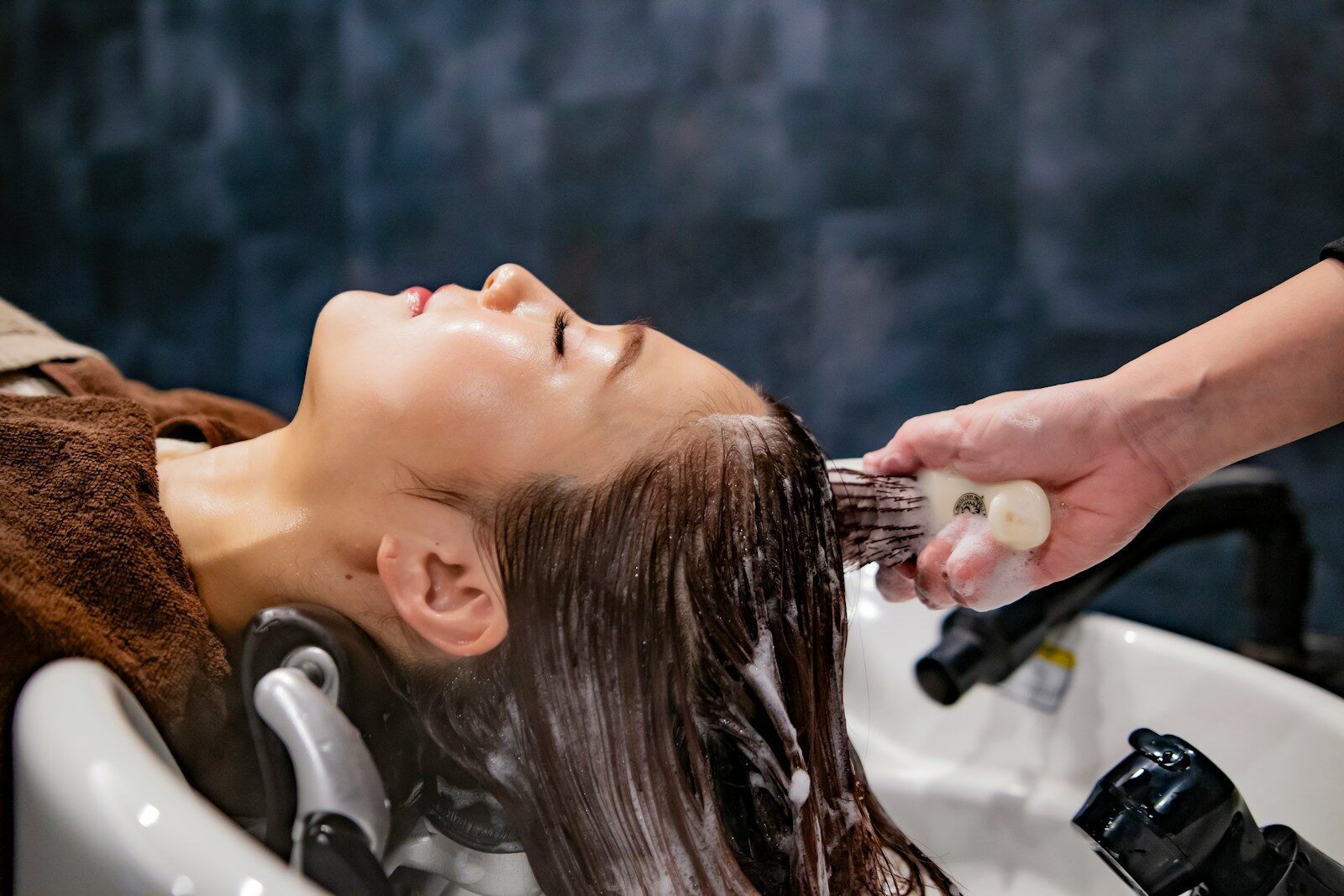
Another important home remedy is simply washing your hair appropriately.
Many people worry that shampooing causes hair fall because they notice loose strands during a shower. In reality, washing often makes hairs that were already ready to shed become more visible.
Avoiding shampoo completely because you are afraid of losing hair can actually make scalp hygiene more difficult.
The right washing frequency depends on your scalp and hair type. If your scalp becomes oily quickly, you may need to wash more frequently. If your hair and scalp are very dry, you may need a gentler routine.
Choose a shampoo that suits your scalp rather than assuming that the most expensive shampoo will produce the best results.
When washing, concentrate on cleaning the scalp gently. You do not need to aggressively scrub the hair lengths.
Use your fingertips rather than your fingernails and avoid scratching the scalp.
If you have dandruff, excessive oiliness, persistent itching, or significant scaling, ordinary home remedies may not be enough.
Dandruff and several other scalp conditions can cause irritation and scratching, which can contribute to hair breakage or increased shedding. In these situations, an appropriate medicated shampoo or medical evaluation may be more useful than kitchen remedies.
Conditioner can also be helpful.
A conditioner can reduce friction and make the hair easier to detangle. This may help reduce mechanical breakage, particularly if your hair is dry, curly, chemically treated, or frequently exposed to heat.
Apply conditioner mainly to the lengths and ends if your scalp becomes oily easily.
Do not aggressively rub wet hair with a towel.
Wet hair can be more vulnerable to stretching and breakage. Instead of twisting or rubbing your hair aggressively, gently squeeze out excess water and pat it dry.
A soft towel or microfiber towel can reduce friction.
Your choice of comb can also make a difference.
Use a wide-tooth comb when detangling, especially if your hair is wet or easily tangled. Start from the ends and gradually work upward rather than pulling a comb forcefully from the roots to the ends.
If you encounter a knot, loosen it gently instead of repeatedly pulling through it.
Avoid hairstyles that constantly pull your hair.
Tight ponytails, buns, braids, extensions, and other styles that place repeated tension on the roots can contribute to traction-related hair loss.
Occasional styling is usually different from wearing a very tight hairstyle every day. The bigger concern is repeated or prolonged tension.
If your hairstyle causes scalp pain, headaches, tenderness, or visible pulling around the hairline, it is a sign that it may be too tight.
Give your scalp regular breaks from tight hairstyles.
Heat exposure is another factor worth controlling.
Frequent use of straighteners, curling irons, and very hot blow dryers can damage the hair shaft. This may cause breakage that looks like hair fall.
Lowering the temperature, limiting heat styling, and using appropriate heat protection can help protect the hair.
Chemical treatments can also weaken hair.
Repeated bleaching, coloring, relaxing, perming, and other aggressive chemical processes can make the hair fragile. If you are experiencing significant breakage, consider reducing the frequency of chemical treatments.
Do not confuse hair breakage with hair shedding.
When a hair falls naturally from the follicle, you may see a complete strand. When hair breaks, you may notice shorter pieces, split ends, uneven lengths, or many tiny broken hairs.
The solution is different. Hair breakage is often addressed by improving hair care, while true hair loss may require finding an underlying biological cause.
Stress management can also be considered a home-based strategy.
Major physical or emotional stress can trigger a temporary shedding condition called telogen effluvium. The shedding may not begin immediately after the stressful event and can become noticeable weeks or months later.
If stress is contributing to shedding, improving sleep, physical activity, relaxation, and overall health may help your body recover.
That does not mean you should blame yourself for hair loss. Stress is only one possible factor, and persistent hair loss should not automatically be dismissed as stress.
Sleep is another basic part of a healthy routine.
Regularly getting enough sleep supports overall health and recovery. Although simply sleeping more is not a proven cure for genetic baldness, poor sleep combined with stress, inadequate nutrition, and unhealthy habits can make it harder to maintain good overall health.
Try to maintain a reasonably consistent sleep schedule rather than depending on occasional long periods of catch-up sleep.
Regular physical activity can also support general health.
Exercise does not directly reverse male pattern baldness or other genetic hair loss. However, staying physically active can support cardiovascular health, stress management, sleep, and overall well-being.
The most useful approach is to treat exercise as part of a healthy lifestyle rather than as a direct hair-growth treatment.
Smoking is another habit worth addressing if you smoke.
Smoking can negatively affect overall health and may contribute to poorer conditions for normal tissue function. Quitting is beneficial for many reasons, even though it should not be marketed as a guaranteed hair-regrowth treatment.
Alcohol should also be consumed responsibly.
Heavy alcohol use can contribute to poor nutrition and other health problems. If your diet is already inadequate, excessive alcohol consumption can make it harder to maintain balanced nutrition.
Another important home step is avoiding crash diets.
Rapid weight loss can trigger significant hair shedding in some people. The body may respond to major calorie restriction by shifting resources away from processes that are not immediately essential.
If you are trying to lose weight, aim for a sustainable approach that provides adequate protein and overall nutrition.
Do not drastically reduce calories just because you want faster results on the scale.
The same principle applies to restrictive diets.
Removing entire food groups without a nutritional reason can make it harder to obtain important nutrients. If you follow a vegetarian, vegan, ketogenic, or other specialized diet, pay attention to overall nutritional adequacy.
Supplements are often marketed as an easy solution for hair fall, but more supplements do not necessarily mean more hair.
Biotin is a good example. Biotin deficiency can affect hair, but true deficiency is relatively uncommon. Taking high-dose biotin when you are not deficient is unlikely to magically transform normal hair growth.
High-dose biotin can also interfere with certain laboratory tests, so always tell your healthcare professional about supplements you take.
Vitamin D, vitamin B12, zinc, iron, and other nutrients may be relevant in particular people, but supplementation should ideally be based on dietary assessment, risk factors, symptoms, or appropriate testing.
If a deficiency is responsible for your shedding, correcting that deficiency can be important. If you are not deficient, taking large doses may provide little benefit and can sometimes cause harm.
One of the best “home remedies” is therefore not a particular ingredient but paying attention to what is happening to your hair.
Take a photograph of your hairline, part, or crown every few weeks under similar lighting.
This can help you notice gradual changes that are difficult to detect by looking in the mirror every day.
Avoid checking your hair repeatedly throughout the day. Constantly pulling, counting, or inspecting individual hairs can increase anxiety without providing useful information.
Look at the overall pattern instead.
If you notice gradual recession at the temples, a widening part, increasing visibility of the scalp at the crown, or progressive thinning, consider whether hereditary hair loss may be involved.
Pattern hair loss is common and tends to progress gradually. Home remedies alone are unlikely to stop the underlying process.
This is where early professional evaluation becomes important.
For some forms of pattern hair loss, treatments such as minoxidil may help slow progression or support regrowth in appropriate people. These treatments require realistic expectations and consistent use, and not everyone responds in the same way.
If you are considering a medical hair-loss treatment, speak with a qualified healthcare professional rather than choosing a treatment solely because it is trending online.
You should also be cautious about products that promise hair growth within a few days.
Hair grows through biological cycles, and meaningful changes generally take time. A product claiming that it will completely stop hair loss overnight should be treated with skepticism.
There is no reliable home remedy that can instantly repair a damaged hair follicle or reverse advanced genetic hair loss.
Another mistake is trying too many remedies at once.
Someone may apply onion juice one day, an essential oil the next, a strong scalp scrub afterward, and several supplements at the same time. If irritation or worsening shedding occurs, it becomes difficult to determine what caused the problem.
A simple routine is usually better.
Use gentle cleansing, appropriate conditioning, good nutrition, careful handling, limited heat and chemical damage, adequate sleep, and stress-management practices.
Give your routine enough time to evaluate changes instead of switching products every few days.
If your scalp is itchy or flaky, focus on solving the scalp problem rather than immediately buying another hair-growth serum.
A healthy scalp is an important part of good hair care, but scalp cleanliness alone does not determine whether you will develop genetic hair loss.
Pay attention to sudden changes.
If you suddenly lose large amounts of hair, develop bald patches, notice significant scalp inflammation, experience pain or burning, develop sores, or see rapid thinning, do not rely exclusively on home remedies.
These symptoms can have several possible causes and may need medical assessment.
Hair loss accompanied by other changes in your health should also be taken seriously.
For example, unexplained fatigue, major weight changes, menstrual changes, hormonal symptoms, or other persistent symptoms can sometimes provide clues about an underlying issue.
The right treatment depends on the cause.
Temporary shedding after an illness, major stress, surgery, or significant weight loss can behave very differently from hereditary hair loss.
In temporary shedding, the focus is often on identifying and correcting the trigger while allowing the normal hair cycle to recover.
In genetic hair loss, the goal may be to slow progression and preserve existing follicles while encouraging regrowth where possible.
This is why copying another person’s home remedy may not produce the same result for you.
Your hair loss pattern, age, sex, medical history, medications, nutrition, scalp condition, and family history all matter.
If you have recently started a new medication and notice increased shedding, do not stop the medication on your own. Discuss the possible connection with the prescribing healthcare professional.
Some medications can contribute to hair loss, but stopping a necessary medication without guidance can create other health risks.
Home care can also help you protect the hair you already have.
Avoid unnecessary brushing, aggressive detangling, excessive heat, tight hairstyles, and harsh chemical treatments.
Think of your hair as a delicate fiber. Even when the follicle is healthy, repeated mechanical and chemical damage can make the visible hair shaft weaker.
Protecting your existing hair can make it look fuller and healthier while you address the reason for any underlying shedding.
There is also no need to shave your head in the hope that it will make your hair grow back thicker.
Shaving cuts the hair shaft but does not change the number, size, or biological activity of the follicles underneath the skin.
Hair may look thicker temporarily after shaving because the new growth has a blunt end, but shaving does not cure hair loss.
Similarly, wearing a cap or helmet does not automatically cause baldness.
If you wear a helmet regularly, keep it clean and make sure it fits comfortably. Excessive friction or an uncomfortable fit can irritate the scalp, but normal helmet use is not a recognized cause of hereditary baldness.
Hard water is another topic that often creates confusion.
Minerals in hard water can leave deposits on the hair and may make it feel dry, rough, or difficult to manage. This can potentially contribute to hair-shaft problems in some circumstances, but hard water should not automatically be blamed for every case of hair loss.
If you suspect your water is affecting your hair, focus on gentle hair care and appropriate cleansing rather than assuming that it is damaging your follicles.
The biggest lesson is that home remedies work best when they address preventable hair damage and support overall health.
They are much less reliable when used as a replacement for diagnosing a medical cause of hair loss.
If your hair fall is mild, start with the basics and keep the routine simple.
Eat enough protein and a balanced diet. Handle your hair gently. Keep your scalp clean according to your needs. Avoid tight hairstyles and excessive heat. Manage stress. Sleep well. Avoid crash dieting. Be cautious with supplements and DIY scalp treatments.
Then give your hair time.
Hair growth is slow, so judging a routine after a few days can be misleading.
If shedding continues for several months, keeps getting worse, or you notice visible thinning or bald patches, it is worth getting professional advice.
The earlier the cause is identified, the more options you may have for managing certain types of hair loss.
So, what is the best home remedy for hair fall?
There is no single magic ingredient.
The most sensible approach is a combination of adequate nutrition, gentle scalp and hair care, protection from breakage, healthy lifestyle habits, and attention to any underlying health issue.
Natural remedies can have a place in a hair-care routine, but “natural” does not automatically mean “proven” or “safe.”
If you are losing hair because of genetics, a nutrient deficiency, hormonal changes, a scalp disorder, medication, or another medical condition, treating the underlying cause is usually far more important than applying another homemade mixture.
And if your hair fall has suddenly become much heavier than usual, don’t wait indefinitely for a home remedy to work.
A proper evaluation can help determine whether you are experiencing temporary shedding, hair breakage, pattern hair loss, or another condition.
The goal should not simply be to see fewer hairs in the shower.
The real goal is to understand why the hair is falling, protect the hair and scalp you have, and choose an approach that has a realistic chance of improving the situation over time.