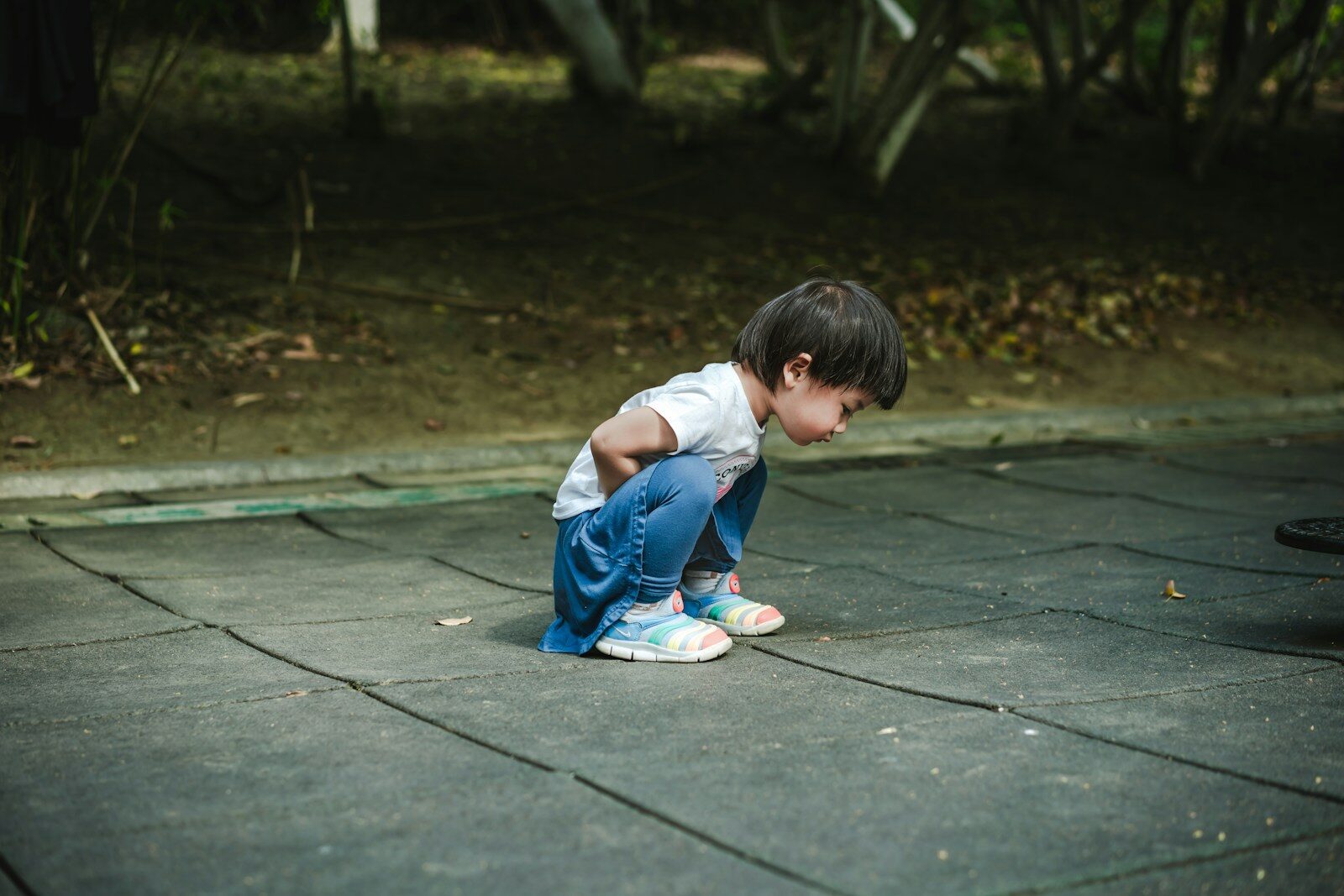
Constipation in children can be stressful for both the child and the parents. A child may complain of stomach pain, avoid using the toilet, pass hard stools or become upset whenever they need to poop.
Parents often search questions such as “Why is my child constipated?”, “What can I give my child for constipation?”, “How can I help my child poop naturally?”, “How long is constipation normal in children?” and “When should I take my child to the doctor for constipation?”
Constipation is common in childhood, and in many cases it can be managed successfully with the right routine and medical guidance.
However, constipation in children should be approached differently from constipation in adults. A child’s age, diet, toilet habits, developmental stage and medical history all matter.
One of the most common reasons children become constipated is a change in routine.
Constipation may begin when a child starts toilet training, starts school, travels, changes their diet or becomes uncomfortable using a particular bathroom.
Some children deliberately hold their stool because they previously experienced pain while pooping.
This can create a difficult cycle.
The child has a hard bowel movement.
The bowel movement hurts.
The child becomes afraid of pooping.
They hold the stool.
The stool remains in the bowel longer and becomes harder.
The next bowel movement becomes even more uncomfortable.
Breaking this cycle is an important part of managing childhood constipation.
Parents should try to create a calm and supportive bathroom environment rather than making the child feel ashamed or pressured.
Scolding a child for not pooping usually does not solve the problem.
In some cases, it can increase anxiety around using the toilet.
Instead, explain that bowel movements are a normal part of how the body works.
Encourage the child without turning every bathroom visit into a stressful event.
Diet can also play an important role.
Children need fiber from a variety of foods, including fruits, vegetables, whole grains, beans, peas and other plant foods.
If a child’s diet contains very few fiber-rich foods and consists mostly of highly processed or refined foods, constipation may become more likely.
However, parents should not suddenly give a large amount of fiber to a child who normally eats very little.
A sudden increase can cause gas, bloating and discomfort.
Increase fiber gradually and encourage a varied diet.
Fruits can be an easy way to add fiber.
Pears, apples with the skin when age-appropriate, oranges, berries and other fruits can contribute to a child’s overall fiber intake.
Prunes and prune products are also commonly used for constipation, but the appropriate amount depends on the child’s age.
Parents should avoid giving large quantities simply because they want fast results.
Too much can cause diarrhea, cramping or additional digestive discomfort.
Vegetables are another important source of fiber.
Some children resist vegetables, especially when they are introduced as a requirement rather than something enjoyable.
Parents can offer vegetables in different forms and alongside foods the child already likes.
The goal is to build healthy eating habits rather than force a particular food.
Whole grains can also contribute fiber.
Oats, whole-grain breads and other whole-grain foods can be included when appropriate for the child’s age and diet.
Beans, lentils and peas are also useful sources of fiber.
Again, portions should be appropriate for the child’s age and tolerance.
Fluids matter as well.
Adequate fluid intake helps support normal stool consistency.
A child who drinks very little may be more likely to have harder stools, particularly when their diet is high in fiber.
Parents should encourage regular drinking throughout the day.
However, there is no need to force a child to drink excessive amounts of water as a constipation cure.
Children have different fluid requirements depending on age, activity, weather and other factors.
If you are unsure how much your child should drink, ask their pediatrician.
Physical activity can also support healthy bowel function.
Children who are active naturally move their bodies throughout the day.
But some children spend long periods sitting while using phones, tablets, computers or watching television.
Encouraging age-appropriate physical activity can be part of a healthy constipation routine.
The activity does not need to be formal exercise.
Playing outside, walking, cycling or participating in sports can all provide movement.
Toilet habits are particularly important for children who are old enough to use the toilet independently.
Some children become so involved in playing that they ignore the urge to poop.
Others avoid school bathrooms because they are uncomfortable or don’t feel private.
Parents can encourage regular toilet opportunities, particularly after meals.
Eating can naturally stimulate bowel activity, so giving a child some relaxed bathroom time after a meal may help establish a routine.
The child should not be forced to sit on the toilet for a long time.
A few calm minutes can be enough.
A comfortable toilet position also matters.
If a child’s feet do not reach the floor, their legs may not be well supported.
A stable footstool can provide support and make the child more comfortable.
For toilet-trained children, having the knees positioned comfortably and the feet supported may make it easier to relax the muscles needed for a bowel movement.
Children should be encouraged to avoid excessive straining.
If passing stool is painful, parents should pay attention rather than simply telling the child to push harder.
Pain can be a sign that the stool is too hard or that another problem needs attention.
Toilet training itself can sometimes trigger constipation.
A child may become anxious about using the toilet or may resist the transition from diapers to the toilet.
Parents can make the process more relaxed by allowing the child to become familiar with the toilet gradually.
Positive encouragement is generally more helpful than punishment.
If a child repeatedly refuses to sit on the toilet, becomes extremely distressed or holds stool for long periods, speak with a pediatric healthcare professional.
Another common cause is a previous painful bowel movement.
A child may remember the pain and decide that holding stool is safer than using the toilet.
This is understandable from the child’s perspective.
The solution is not to force them to poop.
The goal is to make bowel movements softer and less painful while reducing fear around the toilet.
A healthcare professional can recommend an appropriate treatment plan when necessary.
Parents should be cautious about giving children laxatives without medical advice.
Some constipation medicines are used in children, but the correct product and dose depend on the child’s age, weight, symptoms and medical history.
An adult laxative or an adult dose should never simply be given to a child because it worked for a parent.
Even products marketed as natural can have side effects.
Herbal constipation remedies, detox products and strong teas are particularly inappropriate choices without professional guidance.
Natural does not automatically mean safe for children.
The same caution applies to castor oil and other traditional remedies.
Parents may see claims online that these products can quickly empty a child’s bowel.
Fast bowel movements are not necessarily the same as safe treatment.
Some products can cause cramping, diarrhea or dehydration.
If your child is significantly constipated, ask a pediatrician or pharmacist what is appropriate.
One of the most important things parents can do is learn what constipation actually looks like.
A child does not have to poop every day to be healthy.
Normal bowel frequency varies.
Some children poop more than once a day, while others may have bowel movements less frequently.
Frequency alone does not determine constipation.
Hard, dry or large stools, painful bowel movements, excessive straining, stool withholding and difficulty passing stool are more meaningful signs.
A child may also complain that they feel like they need to poop but cannot.
Some children may hide when they need to have a bowel movement.
Others may stand stiffly, cross their legs, clench their buttocks or perform unusual movements while trying to hold stool.
Parents may mistake this behavior for a child trying to push stool out.
In some cases, the child is actually trying to prevent the bowel movement from happening because they expect it to hurt.
Recognizing stool withholding can help parents respond more effectively.
Instead of telling the child to “just go,” try to understand why they are avoiding the toilet.
Ask whether it hurts.
Ask whether the school bathroom feels uncomfortable.
Ask whether they are afraid of falling into the toilet.
Ask whether they feel embarrassed.
Children may not always explain the problem immediately.
A calm conversation can reveal important information.
School can be a major factor.
Some children avoid school toilets because they lack privacy, are embarrassed about making noise or don’t want other children to know they are using the bathroom.
They may hold stool throughout the school day and then continue holding it at home.
If this pattern happens repeatedly, talk to the child and, when appropriate, communicate with the school.
A supportive bathroom environment can make a significant difference.
Travel can also trigger constipation in children.
Different foods, long car journeys, changes in sleeping patterns and unfamiliar bathrooms can disrupt their normal routine.
Encourage regular meals, appropriate fluids, movement and bathroom opportunities during trips.
Plan bathroom breaks during long journeys.
Don’t wait until the child is desperate to use the toilet.
If the child normally uses the bathroom after breakfast, try to maintain a similar routine during travel.
Changes in diet can also affect bowel movements.
A child may eat more processed snacks and fewer fruits and vegetables during holidays.
This temporary change may contribute to constipation.
Once the normal routine returns, bowel habits may improve.
However, persistent symptoms should still be evaluated.
Children can also become constipated during periods of stress.
Starting school, moving homes, family changes, exams or other emotional events may coincide with changes in bowel habits.
Stress does not mean the constipation is imaginary.
Children’s digestive systems can respond to changes in routine and emotions.
If you notice a connection between stressful events and constipation, maintaining predictable meals, sleep, activity and bathroom routines can help.
Some children develop constipation because they are drinking very little.
This may happen when they are busy playing or don’t want to interrupt an activity.
Parents can encourage regular drinking without turning it into a constant battle.
Offering water at meals and during breaks can make hydration easier.
If a child is very active or the weather is hot, fluid needs may increase.
A pediatrician can provide more individualized guidance when necessary.
Another important factor is diet quality.
A child doesn’t need a perfect diet.
Instead, aim for variety.
Offer fruits, vegetables, whole grains, legumes and other nutritious foods regularly.
If the child rejects one food, try another source of fiber.
There is no single fruit or vegetable that every child needs to eat for constipation.
Some parents search for the best fruit for constipation.
Pears, prunes, apples and other fruits can contribute fiber, but individual responses vary.
The more important goal is an overall balanced diet.
Parents should also avoid using food as a punishment or reward for bowel movements.
For example, telling a child they can only have a favorite activity if they poop can create unnecessary pressure.
Positive reinforcement can be used for healthy bathroom behaviors, such as sitting calmly on the toilet, without making bowel movements themselves a performance requirement.
A child cannot always control when a bowel movement happens.
Parents should remember that constipation is a physical problem, not a behavioral failure.
Another common question is whether milk causes constipation in children.
Milk does not automatically cause constipation in every child.
However, a child’s overall diet matters.
If a child consumes large amounts of milk while eating very few fiber-rich foods, their diet may be low in fiber.
Rather than automatically removing dairy, discuss the child’s overall diet with a pediatrician or dietitian if constipation is persistent.
Another question is whether bananas cause constipation.
Bananas can be part of a healthy child’s diet.
Their effect on bowel movements can vary depending on the child’s overall diet, the banana’s ripeness and individual factors.
There is no universal rule that bananas must be completely avoided when a child is constipated.
Again, look at the whole diet.
Children can also experience constipation after illness.
A child may eat and drink differently when sick.
Reduced activity, changes in diet and some medicines can affect bowel movements.
If constipation develops during or after an illness and does not improve, talk with the child’s healthcare professional.
Certain medicines can also contribute to constipation.
If constipation starts after a child begins taking a new medicine or supplement, tell the pediatrician or pharmacist.
Don’t stop prescribed treatment without medical advice.
The healthcare professional can determine whether the medicine could be contributing and whether another approach is appropriate.
Some children have constipation because of an underlying medical condition.
Most childhood constipation is not caused by a serious disease, but persistent, severe or unusual constipation deserves assessment.
A pediatrician may ask about the child’s diet, bowel habits, toilet training, medications, growth and other symptoms.
The doctor may also ask whether the child has experienced pain or stool withholding.
These details can help determine the best treatment.
Parents should seek medical advice if constipation keeps returning, does not improve with appropriate measures or is causing significant pain or distress.
A child who repeatedly avoids the toilet or experiences painful bowel movements may need more structured treatment than dietary changes alone.
In some cases, doctors recommend medication to soften stool and break the cycle of painful bowel movements.
The duration and type of treatment depend on the child.
Parents should follow the healthcare professional’s instructions carefully.
One common mistake is stopping treatment as soon as the child has one normal bowel movement.
If the child has been chronically constipated, the bowel may need more time to return to a healthy pattern.
Stopping treatment too quickly can allow hard stool to return.
If a pediatrician has recommended a treatment plan, follow it rather than changing the dose based on one successful bowel movement.
Another mistake is waiting until the child is in severe pain.
Early attention can prevent constipation from becoming a long-term cycle.
If your child has hard stools or repeatedly avoids bowel movements, speak with their healthcare professional.
The earlier the problem is addressed, the easier it may be to establish comfortable bowel habits.
Parents should also understand that occasional constipation is different from chronic constipation.
A child who has one hard bowel movement after a dietary change may not have a long-term problem.
A child who repeatedly has painful bowel movements, withholds stool or needs ongoing treatment requires a more careful approach.
Keeping track of bowel habits can help.
You can note when the child has a bowel movement, whether it was hard, whether it caused pain and whether the child had to strain.
This information can be useful when speaking with a pediatrician.
There are also warning signs that require prompt medical attention.
If constipation is accompanied by severe or persistent abdominal pain, repeated vomiting, significant abdominal swelling, blood in the stool that is not clearly explained by a minor anal injury, fever, unusual weakness or other concerning symptoms, contact a healthcare professional promptly.
A child who appears seriously unwell should receive urgent medical evaluation.
Parents should also seek advice if a baby develops constipation.
Constipation in infants can have different causes and needs age-specific assessment.
Newborns and very young babies should not be given home remedies or laxatives without medical guidance.
The same applies to infants who have poor feeding, vomiting, swollen abdomen, fever, blood in the stool or appear unusually sleepy or unwell.
Infant bowel habits can vary considerably, so parents should discuss concerns with a pediatric healthcare professional.
Children with developmental or neurological conditions may also need individualized constipation management.
If your child has another medical condition or takes several medicines, don’t rely on a generic internet constipation plan.
Ask their healthcare team for advice.
One useful approach for toilet-trained children is to create a predictable toilet routine.
After meals, encourage the child to sit comfortably on the toilet for a few minutes.
Don’t force them to produce a bowel movement.
The routine is about giving the body an opportunity.
Use a footstool if needed so their feet are supported.
Keep the environment calm.
Praise cooperation rather than demanding results.
Over time, this can help reduce fear and build consistency.
Parents can also make healthy foods more appealing by involving children in food choices.
Let them help wash fruit, choose vegetables at the grocery store or prepare a simple meal.
Children are often more interested in foods when they participate in preparing them.
However, avoid turning food into a battle.
If a child refuses a particular vegetable, offer another fiber-rich food.
The goal is variety over time.
Physical activity should also be part of everyday life.
Children naturally benefit from movement for many reasons beyond constipation.
Encourage active play, outdoor activities and age-appropriate sports.
Try to avoid making exercise feel like punishment for constipation.
Movement should be a normal part of childhood.
Sleep and routine matter too.
Irregular sleep schedules can disrupt meals, school routines and bathroom opportunities.
A reasonably consistent daily schedule can make healthy habits easier.
This doesn’t mean every day must be identical.
Children can handle changes.
The important thing is to provide enough structure to support regular meals, activity and toilet opportunities.
Parents should also avoid comparing one child’s bowel habits with another child’s.
Children have different digestive patterns.
One child may poop every day.
Another may go less often.
The key is whether the bowel movements are comfortable and whether the child is showing signs of constipation.
A child who poops every other day without pain may be fine.
A child who poops daily but passes very hard, painful stools may still be constipated.
Frequency alone isn’t enough.
Another misconception is that a child must have a bowel movement every morning.
There is no universal requirement for this.
What matters is comfortable and regular bowel function appropriate for that child.
Parents should also avoid internet “detox” methods.
Children do not need colon cleanses.
They do not need detox teas.
They do not need aggressive fasting.
They do not need large amounts of oil.
These approaches can be harmful, especially in younger children.
If constipation requires medication, use a treatment recommended for the child’s age and situation.
A pharmacist or pediatrician can help.
The same caution applies to fiber supplements.
Some children may benefit from them, but the product and dose should be appropriate.
If a child is already eating an adequate amount of fiber, adding a large supplement may cause unnecessary gas and bloating.
Ask a healthcare professional if you are unsure.
Constipation can sometimes cause stool leakage in a child’s underwear.
This can be confusing for parents.
They may think the child is having diarrhea or deliberately soiling their clothes.
In some cases, liquid stool can leak around a larger amount of retained stool.
This can happen with significant constipation and requires appropriate assessment and treatment.
If a previously toilet-trained child repeatedly soils their underwear, don’t automatically punish them.
Constipation should be considered, particularly if they also have hard stools or stool withholding.
A pediatrician can help determine the cause.
This is another reason why shame and punishment can make the situation worse.
The child may already feel embarrassed.
A calm response encourages them to talk about what is happening.
Parents should focus on solving the physical problem rather than assigning blame.
Constipation can also affect a child’s mood.
A child who is uncomfortable may become irritable, tired or less interested in normal activities.
Improving bowel function can sometimes improve overall comfort.
However, significant changes in behavior should be discussed with a healthcare professional if they persist.
If your child is experiencing constipation after starting school, talk to them about bathroom access.
Ask whether they are afraid to use the school toilet.
Ask whether they have enough time.
Ask whether they are worried about other children hearing or noticing them.
These practical issues can be more important than parents realize.
Working with teachers or school staff may help when appropriate.
Another useful step is making sure the child knows they can ask to use the bathroom when needed.
Children should not feel that they have to hold stool simply because they are in class.
If the school has a policy that makes bathroom access difficult, parents may need to discuss the situation with school staff.
Travel-related constipation can be managed similarly.
Keep meals reasonably regular.
Offer fiber-rich foods.
Encourage fluids.
Plan bathroom breaks.
Allow movement during long journeys.
And maintain a calm attitude toward bowel movements.
If constipation continues after returning home, don’t assume it will disappear automatically.
Give the child their usual routine and seek advice if symptoms persist.
The most important message for parents is that constipation is common and treatable.
It is not a sign that you have failed as a parent.
It is also not a reason to shame a child.
A calm, consistent approach can make a significant difference.
Start by looking at the child’s overall diet.
Are they getting fruits and vegetables?
Are they eating whole grains or other fiber-rich foods?
Are they drinking enough?
Are they physically active?
Do they regularly hold stool?
Are bowel movements painful?
Have they recently started toilet training or school?
Has a new medicine been introduced?
These questions can help identify possible contributors.
If the problem is mild and occasional, improving these habits may help.
If constipation is persistent, painful or recurring, involve a pediatric healthcare professional.
And if warning signs occur, seek prompt medical care.
Parents should be especially careful with infants and young children because their nutritional and medication needs are different from those of adults.
Never assume that an adult constipation remedy is appropriate for a child.
A qualified healthcare professional can recommend age-appropriate treatment.
The goal is not simply to make a child poop today.
The goal is to establish comfortable bowel movements and prevent the painful cycle of stool withholding.
That may require patience.
It may require dietary changes.
It may require a toilet routine.
And sometimes it may require medication under professional guidance.
With the right approach, most children can return to more comfortable bowel habits.
Medical Disclaimer: This article is intended for general educational purposes and does not replace professional pediatric diagnosis, treatment or individualized medical advice. Constipation in children can have different causes depending on age, diet, toilet habits, medications and health conditions. Infants, children with persistent or severe symptoms, and children with concerning symptoms such as severe abdominal pain, repeated vomiting, significant abdominal swelling, fever, blood in the stool or unusual weakness should be evaluated by an appropriate healthcare professional promptly.