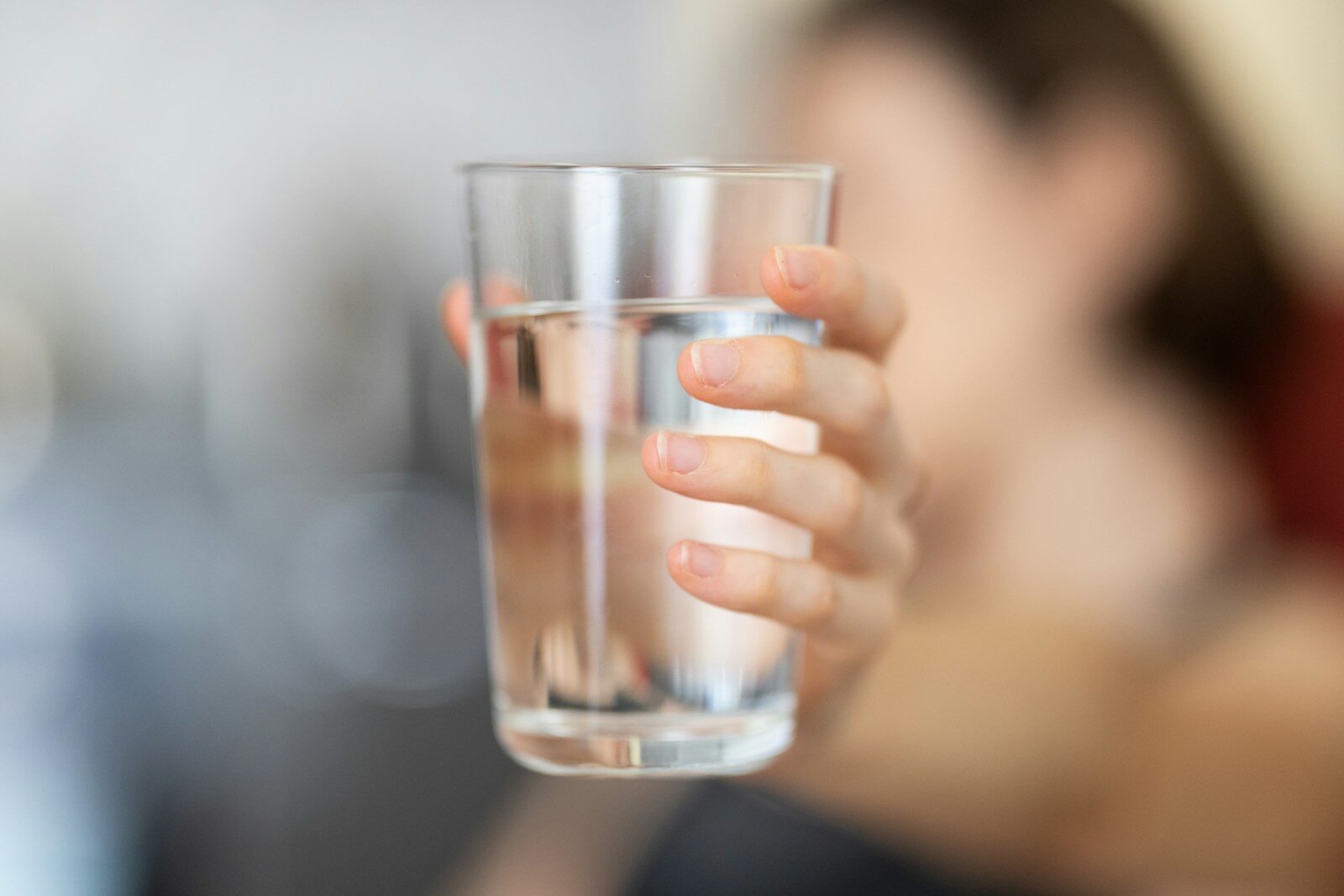
If your stools have suddenly become hard, dry, or difficult to pass, dehydration may be one of the factors contributing to the problem. When you do not get enough fluid, constipation can become more likely, especially when other factors such as a low-fiber diet or limited physical activity are present.
This is why people often search for questions like “Can dehydration cause constipation?”, “Does drinking water help constipation?”, “How much water should I drink when constipated?”, and “Why am I constipated even though I eat fiber?”
The relationship between hydration and constipation is real, but it is often misunderstood. Drinking a huge amount of water is not a guaranteed way to make you poop immediately.
Your digestive system needs an appropriate balance of fluid, fiber, movement, and normal bowel activity. If one part of that routine changes, your stools can become harder or your bowel movements can become less comfortable.
Constipation generally means that stools are hard, dry, or difficult to pass, bowel movements are less frequent than usual, or you feel that your bowel has not completely emptied.
You do not have to have a bowel movement every day. Normal bowel frequency varies from person to person.
What matters is whether your bowel pattern has changed and whether you are experiencing symptoms such as hard stools, straining, discomfort, or incomplete emptying.
Your body absorbs water throughout the digestive process. As stool moves through the colon, water is naturally absorbed.
When stool remains in the colon for longer than usual, more water can be removed from it, making the stool harder.
Not drinking enough fluid can make this situation more likely, particularly when your overall intake is inadequate.
However, dehydration is rarely the only possible explanation for constipation.
A person may be dehydrated and constipated because they have been sick, sweating heavily, traveling, eating differently, taking certain medicines, or simply forgetting to drink regularly.
Another person may have adequate fluid intake but still experience constipation because of low fiber, medication side effects, low activity, or an underlying bowel problem.
This is why treating constipation requires looking at the whole picture.
One of the most common signs of dehydration is increased thirst. Other signs can include dry mouth, darker urine, tiredness, dizziness, or urinating less often.
Symptoms can vary depending on how dehydrated you are and what caused it.
If dehydration is severe, it can become a medical problem that needs prompt attention.
Mild dehydration can sometimes happen during a busy day when you simply drink less than usual.
It can also occur in hot weather, particularly if you are sweating more than normal.
People who exercise heavily or work outdoors may lose more fluid through sweat.
Illness can also affect hydration. Fever, vomiting, and diarrhea can increase fluid losses and may make dehydration more likely.
If you become dehydrated while also eating less and moving less because you are sick, constipation may develop as part of the overall change in routine.
Travel is another common situation.
Long journeys can make it easy to forget to drink. You may also avoid fluids because you do not want to use unfamiliar bathrooms.
At the same time, sitting for long periods, eating different foods, and ignoring the urge to have a bowel movement can contribute to constipation.
This combination can make constipation particularly noticeable during or after travel.
Increasing fluids can be useful when dehydration is contributing to hard stools, but you do not need to force yourself to drink an extreme amount.
There is no universal number of glasses that every person must drink each day.
Fluid needs vary according to body size, activity level, climate, diet, pregnancy, health conditions, and other factors.
Your healthcare professional may also recommend a specific fluid intake based on your medical situation.
People with certain heart, kidney, or liver conditions may have fluid restrictions.
If you have been told to limit fluids, do not increase your water intake simply because you read that water helps constipation.
Follow your medical team’s advice.
For most people without fluid restrictions, drinking regularly throughout the day can help maintain normal hydration.
You do not have to wait until you are extremely thirsty before drinking.
Your diet also contributes to fluid intake. Fruits, vegetables, soups, yogurt, and other foods contain varying amounts of water.
This means that hydration is not determined only by the water you drink from a glass.
Fiber and fluids work together.
Fiber can absorb water and help form softer, bulkier stool. If you suddenly increase fiber without adequate fluid intake, you may experience more bloating or discomfort.
This is why gradually increasing fiber while maintaining appropriate hydration is usually a better approach.
Adults generally need around 22–34 grams of dietary fiber per day depending on age and sex.
If you are currently eating very little fiber, you do not need to reach that amount overnight.
Start gradually with foods such as fruits, vegetables, oats, whole grains, beans, lentils, chickpeas, nuts, and seeds.
As your fiber intake increases, pay attention to how your body responds.
If you become excessively bloated, slow down the increase rather than assuming you need even more fiber.
Some people make the mistake of drinking several liters of water at once after realizing they are constipated.
This is unnecessary.
Your digestive system cannot simply be “flushed” by consuming a huge quantity of water.
Excessive water intake can be dangerous because it can dilute sodium in the blood and cause a potentially serious condition called hyponatremia.
The goal is appropriate hydration, not maximum hydration.
Another common question is whether warm water is better than cold water for constipation.
There is no strong reason to believe that one temperature universally works better.
Some people find a warm drink soothing, especially as part of a morning routine, but the main benefit may be related to hydration and routine rather than a special effect of warm water.
A warm beverage may also encourage you to sit down and relax in the morning, which can make it easier to respond to the body’s natural urge to have a bowel movement.
Coffee can stimulate bowel activity in some people.
If you already drink coffee, you may notice that you often have a bowel movement afterward.
But coffee is not a substitute for overall hydration, and consuming excessive caffeine can cause unwanted symptoms.
If coffee makes you feel dehydrated, anxious, or uncomfortable, reducing it may be sensible.
Another popular question is whether lemon water helps constipation.
Lemon water can contribute to your daily fluid intake, but there is nothing magical about lemon for bowel movements.
If you enjoy it, you can include it in your routine.
You do not need lemon water to maintain healthy digestion.
The same applies to apple cider vinegar, detox drinks, and other beverages promoted online as constipation cures.
There is little reason to rely on these products when simpler approaches are available.
Some detox products contain laxative ingredients that can cause diarrhea, cramping, dehydration, or electrolyte problems.
They can be particularly inappropriate when dehydration is already contributing to constipation.
Alcohol can also affect hydration and bowel habits.
Drinking alcohol can increase fluid loss and may contribute to dehydration in certain circumstances.
If you are constipated and dehydrated, replacing alcohol with water or other appropriate non-alcoholic fluids can be a more sensible choice.
Your diet matters as well.
Highly processed foods can sometimes make up a large portion of a low-fiber diet.
If most meals contain refined grains, processed snacks, and very few fruits or vegetables, your fiber intake may be lower than ideal.
Instead of focusing only on drinking more water, look at what you are eating.
A combination of adequate fluid intake and gradual increases in fiber is generally more useful than either strategy alone.
Physical activity can also help.
Walking and regular movement can support normal bowel function and may be especially helpful if you have been sitting for long periods.
If you are dehydrated because of illness or heavy exercise, however, address your hydration needs first and choose activity appropriate for your condition.
Do not exercise intensely while significantly dehydrated.
Bathroom habits can also contribute to constipation.
If you feel the urge to poop but repeatedly delay it because you are busy or do not have convenient access to a bathroom, stool may remain in the colon longer.
This allows more water to be absorbed and can make the stool harder.
When possible, respond to the urge instead of repeatedly postponing it.
Give yourself enough time and avoid excessive straining.
A small footstool can raise your knees above your hips and may make bowel movements more comfortable.
Constipation caused partly by dehydration can often improve when your normal routine returns.
For example, if you became constipated after a hot day with lots of sweating, eating less, and drinking less than usual, restoring appropriate hydration and returning to your normal diet may help.
But persistent constipation should not automatically be blamed on dehydration.
If you continue to have hard stools despite adequate fluid intake, another factor may be involved.
Medication is one possibility.
Iron supplements, opioid pain medicines, certain antacids, some antidepressants, anticonvulsants, blood pressure medicines, and other medications can contribute to constipation.
If your symptoms began after starting a medication, speak with a doctor or pharmacist.
Do not stop prescribed medication on your own.
Pregnancy can also affect bowel movements while changing hydration needs.
Pregnant people should follow the fluid and dietary recommendations provided by their healthcare professional.
They should also discuss persistent constipation before using laxatives, herbal products, or other remedies.
Children can become dehydrated more quickly than adults in some situations, particularly during vomiting, diarrhea, or hot weather.
If a child has constipation together with signs of dehydration, persistent vomiting, significant abdominal pain, unusual sleepiness, or poor fluid intake, medical advice may be needed.
Older adults may also be at greater risk of inadequate fluid intake.
Thirst can become less noticeable with age, while medications and health conditions may influence fluid requirements.
For older adults with persistent constipation, reviewing medications, diet, activity, and fluid intake with a healthcare professional can be helpful.
One important question is whether drinking water can relieve constipation immediately.
Usually, there is no guarantee.
If dehydration is a contributing factor, improving hydration may help over time as the stool becomes easier to pass.
But if stool is already severely impacted or another condition is causing the constipation, drinking water alone may not solve the problem.
This is why “drink more water” should not be treated as a complete answer to every constipation problem.
If constipation is mild, a combination of gradual fiber intake, appropriate hydration, regular movement, and a consistent bathroom routine can be a sensible starting point.
If you need medication for constipation, a pharmacist or doctor can help determine what is appropriate.
Do not combine several laxatives or take excessive doses because you want immediate relief.
Some laxatives can take time to work, and taking too much can cause diarrhea, abdominal cramps, dehydration, or electrolyte disturbances.
This can create a cycle in which constipation is followed by diarrhea and then further dehydration.
Severe constipation requires particular caution.
If you have significant abdominal swelling, severe or constant abdominal pain, repeated vomiting, fever, blood in your stool, or an inability to pass gas, do not simply drink more water and wait.
These symptoms can sometimes indicate a bowel obstruction or another condition requiring urgent assessment.
An inability to pass both stool and gas, especially with worsening abdominal pain and swelling, is an important warning sign.
Fecal impaction is another possible complication of prolonged constipation.
Hard stool can become stuck in the rectum or colon. In some cases, watery stool leaks around the blockage.
If you suspect an impaction, do not attempt to remove stool manually yourself.
Seek professional medical advice so the problem can be assessed and treated appropriately.
You should also seek medical advice if constipation keeps returning even though you drink enough fluid and maintain a reasonable diet.
Persistent constipation can have many causes, including medications, low activity, pelvic floor problems, irritable bowel syndrome, and other medical conditions.
Dehydration may be one factor, but it may not be the whole explanation.
Keeping a simple record of your bowel movements, fluid intake, diet, medications, and symptoms can sometimes help identify patterns.
You do not need to measure every sip of water.
Simply noticing whether you regularly drink throughout the day and whether constipation appears during periods of lower fluid intake may be useful.
The same applies to your urine.
Very dark urine can be a sign that you may need more fluids, although urine color can also be influenced by foods, medicines, supplements, and other factors.
It should not be used as the only way to judge hydration.
The best approach to preventing dehydration-related constipation is consistency.
Drink an appropriate amount of fluid for your individual needs, eat a varied diet with gradually increasing fiber, stay active, and respond to your body’s urge to use the bathroom.
Do not wait until constipation becomes severe before making changes.
If you regularly become constipated during hot weather, travel, illness, exercise, or busy workdays, think about what changes during those periods.
You may be drinking less, moving less, eating differently, or ignoring bowel urges.
Identifying the pattern can make prevention easier.
Constipation and dehydration can certainly occur together, and inadequate fluid intake can contribute to harder stools.
But drinking excessive water is not a quick or guaranteed cure.
Healthy bowel function depends on several factors working together.
If your constipation is mild and you suspect you are not drinking enough, gradually returning to appropriate hydration while improving fiber intake and activity may help.
If constipation persists, becomes recurrent, or requires frequent use of laxatives, speak with a healthcare professional.
And if constipation is accompanied by severe abdominal pain, repeated vomiting, significant swelling, fever, blood in the stool, black tar-like stools, unexplained weight loss, or an inability to pass gas and stool, seek medical attention promptly.
This article is for general educational purposes and does not replace personalized medical advice, diagnosis, or treatment. If you have persistent constipation, significant dehydration, a medical condition affecting fluid balance, or concerning symptoms, consult a qualified healthcare professional.