
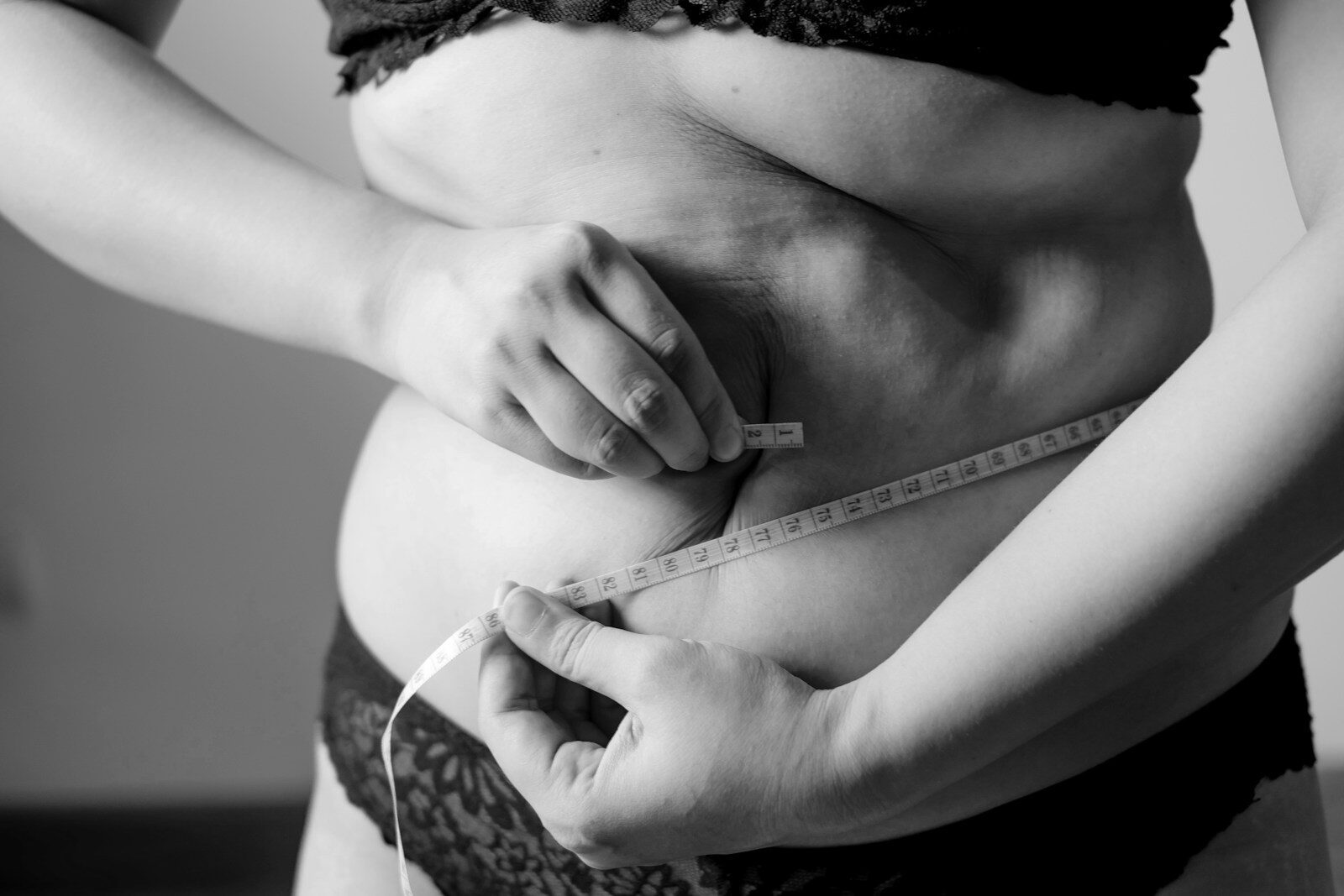
Belly fat is one of the most common concerns among adults who want to improve their weight, fitness, and overall health. Many people notice extra fat around the stomach and immediately start looking for quick solutions such as special drinks, restrictive diets, intense abdominal exercises, or supplements that promise to burn belly fat within a few days.
However, reducing abdominal fat is not usually about finding one magic exercise or one particular food. Belly fat is influenced by overall body-fat levels, eating habits, physical activity, sleep, stress, genetics, age, medications, and certain medical conditions. A sustainable approach focuses on improving overall health and reducing excess body fat gradually rather than trying to force fat loss from one specific area.
It is also important to understand that belly fat is more than a cosmetic concern. Excess fat around the abdomen can be associated with increased risks of conditions such as type 2 diabetes, cardiovascular disease, high blood pressure, and metabolic problems. The location of body fat matters, which is why waist circumference can provide additional information alongside body mass index (BMI).
This guide explains what belly fat is, why it develops, how to measure waist size, which lifestyle factors can contribute to abdominal fat, how diet and exercise can support healthier weight management, common mistakes to avoid, and when professional medical advice may be appropriate.
Medical disclaimer: This article is intended for general educational purposes and does not replace personalized medical advice, diagnosis, or treatment. Individual weight-management needs vary. People with medical conditions, those taking medicines that can affect weight, pregnant or breastfeeding individuals, and anyone experiencing unexplained changes in weight should consult a qualified healthcare professional.
What Is Belly Fat?
Belly fat refers broadly to excess fat stored around the abdomen or stomach area.
There are different types of fat in the body. Some fat is stored directly beneath the skin, while another type, called visceral fat, is stored deeper inside the abdomen around internal organs.
Visceral fat is particularly important from a health perspective because excess abdominal fat is associated with metabolic and cardiovascular risks.
A person can have a relatively normal body weight while still carrying a higher proportion of fat around the abdomen. This is one reason why looking only at body weight may not provide a complete picture of health.
NIDDK notes that BMI does not directly measure body fat and that where fat is stored also matters. Extra abdominal fat can increase the risk of weight-related health problems, including in some people whose BMI may not appear particularly high.
This is especially relevant for some Asian populations, who may develop metabolic risk at lower BMI levels because of differences in body-fat distribution.
Subcutaneous Fat vs Visceral Fat
Understanding the difference between types of abdominal fat can make the topic easier to understand.
Subcutaneous Fat
Subcutaneous fat is located just beneath the skin.
It is the soft fat that you can generally pinch with your fingers.
Having some body fat is normal and necessary for health. The concern arises when overall body-fat levels become excessive.
Visceral Fat
Visceral fat is located deeper inside the abdominal cavity and surrounds internal organs.
It is not possible to accurately determine the amount of visceral fat simply by looking in the mirror.
Medical imaging techniques can measure internal fat more directly, but they are not routinely required for everyday weight management.
Instead, healthcare professionals may consider measurements such as waist circumference, BMI, medical history, blood pressure, blood glucose, cholesterol, and other factors to evaluate overall health risk.
Why Is Belly Fat a Health Concern?
Excess abdominal fat can be associated with a higher risk of several health conditions.
NIDDK identifies obesity and excess abdominal fat as risk factors associated with conditions including type 2 diabetes, high blood pressure, heart disease, stroke, fatty liver disease, kidney disease, sleep apnea, osteoarthritis, and other health problems.
CDC also notes that excess belly fat can increase the risk of type 2 diabetes, heart disease, and stroke.
This does not mean that everyone with a larger waist will develop these conditions.
Health risk depends on multiple factors, including age, genetics, overall body composition, blood pressure, blood sugar, cholesterol, physical activity, smoking, diet, and existing medical conditions.
The important point is that abdominal fat can be one part of a broader health-risk picture.
What Causes Belly Fat?
There is rarely one single cause of abdominal fat.
Instead, multiple factors can contribute.
Excess Calorie Intake
When a person regularly consumes more energy from food and drinks than the body uses, the body can store some of the excess energy as fat.
Over time, this can contribute to increased overall body fat, including abdominal fat.
This does not mean that every calorie has exactly the same nutritional value or that weight management is simply a matter of willpower.
Food quality, appetite, sleep, physical activity, medications, medical conditions, stress, and environment can all influence weight.
Highly Processed Foods
Many highly processed foods can be easy to overconsume because they may be calorie-dense and highly palatable.
Examples include certain packaged snacks, desserts, fried foods, and sugar-sweetened products.
A healthy diet does not require eliminating every processed food.
Instead, the overall pattern matters.
Making nutrient-rich foods the foundation of meals while limiting frequent consumption of foods that provide large amounts of calories with relatively little nutritional value can support weight management.
Sugary Drinks
Sugary beverages can contribute significant amounts of added sugar and calories.
Because liquid calories may be less filling for some people than solid foods, regular consumption can make it easier to consume more energy than intended.
Examples include sugar-sweetened soft drinks, sweetened energy drinks, and other beverages containing substantial added sugar.
Replacing some of these beverages with water or other lower-calorie options can be a practical lifestyle change for people trying to manage their weight.
Lack of Physical Activity
A sedentary lifestyle can contribute to weight gain and make maintaining a healthy weight more difficult.
Regular physical activity increases energy expenditure and provides numerous health benefits beyond weight control.
Current CDC guidance states that adults generally need at least 150 minutes of moderate-intensity aerobic activity per week, along with muscle-strengthening activities on at least two days each week. Individual needs can vary.
Poor Sleep
Sleep is another important factor.
Insufficient or poor-quality sleep can make healthy eating and regular exercise more difficult.
People who sleep poorly may experience changes in appetite, energy, mood, and daily routine.
Sleep should therefore be considered part of a complete weight-management strategy rather than an unrelated lifestyle issue.
Chronic Stress
Long-term stress can influence eating behavior, sleep, activity levels, and daily routines.
Some people eat more when they are stressed, while others may experience changes in appetite.
Stress can also make it difficult to consistently follow healthy habits.
Managing stress does not automatically remove belly fat, but improving stress management can make healthy lifestyle changes easier to maintain.
Age
Body composition can change with age.
Muscle mass may decline while body-fat levels can increase, especially when physical activity decreases.
This means that a person may notice changes around the waist even if their overall body weight does not change dramatically.
Genetics
Genes can influence body-fat distribution, appetite, metabolism, and other factors related to weight.
Two people following similar lifestyles may not store fat in exactly the same way.
Genetics does not mean that lifestyle has no influence, but it helps explain why individual results vary.
Certain Medicines
Some medicines can contribute to weight gain in certain people.
NIDDK notes that medicines and health problems can influence body weight.
If you notice significant unexplained weight gain after starting a medicine, do not stop the medicine on your own.
Discuss the change with the prescribing healthcare professional.
Medical Conditions
Certain medical conditions can affect weight.
NIDDK lists conditions such as hypothyroidism, polycystic ovary syndrome (PCOS), Cushing’s syndrome, depression, and other health problems among factors that may contribute to weight gain in some people.
This is one reason why persistent or unexplained weight gain should not always be treated as a simple diet problem.
Does Belly Fat Mean You Are Overweight?
Not necessarily.
A person can have a normal BMI but still have relatively high abdominal fat.
BMI is useful as a population-level and clinical screening measure, but it does not directly measure body-fat percentage or determine where fat is stored.
This is why healthcare professionals may consider multiple measurements rather than relying on weight alone.
Waist circumference is one practical measurement that can provide additional information.
How to Measure Waist Circumference
A measuring tape can be used to measure waist circumference.
CDC guidance describes measuring around the middle, just above the hip bones, and taking the measurement after breathing out.
The measurement should be taken consistently if you want to track changes over time.
Avoid pulling the tape extremely tight or allowing it to become loose.
What Waist Size Is Considered Higher Risk?
NIDDK and CDC identify waist measurements of more than approximately 40 inches for men and 35 inches for women as associated with increased risk of obesity-related health problems.
These thresholds are not a diagnosis and do not apply identically to every population.
Some ethnic groups, including many Asian populations, can have increased metabolic risk at lower BMI and waist measurements.
Therefore, people should interpret waist measurements in the context of their overall health and, when necessary, professional medical assessment.
Can You Lose Belly Fat Specifically?
This is one of the most common questions.
The short answer is that you generally cannot choose exactly where your body loses fat first.
Doing hundreds of abdominal exercises can strengthen abdominal muscles, but it does not guarantee that the fat covering those muscles will disappear.
Overall fat loss can reduce abdominal fat, but the pattern and speed of fat loss vary from person to person.
Genetics, sex, age, body composition, hormones, and other factors can influence where fat is stored and where it is lost first.
Therefore, claims such as “burn belly fat in seven days” should be approached with caution.
Do Ab Exercises Burn Belly Fat?
Abdominal exercises can strengthen and develop the muscles of the core.
Examples include:
- Planks
- Crunch variations
- Leg raises
- Dead bugs
- Bird dogs
- Other core-strengthening exercises
These exercises can improve muscular strength and stability.
However, they should not be presented as a guaranteed method for specifically removing abdominal fat.
A more complete approach combines aerobic activity, strength training, appropriate nutrition, sleep, and sustainable weight management.
How to Reduce Belly Fat Safely
The most reliable approach is to focus on reducing excess overall body fat while improving health.
1. Create a Sustainable Eating Pattern
Rather than following an extreme diet, build meals around nutrient-rich foods.
A practical pattern may include vegetables, fruits, whole grains, legumes, appropriate protein sources, and healthy fats in suitable portions.
The exact diet should reflect cultural preferences, budget, allergies, medical conditions, and personal lifestyle.
For Indian households, healthy weight management does not require abandoning traditional foods.
Foods such as dal, beans, vegetables, fruits, whole grains, curd, eggs, fish, and other appropriate protein sources can fit into a balanced eating pattern.
The key is the overall combination and portion size.
2. Increase Protein Appropriately
Protein is important for maintaining muscles and supporting normal body functions.
Including an appropriate protein source in meals can also contribute to meal satisfaction.
However, more protein is not automatically better.
People with kidney disease or certain other health conditions may require individualized dietary advice.
3. Eat More Fiber-Rich Foods
Fiber can help support digestive health and may contribute to fullness.
Common sources include:
- Vegetables
- Fruits
- Lentils
- Beans
- Whole grains
- Nuts
- Seeds
Increase fiber gradually if your current intake is low.
A sudden large increase may cause bloating or gas.
4. Reduce Sugary Drinks
One practical step is to reduce the frequency and quantity of sugar-sweetened beverages.
Water can be a simple alternative for many people.
If you enjoy tea or coffee, pay attention to how much added sugar you use.
Small changes repeated consistently can make a meaningful difference over time.
5. Watch Portion Sizes
Even nutritious foods contain energy.
Large portions can contribute more calories than your body needs.
Try eating slowly, serving reasonable portions, and paying attention to hunger and fullness.
You do not necessarily need to count every calorie forever.
However, temporarily tracking food intake can help some people understand their eating patterns.
6. Increase Daily Movement
Exercise is important, but physical activity does not have to mean spending hours in a gym.
Walking, cycling, swimming, household activities, climbing stairs, and other forms of movement can contribute to overall activity.
CDC notes that regular physical activity provides benefits for heart health, sleep, mental health, blood pressure, diabetes risk, and weight management.
7. Add Strength Training
Strength training can help maintain and build muscle.
Muscle-strengthening activities can include resistance bands, weights, bodyweight exercises, and other forms of resistance exercise.
Beginners should start at an appropriate level and increase gradually.
If you have an injury or medical condition, seek professional guidance before starting a new exercise routine.
8. Improve Sleep
Aim for a regular sleep schedule and create an environment that supports restful sleep.
If you consistently experience loud snoring, breathing interruptions during sleep, or severe daytime sleepiness, speak with a healthcare professional.
Excess weight is associated with sleep apnea, and sleep apnea itself can affect overall health.
9. Manage Stress
Stress management can help support healthy routines.
Useful approaches may include walking, exercise, relaxation practices, hobbies, social connection, structured routines, and professional support when needed.
If emotional eating becomes difficult to control, consider speaking with a qualified healthcare professional or mental-health specialist.
Is Walking Enough to Reduce Belly Fat?
Walking can be an excellent starting point.
A person who currently does very little activity can begin with manageable walking sessions and gradually increase duration and frequency.
However, whether walking alone is enough for significant fat loss depends on many factors.
Weight change is influenced by total energy intake, activity, starting body weight, sleep, genetics, and other factors.
CDC recommends at least 150 minutes of moderate-intensity aerobic activity per week for adults for general health, with additional activity sometimes needed for weight maintenance depending on the individual.
Walking can therefore be one component of a broader strategy.
Can Running Reduce Belly Fat?
Running is a vigorous form of aerobic activity and can increase energy expenditure.
It may support weight management when combined with an appropriate eating pattern.
However, running is not necessary for everyone.
People with joint problems, cardiovascular conditions, significant obesity, or other health concerns may need to begin with lower-impact activities.
Choose an activity that is safe and sustainable for your body.
Can Strength Training Help With Belly Fat?
Strength training can support body composition by helping maintain or increase muscle.
It also improves strength and functional fitness.
For people trying to reduce abdominal fat, strength training can complement aerobic activity and dietary changes.
It should not be marketed as a magic fat-burning method.
Consistency matters more than performing complicated exercises.
What Foods Help Reduce Belly Fat?
No individual food can specifically burn abdominal fat.
However, some foods can make a healthy eating pattern easier to follow.
These may include:
- Vegetables
- Fruits
- Beans
- Lentils
- Whole grains
- Eggs
- Fish
- Lean protein sources
- Unsweetened or minimally sweetened dairy foods where appropriate
- Nuts and seeds in suitable portions
The goal is not to identify one “fat-burning food.”
Instead, build meals that are nutritious, satisfying, and appropriate for your energy needs.
What About Lemon Water?
Lemon water is often promoted online as a belly-fat remedy.
There is nothing wrong with drinking water with lemon if you enjoy it and it fits your diet.
However, lemon water should not be presented as a scientifically proven method for specifically burning abdominal fat.
Any weight-management benefit may come indirectly if it replaces a higher-calorie sugary drink.
The lemon itself is not a magic fat-burning ingredient.
What About Green Tea?
Green tea contains bioactive compounds and is widely studied for its potential health effects.
However, drinking green tea should not be treated as a guaranteed belly-fat treatment.
If you enjoy unsweetened green tea, it can fit into a healthy lifestyle.
But relying on tea while ignoring diet, activity, sleep, and overall calorie intake is unlikely to produce the desired long-term results.
What About Apple Cider Vinegar?
Apple cider vinegar is frequently promoted online for weight loss.
Evidence does not support treating it as a magic solution for abdominal fat.
Large amounts can cause problems such as irritation and may interact with certain medicines or affect potassium levels.
People who want to use apple cider vinegar regularly should discuss it with a healthcare professional if they have medical conditions or take medications.
Do Detox Drinks Burn Belly Fat?
There is no reliable reason to assume that a “detox drink” can selectively remove abdominal fat.
The human body already has organs such as the liver and kidneys that perform important functions involved in processing and eliminating substances.
Commercial detox products may also contain ingredients that are not appropriate for everyone.
Be cautious about products promising rapid fat loss without changes to eating habits or physical activity.
What About Belly-Fat-Burning Supplements?
Weight-loss supplements are heavily marketed online.
Claims such as “melts belly fat,” “destroys visceral fat,” or “lose 5 kg in one week” should be treated with skepticism.
Supplements can also have side effects and may interact with medications.
A product being labeled “natural” does not automatically mean it is safe or effective.
Before taking a weight-loss supplement, especially if you have a medical condition or take medication, speak with a qualified healthcare professional.
Common Mistakes People Make When Trying to Lose Belly Fat
Mistake 1: Expecting Spot Reduction
Doing only abdominal exercises does not guarantee localized fat loss.
Mistake 2: Following Crash Diets
Extreme calorie restriction can be difficult to maintain and may not provide adequate nutrition.
Mistake 3: Skipping Meals Without a Plan
Skipping meals does not automatically produce better fat loss.
What matters is the overall eating pattern.
Mistake 4: Drinking Calories Without Realizing It
Sugary beverages, sweetened coffee, shakes, and other drinks can contribute substantial calories.
Mistake 5: Exercising Excessively
More exercise is not automatically better.
Recovery is important.
Mistake 6: Ignoring Sleep
Poor sleep can make healthy weight-management behaviors harder to maintain.
Mistake 7: Looking Only at the Scale
Body weight can fluctuate because of water, food intake, digestion, and other factors.
Waist circumference, fitness, strength, blood pressure, blood sugar, and other health markers may also be useful.
Mistake 8: Comparing Your Progress With Someone Else
People lose fat at different rates.
Genetics, age, sex, starting weight, activity, diet, sleep, and medical factors all influence results.
How Long Does It Take to Lose Belly Fat?
There is no fixed timeline.
Some people notice changes in waist size relatively quickly, while others require several months of consistent lifestyle changes.
The rate depends on starting body composition, calorie intake, activity, genetics, sleep, medical factors, and adherence.
Avoid setting unrealistic deadlines such as “flat stomach in 10 days.”
A better goal is to establish healthy behaviors that you can maintain for months and years.
Can Belly Fat Return After Losing It?
Yes.
Weight regain can occur when previous eating and activity patterns return.
This is why long-term weight management is different from a short-term diet.
NIDDK describes weight management as an ongoing process involving healthy eating, physical activity, behavior changes, monitoring, and support.
The goal should therefore be to create habits that remain realistic after the initial weight-loss period.
Belly Fat and Metabolic Health
Abdominal fat can be part of a broader metabolic-health picture.
Metabolic syndrome includes a combination of risk factors such as a large waist size, elevated triglycerides, high blood pressure, elevated fasting blood glucose, and low HDL cholesterol.
Having multiple risk factors increases the risk of cardiovascular disease and type 2 diabetes.
This is why someone concerned about abdominal fat may benefit from checking more than their waist measurement.
Depending on individual circumstances, a healthcare professional may evaluate blood pressure, blood glucose, cholesterol, liver health, and other markers.
Belly Fat and Type 2 Diabetes
Excess body fat, particularly abdominal fat, is associated with increased risk of type 2 diabetes.
NIDDK notes that overweight and obesity are major risk factors for type 2 diabetes and that losing a modest amount of weight can help some people at risk of diabetes.
If you have a family history of diabetes, high blood sugar, prediabetes, or other risk factors, discuss appropriate screening with a healthcare professional.
Belly Fat and Heart Health
Excess weight and abdominal fat are associated with cardiovascular risk factors including high blood pressure, abnormal blood lipids, and high blood glucose.
These factors can contribute to cardiovascular disease.
Improving physical activity, eating patterns, weight management, blood pressure, blood sugar, and cholesterol can therefore be more important than focusing on appearance alone.
Belly Fat and Fatty Liver
Excess body fat is associated with metabolic dysfunction-associated steatotic liver disease and other forms of fatty liver disease.
NIDDK notes that fatty liver disease is more common among people with overweight or obesity and that weight loss may reduce liver fat in people with excess weight.
If you have been diagnosed with fatty liver, do not rely only on internet diet tips.
A healthcare professional can help determine the appropriate diet, exercise, testing, and follow-up.
Belly Fat and Sleep Apnea
Obesity is a common risk factor for obstructive sleep apnea.
People with sleep apnea may snore loudly, wake frequently, gasp during sleep, or experience excessive daytime sleepiness.
Untreated sleep apnea can affect quality of life and is associated with several health risks.
If you have symptoms of sleep apnea, consult a healthcare professional rather than assuming that losing belly fat alone will solve the problem.
When Should You See a Doctor About Belly Fat?
Consider professional medical advice if you experience:
- Rapid unexplained weight gain
- Rapid unexplained weight loss
- Persistent abdominal swelling or pain
- Significant changes in appetite
- Symptoms of diabetes
- High blood pressure
- Persistent fatigue
- Severe snoring or breathing interruptions during sleep
- Unexplained changes after starting medication
- Difficulty losing weight despite sustained lifestyle changes
- Concerns about hormonal or metabolic conditions
Medical evaluation is especially important if abdominal enlargement is not clearly related to gradual weight gain.
A larger abdomen can sometimes result from bloating, fluid accumulation, pregnancy, digestive problems, organ enlargement, or other medical conditions rather than simply increased body fat.
A Practical Daily Routine for Reducing Belly Fat
There is no perfect daily routine for everyone, but a simple structure can help.
Start your day with a nutritious meal if breakfast fits your eating pattern.
Stay hydrated according to your individual needs.
Include vegetables, fruits, whole grains, legumes, and appropriate protein sources throughout the day.
Avoid routinely consuming large amounts of sugary beverages.
Take regular movement breaks if you sit for long periods.
Include walking or another enjoyable aerobic activity.
Perform strength training on appropriate days.
Eat slowly and pay attention to portions.
Maintain a consistent sleep schedule.
Manage stress through healthy activities.
Track waist circumference or other progress measures periodically rather than obsessively checking the scale every few hours.
A Simple Weekly Exercise Framework
A general framework for a healthy adult might include moderate aerobic activity spread across the week and muscle-strengthening activities at least twice weekly, consistent with CDC physical-activity recommendations.
For example:
Monday: Brisk walking + strength training
Tuesday: Walking or another aerobic activity
Wednesday: Strength training + light movement
Thursday: Brisk walking
Friday: Strength training + walking
Saturday: Longer enjoyable physical activity
Sunday: Recovery and light movement
This is only an example.
People should adapt activity to their fitness level, age, health conditions, injuries, and preferences.
Frequently Asked Questions About Belly Fat
What is the fastest way to lose belly fat?
There is no guaranteed fast method for safely removing abdominal fat. Sustainable overall fat loss through appropriate nutrition, physical activity, sleep, and other healthy habits is a better approach.
Can I lose belly fat without going to the gym?
Yes. You do not need a gym membership to become more physically active. Walking, cycling, bodyweight exercises, resistance bands, and other activities can be performed outside a gym.
Does walking reduce belly fat?
Walking can contribute to increased physical activity and overall weight management. Whether it reduces abdominal fat depends on the person’s overall energy balance and other lifestyle factors.
Can crunches remove belly fat?
Crunches can strengthen abdominal muscles but do not guarantee localized fat loss.
Does drinking warm water burn belly fat?
Warm water is not a proven method for specifically burning abdominal fat. Staying appropriately hydrated is important, but water temperature does not provide a magic fat-burning effect.
Is lemon water good for belly fat?
Lemon water can be part of a healthy diet, especially if it replaces a sugary beverage, but lemon itself does not selectively burn belly fat.
Does skipping dinner reduce belly fat?
Not necessarily. Weight management depends on the overall eating pattern, energy intake, physical activity, and individual circumstances.
How can I reduce belly fat naturally?
Focus on sustainable habits: a balanced eating pattern, appropriate portions, regular physical activity, adequate sleep, stress management, and gradual weight management.
Why is my stomach getting bigger even though I am not eating much?
Many factors can influence abdominal size, including changes in body composition, bloating, constipation, fluid retention, medications, hormonal conditions, and other health problems. Persistent or unexplained abdominal enlargement should be discussed with a healthcare professional.
Can belly fat cause health problems?
Excess abdominal fat is associated with increased risk of several health problems, including type 2 diabetes, cardiovascular disease, high blood pressure, and metabolic syndrome.
What waist size is considered risky?
CDC and NIDDK identify waist measurements above approximately 40 inches for men and 35 inches for women as associated with increased health risk. However, risk thresholds can vary between populations, and waist circumference should be interpreted alongside other health information.
Final Takeaway
Belly fat is a common concern, but it should not be treated only as a cosmetic problem.
Excess abdominal fat can be associated with important health risks, particularly when combined with factors such as high blood pressure, elevated blood sugar, abnormal cholesterol, physical inactivity, and excess overall body weight.
The most reliable approach is not a detox drink, special exercise, supplement, or extreme diet.
Instead, focus on the basics that can be maintained over time: eat a balanced and nutrient-rich diet, manage portions, stay physically active, include strength training, get adequate sleep, manage stress, and work toward a healthy body weight gradually.
You cannot reliably choose exactly where your body loses fat first. As overall body fat decreases, abdominal fat may also decrease, but the rate and pattern vary from person to person.
If you have a large waist circumference, unexplained weight changes, diabetes risk factors, high blood pressure, sleep problems, or other health concerns, consider speaking with a healthcare professional.
The goal should not simply be a flatter stomach.
The bigger goal is better metabolic health, improved fitness, sustainable weight management, and a healthier lifestyle that you can maintain for years.
Medical Sources
- National Institute of Diabetes and Digestive and Kidney Diseases (NIDDK), Am I at a Healthy Weight?
- NIDDK, Health Risks of Overweight & Obesity
- NIDDK, Factors Affecting Weight & Health
- NIDDK, Treatment for Overweight & Obesity
- Centers for Disease Control and Prevention (CDC), Healthy Weight
- CDC, Physical Activity and Your Weight and Health