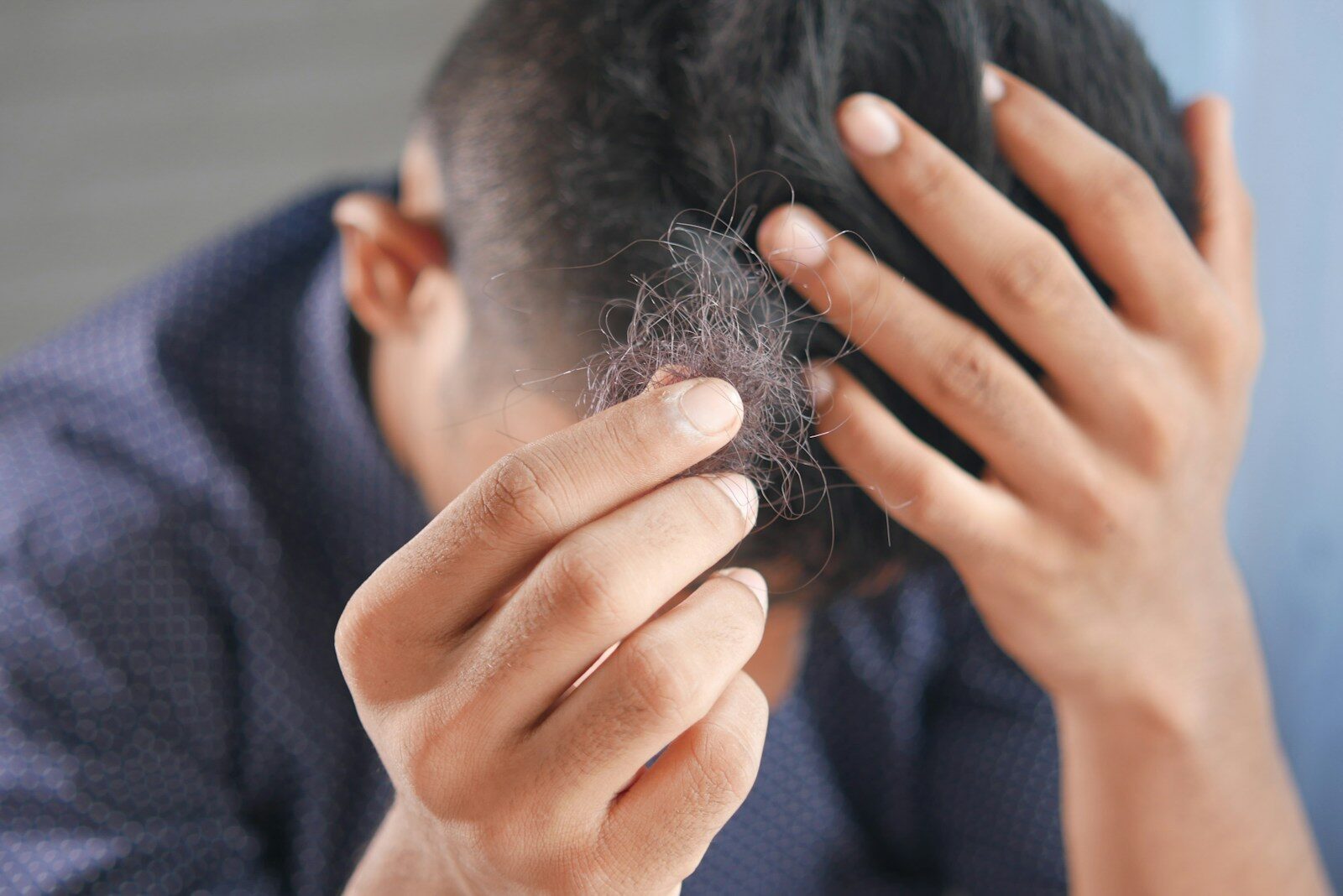
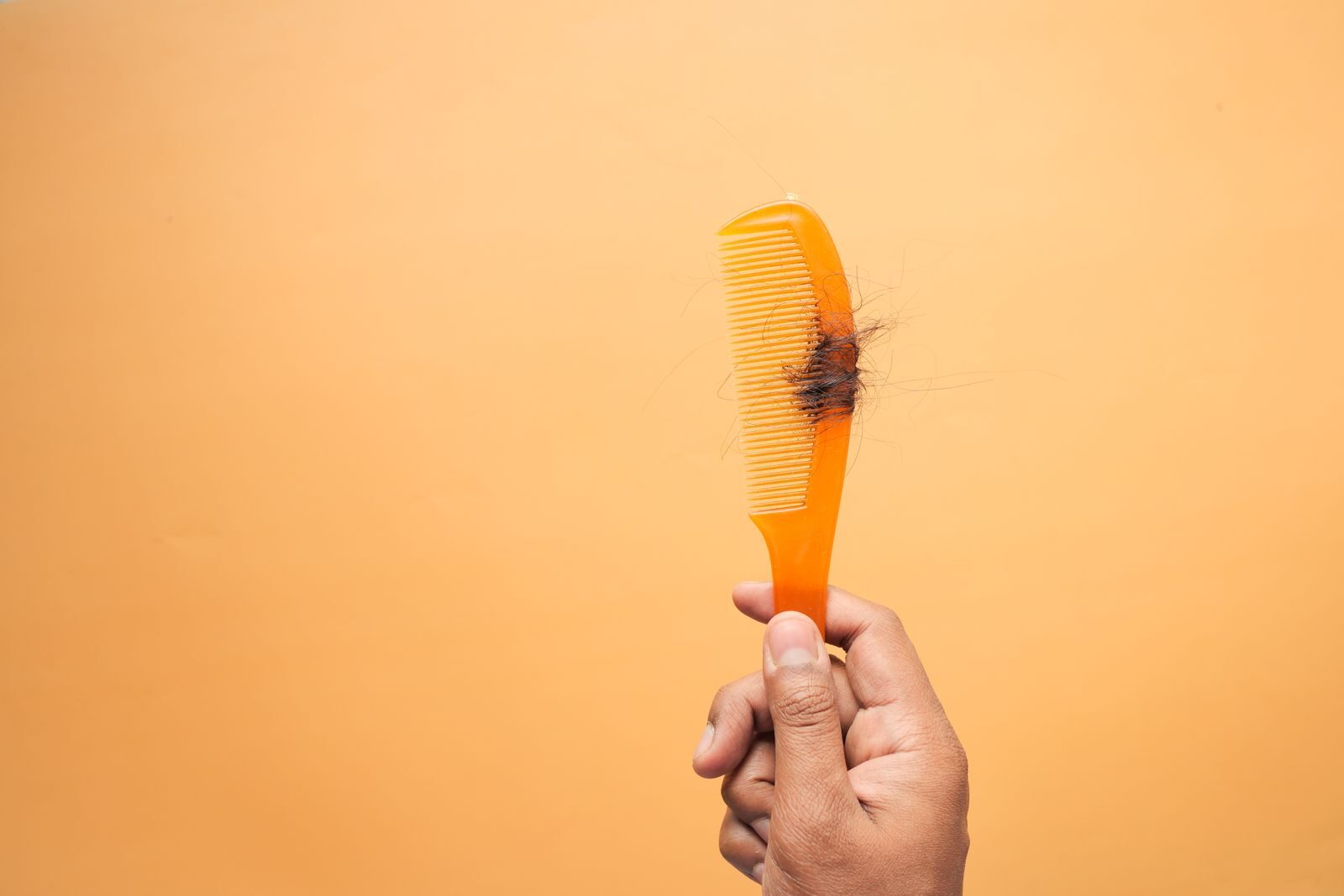
Hair fall after rapid weight loss can be surprising, especially when you are doing something that is supposed to improve your health. Many people notice extra hair on their pillow, in the shower, on their comb, or around the house several weeks or months after losing weight.
This type of hair shedding is often temporary, but it can be frustrating and sometimes worrying. The good news is that understanding why it happens can make it easier to manage.
You may have heard the term “Ozempic hair” on social media. The phrase is commonly used to describe increased hair shedding noticed by some people after using weight-loss medications such as semaglutide. However, the situation is more complicated than simply saying that the medication causes hair loss.
Rapid weight loss itself can place stress on the body. Significant calorie restriction, inadequate protein intake, nutritional deficiencies, hormonal changes, illness, and other factors associated with weight loss can all contribute to increased shedding.
One of the most common explanations is a temporary condition called telogen effluvium. It happens when more hairs than usual move from the active growth phase into the resting phase of the hair cycle.
Hair does not respond immediately to every change in the body. That is why you may lose weight and feel completely fine for a while before suddenly noticing increased shedding.
The delay can make people think that their shampoo, hair oil, or another recent product caused the problem. In reality, the trigger may have happened weeks or months earlier.
Rapid weight loss is one potential trigger because the body may interpret a major reduction in energy or nutrients as physiological stress.
This does not mean that losing weight is unhealthy. Healthy, gradual weight management can have many benefits. The concern is more about extreme calorie restriction, very rapid weight loss, poor nutrition, or other stresses occurring during the process.
Protein is particularly important for healthy hair because hair is largely made of a protein called keratin. If your diet does not provide enough protein, your body has to prioritize essential functions over processes such as hair production.
This is one reason crash diets can sometimes be followed by noticeable shedding.
People who drastically reduce their food intake may also unintentionally consume less iron, zinc, vitamin D, vitamin B12, folate, and other nutrients. Not every person with hair loss has a deficiency, but inadequate nutrition can contribute to the problem.
Another important factor is the amount of weight lost and how quickly it happened. A small, gradual change may not cause noticeable shedding, while a significant and rapid reduction can be more stressful for the body.
The exact experience varies from person to person. Some people notice only slightly more hair in the shower, while others experience obvious thinning across the scalp.
With telogen effluvium, the shedding is usually diffuse. That means hair tends to become thinner across the scalp rather than forming one sharply defined bald patch.
You might notice that your ponytail feels smaller or that your scalp appears more visible under bright light. You may also notice more hair coming out when washing or brushing.
It is important to understand that shedding and permanent hair loss are not always the same thing.
Temporary shedding means more hairs are entering the resting and shedding stages. Once the underlying trigger is addressed, the hair cycle can gradually return toward normal.
Permanent hair loss, on the other hand, can happen because of conditions such as hereditary pattern hair loss or certain forms of scarring alopecia. Rapid weight loss can sometimes make existing pattern hair loss more noticeable because the overall density decreases.
This is why persistent thinning should not automatically be blamed on dieting or a weight-loss medication.
If you are using a medication prescribed for weight management or diabetes and notice hair shedding, do not stop the medication on your own.
Talk with the healthcare professional who prescribed it. They can consider your overall health, rate of weight loss, diet, medication history, and other possible explanations.
The term “Ozempic hair” can be misleading because it suggests that the medication itself is always directly responsible. In many cases, increased shedding may be associated with rapid weight loss and the physiological changes surrounding it.
There may also be individual factors involved. A person taking a weight-loss medication could have another reason for shedding at the same time, such as low iron, thyroid problems, stress, illness, hormonal changes, or a restrictive diet.
This is why a proper evaluation is more useful than relying on social media explanations.
One of the most helpful things you can do is avoid extreme dieting.
Your body needs adequate energy and nutrients to support normal biological functions. Losing weight through a sustainable eating pattern is generally more supportive of overall health than repeatedly following very restrictive diets.
Protein deserves particular attention.
Include adequate protein-rich foods according to your dietary preferences and health needs. Eggs, dairy products, fish, poultry, lean meats, soy foods, lentils, beans, and other legumes can contribute protein to the diet.
If you follow a vegetarian or vegan diet, planning your meals carefully becomes particularly important because you need to make sure you are getting enough protein and essential nutrients from appropriate food sources.
Do not automatically start multiple supplements simply because you are experiencing hair fall.
Hair supplements are heavily marketed, but taking unnecessary high-dose vitamins or minerals does not guarantee faster regrowth. Some nutrients can even cause problems when consumed in excessive amounts.
If a nutritional deficiency is suspected, a healthcare professional can decide whether testing is appropriate and recommend supplementation based on your individual situation.
Iron is a good example.
Iron deficiency can contribute to hair shedding in some people, particularly when dietary intake is inadequate or there are other reasons for low iron stores. But taking iron without knowing whether you need it is not a good approach.
The same principle applies to vitamin D, vitamin B12, zinc, and other nutrients.
A balanced diet is usually a better starting point than building a large collection of hair supplements.
Another important factor is hydration.
Drinking enough fluids supports general health, although simply drinking more water is not a treatment for telogen effluvium or hereditary hair loss.
Hydration should be part of an overall healthy routine rather than viewed as a standalone hair-regrowth solution.
Sleep also matters.
Major changes in eating patterns, work schedules, stress, exercise, and sleep can occur during weight-loss programs. Chronic stress and poor sleep may add additional physiological pressure.
Try to maintain a regular sleep routine and give your body enough time to recover.
Stress management can also be useful.
You do not need an elaborate wellness routine. Regular physical activity, relaxation techniques, time outdoors, hobbies, social connection, or simply creating periods of rest can help you manage everyday stress.
Exercise itself is not usually something you need to avoid because of hair shedding.
In fact, regular physical activity can support overall health. The problem is more likely to arise when intense exercise is combined with severe calorie restriction, inadequate nutrition, or excessive weight loss.
If you are exercising heavily while eating very little, speak with a qualified healthcare professional or registered dietitian about whether your nutrition is adequate.
Hair care also matters while you are experiencing increased shedding.
Be gentle when brushing and washing your hair. Avoid unnecessary pulling, aggressive detangling, and hairstyles that place continuous tension on the roots.
Tight ponytails, buns, braids, extensions, and similar styles can contribute to traction-related hair loss when they repeatedly pull on the hair.
This is different from telogen effluvium, but both problems can occur at the same time.
Heat styling should also be kept under control if your hair has become fragile.
Frequent high-temperature straightening, curling, or blow-drying can damage the hair shaft. This may increase breakage and make your hair look thinner even when the follicles themselves are not permanently damaged.
Hair breakage and hair shedding are two different things.
A shed hair usually comes from the follicle after completing its growth cycle. Broken hair, on the other hand, snaps somewhere along the shaft.
If you see many short broken hairs, split ends, or uneven lengths, your concern may involve hair damage in addition to shedding.
Use a gentle approach when caring for wet hair because wet hair can be more vulnerable to mechanical damage.
You do not necessarily need expensive shampoos or specialized hair oils.
A simple shampoo and conditioner routine suited to your scalp and hair type is often enough for basic hair care.
If your scalp is itchy, excessively flaky, painful, red, or inflamed, however, the situation deserves more attention.
Scalp conditions can contribute to discomfort and sometimes hair shedding. Persistent dandruff, psoriasis, dermatitis, fungal infections, and other scalp disorders may require specific treatment.
Another common question is whether washing your hair causes hair loss after weight loss.
Usually, washing does not cause telogen effluvium.
You may simply notice more shed hairs during washing because hairs that were already ready to fall out become detached at the same time.
This can make the amount of shedding look dramatic, particularly if you do not wash your hair every day.
The same thing can happen when brushing.
Seeing several hairs on a brush does not necessarily mean the brush caused them to fall out.
The timing of your shedding is more important than the number of hairs you notice during one shower.
It is also normal to lose some hair every day. The amount varies between individuals and can change depending on hair length, washing frequency, and other factors.
The more useful question is whether your shedding has clearly increased compared with your normal pattern.
Another question people often ask is whether rapid weight loss can cause permanent baldness.
In many cases of telogen effluvium, the shedding is temporary and hair density can improve after the underlying trigger is addressed.
However, not every case of hair loss after weight loss is telogen effluvium.
If you have genetic pattern hair loss, rapid weight loss may make existing thinning more noticeable. If another medical condition is present, the shedding may continue until that condition is addressed.
This is why persistent or progressive hair loss should be evaluated rather than simply waiting indefinitely.
The hair-growth cycle also explains why regrowth takes time.
Hair follicles do not immediately produce thick new hairs after a stressful event ends. Hair growth is gradual, so improvement can take months.
This can be difficult emotionally because people often expect their hair to return to normal as soon as their weight stabilizes.
Unfortunately, hair usually does not work that quickly.
You may first notice that shedding decreases. Later, small new hairs may become visible along the hairline or parting.
Those short hairs are not necessarily evidence of a new treatment working overnight. They may simply represent normal regrowth.
The important thing is to give the hair cycle enough time while addressing possible triggers.
If your weight loss was extremely rapid, consider discussing your approach with a healthcare professional.
The goal should not simply be to lose weight as quickly as possible. A sustainable plan should also protect muscle mass, nutritional status, energy levels, and overall health.
A registered dietitian can be particularly helpful if you are struggling to meet protein or nutrient needs while losing weight.
People taking appetite-suppressing medications may find this especially important because reduced appetite can make it harder to consume enough nutritious food.
Feeling less hungry can be helpful for weight management, but it can also make it easy to unintentionally eat too little.
Instead of focusing only on calories, pay attention to the nutritional quality of the food you are able to eat.
Adequate protein, vegetables, fruits, whole grains or other nutrient-rich carbohydrates, healthy fats, and appropriate fluids can help support a balanced diet.
Your specific nutritional needs can vary based on age, sex, body size, activity level, medical conditions, medications, and weight-loss goals.
That is why personalized advice is preferable to copying a diet from social media.
Another misconception is that taking biotin will automatically stop hair fall.
Biotin deficiency can cause hair problems, but true deficiency is relatively uncommon in many people. Taking large amounts when you are not deficient does not necessarily improve hair growth.
High-dose biotin can also interfere with certain laboratory tests.
If you are considering supplements for hair loss, discuss them with a healthcare professional rather than assuming that more vitamins mean more hair.
The same caution applies to “hair gummies,” herbal products, and products marketed as natural hair-growth solutions.
Natural does not automatically mean effective or risk-free.
Some supplements can interact with medications or provide excessive amounts of certain nutrients.
A more useful approach is to identify the likely cause of the shedding.
A dermatologist can examine the scalp and hair pattern and determine whether the problem looks like telogen effluvium, pattern hair loss, alopecia areata, traction alopecia, a scalp disorder, or another condition.
Sometimes a medical history is enough to identify a likely trigger. In other cases, blood tests may be considered depending on the symptoms and suspected causes.
Tests are not automatically required for every person experiencing hair shedding.
A healthcare professional may decide what is appropriate based on your history, diet, menstrual history when relevant, medications, symptoms, and physical examination.
You should seek medical attention sooner if your hair loss is sudden, severe, patchy, associated with scalp pain or inflammation, or accompanied by other unexplained symptoms.
A rapidly widening part, clearly receding hairline, bald patches, or progressive thinning also deserves evaluation.
Do not assume every unusual change is simply a side effect of weight loss.
Hair loss can sometimes be an early sign that something else needs attention.
Thyroid disorders, iron deficiency, hormonal changes, nutritional problems, autoimmune conditions, medications, and other health issues can contribute to hair loss.
If you recently experienced a high fever, infection, surgery, major illness, severe emotional stress, or significant dietary change, tell your healthcare professional.
These details can help identify a possible trigger.
Keeping a simple timeline can also be useful.
Write down when you started losing weight, how quickly your weight changed, when the shedding began, any major illnesses or stressful events, changes in medication, and significant changes in your diet.
This can make it easier to understand whether the timing fits a temporary shedding pattern.
Photos can also help you monitor changes.
Take scalp photographs under similar lighting every few weeks rather than checking your hair in the mirror several times every day.
Daily checking can make normal fluctuations seem much more significant.
Patience is especially important with hair loss.
Hair growth is slow, and temporary shedding can continue for a period even after the original trigger has passed.
That does not mean nothing is improving.
If your shedding is caused by telogen effluvium, the main goal is usually to identify and correct the trigger while supporting overall health.
Some people with other forms of hair loss may benefit from treatments such as minoxidil. Whether it is appropriate depends on the type and cause of hair loss.
Minoxidil is not a universal solution for every type of shedding, and it can take several months to assess its effect. A dermatologist can help determine whether it makes sense in your situation.
Prescription treatments may also be appropriate for certain types of hair loss, but these require individualized medical assessment.
Do not start prescription hair-loss medicines based solely on advice from social media.
Pregnancy, breastfeeding, underlying medical conditions, medication interactions, and other factors can affect which treatments are appropriate.
One of the biggest mistakes people make after noticing hair fall is changing everything at once.
They may switch shampoos, start several supplements, stop medication, drastically change their diet, apply multiple oils, and begin aggressive scalp treatments.
This can make it nearly impossible to determine what is actually helping.
A calmer approach is usually better.
Focus on adequate nutrition, sustainable weight management, gentle hair care, good sleep, stress management, and appropriate medical evaluation when needed.
If your weight loss is intentional, you do not necessarily need to stop pursuing your health goals because of temporary shedding.
Instead, make sure the weight-loss strategy is nutritionally adequate and medically appropriate.
If you are losing weight unintentionally, however, that is a different situation.
Unexplained weight loss combined with significant hair shedding should be discussed with a healthcare professional because both symptoms may have an underlying cause.
Another important point is that hair fall can affect emotional wellbeing.
Even temporary shedding can make people anxious about their appearance. It can create a cycle where every shower becomes stressful and every loose hair feels alarming.
Remember that seeing shed hair does not automatically mean you are becoming permanently bald.
The hair cycle naturally includes shedding, and temporary increases in shedding can occur after significant physiological stress.
The goal is to look at the overall pattern rather than one day’s hair count.
If you are concerned about “Ozempic hair,” the most useful question is not simply whether Ozempic causes hair loss.
A better question is what changed in your body around the time the shedding started.
Did you lose weight rapidly? Did your appetite decrease significantly? Are you eating enough protein? Did you have a major illness or stressful period? Did your diet become highly restrictive? Could you have a nutritional deficiency? Was there already some pattern hair thinning?
These questions provide much more useful information.
Weight-loss medications can be valuable medical treatments for appropriate patients, and hair shedding should not automatically be interpreted as a reason to discontinue them.
If you are experiencing significant shedding, discuss the issue with your prescribing clinician.
They can help balance the benefits of the medication with your nutritional status, rate of weight loss, and other health factors.
If you are not using a weight-loss medication, the same principles still apply.
Rapid weight loss from dieting, fasting, illness, surgery, or other causes can potentially trigger temporary hair shedding.
The body responds to significant changes in different ways, and hair is one of the tissues that can show the effects later.
This delayed response is one reason hair loss after weight loss can be confusing.
You may have already reached your target weight by the time your shedding becomes obvious.
That does not necessarily mean your current diet or medication is the immediate cause.
Think back several weeks or months and consider what was happening in your body during that period.
The good news is that temporary hair shedding often improves with time once the triggering stress is addressed.
But if the shedding continues, becomes more severe, or produces visible areas of thinning, professional evaluation is worthwhile.
There is no need to panic, but there is also no benefit in ignoring significant or persistent hair loss.
The best approach combines realistic expectations with proper medical care.
Rapid weight loss can affect hair because the body is sensitive to major changes in energy, nutrients, hormones, and physiological stress. “Ozempic hair” is a popular term, but it should not be treated as a complete medical diagnosis.
For many people, the issue may be temporary shedding associated with rapid weight loss rather than permanent damage to the follicles.
Supporting your body with adequate nutrition, especially sufficient protein and essential nutrients, avoiding extreme dieting, practicing gentle hair care, and seeking medical advice when necessary can provide a sensible path forward.
Most importantly, do not sacrifice your overall health in an attempt to protect your hair, and do not sacrifice your hair health by following an unnecessarily extreme weight-loss plan.
Healthy weight management and healthy hair can coexist when the approach is balanced, sustainable, and appropriate for your individual needs.