Hot News

# Constipation After Antibiotics: Why It Happens, What Helps and When to Worry Antibiotics are important medicines that help treat many bacterial infections, but they can sometimes temporarily change the way your digestive system works. Most people associate antibiotics with diarrhea, but **constipation after antibiotics can also happen**. You may notice fewer bowel movements, harder stools, bloating, gas or a feeling that your bowel movements are not as regular as usual. Why does this happen? Antibiotics can alter the community of microorganisms living in your digestive tract. At the same time, being sick, changing your diet, drinking less fluid, becoming less active or taking other medications can all affect your bowel movements. The good news is that constipation after a course of antibiotics is often temporary. However, persistent constipation, severe abdominal symptoms or signs of another digestive problem should not simply be blamed on the antibiotic. ## Can Antibiotics Cause Constipation? Yes, **antibiotics can contribute to changes in bowel habits, including constipation**, although diarrhea is a more commonly recognized digestive side effect. Antibiotics work by targeting bacteria involved in infections. They can also affect some of the bacteria that normally live in the digestive tract. These changes may temporarily alter digestion and bowel function. However, constipation after antibiotics is not always caused directly by the medicine. Other factors surrounding an illness can be just as important. For example, you may have been: * Eating less than usual * Drinking less fluid * Spending more time in bed * Exercising less * Taking iron supplements * Taking opioid pain medication * Using certain antacids * Following a different diet * Experiencing stress because of illness All of these factors can contribute to constipation. ## Why Can Constipation Happen After Taking Antibiotics? There is usually more than one possible explanation. ### Antibiotics Can Change the Gut Microbiome Your digestive tract contains a large community of microorganisms known collectively as the **gut microbiome**. These microorganisms interact with food, digestion and other processes in the intestines. Antibiotics can change the composition and balance of this microbial community. The effects vary depending on the specific antibiotic, dose, duration and individual. For some people, these changes may temporarily affect bowel habits. It is important not to assume that every change in bowel movement after antibiotics is caused by “bad gut bacteria.” The digestive system is complex, and several factors can overlap. ### Illness Can Change Your Normal Routine Sometimes the infection itself is a bigger contributor than the antibiotic. When you’re sick, you may eat differently, drink less, sleep more and move less. If you spend several days resting in bed and consuming fewer fiber-rich foods and fluids, constipation can develop. ### Other Medicines May Be Involved People taking antibiotics are sometimes also taking medicines for fever, pain, nausea, allergies or other symptoms. Some medications can slow bowel movements. Opioid pain medicines are a particularly common cause of constipation. Certain antacids, iron supplements and other medicines can also contribute. If constipation started after you began several medicines at the same time, ask a doctor or pharmacist which ones may be contributing. ## What Does Constipation After Antibiotics Feel Like? The symptoms are generally similar to other types of constipation. You may experience: * Fewer bowel movements than usual * Hard or dry stool * Straining * Pain or discomfort when passing stool * A feeling that you have not completely emptied your bowel * Bloating * Gas * Abdominal fullness * Mild abdominal discomfort You do not have to poop every day to have a healthy bowel pattern. What matters is whether your bowel movements have become unusually infrequent or difficult compared with your normal pattern. ## How Long Does Constipation After Antibiotics Last? There is no exact timeline. Some people notice their bowel habits returning to normal soon after finishing treatment. For others, changes can last longer, particularly if their diet, activity level or other medications have also changed. If constipation continues after the antibiotic course is finished, don’t automatically assume the antibiotic is still the cause. Persistent constipation may have another explanation and deserves attention. ## What Can You Do for Constipation After Antibiotics? If your symptoms are mild and you otherwise feel well, basic constipation measures may help. ### Increase Fiber Gradually Fiber helps add bulk to stool and can support regular bowel movements. Try including foods such as: * Oats * Whole grains * Lentils * Beans * Chickpeas * Pears * Apples with the skin * Oranges * Berries * Vegetables * Nuts * Seeds Adults generally need around **22 to 34 grams of fiber per day**, depending on age and sex. If your diet has been low in fiber, increase it gradually rather than suddenly adding large amounts. A rapid increase can worsen gas and bloating. ### Drink Adequate Fluids Make sure you are drinking enough fluids for your individual needs. This is especially important when increasing fiber because fiber works best when paired with adequate fluid intake. You do not need to force excessive amounts of water. If you have been instructed to restrict fluids because of a medical condition, follow your healthcare professional’s advice. ### Start Moving Again If you’ve been resting because of an illness, gradually returning to normal physical activity may help your bowel function. Even a walk can be a useful starting point if you are well enough to exercise. Don’t push yourself if you’re still recovering from an infection. ### Don’t Ignore the Urge If you feel the need to poop, try to use the bathroom rather than repeatedly postponing it. Regularly ignoring the urge can make bowel habits harder to manage. ### Try a Regular Bathroom Routine Many people find it useful to sit on the toilet after breakfast or another meal. Eating naturally stimulates activity in the digestive tract. Give yourself enough time and try to relax rather than straining forcefully. ### Consider Your Toilet Position Placing your feet on a small footstool may make passing stool more comfortable. The goal is to position your knees slightly higher than your hips and allow the pelvic muscles to relax. ## Should You Take Probiotics After Antibiotics? Probiotics are live microorganisms found in certain foods and supplements. They are often promoted as a way to “restore” gut bacteria after antibiotics. However, probiotics are not a universal solution for every digestive symptom, and different probiotic strains can have different effects. Some people may benefit from specific probiotic products in particular circumstances, while others may notice no meaningful difference. If you’re considering a probiotic supplement, ask a healthcare professional or pharmacist whether it is appropriate for you, particularly if you have a weakened immune system or a serious underlying illness. You do not necessarily need a probiotic supplement simply because you completed an antibiotic course. ## What About Yogurt and Fermented Foods? Foods such as yogurt containing live cultures and certain fermented foods may be part of a healthy diet. They can provide microorganisms and nutrients, but they should not be viewed as a guaranteed treatment for constipation. If you tolerate these foods, they can be included alongside a balanced diet containing adequate fiber and fluids. If dairy products cause you bloating or discomfort, choose other foods instead. ## Should You Stop Your Antibiotic If You Become Constipated? **No. Do not stop a prescribed antibiotic simply because you develop constipation unless your healthcare professional tells you to do so.** Stopping antibiotics early or changing the schedule without medical advice can interfere with treatment. If you believe the antibiotic is causing significant side effects, contact the prescribing clinician or pharmacist. They can determine whether you should continue, change or stop the medicine. Never use leftover antibiotics from a previous illness. ## Can Antibiotics Cause Constipation and Diarrhea at the Same Time? Bowel changes after antibiotics can sometimes be confusing. You may experience loose stool at one point and constipation at another, particularly if your diet, hydration and activity level have changed. There is also a condition called **overflow diarrhea**, in which liquid stool passes around a large amount of impacted stool. If you have watery stool but also feel blocked, severely bloated or unable to properly empty your bowel, don’t assume the watery stool means your constipation has resolved. A healthcare professional should assess persistent or unusual symptoms. ## Antibiotics, Constipation and C. difficile: What Should You Know? One important reason not to ignore significant bowel changes after antibiotics is the possibility of **Clostridioides difficile**, commonly called C. difficile. Antibiotic use can increase the risk of C. difficile infection, which more commonly causes diarrhea, abdominal pain and fever rather than simple constipation. If you develop frequent watery diarrhea, significant abdominal pain, fever or other concerning symptoms during or after antibiotic treatment, seek medical advice promptly. Do not try to diagnose or treat a possible antibiotic-associated infection at home. ## Can Antibiotics Cause Severe Constipation? Severe constipation after antibiotics is possible, but it should not automatically be assumed to be a normal medication side effect. If constipation becomes severe, healthcare professionals may need to consider other causes, including: * Dehydration * Medication side effects * Fecal impaction * Changes in diet * Reduced physical activity * Underlying digestive disorders * Intestinal obstruction or other medical problems The presence of severe symptoms matters more than simply knowing that you recently took an antibiotic. ## When Should You See a Doctor? Contact a healthcare professional if constipation is persistent, repeatedly returns or does not improve with reasonable self-care. You should also discuss constipation with a doctor or pharmacist if you are taking multiple medicines or supplements and are unsure which one may be responsible. ### Seek Urgent Medical Attention If You Have: * Severe or constant abdominal pain * Significant abdominal swelling * Repeated vomiting * Inability to pass gas * Blood in your stool * Black or tarry stool * Fever with significant abdominal symptoms * Severe weakness or dehydration * A sudden worsening of symptoms These symptoms may indicate a problem that needs prompt evaluation. ## Can Constipation After Antibiotics Lead to Fecal Impaction? Prolonged constipation can sometimes cause **fecal impaction**, where hard stool becomes lodged in the rectum or colon. Possible symptoms include: * Increasing abdominal discomfort * Bloating * Difficulty passing stool * A sensation of blockage * Small amounts of stool passing without proper relief * Watery stool leaking around the impacted stool If you suspect an impaction, do not attempt to manually remove the stool yourself. Seek medical care so the problem can be evaluated and treated safely. ## How to Get Your Bowel Routine Back After Antibiotics Once you have recovered from your infection, focus on gradually returning to your normal habits. ### Return to Regular Meals If you have been eating very little, gradually return to balanced meals. Include fiber-rich foods as tolerated. ### Rebuild Your Activity Level If illness kept you inactive, gradually return to your usual movement. ### Keep Your Fluid Intake Consistent Avoid long periods without drinking, particularly in hot weather or when recovering from illness. ### Maintain a Regular Bathroom Routine Respond to natural urges and consider giving yourself relaxed bathroom time after meals. ### Review Your Medications If constipation persists, ask your doctor or pharmacist to review your medicines and supplements. This is especially useful if you started several new products while you were sick. ## What Foods Should You Eat for Constipation After Antibiotics? There is no single food that instantly fixes constipation. Instead, aim for a varied diet. ### Fiber-Rich Fruits Pears, apples with their skin, oranges and berries can contribute fiber. ### Vegetables Vegetables such as carrots, peas, broccoli and leafy greens can help increase overall fiber intake. ### Whole Grains Oats, whole-wheat foods and other minimally refined grains can provide useful fiber. ### Legumes Beans, lentils and chickpeas are excellent sources of dietary fiber. ### Nuts and Seeds Nuts and seeds can add fiber and other nutrients to meals. Increase fiber gradually if your digestive system is sensitive. ## Foods to Limit When You Are Constipated You don’t necessarily need to completely eliminate any particular food. However, if most of your diet consists of highly processed, low-fiber foods, replacing some of them with fiber-rich whole foods may improve bowel regularity. Large amounts of processed snacks, refined grains and other low-fiber foods may make it harder to meet your fiber needs. The goal is balance rather than an extremely restrictive diet. ## Frequently Asked Questions ### Can antibiotics make you constipated? They can contribute to changes in bowel habits, including constipation, although diarrhea is more commonly associated with antibiotic use. Changes in diet, hydration, activity and other medications can also be involved. ### How long after antibiotics can constipation occur? Constipation may occur during or after an antibiotic course, but there is no fixed timeline. The timing can also be influenced by illness, diet, hydration and other medicines. ### Does constipation after antibiotics mean my gut bacteria are damaged? Antibiotics can alter the gut microbiome, but describing this simply as “damaged gut bacteria” is an oversimplification. The microbiome can change in response to antibiotics, and the extent and duration of changes vary. ### Should I take probiotics after antibiotics? Not everyone needs a probiotic supplement. Some specific probiotics may be useful in certain circumstances, but benefits depend on the strain and situation. Ask a healthcare professional if you’re considering one. ### Can yogurt help constipation after antibiotics? Yogurt containing live cultures can be part of a balanced diet, but it is not a guaranteed treatment for constipation. Fiber, adequate fluids, activity and regular bowel habits remain important. ### What should I do if I can’t poop after taking antibiotics? If symptoms are mild, try gradually increasing fiber, maintaining adequate fluid intake, moving regularly and responding to the urge to poop. If constipation is severe, persistent or accompanied by concerning symptoms, contact a healthcare professional. ### Can I take a laxative after antibiotics? Some people can safely use laxatives, but the appropriate choice depends on your symptoms, health conditions and other medications. Ask a pharmacist or doctor for guidance, especially if constipation is severe or recurrent. ### Should I stop antibiotics because they are causing constipation? No. Do not stop a prescribed antibiotic without discussing it with the prescriber or another qualified healthcare professional. ## Final Takeaway Constipation after antibiotics can happen, but the antibiotic itself may be only one piece of the puzzle. Changes to the gut microbiome, reduced activity, dehydration, changes in diet and other medications can all affect bowel movements during or after an illness. If your symptoms are mild, returning gradually to a fiber-rich diet, drinking adequate fluids, becoming active again and maintaining regular bathroom habits may help. If constipation persists, keeps returning or becomes severe, don’t assume that it is simply a temporary antibiotic side effect. A healthcare professional can look for medication-related causes and other conditions that may need treatment. And if constipation occurs alongside severe abdominal pain, vomiting, significant swelling or inability to pass gas, seek urgent medical attention rather than continuing to try home remedies. **Medical disclaimer:** This article is for general educational purposes only and does not replace professional medical advice, diagnosis or treatment. If you have persistent, severe or unusual symptoms during or after antibiotic treatment, consult a qualified healthcare professional.

Edit Template
Thursday, September 10, 2026 10:09 am

Vitamin D Deficiency and Hair Fall: Can Low Vitamin D Cause Hair Loss and What Should You Do?

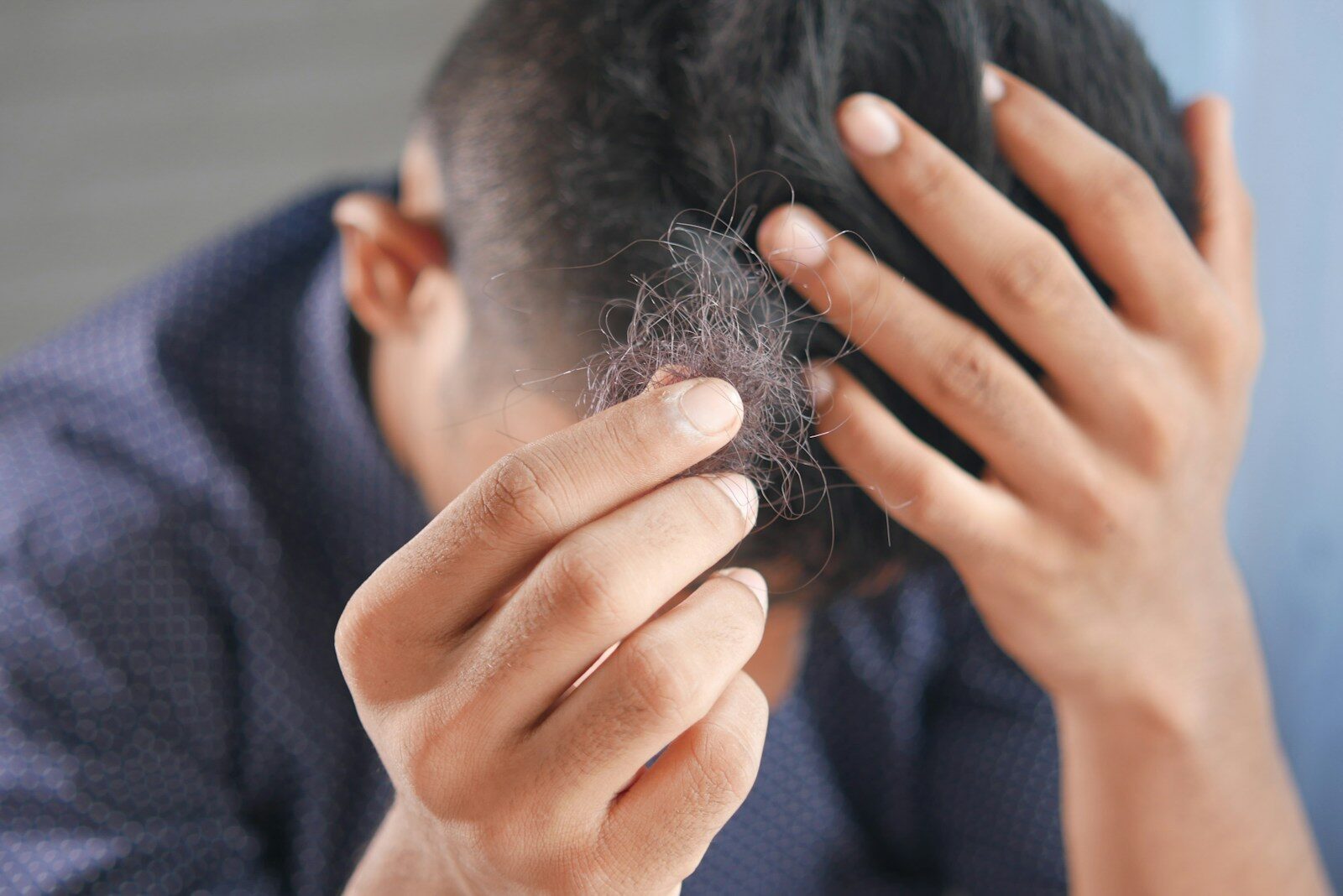
Hair fall can sometimes leave you wondering whether something inside your body is responsible. You may be eating well, taking care of your scalp, and still notice more shedding than usual.

One nutrient that frequently comes up in discussions about hair loss is vitamin D.

Vitamin D is important for overall health, and researchers have investigated its relationship with hair follicles and different types of hair loss. Some studies have found an association between low vitamin D levels and certain hair-loss conditions.

But there is an important distinction between an association and a proven cause.

Having low vitamin D does not automatically mean it is the reason your hair is falling. Likewise, taking vitamin D supplements without a confirmed deficiency is not a guaranteed way to regrow hair.

If you are experiencing persistent hair loss, the goal should be to understand the underlying cause rather than treating one possible nutrient deficiency blindly.

What Is Vitamin D?

Vitamin D is a fat-soluble vitamin that helps the body regulate calcium and phosphorus and supports normal bone and muscle function.

It also plays roles in immune function and other biological processes.

Your body can produce vitamin D when skin is exposed to sunlight, and vitamin D is also available from certain foods and supplements.

The amount produced from sunlight varies considerably depending on factors such as skin pigmentation, season, location, clothing, age, and sun exposure.

This means that simply spending a certain number of minutes in the sun does not guarantee an adequate vitamin D level.

Can Vitamin D Deficiency Cause Hair Fall?

The relationship between vitamin D and hair loss is still being studied.

Vitamin D receptors are present in hair follicles, and vitamin D signaling appears to have a role in the hair-growth cycle.

Some research has found lower vitamin D levels in people with certain hair-loss conditions.

However, this does not prove that vitamin D deficiency is responsible for every case of hair loss.

Hair loss has many possible causes.

Genetics, hormonal changes, stress, illness, rapid weight loss, nutritional deficiencies, thyroid disorders, medications, and scalp conditions can all contribute.

If you have low vitamin D and hair fall, both findings may be relevant, but you should not automatically assume one caused the other.

Which Types of Hair Loss Are Linked With Vitamin D?

Researchers have investigated vitamin D in several hair-loss conditions.

These include alopecia areata, pattern hair loss, and telogen effluvium.

The strength of the evidence varies between conditions, and research has not established vitamin D supplementation as a universal treatment for hair loss.

Alopecia areata, for example, is an autoimmune condition in which the immune system attacks hair follicles.

It can produce sudden, clearly defined bald patches.

Pattern hair loss is strongly influenced by genetics and hormones.

Telogen effluvium is commonly associated with physiological or psychological triggers such as illness, major stress, surgery, rapid weight loss, or nutritional problems.

These conditions are fundamentally different.

A vitamin D deficiency may be relevant in some people, but treating vitamin D alone does not automatically treat the underlying hair disorder.

What Does Vitamin D Deficiency Hair Loss Look Like?

There is no unique hair-loss pattern that proves you are deficient in vitamin D.

Low vitamin D may be considered when someone has diffuse shedding or another hair condition alongside risk factors for deficiency.

Diffuse shedding can mean that hair appears to be falling from all areas of the scalp.

You may notice more strands in the shower, on your pillow, or while brushing.

However, diffuse shedding can occur for many other reasons.

If you have a receding hairline or gradual crown thinning, hereditary pattern hair loss may be more likely than vitamin D deficiency alone.

If you have round or clearly defined bald patches, other conditions should be considered.

What Are the Symptoms of Vitamin D Deficiency?

Some people with low vitamin D have no obvious symptoms.

When deficiency becomes significant, symptoms can include bone or muscle discomfort, muscle weakness, fatigue, or other health problems.

These symptoms are not specific to vitamin D deficiency.

Fatigue, for example, can have many possible causes.

Hair loss by itself is not enough to diagnose a vitamin D problem.

A blood test is generally more useful when deficiency is suspected.

Who Is More Likely to Have Low Vitamin D?

Vitamin D deficiency can occur for many reasons.

People who get limited sunlight may be at higher risk.

Those who spend most of their time indoors, consistently cover most of their skin, or have other factors that reduce vitamin D production may also be at increased risk.

Certain medical conditions can interfere with vitamin D absorption or metabolism.

Some medications can also affect vitamin D levels.

People with darker skin may produce vitamin D less efficiently from the same amount of sunlight compared with people with lighter skin.

Age can also influence vitamin D production.

These factors do not mean deficiency is inevitable.

They simply help explain why testing may be useful in people with appropriate risk factors.

Should You Get a Vitamin D Test for Hair Fall?

Not everyone with hair loss needs a vitamin D test.

Testing is more useful when there are symptoms, risk factors, dietary concerns, or another reason to suspect deficiency.

A healthcare professional can decide whether testing makes sense based on your individual situation.

If testing is performed, the blood measurement commonly used to assess vitamin D status is 25-hydroxyvitamin D.

The result should be interpreted according to the laboratory’s reference range and your clinical circumstances.

Avoid diagnosing yourself from a number found online.

Can Taking Vitamin D Stop Hair Fall?

If you are genuinely vitamin D deficient, correcting the deficiency is important for your overall health.

Whether supplementation directly improves hair loss depends on the type and cause of the hair loss.

Some people may see improvement if vitamin D deficiency is contributing to their overall problem.

But supplementation is not a guaranteed hair-regrowth treatment.

If your hair loss is caused by hereditary pattern hair loss, simply taking vitamin D may not stop progression.

If your shedding is caused by a recent illness or major stressor, the treatment strategy may be different.

The underlying cause matters.

How Much Vitamin D Do You Need?

Your vitamin D requirement depends on factors such as age and individual health circumstances.

There is no reason to assume that taking extremely high doses will produce better hair growth.

Vitamin D is fat-soluble, meaning excessive amounts can accumulate in the body.

Very high intake over time can lead to toxicity and excessive calcium levels, which can cause serious health problems.

For that reason, high-dose vitamin D should be taken only when medically appropriate and according to professional guidance.

Can Vitamin D Supplements Cause Hair Growth?

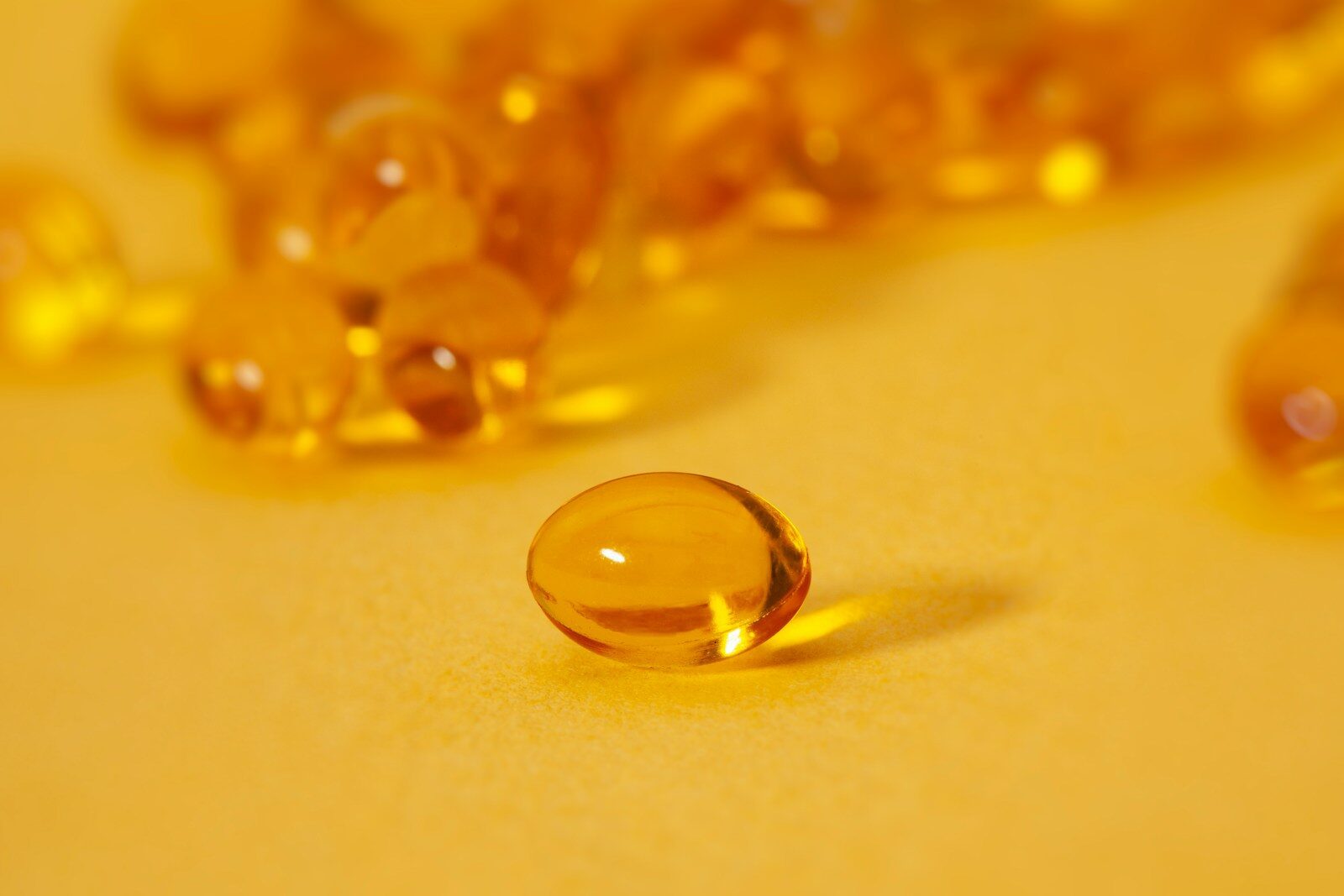
Vitamin D supplements should primarily be viewed as a way to correct deficiency when deficiency exists.

They should not be treated like a universal hair-growth pill.

If you have a normal vitamin D level, taking more does not necessarily make your follicles produce thicker hair.

This is a common problem with online hair-loss advice.

A nutrient that is essential for health is not automatically a treatment for hair loss at higher doses.

More is not always better.

Best Foods That Contain Vitamin D

Dietary sources of vitamin D include certain fatty fish, egg yolks, and fortified foods.

Some dairy products, plant-based beverages, cereals, and other foods may be fortified with vitamin D depending on the product and country.

The exact amount can vary considerably.

A balanced diet can help contribute to vitamin D intake, but diet alone may not correct a significant deficiency in everyone.

If a deficiency has been diagnosed, follow the treatment plan recommended by your healthcare professional.

Can Sunlight Fix Vitamin D Deficiency?

Sunlight can help the body produce vitamin D.

However, using sunlight as a treatment is not as simple as saying that everyone should spend a fixed amount of time outdoors every day.

Vitamin D production varies based on season, latitude, skin pigmentation, clothing, age, time of day, and other factors.

There is also a need to balance vitamin D production with the risks of excessive ultraviolet exposure.

Do not intentionally expose yourself to prolonged, unprotected sunlight or tanning in an attempt to treat hair loss.

If you are concerned about vitamin D, testing and appropriate supplementation may be safer and more predictable.

Can Vitamin D Deficiency Cause Hair Thinning in Women?

It may be relevant in some women with hair loss, particularly when other risk factors for deficiency are present.

Women can experience hair loss from many causes, including pattern hair loss, telogen effluvium, hormonal changes, pregnancy-related changes, nutritional deficiencies, thyroid disorders, and other medical conditions.

A widening part or diffuse thinning should not automatically be blamed on vitamin D.

If the thinning is persistent, a proper assessment can help identify whether vitamin D deficiency or another cause is involved.

Can Vitamin D Deficiency Cause Hair Loss in Men?

Men can also have low vitamin D and hair loss at the same time.

However, male pattern hair loss remains one of the most common explanations for gradual temple recession and crown thinning.

If your hairline has been slowly moving backward or the crown has progressively become thinner, vitamin D deficiency may not be the primary cause.

A blood test can identify vitamin D status, but the hair-loss pattern still needs to be considered.

Vitamin D Deficiency vs. Pattern Hair Loss

Pattern hair loss typically follows a recognizable distribution.

In men, the temples and crown are common areas.

In women, thinning is often more noticeable over the top of the scalp and around the part.

Vitamin D deficiency does not have one specific pattern.

This means that a receding hairline should not automatically be treated with vitamin D supplements.

If you have progressive pattern thinning, evidence-based hair-loss treatments may be more relevant.

Vitamin D and Telogen Effluvium

Telogen effluvium occurs when a larger number of hair follicles enter the resting phase around the same time.

It can follow illness, high fever, surgery, significant stress, rapid weight loss, nutritional problems, or other physical challenges.

Vitamin D deficiency may sometimes coexist with this type of shedding.

If you experienced a major health event several months before the shedding began, that history may be more important than simply noticing a low vitamin D result.

Multiple factors can contribute to hair shedding at the same time.

Can Stress and Vitamin D Deficiency Happen Together?

Yes.

A person can experience significant stress while also having low vitamin D.

Stress itself can affect the hair-growth cycle, while nutritional or health problems can add another potential trigger.

This is why trying to identify one single cause can sometimes be misleading.

If several factors changed around the same period, they may all need to be considered.

What Should You Eat for Healthier Hair?

Instead of focusing only on vitamin D, build an overall nutritious diet.

Include adequate protein, vegetables, fruits, whole grains, healthy fats, and appropriate sources of essential vitamins and minerals.

Protein is especially important because hair is primarily made from keratin.

Foods such as eggs, fish, dairy products, lean meats, lentils, beans, tofu, nuts, and seeds can help provide protein.

A balanced diet is much more useful than relying on one “hair superfood.”

Should You Take Biotin Along With Vitamin D?

There is no general requirement to combine biotin and vitamin D for hair growth.

Biotin is important for normal metabolism, but true deficiency is uncommon in many people.

High-dose biotin supplements are heavily marketed for hair, skin, and nails, but they are not guaranteed to improve hair growth in people who are not deficient.

High doses can also interfere with certain laboratory tests.

Do not create a large supplement routine simply because several products are marketed for hair.

Can Vitamin D Deficiency Cause Hair Breakage?

Vitamin D is more commonly discussed in relation to hair shedding and follicle biology than ordinary hair-shaft breakage.

Breakage usually involves damage to the visible hair shaft.

Heat, bleaching, chemical treatments, rough brushing, tight hairstyles, and mechanical friction can contribute to breakage.

If you are seeing many short, broken hairs, improve your hair-care routine rather than assuming vitamin D is the solution.

Does Vitamin D Help Hair Regrowth After Hair Fall?

The answer depends on why the hair was lost.

If a genuine vitamin D deficiency is contributing to the problem, correcting it may be an important part of improving overall health.

But hair regrowth depends on the underlying condition.

A temporary shedding disorder may recover after its trigger is resolved.

Pattern hair loss may require specific long-term treatment.

Alopecia areata requires an evaluation because it is an autoimmune condition.

This is why there is no single vitamin D dose that can guarantee hair regrowth.

How Long Does It Take to See Improvement?

Even when a deficiency is corrected, hair does not usually respond immediately.

Hair follicles operate through growth cycles, so visible changes can take months.

You may notice that shedding gradually becomes less noticeable before you see substantial improvement in density.

Do not increase your supplement dose because you do not see new hair within a few weeks.

Correcting a deficiency is a health process, not an overnight cosmetic procedure.

Can You Prevent Vitamin D-Related Hair Problems?

The best approach is to maintain adequate vitamin D and overall nutrition without excessive supplementation.

Eat a balanced diet and maintain sensible outdoor activity while protecting your skin from excessive ultraviolet exposure.

If you have risk factors for vitamin D deficiency, discuss whether testing is appropriate.

If deficiency is diagnosed, follow the recommended supplementation plan.

Avoid taking extremely high doses based on social-media hair-growth claims.

When Hair Fall Needs a Doctor

Persistent hair loss deserves attention when it does not improve or when the pattern suggests another condition.

See a qualified healthcare professional if you develop sudden or severe shedding, clearly defined bald patches, rapidly progressing thinning, or significant scalp symptoms.

Scalp pain, burning, redness, swelling, sores, crusting, or severe scaling can indicate a condition requiring specific treatment.

You should also seek evaluation if hair loss occurs alongside other unexplained health changes.

The earlier the cause is identified, the more effectively some types of hair loss can be managed.

Why You Should Not Blame Everything on Vitamin D

Vitamin D has become extremely popular in online hair-loss discussions.

Because deficiency is relatively common in some populations and vitamin D is involved in biological processes related to hair follicles, it can be tempting to blame every case of hair fall on low vitamin D.

That is an oversimplification.

A low vitamin D result can be important without being the complete explanation for your hair loss.

You may have two separate issues at the same time.

For example, someone could have a vitamin D deficiency and hereditary pattern hair loss.

Correcting the deficiency is still important, but it may not restore a receding hairline.

A Simple Approach to Hair Fall and Vitamin D

If you are experiencing increased shedding, start by looking at the bigger picture.

Think about what happened during the previous few months.

Did you experience significant stress?

Were you sick or running a high fever?

Did you lose weight quickly?

Did you drastically change your diet?

Have you noticed a receding hairline or crown thinning?

Are you experiencing scalp itching, redness, or scaling?

Have you recently started a medication?

These questions can help provide a clearer picture than focusing on one nutrient alone.

If you have risk factors for vitamin D deficiency, discuss testing with a healthcare professional.

If the test confirms deficiency, correct it according to professional guidance.

At the same time, continue investigating other possible causes if your hair loss pattern suggests they may be involved.

The Bottom Line

Vitamin D is important for overall health, and low vitamin D has been associated with several hair-loss conditions.

However, vitamin D deficiency is not a universal explanation for hair fall, and vitamin D supplements are not a guaranteed hair-growth treatment.

If you suspect that low vitamin D is contributing to your shedding, testing can provide much more useful information than guessing.

If deficiency is confirmed, correcting it is important.

But do not expect a supplement to instantly restore lost hair.

Hair growth is slow, and the underlying cause of hair loss determines what kind of recovery is possible.

Maintain a balanced diet, get sensible outdoor activity, avoid excessive supplement doses, protect your hair from unnecessary damage, and pay attention to changes in your scalp and hair pattern.

Most importantly, do not let the search for a single vitamin distract you from the bigger question: why is your hair falling in the first place?

Once the cause is understood, you can choose a much more effective and realistic approach to controlling hair fall and protecting your hair for the long term.


Related Posts

Editors Pick

  • All Post
  • Top Stories

Subscribe For News

Get the latest sports news from News Site about world, sports and politics.

You have been successfully Subscribed! Ops! Something went wrong, please try again.

Latest Posts

  • All Post
  • Top Stories

Subscribe For More!

Stay updated with the latest breaking news, politics, business, sports, entertainment, and world affairs — delivered directly to your inbox every day.

You have been successfully Subscribed! Ops! Something went wrong, please try again.

50news is your trusted source for fast, verified, and trending news updates from India and across the world. We bring you the top headlines that matter — 24/7.

Top News

  • Breaking News

  • India News

  • World News

  • Business Updates

  • Sports Headlines

  • Entertainment Buzz

Services

  • Sponsored News Publishing

  • Media Promotions

  • Bulk PR Package

  • Advertisement Queries

  • Brand Collaborations

  • Customer Support

Company Policies

Company Policies

  • About 50news

  • Privacy Policy

  • Terms & Conditions

  • Editorial Guidelines

  • Fact-Checking Policy

  • Contact Us

© 2026 Created by 50news.in