India is set to introduce a new UPI Charges 2026 framework that will change how certain merchant payments made through the Unified Payments Interface are processed. The National Payments Corporation of India (NPCI) has announced a 0.4 percent Merchant Discount Rate (MDR) on specified UPI payments above ₹2,000 made to businesses. The new framework will take effect from October 15, 2026, ending more than six years of the zero-MDR model for the affected transactions.
The introduction of UPI Charges 2026 does not mean that consumers will suddenly have to pay a fee every time they scan a QR code. Under the new framework, the MDR is a charge within the merchant payment ecosystem rather than a direct fee imposed on the person making the payment. The government has clarified that person-to-person UPI transfers will remain free, while merchant payments up to ₹2,000 will also remain unaffected.
Under UPI Charges 2026, the standard MDR will be 0.4 percent for specified person-to-merchant transactions above ₹2,000. For a ₹10,000 eligible merchant payment, this would translate to an MDR of ₹40. For transactions of ₹75,000 or more, the MDR will be capped at ₹300. The charge is deducted within the payment ecosystem rather than being added as a separate government tax on the customer.
One of the most important aspects of UPI Charges 2026 is that the new MDR does not apply to every UPI payment above ₹2,000. The framework contains specific categories and exemptions. Payments to merchants covered under the zero-MDR framework for small merchants will continue without the new charge, while specific services including railways, telecom, fuel and insurance have separate arrangements, including a flat ₹5 MDR in the applicable categories.
The government has said that approximately 96 percent of person-to-merchant UPI transactions will remain unaffected by UPI Charges 2026. The figure reflects the large number of low-value transactions that take place through UPI every day. Payments of ₹2,000 or less remain outside the new MDR framework, while person-to-person payments continue to remain free regardless of the amount transferred.
The difference between transaction volume and transaction value is important when assessing UPI Charges 2026. Although payments above ₹2,000 represent a relatively small share of person-to-merchant transactions by volume, they represent a much larger proportion of the total value processed through UPI. According to an Indian Express analysis, transactions above ₹2,000 represented around 4 percent of P2M transaction volume in 2025-26 but accounted for roughly two-thirds of the value.
The new UPI Charges 2026 system is therefore significant for banks, payment applications and other companies involved in processing digital payments. MDR revenue is expected to be distributed among participants in the UPI ecosystem, including issuing banks, acquiring entities and payment service providers. The stated objective is to create a sustainable revenue mechanism for the infrastructure supporting India’s rapidly expanding digital payment network.
Banks are expected to receive a substantial share of the revenue generated under UPI Charges 2026. According to details reported from the NPCI framework, issuing banks are allocated 40 percent of MDR revenue, while merchant acquirers receive 30 percent and UPI applications receive 20 percent, with the remaining portion distributed through the broader payment ecosystem.
The potential size of the revenue pool has attracted significant attention. Research cited by Bloomberg estimates that the new UPI Charges 2026 framework could create an annual revenue pool of about ₹270 billion, or approximately $2.8 billion, by fiscal 2028. The analysis said banks could capture the largest share, although the actual financial impact will depend on transaction volumes, merchant behaviour and how the ecosystem develops.
For banks, UPI Charges 2026 represents a potential new source of income after years in which UPI transactions generated enormous payment volumes without a conventional MDR structure. Banks have played a central role in maintaining accounts, processing transactions and providing the infrastructure that connects customers and merchants to the UPI network. The new framework could therefore alter the economics of India’s digital payments sector.
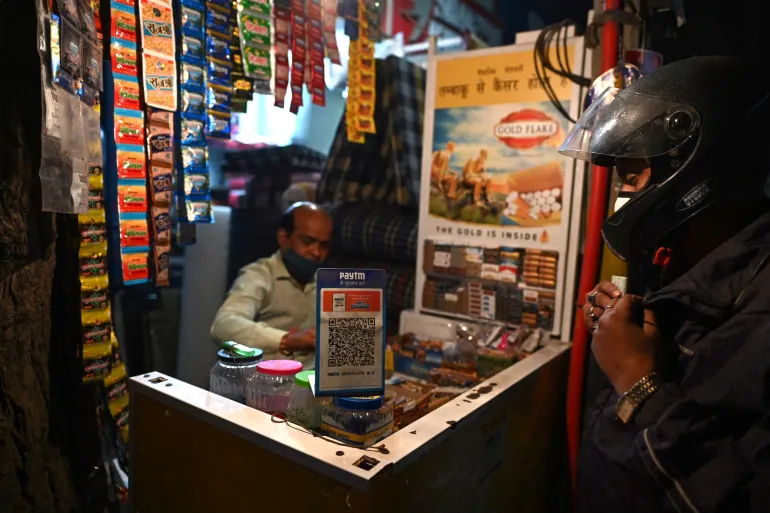
Payment applications could also benefit from UPI Charges 2026, although the financial impact will vary according to their transaction volumes and relationships with partner banks. Applications such as PhonePe, Google Pay and Paytm have become major interfaces for UPI payments, but UPI itself is operated by NPCI with banks and other participants providing different parts of the payment infrastructure. The new MDR framework creates a mechanism through which participating entities can receive compensation for their roles.
For merchants, however, UPI Charges 2026 introduces a new operating cost for eligible transactions. Businesses that regularly receive large UPI payments may see the MDR deducted from their settlements. A 0.4 percent fee can appear relatively small on an individual transaction, but the cumulative cost can become significant for companies processing large payment volumes. This is particularly relevant to businesses operating on narrow profit margins.
The impact of UPI Charges 2026 could also vary significantly by business size. Small merchants covered by the zero-MDR framework receive protection from the new charges, while businesses receiving larger-value transactions are more exposed. This distinction is intended to prevent the new system from creating an additional cost burden for the smallest merchants that rely heavily on UPI for everyday payments.
The question of whether merchants will ultimately pass the cost to consumers has become one of the major concerns surrounding UPI Charges 2026. The government has said that merchants should not pass the MDR directly to customers and that customers will not be required to pay a separate UPI charge. Banks have also been advised to ensure that the MDR is not directly transferred to consumers.
Even so, the economic effect of UPI Charges 2026 could extend beyond the payment screen. A merchant that faces higher payment-processing costs may consider those expenses when setting prices, particularly if UPI represents a large share of its revenue. This would be an indirect commercial effect rather than a direct UPI fee charged to the customer, and the extent of such effects will depend on how businesses respond.
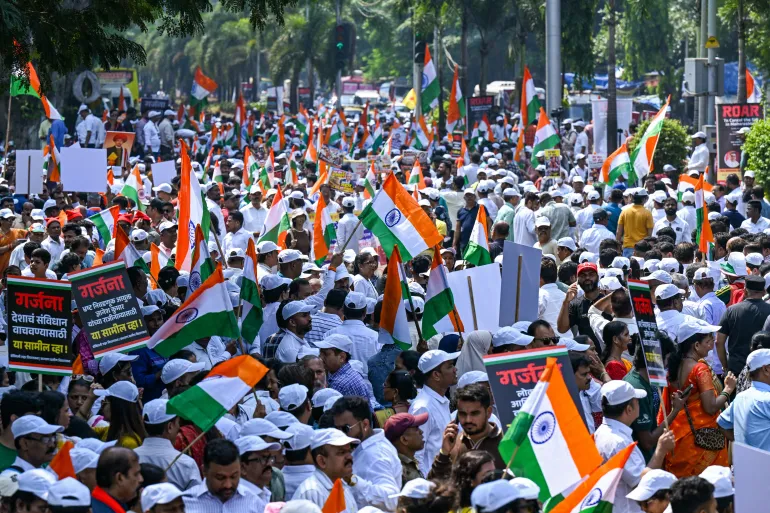
Retail organisations and other industry groups have already raised concerns about UPI Charges 2026. Reuters reported that retailer associations and financial-sector participants opposed the new MDR, warning that additional payment costs could put pressure on businesses with narrow margins. Some groups have also raised concerns that merchants could reconsider digital payments during the important festival shopping season.
The debate over UPI Charges 2026 is also linked to the long-term economics of India’s digital payments infrastructure. UPI has expanded rapidly since its launch in 2016 and has become a major part of everyday financial transactions. The government says the new MDR will help support investment in infrastructure resilience, innovation, cybersecurity and customer service while maintaining free access for individuals and smaller transactions.
Another important point about UPI Charges 2026 is that MDR is not the same as a government tax. The government has specifically clarified that MDR is neither a tax nor a charge collected by the government or NPCI. Instead, the amount is distributed among participants in the payment ecosystem involved in processing and supporting the transaction.
The introduction of UPI Charges 2026 follows a change in the legal framework governing UPI payments. A government notification established that banks and payment-system providers cannot impose charges on UPI transactions up to ₹2,000, while payments above that threshold were left outside the exemption. This created the legal space for an MDR framework covering larger merchant transactions.
The new rules also preserve a distinction between merchant and personal transfers under UPI Charges 2026. Someone transferring ₹5,000 to another individual through UPI will not face the new MDR. Similarly, a consumer purchasing goods from a small merchant covered by the exemption will continue to make the payment without an MDR. The new framework primarily concerns specified business transactions above the threshold.
Capital-market payments have also been given a separate treatment under UPI Charges 2026. The MDR for applicable capital-market transactions is set at 0.02 percent, with a maximum cap of ₹300. This lower rate reflects the larger transaction values often associated with payments to brokers and other financial-market entities.
The change has generated questions about the future direction of UPI. For years, the absence of MDR was one of the distinctive characteristics of India’s UPI model and helped encourage merchants and consumers to adopt digital payments. UPI Charges 2026 introduces a different economic structure in which large merchant transactions generate revenue for the companies and banks supporting the network, while everyday low-value payments remain free.
At the same time, the government and payment authorities are attempting to avoid disrupting the core use case of UPI. Keeping transactions up to ₹2,000 free and protecting person-to-person payments means that everyday users should continue to be able to transfer money and make small purchases without an additional payment charge. The stated focus is on larger merchant transactions where the payment ecosystem can support a processing fee without directly charging users.
The UPI Charges 2026 framework will therefore create different effects for different participants. Banks and payment companies stand to gain a new revenue stream, eligible merchants will face an additional processing cost, and consumers are expected to remain protected from direct UPI charges. Whether the cost eventually influences retail prices or changes merchant payment preferences will depend on how businesses respond after the October 15 implementation date.
For consumers, the immediate takeaway from UPI Charges 2026 is that UPI is not becoming a paid service for ordinary users. Person-to-person payments remain free, payments to merchants up to ₹2,000 remain free, and the government says customers should not be directly charged the new MDR. The change primarily affects the economics of specified larger merchant transactions.
As UPI Charges 2026 takes effect from October 15, banks, payment applications, merchants and payment aggregators will need to update their systems and settlement processes. The coming months will show whether the new revenue model can strengthen the financial sustainability of India’s UPI ecosystem without discouraging merchants from accepting digital payments. The policy is consequently likely to remain closely watched by businesses, payment companies and consumers as India continues its shift toward digital transactions.