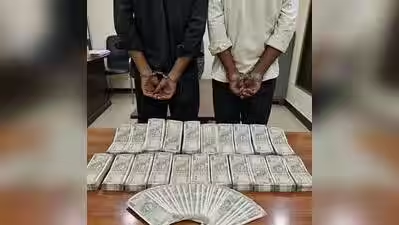
The Counterfeit Notes Chittorgarh case has come to light after police arrested two men and recovered 178 fake ₹500 currency notes with a total face value of ₹89,000 during a vehicle-checking operation in the Satkhanda area of Chittorgarh district. Police said the recovery was made during a blockade and search operation on Wednesday, October 7, 2026.
According to the report, the two accused have been identified by police as 34-year-old Ahsan Mohammed, a resident of Pratapgarh district, and 35-year-old Sameer Khan, a resident of Chittorgarh district. The arrests were made by a police team led by Nimbahera Sadar SHO Sanjay Sharma during a vehicle search at the Satkhanda area.
The Counterfeit Notes Chittorgarh seizure involved 178 counterfeit ₹500 notes. Together, the fake currency had a face value of ₹89,000. Police said the notes were found inside the dashboard of the vehicle during the checking operation. The recovery prompted officers to take both occupants into custody for further investigation into the source and intended use of the counterfeit currency.
Chittorgarh Superintendent of Police Dharmendra Singh said the police team discovered a bundle of ₹500 notes inside the vehicle’s dashboard. Following examination, 178 of the notes were identified as counterfeit. The police also recovered genuine currency from the vehicle, which investigators believe had been kept alongside the fake notes.
According to police, 86 genuine ₹500 notes, worth ₹43,000, were also found with the counterfeit currency. The presence of genuine notes alongside the fake currency is part of the evidence being examined by investigators. Police said the genuine notes were allegedly kept with the counterfeit notes to make the stash appear authentic.
The recovery means that police seized counterfeit currency with a face value more than twice the amount of genuine ₹500 notes found alongside it. The fake notes alone accounted for ₹89,000, while the genuine currency recovered from the vehicle amounted to ₹43,000. The combined value of the two categories of ₹500 notes was therefore ₹1.32 lakh.
The Counterfeit Notes Chittorgarh investigation is now expected to focus on where the fake currency came from, how it reached the accused and whether it was intended to be circulated. Police have not yet publicly disclosed the complete chain behind the counterfeit notes or whether additional people are suspected of involvement.
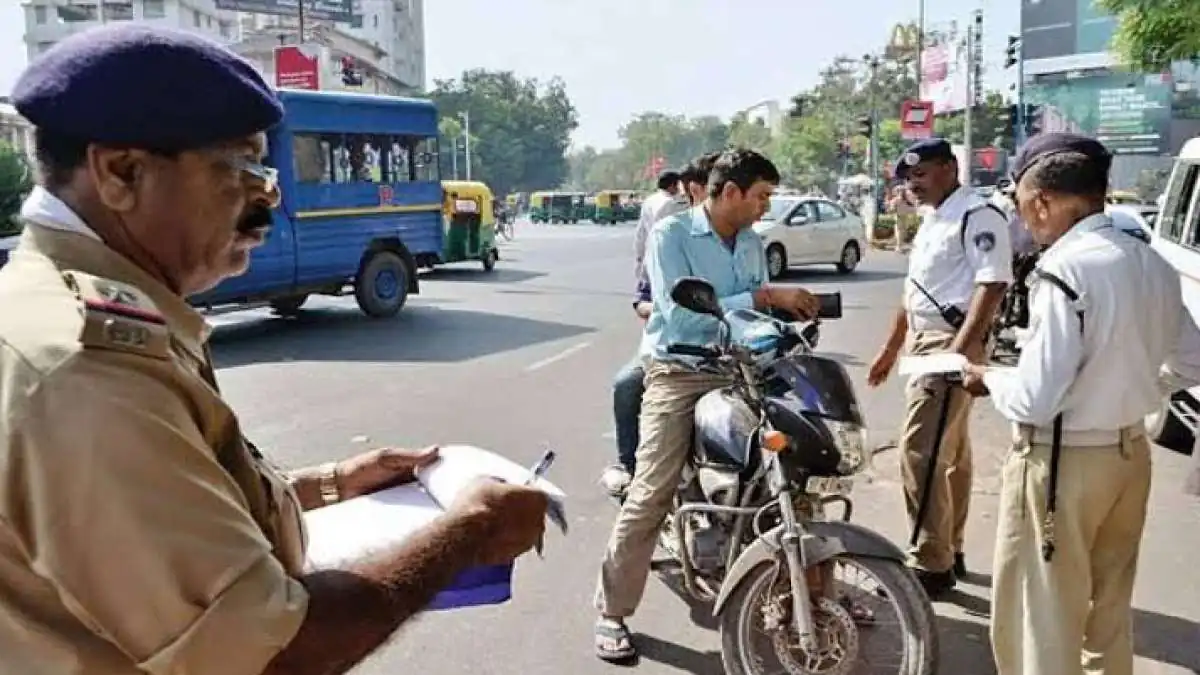
Vehicle-checking operations and police blockades are an important part of preventing the movement of illegal goods and currency. In this case, officers conducting the search at Satkhanda detected the suspicious currency inside the vehicle, leading to the seizure and arrests. The police are continuing their investigation to establish the circumstances surrounding the possession of the fake notes.
The arrest of Ahsan Mohammed and Sameer Khan does not by itself establish guilt. The allegations and evidence will be examined through the legal process, and the accused are entitled to due process. The police investigation will determine what offences are applicable and whether the recovered currency was connected to a larger counterfeit-currency operation.
The Counterfeit Notes Chittorgarh case is significant because counterfeit currency can undermine confidence in the monetary system and can be associated with other forms of financial crime. For law-enforcement agencies, identifying people transporting fake notes can also help uncover the source and distribution network behind counterfeit currency.
Investigators may examine the vehicle, the seized currency and the circumstances in which the notes were allegedly being transported. They may also question the accused regarding their movements, contacts and the intended destination of the currency. Details of any wider network, however, will depend on the findings of the ongoing investigation.
The police operation was conducted by the Nimbahera Sadar police team under SHO Sanjay Sharma, according to Chittorgarh SP Dharmendra Singh. The seizure took place during a vehicle search at the Satkhanda blockade.
The location of the seizure is also relevant to the case because Satkhanda falls within Chittorgarh district, while one of the arrested men is from Pratapgarh district and the other is from Chittorgarh district. Police may investigate whether the accused were travelling between the two districts and whether the counterfeit currency had been obtained locally or brought from elsewhere.
At this stage, authorities have confirmed the recovery of 178 counterfeit ₹500 notes and the arrest of the two men. The police have not publicly established the origin of the fake notes in the information currently available. Any claims about a larger network or the ultimate source of the currency should therefore be treated as unconfirmed until investigators provide further details.
The Counterfeit Notes Chittorgarh seizure also demonstrates the importance of examining suspicious currency during routine police checks. The counterfeit notes were reportedly concealed inside the vehicle’s dashboard, rather than being openly carried. Their discovery came during the police search of the vehicle.
The presence of 86 genuine ₹500 notes alongside 178 counterfeit notes is another detail investigators are likely to examine closely. Police said the genuine notes were allegedly kept with the counterfeit currency to make the collection appear authentic. Whether this was intended to facilitate circulation of the fake notes will be part of the investigation.
Counterfeit currency cases can involve multiple stages, including production, transportation, possession and circulation. However, there is currently no publicly reported evidence establishing that the two arrested men were involved in manufacturing the notes. The available police information concerns their arrest and the recovery of counterfeit currency from the vehicle.
The next stage of the Counterfeit Notes Chittorgarh case will therefore depend on the police investigation and the evidence gathered following the seizure. Authorities may seek to determine whether the accused acted independently or were connected to others involved in supplying or distributing counterfeit notes.
Police investigations in such cases can also involve verification of the seized currency and examination of other evidence recovered from the vehicle. Investigators may look at whether the accused had previously handled similar currency and whether there are links to other cases involving fake notes.
For local residents and businesses, the seizure serves as a reminder to remain cautious when accepting high-value cash transactions. Genuine currency notes contain security features that can help distinguish them from counterfeit notes, although verification should be carried out through appropriate banking or official channels when there is reasonable suspicion.
The Counterfeit Notes Chittorgarh case is currently at the investigation stage. Police have confirmed the arrest of two people and the recovery of ₹89,000 in counterfeit ₹500 notes. The genuine currency recovered from the vehicle amounted to ₹43,000, according to the police account reported by The Times of India.
The development comes amid continuing law-enforcement efforts to identify and stop the circulation of counterfeit currency. Such seizures can provide investigators with information that may help establish how fake notes are being moved and who may be involved in their distribution.
As the investigation progresses, further information could emerge about the source of the counterfeit notes, the intended destination and whether other people are connected to the case. Until such details are officially established, the facts currently confirmed are the seizure of 178 counterfeit ₹500 notes, the recovery of 86 genuine ₹500 notes and the arrest of Ahsan Mohammed and Sameer Khan.
The Counterfeit Notes Chittorgarh case highlights how routine vehicle checks can lead to the detection of suspected financial offences. The police action at Satkhanda resulted in the recovery of counterfeit currency worth ₹89,000 and the detention of two men for further investigation. The coming stages of the case will establish the circumstances surrounding the currency and determine what further legal action is warranted.