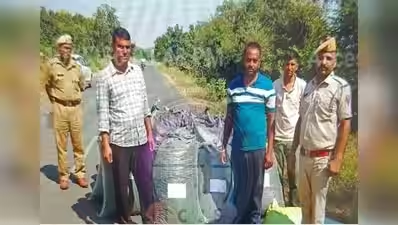
The Chittorgarh Police Opium Seizure has become a major anti-drug enforcement action in Rajasthan after police recovered 574.8 kilograms of illegal opium doda chura from a loading tempo in Chittorgarh district. The contraband was allegedly concealed beneath sacks of wheat, which police said were being used as a cover for transporting the illegal consignment. The seizure was made during a police blockade at Rajpuriya Tiraha in the district.
According to the details reported after the Chittorgarh Police Opium Seizure, the action was carried out jointly by Vijaypur police and the district special team. The police team intercepted the loading tempo during a blockade after the vehicle allegedly broke through the checkpoint and attempted to speed away towards Bassi. A search of the vehicle subsequently led to the recovery of the large quantity of suspected contraband.
The Chittorgarh Police Opium Seizure involved a tempo that appeared to be carrying wheat. Police found seven plastic sacks of wheat positioned in the vehicle, while 25 additional plastic sacks containing the suspected illegal substance were reportedly concealed behind them. The arrangement allegedly gave the consignment the appearance of an ordinary agricultural load and helped conceal the material from immediate view.
Police officials said the total quantity recovered during the Chittorgarh Police Opium Seizure was approximately 574.8 kilograms of illegal opium doda chura, also referred to as poppy husk in reporting on narcotics cases. The recovery was made during a targeted interception rather than after the vehicle reached its alleged destination.
The operation was conducted under the supervision of Chittorgarh Superintendent of Police Dharmendra Singh. A team led by Vijaypur Station House Officer Ramlal, along with members of the district special team, was involved in the interception and subsequent search of the vehicle.
The circumstances surrounding the Chittorgarh Police Opium Seizure began when the loading tempo encountered a police blockade at Rajpuriya Tiraha. According to police information reported by local media, the driver allegedly failed to stop at the checkpoint and accelerated towards Bassi. Police pursued the vehicle and subsequently carried out a search that resulted in the discovery of the suspected narcotic substance.
Reports indicate that the vehicle was being used to transport the contraband under the cover of wheat. The use of agricultural goods as concealment is significant because it can make an illegal consignment appear similar to routine transportation of farm commodities. In this case, however, police inspection revealed that the vehicle contained a much larger concealed load.
The Chittorgarh Police Opium Seizure is another example of the challenges faced by law enforcement agencies in Rajasthan in dealing with the illegal transportation of narcotic substances. Chittorgarh and surrounding areas have repeatedly featured in drug-enforcement operations involving poppy husk, opium and other controlled substances.
The latest recovery also comes at a time when Rajasthan authorities are conducting intensified action against narcotics trafficking. In September, the Central Bureau of Narcotics Rajasthan Unit reported several major seizures involving poppy straw, opium and hydroponic cannabis. The operations resulted in the recovery of nearly four tonnes of poppy straw along with other contraband and the arrest of four people.
The scale of the Chittorgarh Police Opium Seizure is particularly notable because more than half a tonne of suspected doda chura was recovered in a single vehicle. The quantity indicates that the police were dealing with a substantial consignment rather than a small amount intended for personal possession.
Following the recovery, police registered a case under the Narcotic Drugs and Psychotropic Substances Act, 1985. The NDPS Act provides the legal framework in India for offences involving narcotic drugs and psychotropic substances, including unlawful possession, transportation and trafficking.
The registration of the case means that the seizure will now form part of a wider investigation. Authorities are expected to examine where the consignment originated, where it was allegedly intended to go and who may have been involved in arranging its transportation. At this stage, those questions remain part of the investigation.
The Chittorgarh Police Opium Seizure also raises questions about the network behind the transportation of the alleged contraband. A large quantity of narcotics being moved in a commercial vehicle can involve multiple stages, including sourcing, packaging, transportation and distribution. Police investigations generally seek to establish the role of individuals connected with each stage.
The driver and other individuals associated with the vehicle will be subject to the investigation and legal process. Any allegations against specific people should be treated as allegations unless established through investigation or court proceedings.
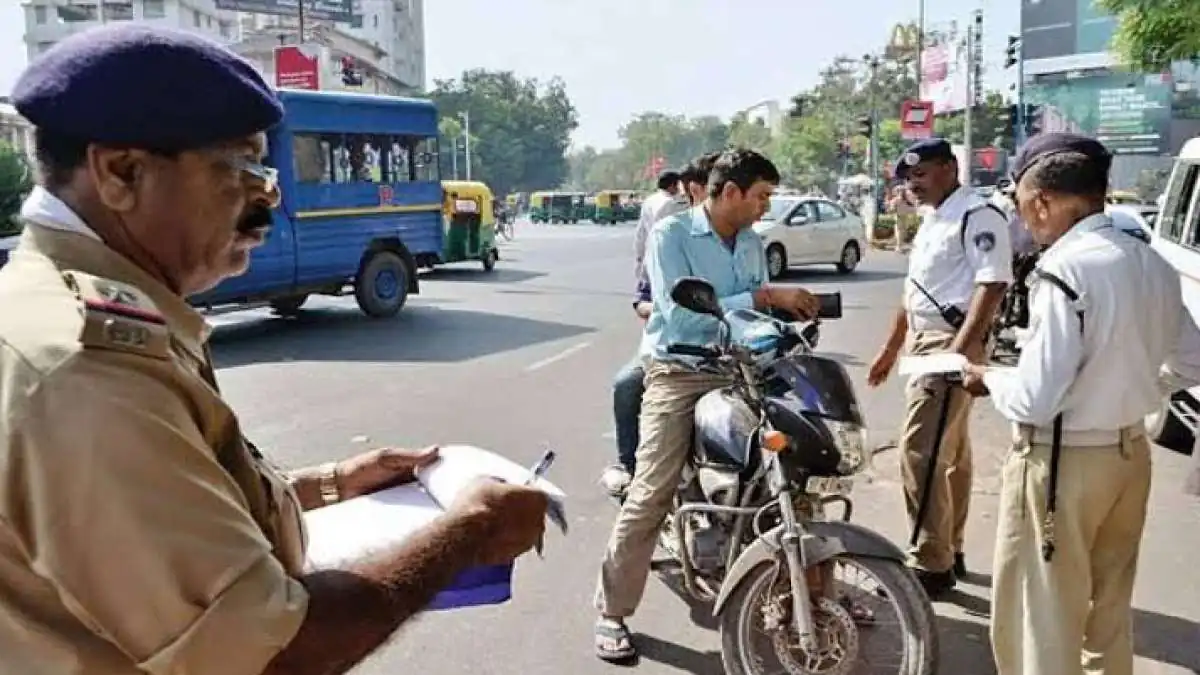
Police checkpoints and blockade operations remain an important part of Rajasthan’s efforts to detect illegal drug transportation. In the latest Chittorgarh Police Opium Seizure, the checkpoint at Rajpuriya Tiraha enabled police to stop and inspect a vehicle that allegedly attempted to evade the blockade.
The seizure demonstrates why vehicle checks can be significant in areas where authorities suspect the movement of narcotic substances. Commercial vehicles, loading tempos and other transport vehicles can carry legitimate goods, but police may inspect them when there are specific reasons or circumstances that warrant checking.
In this case, the wheat sacks reportedly provided the visible explanation for the vehicle’s cargo. However, the search uncovered 25 plastic sacks containing the suspected contraband behind seven sacks of wheat. The arrangement allegedly allowed the narcotic material to remain concealed within the vehicle.
The Chittorgarh Police Opium Seizure is also important from the perspective of Rajasthan’s broader drug-trafficking problem. The state has witnessed repeated seizures of poppy straw and opium in recent years, with enforcement agencies conducting operations on highways, at checkpoints and at suspected storage locations.
Recent Central Bureau of Narcotics operations show the scale of the problem. The CBN Rajasthan Unit said in September that it had seized 3,937 kilograms of poppy straw, 9.6 kilograms of opium and 1.9 kilograms of hydroponic cannabis in a series of operations. Several vehicles and cash were also seized, while four people were arrested.
The latest Chittorgarh Police Opium Seizure therefore comes against a background of continued enforcement activity rather than being an isolated development. Multiple agencies, including state police units and the Central Bureau of Narcotics, are involved in efforts to disrupt illegal narcotics transportation and identify trafficking networks.
One of the important aspects of the case is the alleged use of a legitimate commodity as a cover. Wheat is commonly transported across Rajasthan in commercial vehicles, and the presence of agricultural cargo may not immediately indicate the presence of narcotics. Police searches and intelligence-based operations can therefore play a role in identifying concealed consignments.
The recovery of 574.8 kilograms during the Chittorgarh Police Opium Seizure means investigators now have a substantial quantity of suspected contraband that can be examined as evidence. The material, vehicle and other relevant articles can form part of the case record as investigators determine the circumstances surrounding the transportation.
The police investigation will also be important in determining whether the seized substance is linked to a wider supply chain. Recovering a consignment is only one part of an anti-drug operation. Identifying the people who supplied the material, arranged transportation or were waiting to receive it can help authorities investigate the broader network.
The Chittorgarh Police Opium Seizure may therefore lead to additional questioning, searches or arrests if investigators establish links to other individuals. However, any such action would depend on evidence gathered during the investigation.
The location of the seizure is also significant. Rajpuriya Tiraha served as the point where the police team attempted to stop the vehicle. The vehicle allegedly broke through the blockade and moved towards Bassi before police intercepted it. The sequence of events led to the discovery of the concealed sacks.
The action reflects the role of district police teams in combating narcotics transportation in Rajasthan. While specialised agencies focus heavily on major drug networks, local police teams can also make important recoveries through routine intelligence, checkpoint operations and vehicle inspections.
For residents of Chittorgarh and surrounding districts, the Chittorgarh Police Opium Seizure highlights the continuing focus of law enforcement on the movement of illegal drugs through the region. Large seizures can prevent substantial quantities of narcotics from reaching their intended destinations, although the long-term impact depends on whether investigators can identify and disrupt the wider network behind the consignments.
The legal case registered under the NDPS Act will now determine the next stage of the matter. The law provides for strict penalties for offences involving illegal narcotics, with the consequences depending on the specific offence, substance and quantity involved. The courts will ultimately determine questions of guilt based on the evidence presented.
It is important to distinguish between the police seizure and the final legal outcome. The recovery of suspected contraband and registration of an NDPS case do not by themselves establish the guilt of any accused person. Individuals named or detained in connection with the case are entitled to the applicable legal process.
The Chittorgarh Police Opium Seizure also highlights the importance of intelligence sharing between local police and specialised anti-narcotics teams. The operation involved Vijaypur police and the district special team, demonstrating coordination between different units operating at the district level.
Such coordination can be important because narcotics transportation frequently crosses police-station and district boundaries. A consignment intercepted in one district may have originated elsewhere and could be destined for another part of the state or country. Establishing these connections is one of the key objectives of follow-up investigations.
The recovery of 574.8 kilograms is likely to attract further scrutiny because of its size. A consignment of this scale can provide investigators with information about packaging, transportation methods and possible links to other cases. Authorities may examine available evidence connected with the vehicle and the people associated with it as part of the investigation.
The Chittorgarh Police Opium Seizure also comes shortly after the arrest of another alleged drug trafficker in Chittorgarh by the Anti-Narcotics Task Force. In a separate case reported on October 5, police arrested a man who allegedly had 26 cases registered against him under various laws, including the NDPS Act. The separate arrest indicates continuing anti-drug activity in the district, although it is not reported as being directly connected to the latest seizure.
The latest case reinforces why Chittorgarh remains an important area for monitoring narcotics movement. Police and specialised agencies continue to conduct operations against suspected trafficking networks, with seizures ranging from smaller quantities to multi-tonne consignments.
For law enforcement, the Chittorgarh Police Opium Seizure represents a significant recovery. For the investigation, however, the next steps may be more important than the seizure itself. Authorities will need to establish the source of the suspected doda chura, identify the intended destination and determine whether additional people were involved.
The investigation could also examine the vehicle’s movements and the circumstances under which the wheat and the concealed sacks were loaded. Such details can help investigators establish how the consignment was organised and whether the driver was allegedly acting alone or as part of a larger network.
The Chittorgarh Police Opium Seizure is also a reminder that narcotics trafficking remains a continuing law-enforcement challenge in Rajasthan. Despite repeated seizures and arrests, agencies continue to encounter new consignments being moved through roads and transport networks.
The Central Bureau of Narcotics has separately reported large-scale seizures of poppy straw from trucks and cars in Rajasthan, including consignments concealed beneath legitimate cargo. In one September operation, more than 2,292 kilograms of poppy straw were reportedly found concealed beneath cement bags in a truck.
That wider pattern makes the latest Chittorgarh case particularly relevant. The alleged concealment of 574.8 kilograms of doda chura beneath wheat follows a broader challenge in which traffickers may attempt to hide illicit substances within vehicles carrying legitimate goods.
Authorities are likely to continue strengthening checkpoints and intelligence-led enforcement to identify such movements. The effectiveness of these measures will depend on coordination between district police, specialised anti-narcotics units and other enforcement agencies.
The Chittorgarh Police Opium Seizure has resulted in the recovery of 574.8 kilograms of suspected illegal doda chura, the seizure of the loading tempo and registration of a case under the NDPS Act. The investigation remains ongoing, and further details about the alleged supply network are expected to emerge as police examine the case.
At present, the confirmed facts are that police intercepted a tempo at Rajpuriya Tiraha, searched the vehicle after it allegedly attempted to evade the blockade and recovered 25 plastic sacks containing the suspected contraband concealed behind sacks of wheat. The total quantity was reported as 574.8 kilograms.
The Chittorgarh Police Opium Seizure is therefore one of the significant narcotics recoveries reported from Rajasthan in October 2026. Its importance extends beyond the quantity seized, as the case could help investigators uncover information about the transportation and distribution network allegedly responsible for moving the consignment.
As the NDPS investigation progresses, police will focus on establishing the source and destination of the suspected contraband and identifying any additional individuals connected with the case. Until those investigations and any subsequent legal proceedings are completed, allegations against individuals involved should be treated as unproven.
For now, the seizure underscores the continuing anti-drug efforts of Chittorgarh Police and specialised enforcement teams. The recovery of nearly 575 kilograms of suspected doda chura from a tempo carrying wheat represents a major interception and highlights the importance of coordinated police action, checkpoint enforcement and follow-up investigation in tackling illegal narcotics transportation in Rajasthan.