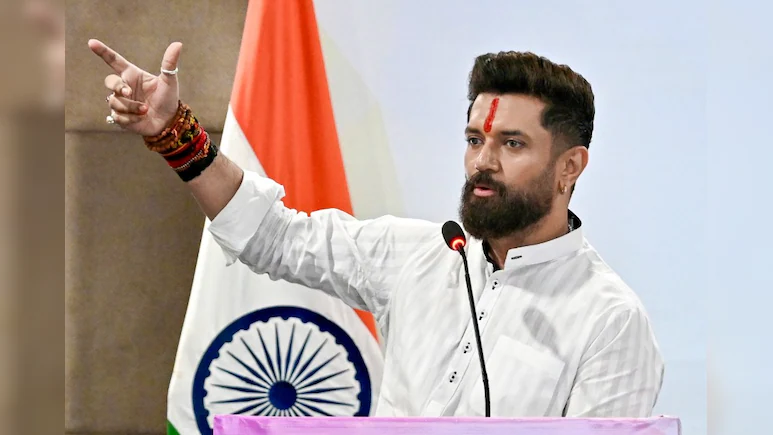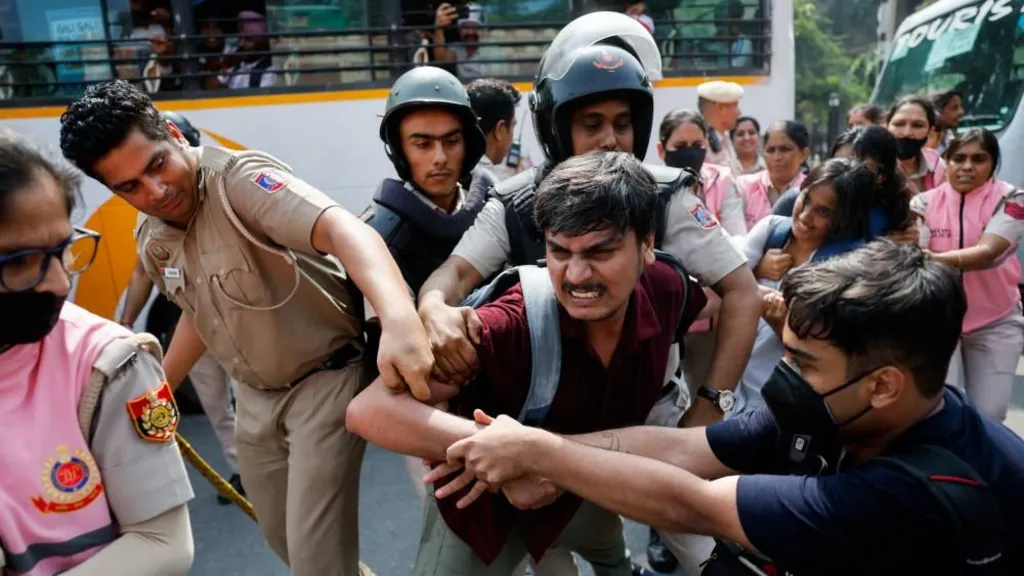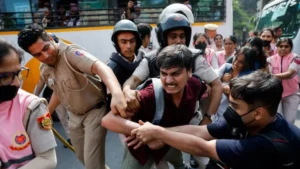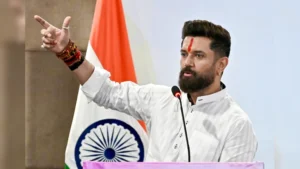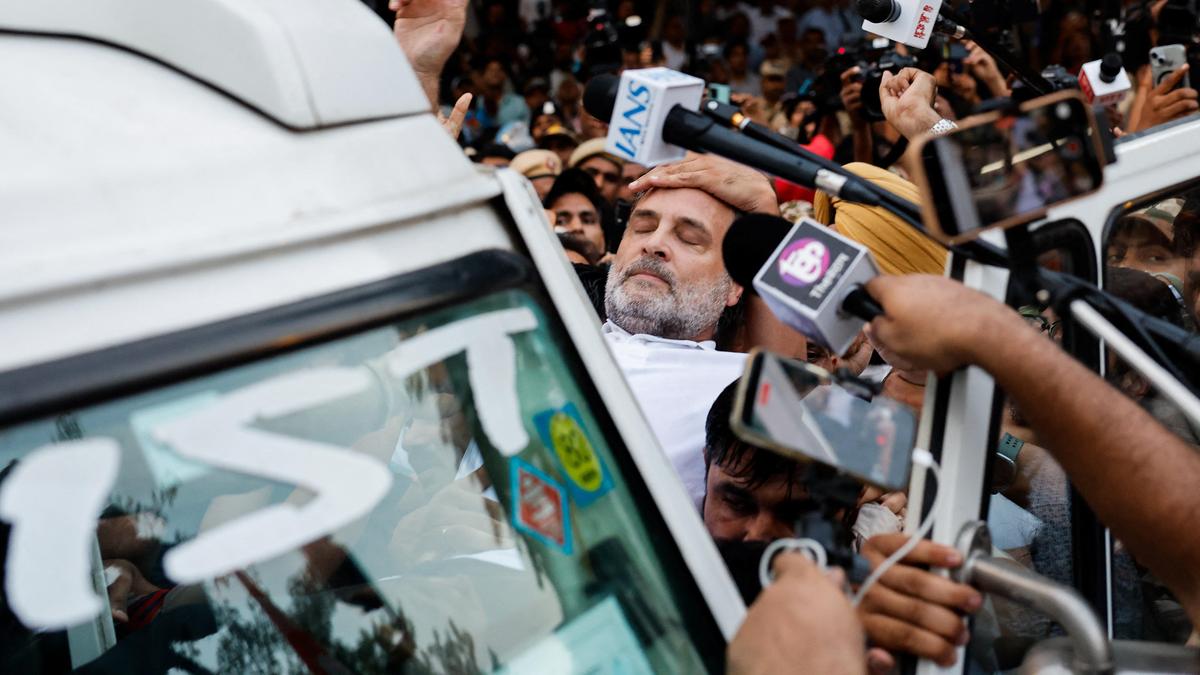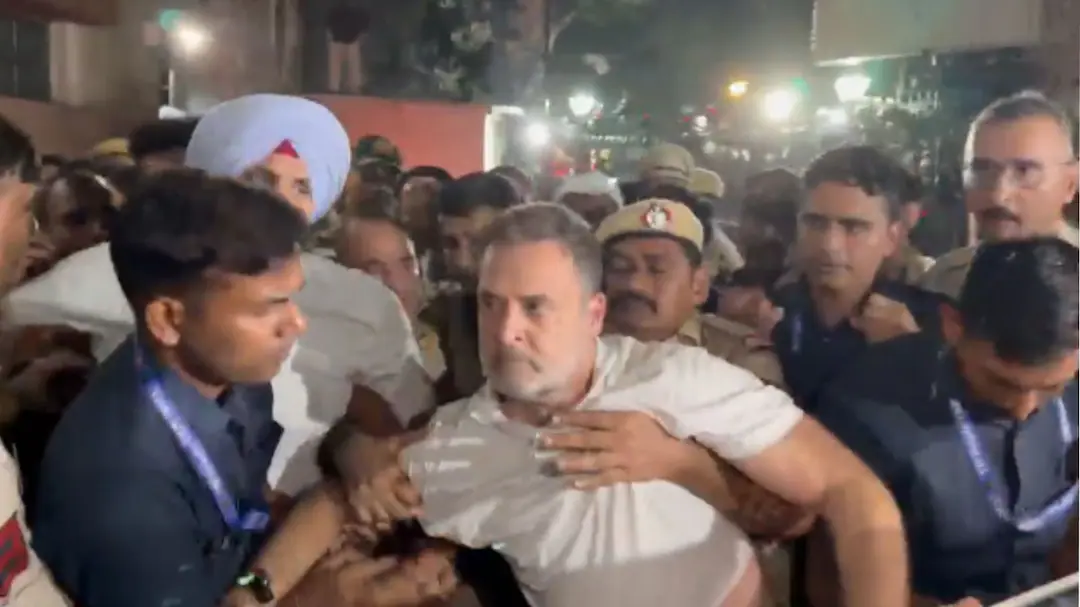

Rahul Gandhi on Delhi protest restrictions became a major political issue on October 10, 2026, after the Leader of Opposition in the Lok Sabha accused Prime Minister Narendra Modi and the Bharatiya Janata Party (BJP) of suppressing dissent during demonstrations in the national capital. Speaking at the Congress’s Chhatron Ki Goonj event in Chennai, Rahul Gandhi alleged that internet services had been shut down across Delhi and that police personnel had beaten student protesters. He also accused BJP-affiliated individuals of assaulting students.
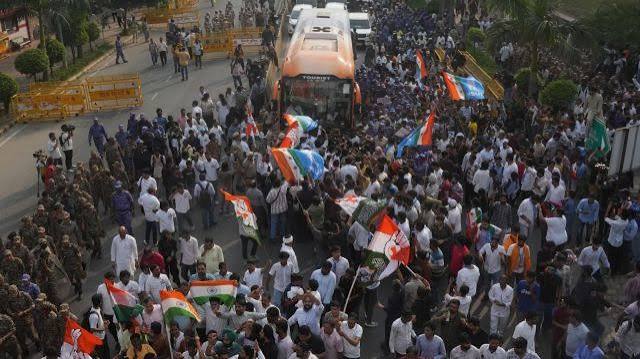
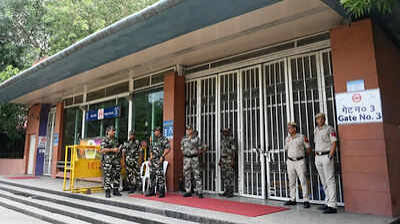
His remarks came amid heightened security in Delhi ahead of a planned Cockroach Janta Party (CJP) demonstration demanding the resignation of Chief Election Commissioner Gyanesh Kumar. Authorities had deployed thousands of security personnel, restricted access to several Metro stations and detained protesters attempting to assemble at different locations.
Rahul Gandhi used the Chennai event to discuss freedom of expression, the importance of questioning authority and the role of students in a democracy. His comments intensified the political debate over the handling of protests and the restrictions imposed across Delhi.
What Did Rahul Gandhi Say About the Delhi Protest?
Speaking at the Chhatron Ki Goonj event in Chennai, Rahul Gandhi accused the central government of attempting to silence dissent during the demonstrations in Delhi.
He alleged that the entire city had been shut down, internet services had been suspended and students had been beaten during the protests. He also claimed that individuals associated with the BJP had assaulted demonstrators.
Rahul Gandhi criticised Prime Minister Narendra Modi and said the government’s actions were damaging India’s democracy. These statements were allegations made by the Congress leader during his speech.
His remarks came as protesters were prevented from reaching Jantar Mantar, the designated protest location, amid extensive security arrangements. Groups attempting to gather at different locations across the capital faced police restrictions, and several protesters were detained.
The Congress leader linked the developments in Delhi to the broader importance of freedom of expression and the ability of young people to question those in power.
The allegations added to an ongoing political confrontation between the Congress and the BJP over the Election Commission’s voter-list revision exercise and the government’s response to demonstrations against it.
Why Was Delhi Under Heavy Security on October 10?
Delhi witnessed extensive security arrangements ahead of the planned CJP demonstration on October 10, 2026. The protest was organised around demands for Chief Election Commissioner Gyanesh Kumar’s resignation and concerns about the Special Intensive Revision (SIR) of electoral rolls.
According to The Times of India, Delhi Police deployed around 25,000 personnel, including police and paramilitary forces, ahead of the demonstration. Authorities imposed restrictions at several Metro stations and detained people who attempted to regroup and raise slogans.
Security arrangements were concentrated around Jantar Mantar and other locations where protesters were expected to assemble. Barricades, road restrictions and checks affected movement across parts of the capital.
Authorities said restrictions were necessary to manage crowds and maintain public order. Protest organisers and opposition leaders, however, criticised the measures and argued that they prevented people from exercising their right to peaceful assembly.
The scale of the operation also affected residents who were not participating in the demonstrations. Restrictions on public transport, roads and internet services raised concerns about access to essential services and the wider impact of the security arrangements.
The dispute has become part of a broader debate over how authorities should balance public safety with the rights of citizens to organise demonstrations and express political opinions.
What Is the Chhatron Ki Goonj Campaign?
The Chhatron Ki Goonj campaign is a Congress-led initiative focused on issues affecting students and young people across India.
The campaign addresses concerns such as examination paper leaks, irregularities in recruitment examinations, cancelled tests, rising education costs and unemployment. It seeks to provide students with a platform to discuss problems they face in education and employment.
Rahul Gandhi has used the initiative to engage with students and discuss their concerns about the country’s education and recruitment systems. The Chennai event was part of this wider campaign.
During his speech, Gandhi argued that curiosity and questioning were essential for progress. He said that innovations, businesses, artistic achievements and national development begin with people asking questions and examining existing ideas.
He also connected questioning authority with constitutional rights, arguing that citizens should be able to raise concerns about decisions made by those in power.
The campaign has gained political significance as student-related concerns overlap with wider debates about government accountability, employment opportunities and public institutions.
Rahul Gandhi Says Questioning Is Essential for Democracy
A central theme of Rahul Gandhi’s speech at Chhatron Ki Goonj was the importance of questioning authority.
He argued that curiosity helps people understand their surroundings, imagine new possibilities and make informed decisions. According to Gandhi, questioning is fundamental to progress in education, business, innovation, art and other areas of life.
He also referred to the Constitution and voting as ways through which citizens can question those in power and seek accountability.
The Congress leader connected these arguments to the events in Delhi, where protesters were attempting to demonstrate over concerns about electoral-roll revisions.
His remarks reflected the opposition’s position that restrictions on protests and the treatment of demonstrators deserve public scrutiny.
The BJP and the government have defended security measures taken in response to demonstrations, citing public order and other concerns. The competing positions highlight the continuing disagreement over how authorities should manage protests while protecting citizens’ rights.
CJP Protest and the Demand for Gyanesh Kumar’s Resignation
The demonstrations in Delhi were linked to the Cockroach Janta Party’s campaign against the Election Commission’s Special Intensive Revision of electoral rolls.
The revision process involves reviewing voter lists to identify duplicate entries, deceased voters, people who have relocated and other records that may no longer be valid. The Election Commission has maintained that such verification is necessary to keep electoral rolls accurate.
However, opposition parties and activists have raised concerns about the scale of deletions and the possibility that eligible voters could be removed incorrectly.
The CJP and opposition groups have demanded the resignation of Chief Election Commissioner Gyanesh Kumar, arguing that the process requires greater scrutiny and accountability.
The Election Commission and the BJP have rejected allegations that the exercise was designed to manipulate electoral outcomes. They maintain that voter verification is intended to improve the accuracy of electoral records.
The dispute has contributed to demonstrations in Delhi and other cities, with protesters seeking explanations about how voter deletions were determined and what procedures are available to people who believe their names were wrongly removed.
Rahul Gandhi’s comments in Chennai connected the protest to broader questions about dissent, institutional accountability and the rights of citizens to challenge government decisions.
Allegations of Police Action Against Students
Rahul Gandhi’s speech included allegations that police personnel had beaten students during the Delhi demonstrations. He also claimed that BJP-affiliated individuals had assaulted protesters.
These claims were part of the Congress leader’s criticism of the government’s handling of dissent. The reported account of his speech did not independently establish every allegation he made.
The protests had already prompted confrontations between demonstrators and authorities, with police restricting access to gathering points and detaining people attempting to assemble.
The allegations have intensified scrutiny of how the demonstrations were managed and whether the force used against protesters was appropriate in particular incidents.
Assessing such claims requires incident-specific evidence, including eyewitness accounts, video footage, police statements and any subsequent investigations. Allegations made by political leaders should be distinguished from findings independently established by authorities or courts.
The wider issue is how police can maintain public order while respecting the rights of people participating in peaceful demonstrations.
Internet Restrictions and Their Impact on Residents
Rahul Gandhi also alleged that internet services had been shut down in Delhi during the protests.
Internet restrictions can affect more than demonstrators. Residents may rely on mobile connectivity for digital payments, navigation, work communications, transport updates and contact with family members.
For businesses and service providers, disruptions can interfere with daily operations. Students and office workers may also experience difficulties accessing online resources or communicating with institutions.
Authorities sometimes impose temporary connectivity restrictions in response to security concerns, but such measures can generate debate over their necessity, geographic scope and duration.
In this case, Gandhi cited the alleged internet shutdown as evidence of what he described as the suppression of dissent. His statement formed part of a wider political criticism of the security measures implemented during the CJP protests.
The precise scope and duration of the restrictions should be assessed through official orders and independent reporting rather than inferred solely from political statements.
BJP and Congress Differ Over the Handling of Protests
The developments have widened the political disagreement between the Congress and the BJP.
Rahul Gandhi accused the government of undermining democracy and suppressing dissent through restrictions imposed during the Delhi demonstrations. The Congress has argued that protesters should be able to raise concerns about electoral processes and public institutions.
The BJP and government authorities have defended the need for security arrangements when large gatherings are expected. Police have cited public order, crowd management and compliance with protest-related requirements as reasons for imposing restrictions.
The dispute also reflects a wider disagreement about the Election Commission’s voter-verification exercise. Opposition parties have questioned the potential effect of deletions on eligible voters, while the Election Commission and BJP have rejected claims of deliberate electoral manipulation.
These differences have become increasingly visible as political parties prepare for upcoming state elections and debate the fairness and transparency of electoral procedures.
The immediate controversy concerns the treatment of demonstrators and the extent of restrictions imposed in Delhi. The broader political dispute involves institutional accountability, voter registration and the limits of government authority during public protests.
Why Student Protests Matter in the Current Political Debate
Student movements have played a visible role in public discussions about education, recruitment and employment in India.
Issues such as examination paper leaks, cancelled recruitment tests, delayed results and rising education costs can affect students’ career plans and financial circumstances. Protests allow students to draw attention to these problems and demand responses from authorities.
The Congress’s Chhatron Ki Goonj campaign has sought to organise these concerns into a broader discussion about education and employment opportunities.
Rahul Gandhi’s Chennai speech linked student activism with the right to question authority. He argued that questioning is important not only for personal development but also for national progress and democratic accountability.
At the same time, demonstrations must operate within the applicable legal framework, and authorities have responsibilities relating to public safety and order. The challenge is to ensure that restrictions are proportionate and that peaceful participation remains possible.
The developments in Delhi have brought these questions into sharper focus, particularly as the protest over electoral-roll revisions has drawn attention from opposition leaders and youth organisations.
What Happens Next?
The political fallout from Rahul Gandhi’s comments will depend on further developments surrounding the Delhi protests, the response from the BJP and authorities, and any additional information about the alleged treatment of demonstrators.
The immediate issue is the handling of people detained during the demonstrations and the status of restrictions affecting transport and public movement. Any formal investigation or official response to allegations of assault would help clarify what occurred in specific incidents.
The dispute over voter-list revisions is also likely to continue. The CJP and opposition parties are seeking greater accountability from the Election Commission, while the commission maintains that the verification exercise is intended to improve the accuracy of electoral rolls.
The Chhatron Ki Goonj campaign may continue to bring education, recruitment and employment issues into political discussions, particularly as student concerns remain part of the Congress’s outreach to young people.
For now, Gandhi’s remarks have added another dimension to the controversy, connecting the Delhi security operation with broader debates about freedom of expression, peaceful protest and democratic accountability.
Conclusion
Rahul Gandhi’s comments at the Chhatron Ki Goonj event in Chennai on October 10, 2026, intensified the political debate over the Delhi protests. The Leader of Opposition accused Prime Minister Narendra Modi and the BJP of suppressing dissent, alleging that internet services had been shut down and students had been beaten during demonstrations.
The remarks came as Delhi Police deployed thousands of personnel, restricted access to several Metro stations and detained protesters attempting to gather over demands for Chief Election Commissioner Gyanesh Kumar’s resignation.
The dispute is linked to the Special Intensive Revision of electoral rolls, which the Election Commission describes as a verification exercise but which opposition groups have criticised over concerns about the removal of eligible voters. The BJP and Election Commission deny allegations of electoral manipulation.
The developments have raised questions about public order, the right to peaceful assembly and the accountability of public institutions. Further evidence and official responses will be important in assessing the specific allegations made about police action and the internet restrictions.