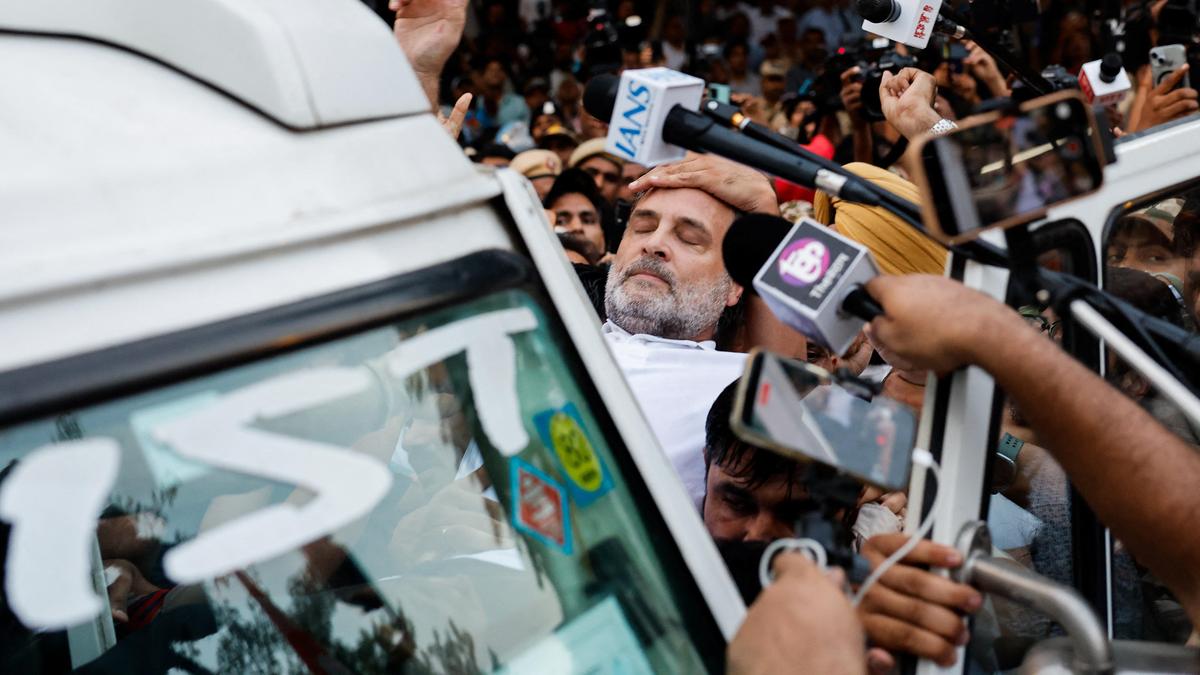
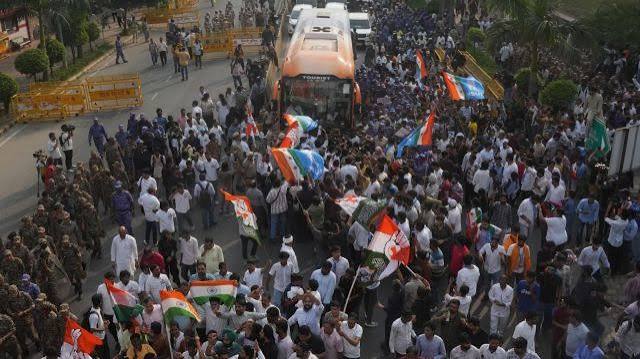
The CJP Delhi protest is scheduled to take place on October 10, 2026, despite reported detentions of supporters travelling to the national capital. Abhijeet Dipke, founder of the youth-led Cockroach Janta Party (CJP), has said the planned demonstration will go ahead at Jantar Mantar, where protesters intend to demand the resignation of Chief Election Commissioner Gyanesh Kumar over a controversial voter-list revision exercise. Delhi authorities have intensified security arrangements, deployed thousands of police and paramilitary personnel, and introduced transport restrictions ahead of the planned gathering.
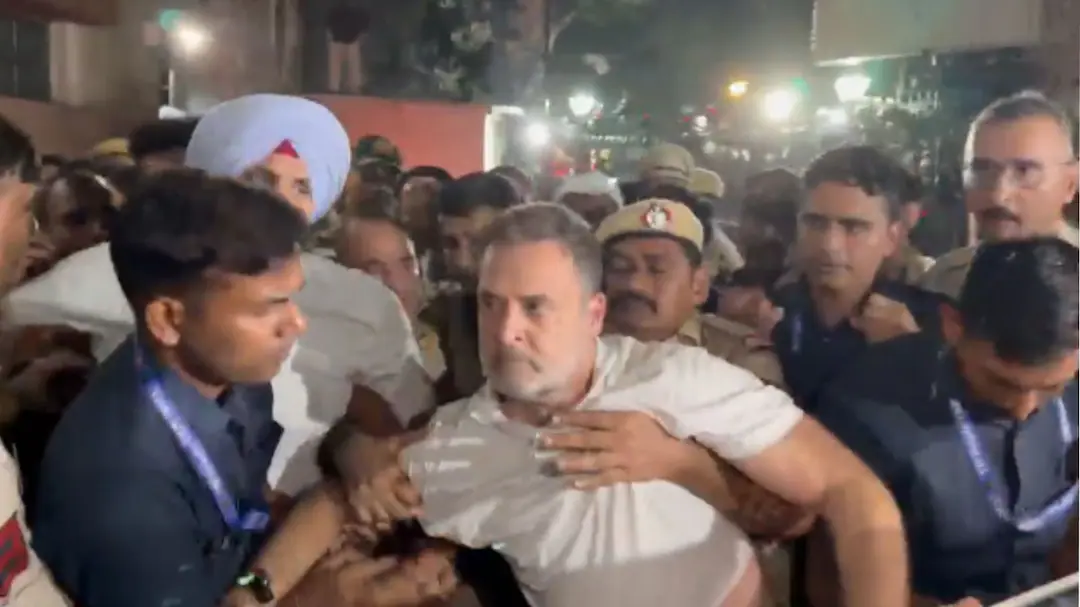
According to a Reuters report published on October 9, Dipke said he would travel to Delhi and march to Jantar Mantar despite the detentions of supporters. The party has accused authorities in several states of detaining thousands of its members and supporters as they attempted to reach the capital. Police, meanwhile, have said the proposed demonstration does not have the required permission and warned that participants could face legal action if they violate restrictions.
The planned demonstration has drawn attention to the nationwide controversy over the revision of electoral rolls, the role of the Election Commission and the right to peaceful protest. It has also raised concerns about the impact of security measures on commuters and residents who rely on Delhi’s public transport network.
Abhijeet Dipke Says CJP Delhi Protest Will Continue
Abhijeet Dipke has maintained that the CJP Delhi protest will proceed despite reported detentions and restrictions imposed ahead of the demonstration. In a message posted on X, he said he would arrive in Delhi and march to Jantar Mantar, signalling that the movement intended to continue with its planned programme.
Dipke also addressed Prime Minister Narendra Modi in his message, declaring that young people were no longer afraid. His remarks came as authorities increased security across Delhi and reports emerged of CJP supporters being detained while travelling towards the capital.
The movement has framed the planned demonstration as part of its campaign against the voter-verification exercise and its demand for Gyanesh Kumar’s resignation. CJP leaders have argued that the reported removal of names from electoral rolls requires greater scrutiny and accountability.
The government’s position on the security arrangements is different. Police have said the organisation does not have permission for the proposed protest and warned that violations of applicable restrictions could lead to legal action.
The disagreement has placed the planned march at the centre of a wider debate over public order, freedom of assembly and the ability of political groups to organise demonstrations in the national capital.
Why Is the Cockroach Janta Party Protesting?
The CJP Delhi protest centres on opposition to the Election Commission’s voter-verification exercise, which has resulted in the removal of millions of names from electoral rolls across India.
The exercise began ahead of elections in Bihar and has since covered most states, according to Reuters. Election Commission data cited in the report indicates that approximately 130 million names have been deleted from voter lists during the verification process.
The reported deletions include people who have relocated, individuals who could not be traced and people recorded as deceased. The figures have become a major point of political debate, particularly because opposition parties have questioned whether the exercise has disproportionately affected certain groups of voters.
The Cockroach Janta Party and opposition groups are demanding the resignation of Chief Election Commissioner Gyanesh Kumar. They argue that the scale of the deletions raises questions about electoral fairness and the protection of eligible voters’ rights.
However, the allegations of political manipulation remain disputed. The Bharatiya Janata Party and the Election Commission have denied claims that the voter-list revision was designed to influence electoral outcomes. The BJP has attributed its electoral performance to factors including Prime Minister Narendra Modi’s popularity and the country’s economic growth.
The central issue is therefore not simply the number of names removed, but whether the verification process has correctly identified ineligible entries while protecting the voting rights of eligible citizens.
Around 130 Million Names Removed From Electoral Rolls
The scale of the voter-list revision has become a major part of the debate surrounding the CJP Delhi protest.
According to Election Commission data cited by Reuters, around 130 million names have been deleted from electoral rolls during the verification exercise. The reported categories include approximately 63 million people who had relocated, 30 million who could not be traced and 28 million who were recorded as deceased.
These figures have attracted attention because India had at least 960 million eligible voters in 2024, making electoral-roll accuracy an important issue for the country’s democratic process.
Supporters of the verification exercise argue that electoral rolls need to be updated to remove duplicate, deceased or otherwise ineligible entries. Accurate voter lists are essential to ensuring that elections are conducted using valid records.
Opposition parties and the CJP, however, have raised concerns about the possibility of eligible voters being removed incorrectly. They have also questioned the potential impact of deletions on election outcomes in states where the BJP has won.
Those claims have not been established as proven electoral manipulation. The Election Commission and the BJP deny allegations of wrongdoing, while opposition groups continue to demand greater accountability and scrutiny.
The controversy has contributed to protests across several cities and increased pressure on the Election Commission to address questions about the verification process.
Delhi Deploys Thousands of Security Personnel
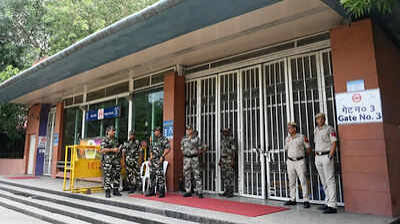
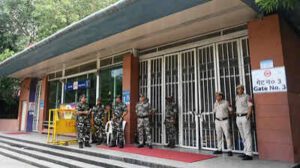
Authorities have increased security in Delhi ahead of the CJP Delhi protest, with thousands of police and paramilitary personnel being deployed to manage the anticipated gathering.
Reuters reported that additional security forces were being sent to the capital, including personnel from sensitive areas such as Jammu and Kashmir. The deployment reflects the authorities’ preparations for a demonstration that organisers expect to attract thousands of participants.
Police have stated that the CJP does not have permission for the planned protest and that participants could face legal action if they violate restrictions. Authorities are also seeking to manage crowd movement around sensitive locations and prevent disruption to public order.
The CJP, meanwhile, has accused authorities in several states of detaining supporters who were travelling to Delhi. The organisation has said these actions would not stop the planned demonstration.
The competing positions have created uncertainty over the scale and organisation of the protest. While the CJP says it intends to proceed, the authorities have emphasised the restrictions governing public gatherings.
The situation also raises practical questions about how security arrangements will be implemented around Jantar Mantar and other parts of the capital, particularly if large numbers of demonstrators attempt to reach the designated protest site.
Delhi Metro Restrictions and Train Cancellations
Security arrangements ahead of the CJP Delhi protest have also affected public transport.
According to Reuters, authorities announced restrictions affecting 57 Delhi Metro stations from Friday night, October 9. Several long-distance trains arriving in Delhi were also cancelled ahead of the planned demonstration.
These measures were introduced after organisers indicated that thousands of people could attend the protest. Authorities have sought to manage crowd movement and reduce the possibility of disturbances around sensitive locations.
However, the restrictions have raised concerns about their impact on ordinary commuters. Delhi’s Metro network is used daily by office workers, students, visitors and residents travelling between the capital and neighbouring areas, including Gurugram and Greater Noida.
Train cancellations can also affect passengers travelling from other states who may need to change connections or rearrange their journeys.
The transport restrictions became a separate issue when the Supreme Court questioned whether the measures were proportionate to the security concerns. During a related hearing, the court asked the Centre to reconsider the curbs and stressed that essential public transport should not be completely halted when more limited measures could be considered.
The court’s observations highlighted the need to balance public safety with the practical requirements of residents who depend on transport services for work, education and other essential activities.
The final effect on passengers depends on the revised arrangements announced by the relevant transport authorities.
What Is the Cockroach Janta Party?
The Cockroach Janta Party, commonly referred to as the CJP, began as an online satirical youth movement and later gained wider attention through street demonstrations.
The movement became more prominent earlier in 2026 during protests over examination paper leaks. Its campaign attracted support from students and young people concerned about recruitment examinations, education administration and accountability.
The earlier agitation continued for weeks and culminated in the resignation of the education minister, according to Reuters. That episode helped bring the organisation into national political discussion.
The CJP has since broadened its campaign to include demands relating to voter-list revisions and the Election Commission. Its latest mobilisation seeks the resignation of Chief Election Commissioner Gyanesh Kumar.
The organisation’s use of satire and online mobilisation has helped it attract attention, while its demonstrations have brought it into direct confrontation with authorities over protest permissions and public-order restrictions.
The current dispute represents another major test for the movement as it attempts to translate online support into participation in a large public demonstration.
Opposition Parties Also Question Voter-List Revisions
The controversy surrounding the CJP Delhi protest extends beyond the youth movement itself. Opposition parties have also criticised the voter-verification exercise and raised concerns about the possible removal of eligible voters.
Some opposition leaders argue that deletions could have affected the results of recent state elections won by the BJP. They have also alleged that Muslim voters and other minority communities could be disproportionately affected.
The BJP and the Election Commission reject allegations that the exercise was intended to manipulate elections. They maintain that voter verification is part of maintaining accurate electoral rolls.
The disagreement has intensified political tensions ahead of state elections scheduled for 2027. At least seven states are expected to vote next year, including Uttar Pradesh, which is governed by the BJP and plays a significant role in national politics.
Parliamentary elections are not scheduled until 2029, but state elections are already contributing to political debate over voter registration, election administration and the reliability of electoral records.
For the Election Commission, the issue involves ensuring that voter lists are accurate while addressing concerns about the removal of eligible voters. For opposition parties and the CJP, the priority is obtaining answers about how deletions were determined and what safeguards exist for people whose names may have been removed incorrectly.
Right to Protest and Police Restrictions
The planned demonstration has also raised questions about the relationship between the right to peaceful assembly and the authority of police to regulate public gatherings.
Peaceful protest is protected under India’s constitutional framework, subject to reasonable restrictions established by law. Authorities may regulate demonstrations to maintain public order, protect public safety and manage access to sensitive locations.
However, disagreements can arise over whether a restriction is necessary, proportionate or excessively broad. Organisers may argue that restrictions interfere with their ability to express their views, while authorities may cite crowd-management concerns and the risk of disorder.
In this case, police have said the CJP lacks permission for the proposed demonstration and could face legal action if participants violate applicable rules. The party has maintained that it intends to proceed despite these restrictions.
The reported detentions of supporters travelling to Delhi have added another dimension to the dispute. The CJP says thousands of its supporters have been detained across several states, although that figure represents the organisation’s account rather than an independently confirmed total.
The developments underline the importance of transparent communication about protest permissions, the legal basis for restrictions and the treatment of people detained during security operations.
Why the Protest Matters Ahead of the 2027 Elections
The CJP Delhi protest is taking place ahead of a significant election cycle, with at least seven states expected to hold assembly elections in 2027.
The voter-list verification exercise has become a contentious issue because electoral rolls determine who can participate in elections. Concerns about incorrect deletions can therefore have direct implications for voters seeking to exercise their democratic rights.
At the same time, removing duplicate or invalid entries is an important part of maintaining accurate voter lists. The key question is whether the verification process can achieve that objective without wrongly excluding eligible citizens.
Opposition parties have argued that the deletions could have influenced some recent state election results, while the BJP has rejected the suggestion that its electoral victories resulted from manipulation of voter lists.
These competing claims make transparent procedures and accessible correction mechanisms particularly important. Voters need to know how to verify their registration status and what steps are available if their names are missing from electoral rolls.
The current protest has brought these issues into public debate and placed additional attention on the Election Commission’s handling of the verification exercise.
What Happens Next?
The immediate focus is whether the planned CJP Delhi protest proceeds at Jantar Mantar on October 10 and how authorities manage the gathering.
Abhijeet Dipke has said the movement will go ahead despite reported detentions, while Delhi Police has stated that the demonstration lacks permission. The authorities have increased security and imposed transport restrictions in anticipation of a potentially large crowd.
The situation may depend on the number of demonstrators who reach the capital, the implementation of police restrictions and any further discussions between organisers and authorities.
Commuters are also likely to be watching for updates about Metro station access, train services and road restrictions. Transport changes can affect people who are not involved in the protest, making clear public advisories important.
Beyond the immediate demonstration, the dispute over voter-list revisions is likely to remain part of India’s political debate as parties prepare for elections in 2027. The Election Commission’s procedures, the accuracy of electoral rolls and the availability of remedies for voters who believe their names were wrongly deleted will remain central questions.
Conclusion
The CJP Delhi protest is scheduled for October 10, 2026, with founder Abhijeet Dipke saying the demonstration will proceed despite reported detentions of supporters travelling to the capital. The movement intends to demand the resignation of Chief Election Commissioner Gyanesh Kumar over a voter-verification exercise that has reportedly removed around 130 million names from electoral rolls.
Delhi authorities have increased security, restricted access at 57 Metro stations and cancelled several incoming trains ahead of the planned gathering. Police say the demonstration lacks permission, while the CJP has maintained that the reported detentions will not stop its campaign.
The controversy reflects a wider disagreement over electoral-roll accuracy, allegations of political bias and the balance between the right to peaceful protest and public-order requirements. The BJP and Election Commission deny allegations of electoral manipulation, while opposition parties and the CJP continue to demand answers about the scale and impact of the deletions.
The immediate outcome will depend on how the demonstration unfolds and how authorities manage security and public transport. The broader debate is likely to continue as India approaches the 2027 state elections, keeping voter registration and election administration in the national political conversation.