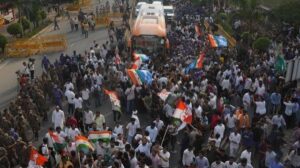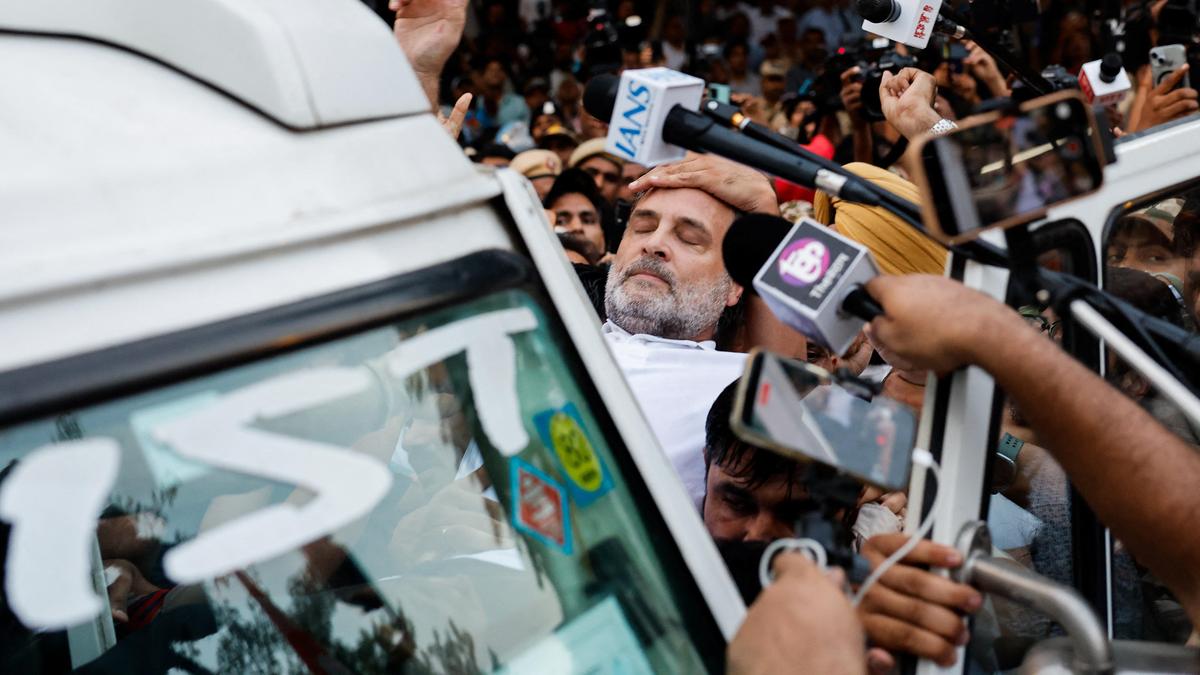
The CJP Delhi protest scheduled for October 10, 2026, prompted a major security operation across the national capital, with more than 30,000 police and paramilitary personnel deployed ahead of a planned demonstration at Jantar Mantar. The Cockroach Janta Party (CJP), a youth-led movement that initially gained attention through online satire and student protests, called for electoral reforms and the resignation of Chief Election Commissioner Gyanesh Kumar over allegations concerning India’s voter-list revision process.
According to BBC News, authorities blocked roads leading to Jantar Mantar, restricted access to several Metro stations and cancelled a number of trains travelling to Delhi. Police denied permission for the proposed gathering, citing concerns about public safety, traffic management and law and order. However, CJP founder Abhijeet Dipke said the movement would proceed with its planned march despite the restrictions.
The CJP Delhi protest has attracted attention because it brings together concerns about electoral transparency, the right to peaceful assembly and the government’s handling of public demonstrations. Opposition parties, student organisations and farmer groups have also expressed support for demands related to electoral reforms. The Election Commission has rejected allegations that the voter-verification process was designed to manipulate election results.
Why Has Delhi Increased Security Ahead of the CJP Protest?
The security deployment was organised ahead of the planned demonstration at Jantar Mantar, a recognised protest location in central Delhi. Authorities anticipated that thousands of people could attempt to reach the site, prompting extensive arrangements to control crowds and regulate movement.
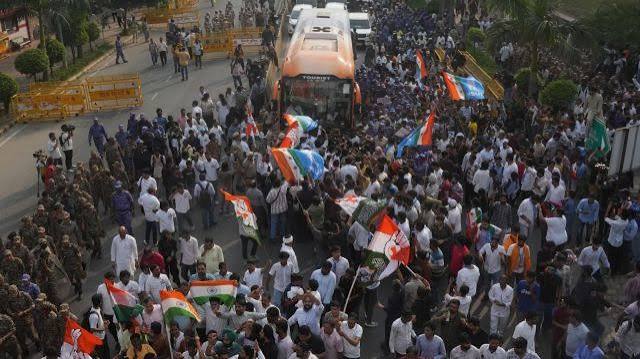
According to the BBC, more than 30,000 police and paramilitary personnel were deployed across the capital. Police erected metal barricades around roads leading to the protest venue, restricted access to parts of central Delhi and stationed security personnel near sensitive locations.
Drones were also seen operating above the protest area as officials monitored movement around the site. Journalists covering the demonstration were directed to a designated area, while some people arriving early were stopped and questioned by security personnel.
The measures significantly affected traffic. Several major roads were closed or diverted, increasing journey times for commuters and visitors. A journey that would normally take approximately 15 minutes reportedly took more than an hour during the restrictions.
Authorities said the arrangements were necessary to maintain public safety and prevent overcrowding. Jantar Mantar has limited capacity, with police stating that the site can accommodate approximately 1,000 people at a time.
The extensive deployment reflects the authorities’ concerns about managing a potentially large gathering in a busy part of the capital. However, the restrictions also raised questions about the impact of security operations on ordinary residents and the ability of protesters to assemble peacefully.
Abhijeet Dipke Says CJP March Will Go Ahead
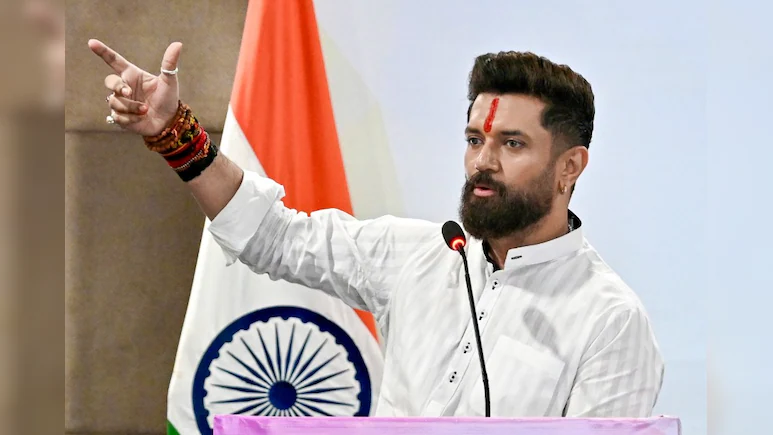
Abhijeet Dipke, founder of the Cockroach Janta Party, maintained that the CJP Delhi protest would proceed despite the denial of police permission.
In a message posted on X, Dipke said the party would march towards Jantar Mantar regardless of the restrictions. Addressing Prime Minister Narendra Modi, he expressed the movement’s determination to continue its campaign despite the possibility of detention or other police action.
The statement came as authorities were increasing security and reports emerged that supporters had been stopped while travelling towards Delhi.
The CJP has accused authorities in different states of preventing supporters from reaching the capital. The group has argued that the restrictions and reported detentions would not stop its campaign for electoral reforms.
Police, meanwhile, maintained that the proposed gathering did not have the necessary permission. Authorities cited the short notice given by organisers, previous concerns about compliance with police directions and the need to manage public safety and traffic.
The disagreement has placed the protest at the centre of a broader debate over the conditions under which demonstrations can take place in Delhi.
For the CJP, the planned march is intended to draw national attention to its demands concerning the Election Commission. For the authorities, the immediate challenge is to manage a large gathering while preventing disorder and protecting public movement around sensitive locations.
Why Is the CJP Demanding Gyanesh Kumar’s Resignation?
The principal demand behind the CJP Delhi protest is the resignation of Chief Election Commissioner Gyanesh Kumar. The movement and several opposition groups have questioned the Election Commission’s Special Intensive Revision, or SIR, of electoral rolls.
The exercise is intended to review voter lists and remove duplicate or ineligible entries. The Election Commission has said that the process is necessary to improve the accuracy of electoral rolls and ensure that they contain valid voter records.
However, opposition parties and activists have raised concerns about the scale of deletions and whether eligible voters could be removed incorrectly.
According to BBC reporting, approximately 130 million names had been struck off electoral rolls during the revision process. The reported deletions included people who had relocated, individuals who could not be traced and people recorded as deceased.
The figures have become a major point of political debate because India had at least 960 million eligible voters in 2024. Questions about electoral-roll accuracy therefore affect a large population and have implications for participation in elections.
Critics allege that the process could disadvantage eligible voters and have questioned whether it has been applied fairly. Some opposition leaders have also alleged that the revisions could benefit Prime Minister Narendra Modi’s Bharatiya Janata Party (BJP).
The BJP and the Election Commission have rejected allegations of electoral manipulation. The commission says the exercise is designed to remove duplicate and ineligible entries, while the BJP has denied that the revisions were intended to influence election outcomes.
The CJP Delhi protest is therefore part of a wider political dispute over how voter lists are maintained, how deletions are verified and what safeguards exist for citizens whose names may have been removed incorrectly.
Police Explain Why Permission Was Denied
Delhi Police refused permission for the planned demonstration at Jantar Mantar, citing procedural requirements and concerns about public order.
According to the BBC report, police official Nupur Prasad said organisers had submitted their application at short notice. She explained that the applicable guidelines require applications for events at Jantar Mantar to be submitted at least 10 days before the scheduled date.
The police also referred to previous demonstrations and alleged that organisers had not complied with lawful directions on earlier occasions.
Authorities said the decision was based on public safety, traffic regulation, law and order, and compliance with the prescribed procedures for organising a gathering.
The CJP challenged the refusal, arguing that it should be sufficient to inform police about a demonstration rather than obtain prior approval. This disagreement raises questions about the applicable rules for public gatherings and how they should be interpreted.
Police permission requirements and restrictions can vary according to the location, circumstances and legal framework governing a demonstration. Authorities can impose conditions to manage crowds and protect public order, but disagreements may arise when organisers believe the restrictions unnecessarily interfere with their ability to protest.
The immediate dispute concerns whether the CJP can proceed with its planned gathering despite the refusal and how authorities will respond if participants attempt to reach the protest site.
Metro Restrictions and Train Cancellations Affect Delhi Commuters
The security measures surrounding the CJP Delhi protest extended beyond the immediate area around Jantar Mantar.
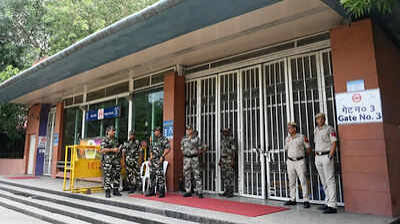
According to the BBC, authorities ordered restrictions affecting dozens of Delhi Metro stations and cancelled several trains travelling to the capital. These measures were intended to limit the movement of large groups towards the protest site.
The restrictions caused concern among commuters who depend on public transport to travel to work, educational institutions, hospitals and commercial areas. Delhi’s Metro network is also important for people travelling between the capital and neighbouring cities such as Gurugram and Greater Noida.
Train cancellations can create additional difficulties for passengers arriving from other states. Travellers may need to change connections, find alternative transport or rearrange appointments when services are disrupted.
The situation also drew judicial attention. During a related hearing, the Supreme Court questioned the scale of restrictions affecting essential public transport and asked the Centre to reconsider measures that could effectively halt services. The court emphasised the need to distinguish between regulating transport for security reasons and shutting it down entirely.
The court’s observations highlighted the importance of proportionality when public authorities impose restrictions that affect large numbers of people.
Although authorities may need to limit access to sensitive locations during a demonstration, the broader public also depends on transport services for everyday activities. The challenge is to manage security risks without creating unnecessary disruption across the city.
Commuters affected by such measures need clear and timely announcements about station closures, service frequency, train cancellations and alternative travel routes.
CJP’s Earlier Protest Movement and Education Reforms
The CJP Delhi protest follows an earlier period of demonstrations that helped establish the Cockroach Janta Party as a visible youth-led movement.
The CJP initially gained prominence through an online satirical campaign before becoming involved in street demonstrations. During the summer of 2026, the movement organised protests demanding education reforms and greater accountability over examination-related issues.
Those demonstrations attracted thousands of young people and included clashes with police. The agitation continued for weeks and was followed by the resignation of Union Education Minister Dharmendra Pradhan in July.
The resignation was viewed by the movement as a significant political development and helped bring greater attention to its organising efforts.
Since then, the CJP has broadened its campaign beyond education-related concerns. Its recent activities have focused on electoral reforms and demands for the resignation of Chief Election Commissioner Gyanesh Kumar.
The group held a rally in Mumbai in the week before the planned Delhi demonstration and organised another large gathering in Bengaluru on October 8. Student groups and opposition parties also held demonstrations in Delhi over the preceding days.
This sequence of events has helped build momentum for the October 10 mobilisation. Organisers have presented the planned gathering as a larger national demonstration supported by different groups concerned about electoral transparency.
The movement’s growing visibility has also increased scrutiny of its tactics, its relationship with authorities and the extent to which its demands resonate beyond its original student base.
Opposition Parties and Student Groups Join the Campaign
The planned CJP Delhi protest has received support from opposition parties, student organisations and farmer groups.
Their participation reflects broader concerns about electoral-roll revisions and the role of the Election Commission. Opposition leaders have questioned whether the deletion of large numbers of names could affect eligible voters, while activists have demanded greater transparency in the verification process.
The protest comes amid an increasingly tense political debate over voter registration and election administration. Opposition groups have argued that people whose names have been removed must have accessible ways to verify their eligibility and seek corrections.
The Election Commission’s position is that the revision is intended to improve the accuracy of voter lists by removing duplicate and ineligible entries. The BJP has also rejected allegations that the process was designed to benefit the ruling party.
These competing claims have made the issue a significant subject of political discussion ahead of state assembly elections expected in 2027.
The CJP’s campaign has given younger demonstrators a platform to raise questions about electoral institutions and government accountability. Support from other organisations could expand the reach of the protest, although the scale of participation depends on the restrictions and security arrangements in place.
The gathering also illustrates how online mobilisation can develop into a wider political movement, bringing together groups with overlapping concerns but potentially different priorities.
What Is the Special Intensive Revision of Electoral Rolls?
The Special Intensive Revision, commonly called SIR, is at the centre of the controversy that prompted the CJP Delhi protest.
The exercise involves reviewing electoral rolls to identify duplicate entries, deceased voters, people who have relocated and other entries that may no longer be valid. The Election Commission says such verification is necessary to maintain accurate voter lists.
Accurate electoral rolls are important because they help establish which citizens are registered to vote in a particular constituency. Removing invalid entries can improve the quality of the records used during elections.
However, the process also requires safeguards to ensure that eligible voters are not mistakenly excluded. People may move homes, have incomplete documentation or be difficult to contact during verification. If their names are removed incorrectly, they may face obstacles when attempting to vote.
Critics of the current exercise have questioned the number of deletions and called for greater transparency about how decisions are made. They have also raised concerns about whether the process could disproportionately affect certain communities.
The Election Commission has denied allegations that the revision is intended to manipulate electoral outcomes. The BJP has also rejected accusations that the process was designed to favour the ruling party.
Resolving the dispute requires reliable information about the reasons for deletions, the procedures used to verify voter eligibility and the mechanisms available for people who want to challenge an incorrect removal.
The controversy is therefore about both the accuracy of electoral records and public confidence in the institution responsible for maintaining them.
Public Safety and the Right to Peaceful Protest
The security arrangements ahead of the CJP Delhi protest highlight the challenge of balancing public order with the right to peaceful assembly.
India’s constitutional framework protects the right to assemble peacefully, subject to reasonable restrictions established by law. Authorities may regulate demonstrations to manage crowds, protect public safety and prevent disruption around sensitive locations.
At the same time, restrictions on public gatherings can affect the ability of organisations to communicate their demands and attract public attention. Disputes may arise over whether a refusal of permission or a particular security measure is necessary and proportionate.
In the current case, police have cited short notice, past compliance concerns and public-safety considerations in denying permission for the planned gathering. The CJP has challenged the decision and maintained that it intends to march to Jantar Mantar.
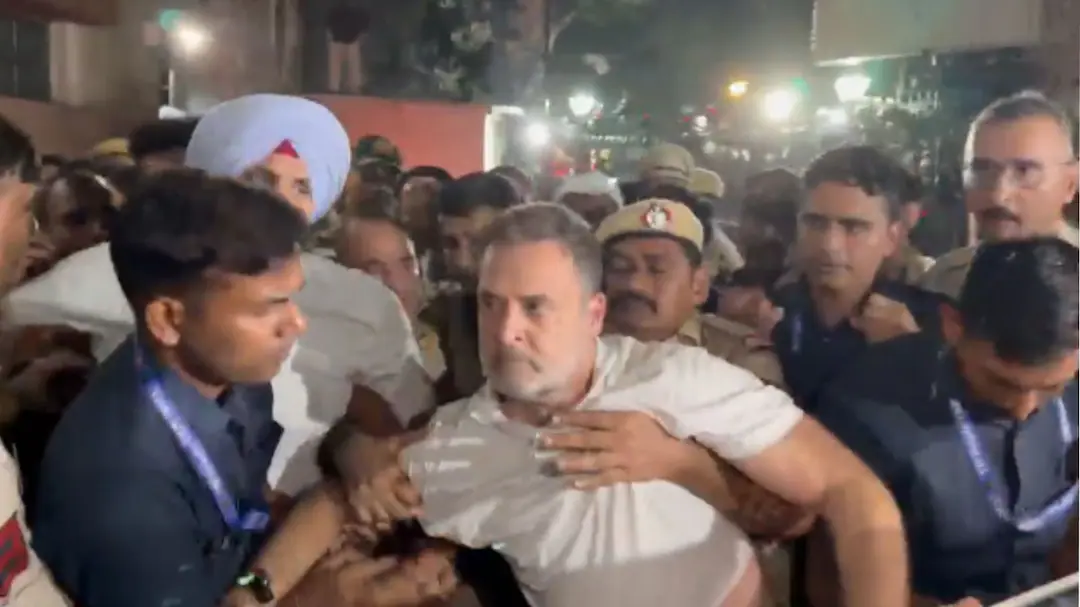
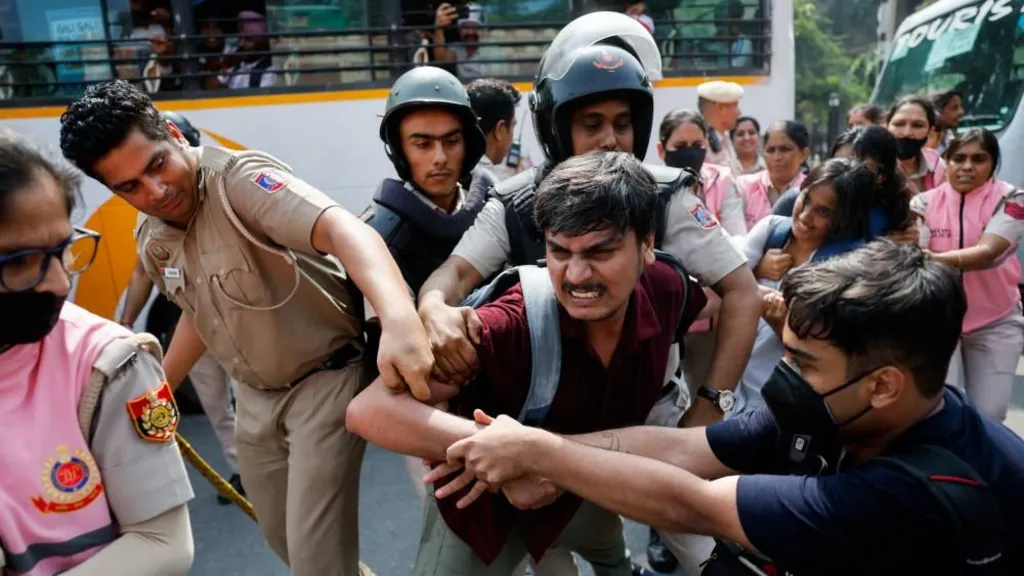
The reported detention of people arriving near the protest site has added to the tension. The BBC reported that at least five people were detained near Jantar Mantar during its coverage of preparations for the demonstration. The CJP has separately alleged that authorities prevented supporters from travelling to Delhi.
These accounts highlight the importance of clear information about the legal basis for restrictions and the treatment of people detained during security operations.
A peaceful resolution depends on the actions of both authorities and demonstrators, including compliance with applicable law, proportionate policing and transparent communication about the conditions governing the gathering.
What Happens Next in the CJP Delhi Protest?
The immediate outcome of the CJP Delhi protest depends on how the authorities manage the gathering and whether organisers and police can resolve their disagreement over permission and access to Jantar Mantar.
Before the planned demonstration, Abhijeet Dipke had said the movement would proceed despite the restrictions. Police had maintained that the gathering lacked permission and that the security arrangements were necessary to protect public safety and manage traffic.
The scale of the deployment, road closures and transport restrictions showed that authorities were preparing for a potentially large gathering. However, the precise number of people able to reach the protest site would depend on enforcement measures and travel conditions.
The wider controversy over electoral-roll revisions is likely to continue beyond the demonstration. The CJP and opposition groups are demanding accountability from the Election Commission, while the commission and BJP deny allegations of manipulation.
As the country approaches the 2027 state elections, the debate could keep voter registration, electoral transparency and the protection of eligible voters’ rights in the public conversation.
The immediate protest is one part of a larger disagreement over how election institutions operate and how citizens can challenge decisions they believe are incorrect.
Conclusion
The CJP Delhi protest prompted extensive security arrangements across the national capital ahead of the planned October 10 demonstration. More than 30,000 police and paramilitary personnel were deployed, roads leading to Jantar Mantar were barricaded, and restrictions affected Metro stations and trains travelling to Delhi.
CJP founder Abhijeet Dipke said the movement would proceed despite the denial of police permission. The organisation is demanding electoral reforms and the resignation of Chief Election Commissioner Gyanesh Kumar over concerns about the Special Intensive Revision of electoral rolls.
The Election Commission says the revision is intended to remove duplicate and ineligible entries, while the BJP and commission have rejected allegations that the process was designed to manipulate elections. Opposition parties and activists continue to question the scale of deletions and the potential impact on eligible voters.
The confrontation highlights the challenges of maintaining public order while respecting peaceful assembly and ensuring access to essential public services. The outcome of the demonstration may shape the movement’s next steps, but the broader debate over electoral transparency and voter-list accuracy is likely to remain important ahead of India’s 2027 state elections.