When the monsoon arrives in Jaipur, the Pink City takes on a different character. The heat begins to ease, the historic streets become greener, and residents and visitors increasingly look for warm, freshly prepared snacks to enjoy during rainy evenings. Along with Jaipur’s forts, palaces and bazaars, its food culture becomes an important part of the city’s monsoon experience.
From spicy pyaaz kachori and mirchi bada to chaat, samosas, lassi and traditional Rajasthani preparations, Jaipur has a wide variety of food options for people looking for a casual outing. Organised food destinations such as Masala Chowk and Jaipur’s chaupatis have also added another dimension to the city’s street-food culture by bringing multiple food options together in dedicated spaces.
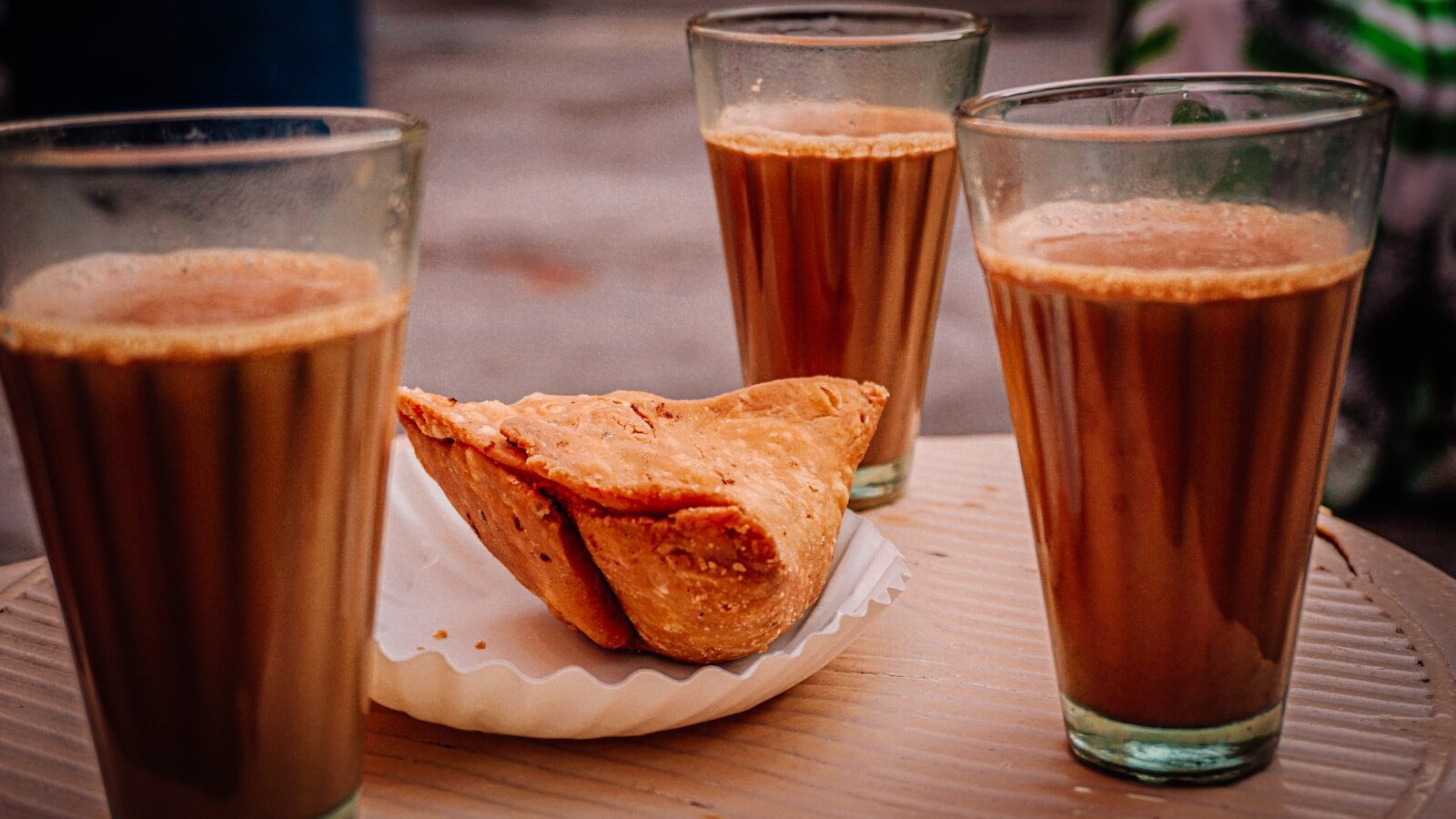
The attraction of these places becomes particularly noticeable during the rainy season. A plate of freshly fried snacks, a cup of hot tea and an evening spent outdoors can make for a simple but memorable Jaipur experience. However, not every organised chaupati has enjoyed the same level of popularity, and the experience can vary depending on location, crowd, food quality and pricing.
Why Jaipur’s Street Food Becomes Popular During Monsoon
Rainy weather traditionally increases demand for hot and freshly prepared snacks across India, and Jaipur is no exception. The city has a long-established food culture built around items such as kachori, samosa, mirchi bada, jalebi, chaat and lassi.
Pyaaz kachori remains one of the city’s best-known snacks. The crisp, deep-fried pastry filled with spiced onion is commonly served with chutneys or accompanying gravies. Mirchi bada is another popular choice, combining a chilli with a savoury filling and a fried coating.
Jaipur’s food culture also extends beyond snacks. Dal baati churma, ghevar, traditional sweets and thick lassi are among the foods associated with the city’s broader culinary identity. Several food guides and local recommendations continue to identify the old-city markets, including areas around Johari Bazaar, Tripolia Bazaar and Chandpole, as important destinations for street food.
The monsoon also creates an opportunity for visitors to explore these food areas while experiencing Jaipur’s historic surroundings. For tourists, combining food with a walk through the city’s markets can provide a more local experience than visiting only conventional restaurants.
Masala Chowk Remains an Important Food Destination
Among Jaipur’s organised street-food destinations, Masala Chowk near Albert Hall Museum has developed a particularly strong reputation. Its location close to major tourist attractions gives it an advantage because both visitors and local residents can easily include it in an evening outing.
Masala Chowk brings together numerous food vendors in one organised area, allowing visitors to sample different types of snacks and regional preparations without travelling between multiple parts of the city.
Its popularity also highlights an important factor in the success of food destinations: location. A 2025 report by The Times of India noted that Masala Chowk continued to attract substantially more visitors than the newer chaupatis in Mansarovar and Pratap Nagar. The report attributed part of Masala Chowk’s success to its location between Albert Hall and Ramniwas Bagh, which naturally brings tourist and local footfall.
For visitors unfamiliar with Jaipur, an organised food court such as Masala Chowk can therefore be a convenient starting point for exploring the city’s street-food culture.
Jaipur Chaupatis Offer a Different Experience
Jaipur’s chaupatis were developed with the idea of creating dedicated food and entertainment spaces where people could enjoy a range of cuisines in one location. The Rajasthan Housing Board developed chaupatis at Mansarovar and Pratap Nagar, with the concept designed to provide residents with multiple food choices and a recreational environment.
The options at these destinations have included Indian and regional food as well as fast food, South Indian preparations, sweets, beverages and other popular dishes.
The chaupati concept initially attracted considerable interest. According to The Times of India’s 2025 report, the Mansarovar and Pratap Nagar chaupatis recorded strong visitor numbers after opening in November 2021, but their popularity later declined. The report said that a number of shops at both locations had subsequently closed, with vendors citing factors including rent, reduced footfall and competition from cheaper roadside food options.
This provides an important distinction for travellers: the word “chaupati” does not automatically mean that every such destination offers the same level of popularity or variety. Conditions can change, and visitors should check current operating status before making a special trip.
What to Eat During a Jaipur Monsoon Evening
For anyone visiting Jaipur during the rainy season, freshly prepared snacks are among the most natural choices.
Pyaaz kachori is one of the city’s signature foods. Its crisp outer layer and strongly spiced onion filling make it particularly suitable for a rainy-day snack. Several Jaipur food guides continue to feature pyaaz kachori prominently when discussing the city’s food culture.
Mirchi bada is another classic option. The fried snack combines chilli with a savoury filling and is commonly enjoyed with chutney. It is especially appealing when served hot.
Samosas and other fried snacks are also widely available, while chaat provides a different combination of spicy, tangy and sweet flavours. Visitors looking for something sweet can consider jalebi, ghevar or traditional Rajasthani sweets.
Ghevar deserves particular attention because the sweet is strongly associated with Rajasthan and is especially visible during the monsoon and festive season. Its crisp honeycomb-like structure is generally soaked or topped with sweetened ingredients, with different versions available depending on the shop.
For those who prefer beverages, Jaipur is also known for its lassi. The thick, traditional drink is a familiar part of the city’s food culture, particularly around MI Road and the old city.
Street Food Versus Organised Chaupatis
The choice between traditional street stalls and organised food destinations largely depends on what a visitor wants from the experience.
Traditional street-food areas can provide a more authentic and energetic atmosphere. Visitors can watch snacks being prepared, move between different stalls and explore the surrounding bazaars. However, comfort, seating, cleanliness and crowd management can vary considerably from one location to another.
Organised food destinations generally offer a more structured environment, with multiple vendors operating within one area. They may be more convenient for families or groups that want several food choices without navigating crowded market lanes.
However, Jaipur’s chaupati experience has also demonstrated that organisation alone does not guarantee long-term popularity. The Times of India reported that vendors at the Mansarovar and Pratap Nagar locations faced challenges related to rents, declining footfall and competition from lower-priced alternatives.
For visitors, this means that choosing a food destination should depend on current conditions rather than simply relying on older lists or social-media popularity.
A Monsoon Food Trip Can Also Become a Cultural Experience
Jaipur’s food culture is closely connected with its markets and historic neighbourhoods. A food outing can therefore become more than simply finding something to eat.
Visitors exploring the old city can combine street food with sightseeing around Jaipur’s historic markets and landmarks. Johari Bazaar, Chandpole and other traditional market areas have long been associated with local food options. Contemporary travel guides also continue to recommend these areas for visitors interested in experiencing Jaipur’s street-food culture.
This combination of food, architecture and market life is one of the reasons Jaipur remains attractive to travellers. The city’s culinary identity is not limited to one dish or one restaurant; it is spread across generations of shops, stalls, markets and newer organised food destinations.
Things Visitors Should Keep in Mind During the Rain
Monsoon travel requires a little more attention to food and weather conditions. Visitors should preferably choose stalls where food is being prepared fresh and served hot. They should also pay attention to general cleanliness, water quality and food-handling practices.
Street food can be enjoyable, but travellers should avoid food that has been sitting exposed for long periods, particularly during humid or wet weather. Drinking water from reliable sources is equally important.
Rain can also affect road conditions and traffic. A location that is easy to reach during dry weather may take longer to access during a heavy downpour. Checking the weather and confirming that a food destination is operating before leaving can help avoid unnecessary inconvenience.
Jaipur’s Food Scene Continues to Evolve
Jaipur’s food culture is changing as new restaurants, food courts and modern food destinations appear alongside traditional stalls. Social media has also changed how people discover places to eat, with visually appealing dishes and locations increasingly attracting visitors.
At the same time, the continued popularity of traditional foods shows that Jaipur’s classic flavours remain important. Pyaaz kachori, mirchi bada, chaat, lassi, ghevar and other local favourites continue to feature prominently in recommendations for visitors.
The contrasting fortunes of Jaipur’s different chaupatis also show that food destinations need more than a large number of stalls to succeed. Location, affordability, food quality, customer experience and regular footfall all influence whether a food hub becomes a lasting local attraction.
For tourists visiting Jaipur during the monsoon, the best approach is therefore to keep the itinerary flexible. A rainy evening can be an ideal opportunity to explore the city’s food culture, whether that means stopping at a traditional street-food stall, visiting an organised food destination or exploring the markets of the old city.
Jaipur’s monsoon food experience ultimately comes down to the combination of weather, atmosphere and freshly prepared local flavours. For travellers willing to explore beyond conventional dining, the Pink City offers plenty of opportunities to experience its culinary character while enjoying the distinctive atmosphere of the rainy season.