India celebrated its 80th Independence Day on August 15, 2026, with Prime Minister Narendra Modi addressing the nation from the historic Red Fort in New Delhi and presenting a broad vision for the country’s next phase of development. The national celebration brought together themes of economic growth, self-reliance, technological progress, energy security, manufacturing, infrastructure and the role of young Indians in shaping the country’s future.
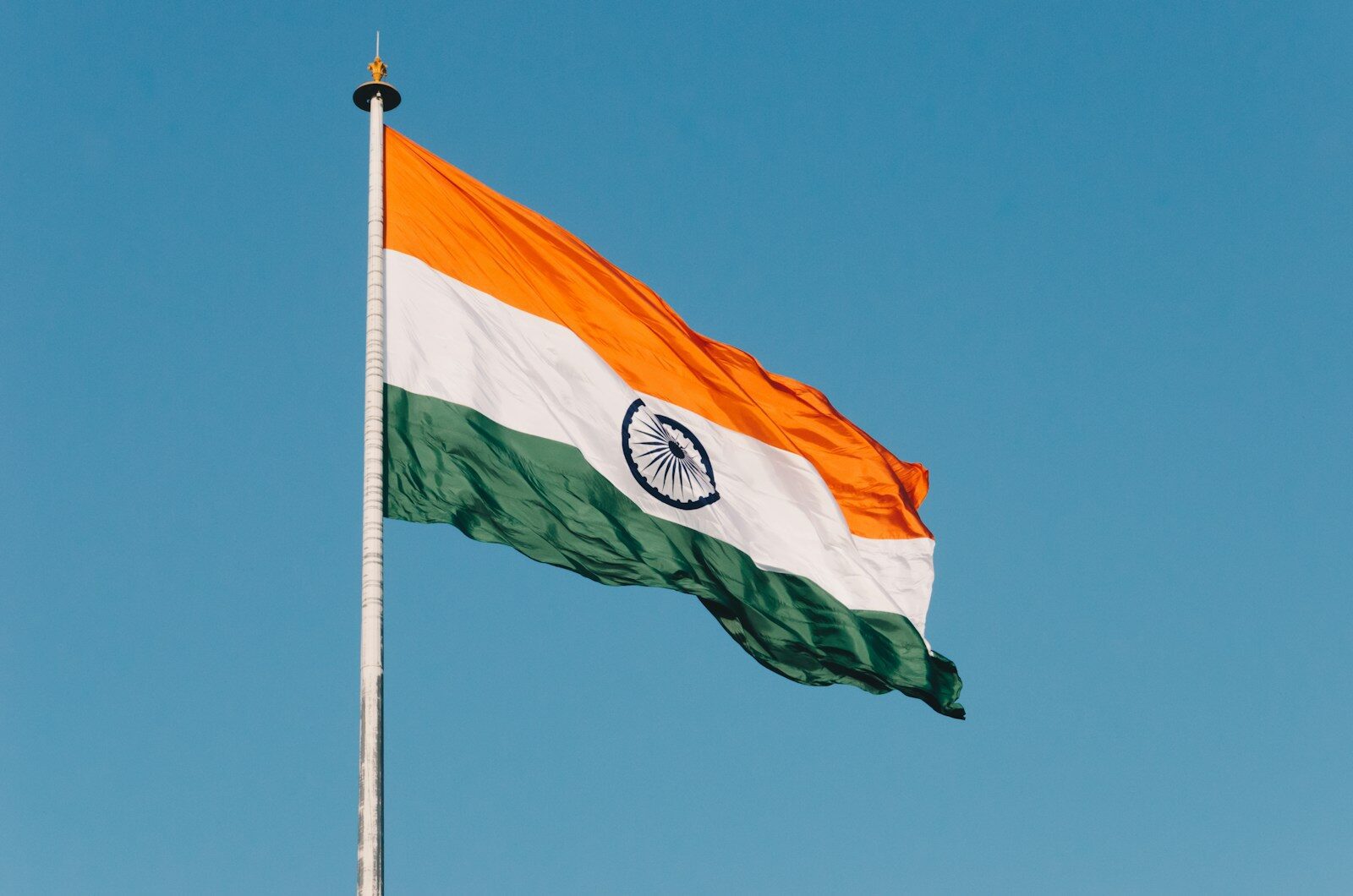
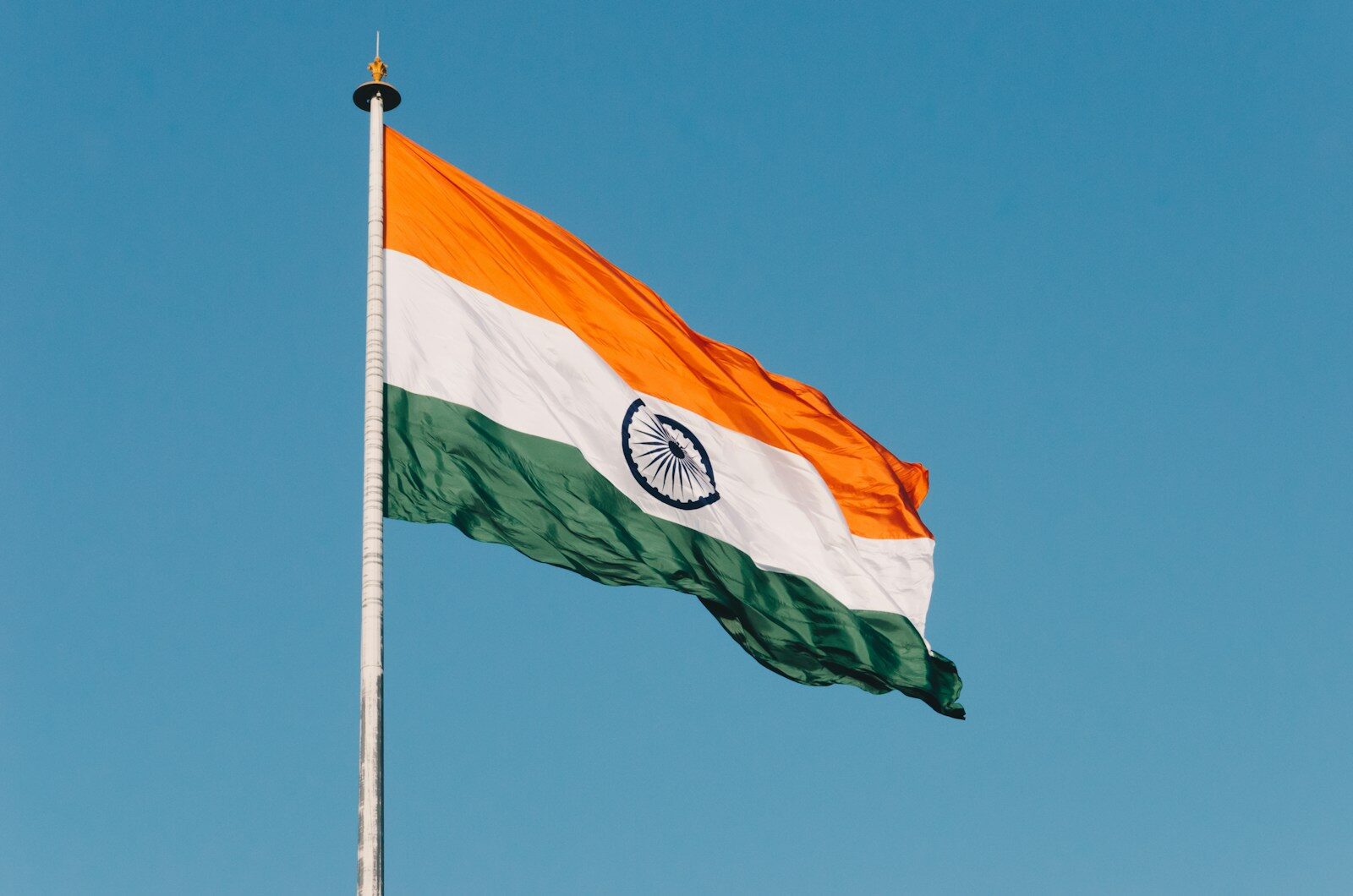
The Prime Minister began the ceremony by paying tribute to the freedom fighters who played a central role in India’s independence and then hoisted the national flag, followed by a 21-gun salute by an indigenous 1721 Field Battery. His address lasted 75 minutes, making it his shortest Independence Day speech in four years, but the speech covered a wide range of policy and national-development priorities. Independence Day speeches from the Red Fort have traditionally been used by Indian prime ministers to communicate major political priorities and outline the direction of government policy.
The 2026 address continued that tradition while placing considerable emphasis on the idea of a developed India and the importance of accelerating reforms. The national theme around youth and the long-term Viksit Bharat vision reflects the fact that India’s demographic structure is one of its major economic advantages, but only if young people have access to education, skills, employment and opportunities for entrepreneurship. A large young population can support economic expansion through a growing workforce and consumer base, but demographic potential does not automatically translate into development.
It requires investment in human capital, infrastructure and productive employment. This makes the emphasis on youth particularly important as India looks toward 2047, the centenary of independence. The speech also highlighted self-reliance, a concept that has become increasingly important in India’s economic strategy. Self-reliance does not necessarily mean isolation from international trade. Instead, it can involve strengthening domestic manufacturing, developing strategic industries, improving supply-chain resilience and reducing excessive dependence on imported goods in areas considered critical to national security or economic stability.
Technology is central to that effort because modern manufacturing increasingly depends on advanced electronics, artificial intelligence, semiconductor capabilities, digital infrastructure and sophisticated industrial systems. India’s ability to compete globally will depend not only on producing more goods but also on improving productivity and moving into higher-value areas of the global economy. Energy security was another important theme emerging from the day’s announcements. The government said it was opening most of India’s coastal waters for hydrocarbon and mineral exploration, with the objective of accessing resources that had previously been restricted under “no-go” classifications. The announcement is significant because India remains heavily dependent on imported energy, making domestic exploration potentially relevant to long-term energy security.
At the same time, energy policy is becoming increasingly complex because India has to balance conventional fuels with renewable energy, environmental commitments and the rapidly increasing demand created by industrialisation and urbanisation. Expanding domestic exploration could reduce some import dependence if commercially viable resources are discovered and developed, but exploration itself does not guarantee immediate production or lower energy prices. Geological surveys, environmental approvals, infrastructure development and commercial feasibility all determine whether potential reserves can ultimately contribute to the economy.
The Independence Day address also connected national development with manufacturing and infrastructure. India has invested heavily in roads, railways, ports, digital networks and industrial corridors, and continued infrastructure expansion can improve productivity by reducing logistics costs and connecting businesses with markets. Better infrastructure can also support smaller cities and rural regions by making them more attractive locations for investment and employment. Another major dimension of the speech was governance. The Prime Minister spoke about the need to accelerate the transformation already underway and create a more efficient, citizen-focused administrative system.
The quality of governance can determine how effectively government spending becomes actual infrastructure, services and economic opportunities. Faster approvals, transparent digital systems and simplified procedures can reduce the time businesses and citizens spend navigating bureaucracy. Independence Day is also an occasion when the government’s broader political message reaches audiences far beyond Parliament or policy circles. Millions of citizens follow the Red Fort ceremony, and the speech therefore serves as a national communication exercise as much as a political statement.
The emphasis on self-reliance, technology, manufacturing and youth reflects an attempt to link long-term national ambition with practical economic priorities. India’s development challenge is enormous because the country must create enough productive employment for a large population while improving living standards across regions. Growth must therefore be accompanied by improvements in education, healthcare, housing, transportation and access to digital services. The celebration also had historical significance because 2026 marks 79 completed years since independence in 1947, while the country observes its 80th Independence Day.
The distinction can appear confusing, but it reflects the difference between counting completed years and counting annual observances. The national ceremony therefore combined historical remembrance with a forward-looking policy message. The broader significance of the 2026 Independence Day address will ultimately depend on implementation. Speeches can establish goals, but development requires sustained investment, institutional capacity and measurable outcomes.
If the government can translate its emphasis on manufacturing, energy, technology, infrastructure and youth into stronger productivity and employment, the themes of the speech could become part of a longer-term economic transformation. For citizens, the most important question will be whether these national ambitions create tangible improvements in everyday life. The 2026 ceremony presented a vision of India that is more technologically capable, economically self-reliant and confident in its ability to shape its future. The challenge now is turning that vision into sustained results.