Stress is a normal part of life, but when it becomes intense or prolonged, your body can respond in ways you may not expect. One of those changes can be increased hair shedding.
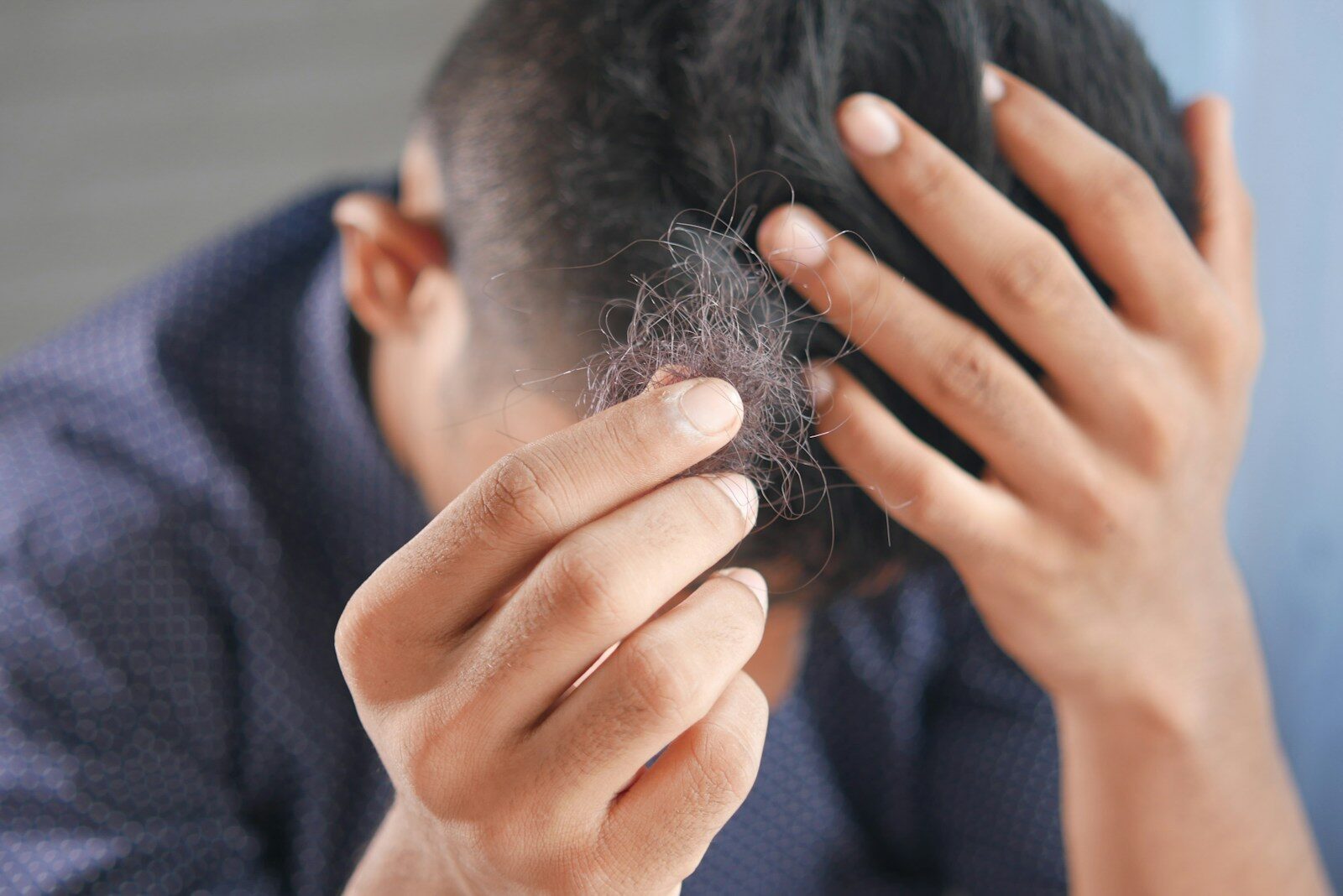
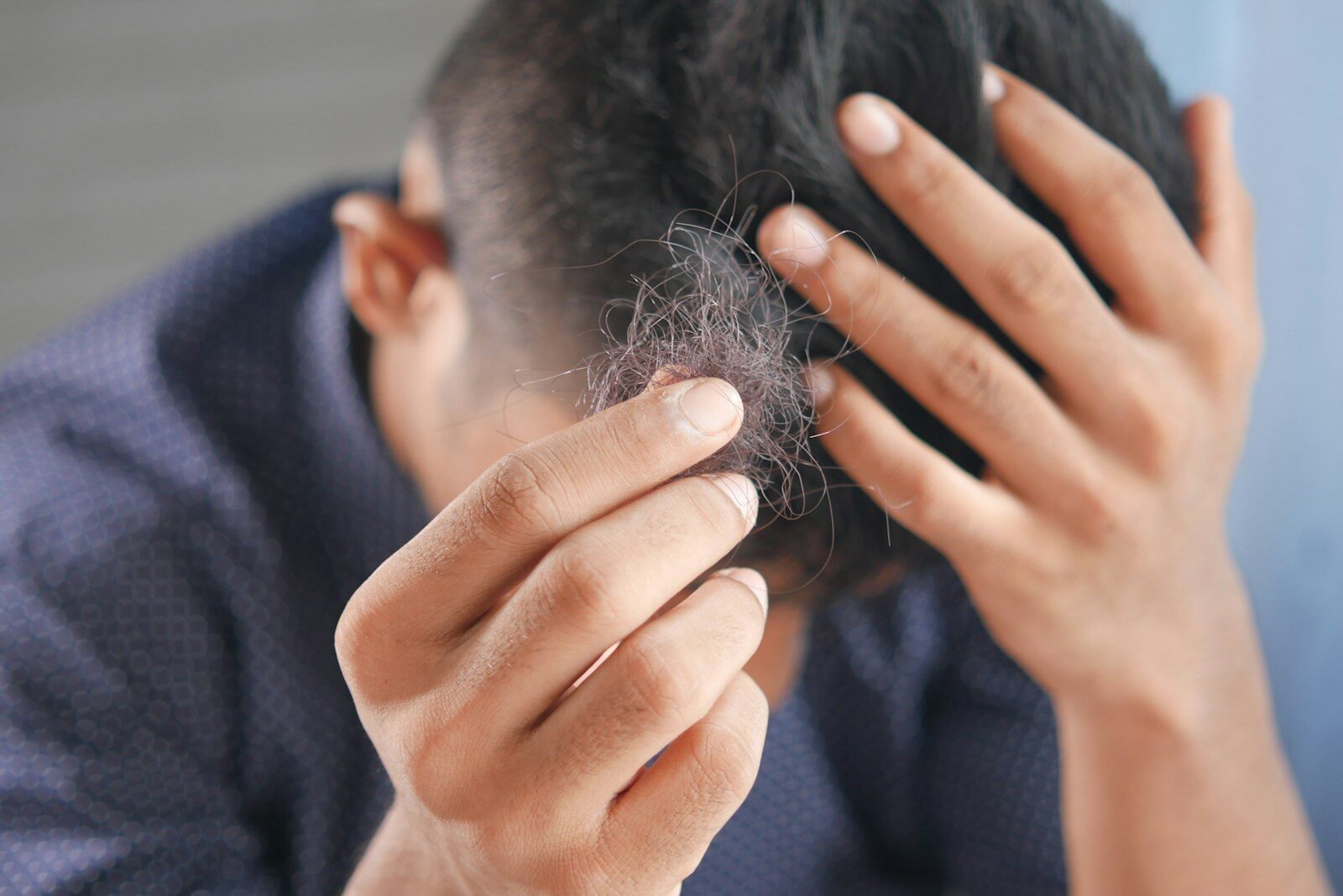
You may notice more hair than usual on your pillow, in your shower, on your clothes, or in your hairbrush.
Then the worry starts.
You may wonder whether stress is making you lose your hair, whether the hair will grow back, or whether the shedding means something more serious is happening.
The short answer is that significant physical or emotional stress can contribute to excessive hair shedding. One common type is called telogen effluvium, in which more hairs than usual enter the resting and shedding phase of the hair-growth cycle. The American Academy of Dermatology lists major stress, illness, surgery, childbirth, and significant weight loss among possible triggers. (aad.org)
The confusing part is that stress-related hair fall usually does not happen immediately after the stressful event.
You might go through a difficult period and feel completely fine about your hair at first.
Then, several weeks or months later, you suddenly notice increased shedding.
That delay can make it difficult to connect the two events.
Hair follicles operate on a natural cycle. Some hairs are actively growing, some are resting, and some eventually shed. When the body experiences significant stress, the normal cycle can be disrupted.
This does not mean that every stressful day causes hair loss.
A busy week at work, one argument, or a single night of poor sleep is unlikely to suddenly make you lose large amounts of hair.
The concern is more about significant or prolonged stress and major physical stressors.
Emotional stress can be one factor.
Physical stress can be another.
Your body may experience stress from a high fever, serious infection, surgery, rapid weight loss, severe dietary restriction, childbirth, or another major health event.
Sometimes several stressors happen at the same time.
For example, someone may become seriously ill, lose weight, sleep poorly, and feel emotionally stressed while recovering.
In that situation, it may be impossible to identify one single cause of the later hair shedding.
The good news is that stress-related shedding can often be temporary.
When the underlying trigger is resolved and the body returns to a more stable state, the hair-growth cycle may gradually normalize.
The American Academy of Dermatology explains that excessive shedding after a stressful event often improves as the body readjusts, although it can take months for normal fullness to return. (aad.org)
This is why patience matters.
You may improve your sleep, reduce stress, eat better, and feel healthier, but your hair may still shed for some time.
That does not automatically mean your efforts are failing.
The hair cycle needs time to catch up.
One of the first things to do when you notice stress-related hair fall is look backward.
Think about the previous few months.
Were you seriously ill?
Did you have a high fever?
Did you undergo surgery?
Did you experience a major emotional event?
Did you lose a significant amount of weight?
Did you dramatically change your diet?
Did you give birth?
Did you start a new medication?
Did your sleep become severely disrupted?
These questions can help identify possible triggers.
Another useful clue is the pattern of hair loss.
Stress-related excessive shedding often causes increased shedding across the scalp rather than a single clearly defined bald patch.
You may notice more hair coming out during washing or brushing.
Your overall hair density may temporarily look reduced.
A widening part can also become noticeable, particularly if you already had some underlying thinning.
However, sudden round or smooth bald patches are not the typical pattern of ordinary stress-related shedding.
Patchy hair loss can have other causes, including alopecia areata, an autoimmune condition.
If you develop a clearly defined bald patch, it is better to get it evaluated rather than assuming stress is responsible.
Another important distinction is between hair shedding and hair breakage.
Stress-related shedding involves hairs leaving the scalp as part of the hair cycle.
Breakage occurs when the hair shaft snaps.
If you are seeing many short pieces of hair, split ends, brittle strands, or uneven lengths, your problem may involve hair damage as well as shedding.
Stress can indirectly contribute to breakage if it causes you to neglect your diet or hair care, but heat, chemical processing, bleaching, and aggressive styling are common contributors to breakage.
This means that protecting your hair shaft can be useful even while you are dealing with stress-related shedding.
Avoid unnecessarily high heat.
Do not repeatedly bleach or chemically process already damaged hair.
Avoid aggressive brushing.
Be gentle when detangling wet hair.
Avoid hairstyles that create constant tension.
Tight ponytails, buns, braids, extensions, and other high-tension styles can cause traction alopecia. The AAD warns that repeated pulling can damage hair follicles and may eventually cause permanent hair loss. (aad.org)
If your hairstyle causes scalp pain or tenderness, loosen it.
Hair should not have to hurt to look good.
Stress can also affect your eating habits.
Some people eat less when they are stressed.
Others skip meals, rely on processed foods, or dramatically change their diet.
If your stress is accompanied by reduced food intake, nutritional deficiencies may become another possible contributor to hair shedding.
This is why nutrition matters.
Your hair needs adequate protein and overall nutrition to grow normally.
Protein-rich foods can include eggs, fish, poultry, dairy products, lentils, beans, soy, nuts, and seeds.
You do not need to follow a complicated hair-growth diet.
You need a balanced eating pattern that provides adequate energy and nutrients.
If you have been restricting food significantly, losing weight rapidly, or struggling to eat enough, discuss your diet with a qualified healthcare professional.
Iron is another nutrient that may be relevant.
Iron deficiency can be associated with hair loss in some people.
However, taking iron without knowing whether you need it is not a good idea.
Excessive iron can be harmful.
If your healthcare professional suspects iron deficiency based on your symptoms, diet, medical history, or other factors, they can determine whether testing is appropriate.
The same caution applies to biotin.
Biotin supplements are heavily marketed for hair growth, but they are not a universal solution for stress-related hair shedding.
If you are not deficient, taking high doses is unlikely to address the underlying stress response.
The American Academy of Dermatology also warns that excessive amounts of certain nutrients can contribute to hair loss. (aad.org)
This is why randomly taking multiple hair supplements is usually not the best first step.
Sleep is another part of managing overall stress.
You do not need to find a special pillow, sleeping position, or nighttime hair product to make your hair grow faster.
Instead, focus on getting consistent, restorative sleep.
Chronic sleep disruption can affect overall health and may occur alongside stress, poor nutrition, and other factors that can influence hair shedding.
If your sleep has been poor because of work, anxiety, caregiving, or another ongoing issue, address the underlying problem where possible.
Simple habits can help.
Keep a relatively consistent sleep schedule.
Reduce unnecessary screen exposure before bed.
Avoid excessive caffeine late in the day if it interferes with your sleep.
Create a relaxing bedtime routine.
And if persistent insomnia or severe anxiety is affecting your daily life, consider discussing it with a healthcare professional.
Exercise can also support overall well-being.
Physical activity does not directly cure hair loss.
But regular activity can be part of a healthy lifestyle and may help some people manage stress.
The key is balance.
If you are already under significant physical stress, combining extreme calorie restriction with very intense exercise may add more strain rather than helping.
Your body needs adequate recovery and nutrition.
Stress management should therefore be realistic.
You do not have to eliminate every stressful situation from your life.
That is impossible.
Instead, focus on reducing the stress you can control and improving how you respond to it.
A daily walk can help.
Regular physical activity can help.
Breathing exercises can help some people.
Meditation may help some people.
Spending time with supportive friends or family can help.
Professional counseling can also be valuable when stress becomes overwhelming.
There is no single correct stress-management technique.
Choose something you can realistically maintain.
Another important point is that worrying about hair loss can itself become a source of stress.
You notice hair falling.
You become anxious.
You check your hair repeatedly.
You search for treatments.
You compare your hair with photographs online.
You count hairs every time you shower.
Then the anxiety increases.
This cycle can make the problem feel much larger than it actually is.
Try to monitor your hair objectively rather than constantly checking it.
Taking a photograph every few months is more useful than examining your scalp every few hours.
Use the same lighting and angle so that you can compare changes over time.
This can also help you communicate more clearly with a dermatologist if you eventually need an evaluation.
One common question is whether washing your hair makes stress-related hair fall worse.
Usually, no.
Shampooing does not normally cause the follicles to suddenly release healthy hairs.
Instead, washing makes already-shed hairs easier to see.
If you have not washed your hair for several days, you may notice a larger amount of hair in the shower.
That does not necessarily mean the shampoo caused the shedding.
You should continue appropriate scalp hygiene.
If your scalp is oily, sweaty, flaky, or uncomfortable, avoiding washing out of fear can create additional scalp problems.
Choose a shampoo appropriate for your scalp and wash gently.
Hair oil is another popular solution.
Oiling can help make hair feel softer and may reduce dryness and friction.
But oil should not be considered a cure for stress-related hair loss.
The underlying issue is the disrupted hair cycle.
Applying oil to the scalp does not automatically reset that cycle.
You can use oil if it works well for your hair and scalp, but keep your expectations realistic.
The same applies to onion juice, aloe vera, rosemary oil, and other viral remedies.
Some natural ingredients may have properties that interest researchers, but none should be presented as a guaranteed cure for every form of hair loss.
If you have significant shedding, the most important thing is to understand why it is happening.
Do not let home remedies delay appropriate evaluation.
Another common question is whether stress-related hair loss can become permanent.
Temporary excessive shedding itself is often reversible.
However, stress may occur at the same time as another form of hair loss.
For example, someone with hereditary hair loss may also experience temporary shedding after a stressful period.
Once the temporary shedding improves, the underlying hereditary thinning may still remain.
This can make it seem as though the stress caused permanent hair loss.
The reality may be that two different processes were happening simultaneously.
This is one reason persistent thinning should be assessed.
Female pattern hair loss can appear as a widening part or reduced density across the top of the scalp.
Male pattern hair loss can appear as a receding hairline or crown thinning.
These patterns are different from simple temporary shedding.
If your hair continues becoming thinner even after the stressful period has passed, do not assume that stress is still the only cause.
A dermatologist can help distinguish temporary shedding from progressive hair loss.
Certain medical conditions can also cause hair changes.
Thyroid disorders are one example.
Some women experience hair loss alongside changes in weight, fatigue, temperature sensitivity, menstrual changes, or other symptoms.
Hair loss alone does not diagnose thyroid disease, but if several symptoms appear together, it is worth discussing them with your healthcare professional.
Hormonal changes can also influence hair growth.
Pregnancy and the postpartum period are common examples.
Some women experience significant shedding a few months after childbirth.
This can be alarming, but postpartum shedding is often temporary.
If you recently gave birth and notice increased hair fall, remember that your body has gone through a major physiological event.
Do not immediately assume that you are permanently losing your hair.
Adequate nutrition, gentle hair care, and time can be important during recovery.
However, prolonged or unusual hair loss should still be evaluated.
Weight loss is another possible stressor.
If you experienced rapid weight loss during a stressful period, both factors could contribute to your hair shedding.
This is why looking at your entire health history is more useful than focusing on one factor.
Think about what happened before the hair fall started.
That timeline can provide important clues.
Medication is another factor to consider.
Certain medicines can contribute to hair shedding in some people.
If you started a new medicine and later noticed increased hair fall, tell your healthcare professional.
Do not stop prescription medication on your own.
Your doctor can determine whether the timing is meaningful and whether an alternative approach is appropriate.
If the medication is necessary, they may recommend monitoring the situation while addressing other potential causes.
Hair loss can also be related to scalp conditions.
If your hair fall occurs with severe itching, redness, pain, scaling, crusting, or sores, do not assume stress is responsible.
Some scalp infections and inflammatory conditions can cause hair loss and require specific treatment.
A healthy scalp should not constantly hurt or burn.
If it does, get it checked.
The timing of your hair loss can also be useful.
If a stressful event happened three or four months before you noticed excessive shedding, the connection may be plausible.
If your hairline has been slowly receding for several years, stress is unlikely to explain the entire pattern.
If you suddenly develop a bald patch, that points toward a different category of hair loss.
This is why diagnosis is more valuable than simply asking whether stress causes hair loss.
Yes, stress can contribute.
But the better question is whether stress explains your particular pattern of hair loss.
If you are concerned, write down your timeline.
Record when the stress began.
Record when you noticed increased shedding.
Write down any illness, fever, surgery, childbirth, weight loss, dietary changes, or medication changes.
Take a few photographs.
This information can make a medical consultation much more productive.
Your dermatologist may examine the scalp and hair closely.
Depending on your history and symptoms, they may consider blood tests or other investigations.
The AAD notes that evaluation may involve looking for conditions such as disease, vitamin deficiency, hormone imbalance, or infection when appropriate. (aad.org)
There is no universal list of tests that everyone with hair loss needs.
Testing should be guided by your symptoms and clinical history.
Treatment also depends on the cause.
If the diagnosis is temporary stress-related shedding, addressing the trigger may be the main priority.
If nutritional deficiency is contributing, correcting it may help.
If thyroid disease is responsible, treating the thyroid condition is important.
If hereditary hair loss is also present, evidence-based hair-loss treatment may be appropriate.
For certain types of pattern hair loss, minoxidil is one established treatment.
The AAD explains that minoxidil can help stimulate hair growth and slow further loss in some people. (aad.org)
But minoxidil is not a universal solution for unexplained hair shedding.
If your hair loss started suddenly, is patchy, or is accompanied by scalp symptoms, get the cause evaluated first.
The goal is to treat the actual problem.
Another thing to remember is that hair recovery takes time.
Even after stress is under control, the hair does not immediately return to its previous density.
The follicles need to move through their natural cycle.
You may first notice less shedding.
Then you may see small new hairs.
Those hairs need time to grow.
This is why hair recovery is measured in months, not days.
Be skeptical of products promising complete regrowth in one or two weeks.
Biology does not work that quickly.
If your hair is currently shedding, you can still take steps to make it look and feel healthier while you wait.
Use gentle hair-care products.
Condition the lengths if needed.
Avoid excessive heat.
Choose hairstyles that do not pull.
Avoid unnecessary chemical treatments.
Keep your scalp comfortable and clean.
Eat enough.
Get adequate protein.
Prioritize sleep.
And work on the underlying stress.
These steps will not magically stop every hair from shedding, but they can create a healthier environment for your hair while the underlying problem is addressed.
If you are experiencing severe stress, remember that asking for help is not a weakness.
If work pressure, relationship problems, financial concerns, caregiving responsibilities, grief, anxiety, or another issue is overwhelming you, consider talking with a qualified mental-health professional.
Managing stress is not just about your hair.
It is about your overall health.
Your hair should not be the only reason you take stress seriously.
One final point is especially important.
Do not blame yourself.
People experiencing hair loss often start thinking that they caused it.
They may believe they used the wrong shampoo, ate the wrong food, slept badly for one week, or failed to use the right oil.
Hair loss is rarely that simple.
Many factors are outside your control.
Genetics can influence your risk.
Illness can happen unexpectedly.
Hormonal changes occur naturally.
Major life events can create stress.
Medications may be necessary.
The goal is not to achieve perfect control over every variable.
The goal is to identify what can be changed and address it sensibly.
If stress-related shedding is the cause, there is reason to be hopeful.
Temporary excessive shedding can improve.
The process may take time, but the hair-growth cycle can gradually recover.
If your hair continues thinning, however, do not keep blaming stress indefinitely.
A different or additional cause may be present.
Hair loss deserves the same thoughtful approach as any other health concern.
Notice the pattern.
Consider the timeline.
Look at recent changes in your health and lifestyle.
Protect your hair from unnecessary damage.
Maintain adequate nutrition.
Manage stress as realistically as possible.
And seek professional evaluation when the pattern is unusual or persistent.
You do not need a miracle product.
You need to understand what your hair is telling you.
Can stress really cause hair loss? Yes. Significant emotional or physical stress can trigger excessive shedding, particularly a form called telogen effluvium. (aad.org)
How long after stress does hair fall start? Stress-related shedding can become noticeable weeks or months after the triggering event because of the natural hair-growth cycle.
Will stress-related hair loss grow back? In many cases, temporary stress-related shedding improves once the underlying trigger is resolved and the body returns toward its normal cycle. (aad.org)
Can anxiety cause hair fall? Severe or prolonged psychological stress associated with anxiety may contribute to excessive shedding, although hair loss can also have other causes.
Can lack of sleep cause hair loss? Poor sleep can occur alongside stress and other factors that affect overall health, but one or two nights of poor sleep do not normally cause sudden baldness.
Does crying cause hair loss? Crying itself does not cause hair loss. The emotional stress surrounding a difficult situation may contribute to hair shedding if the stress is significant.
Can depression cause hair loss? Depression itself is not the only possible explanation for hair loss, but severe psychological stress, changes in eating, sleep disruption, and medications may all contribute depending on the individual.
Does stress cause permanent baldness? Temporary stress-related shedding is often reversible. However, stress can coexist with other forms of progressive hair loss, so persistent thinning should be evaluated.
Can stress cause bald patches? Sudden smooth bald patches are not the typical pattern of ordinary stress-related shedding and can have other causes, including alopecia areata.
Does stress cause hair thinning in women? Yes. Significant stress can cause diffuse excessive shedding in women, and it may temporarily make underlying thinning more noticeable.
Does stress cause hair loss in men? Yes. Men can also experience stress-related shedding, although hereditary male-pattern hair loss can occur at the same time.
What foods should I eat for stress-related hair loss? Focus on a balanced diet containing adequate calories and protein, along with a variety of nutrient-rich foods. Eggs, fish, dairy products, beans, lentils, soy, nuts, and seeds are useful protein sources.
Should I take biotin for stress-related hair loss? Not automatically. Biotin is not a universal treatment, and unnecessary high-dose supplementation can create problems.
Can hair oil stop stress-related hair fall? Hair oil can condition the hair but does not directly correct the underlying hair-cycle changes associated with significant stress.
Does shampoo make stress-related hair loss worse? Normal shampooing generally does not cause this type of hair loss. Washing simply makes loose hairs more visible.
Can tight hairstyles make stress-related hair loss worse? Tight hairstyles can independently cause traction-related hair loss, so reducing tension is sensible when your hair is already shedding.
Should I stop exercising because stress is causing hair loss? Not necessarily. Moderate physical activity can support overall health, but extreme exercise combined with inadequate nutrition can place additional physical stress on the body.
Can weight loss and stress cause hair loss together? Yes. Rapid weight loss and significant stress can both act as physical stressors and may contribute to excessive shedding.
Can thyroid problems be mistaken for stress-related hair loss? Yes. Thyroid disorders can cause hair changes, so persistent shedding should not automatically be blamed on stress.
When should I see a dermatologist for stress-related hair loss? Seek professional evaluation if the hair loss is severe, persistent, patchy, rapidly progressing, associated with scalp pain or inflammation, or accompanied by eyebrow or eyelash loss.
How long does it take for hair to recover from stress? Recovery varies, but temporary excessive shedding often improves gradually rather than immediately. Visible fullness can take several months to return.
Medical Disclaimer: This article is for general educational purposes and does not replace individualized medical advice, diagnosis, or treatment. Hair loss can have many causes. If you experience sudden, severe, patchy, painful, or rapidly progressing hair loss, consult a qualified dermatologist or healthcare professional.