Rajasthan is witnessing another spell of intense monsoon activity, with heavy rainfall affecting several districts and water levels rising in rivers, dams and reservoirs. The situation has become particularly serious in parts of eastern Rajasthan, where continued rain has led to waterlogging, overflowing water bodies and disruption to normal life.
The India Meteorological Department has maintained a significant rainfall warning for eastern Rajasthan as the active monsoon system continues to influence the state. The latest IMD outlook indicates that isolated heavy to very heavy rainfall remains possible over eastern Rajasthan, while thunderstorms and lightning are also expected in several areas.
The latest spell has already affected Jaipur, Alwar, Sawai Madhopur, Dholpur, Karauli and other districts. In several locations, roads have been inundated and movement has been affected by accumulated rainwater.
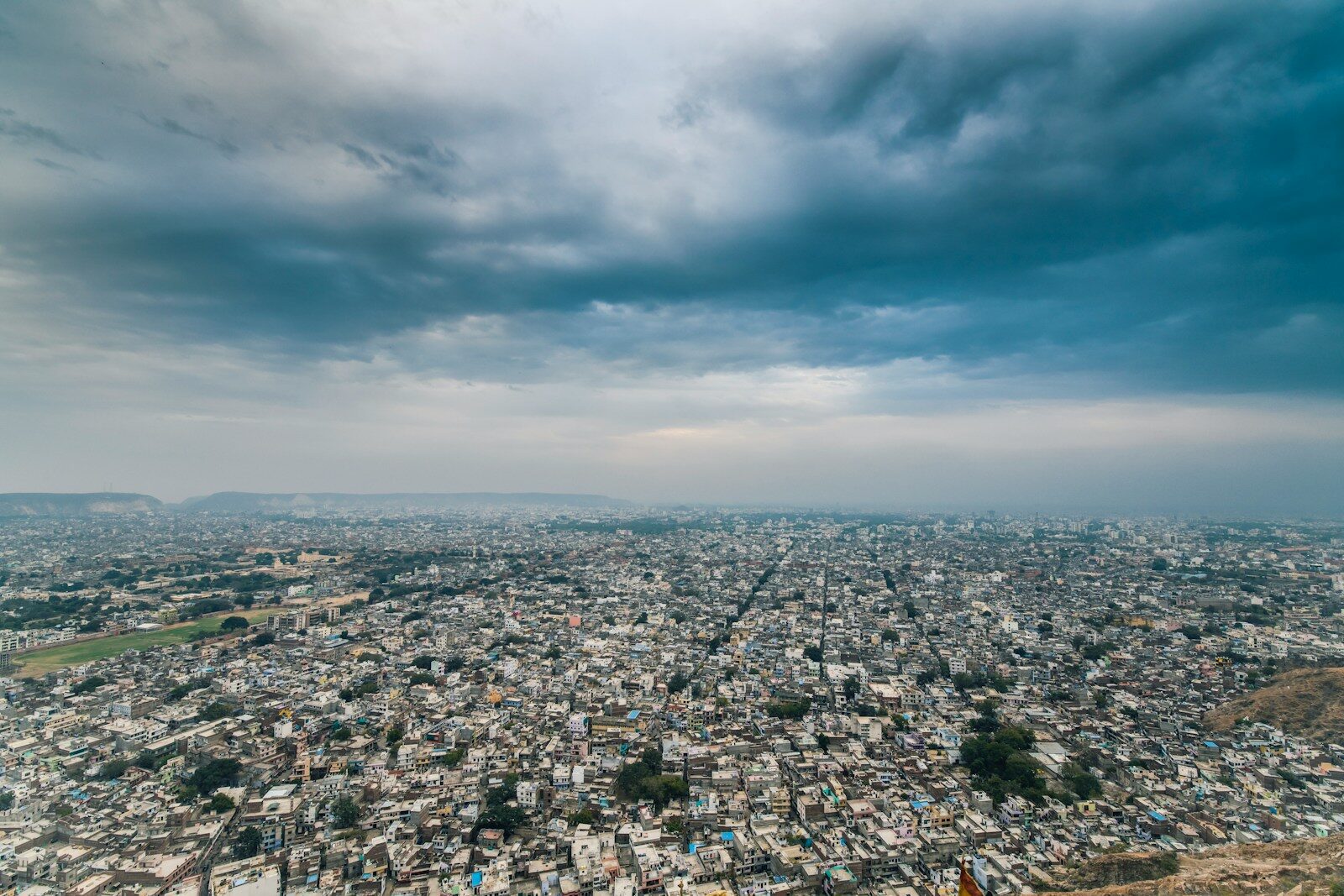
Jaipur has also received heavy rain, with waterlogging reported in several parts of the city. Low-lying areas have been particularly vulnerable as intense showers put pressure on drainage systems.
The situation is more serious in districts where rivers, streams and reservoirs are already carrying substantial amounts of water. Continuous rainfall increases inflow into dams and can force authorities to release water from reservoirs when storage levels approach operational limits.
This has raised concerns in downstream areas because sudden increases in river discharge can cause water levels to rise quickly. Residents living close to rivers, dams and low-lying areas therefore need to remain alert to local administration warnings.
The latest weather pattern is being driven by a combination of active monsoon conditions and a weather system over central India. The India Meteorological Department has indicated that heavy to very heavy rainfall can occur at isolated places in eastern Rajasthan during the current spell.
The rainfall has also brought a noticeable change in temperatures. Persistent cloud cover and showers have lowered daytime temperatures in several districts, providing temporary relief from heat but creating new problems related to waterlogging and flooding.
In eastern Rajasthan, districts around the Bharatpur, Jaipur and Kota divisions have remained among the areas receiving significant rainfall. The Kota region has been particularly important in the current weather system because of the possibility of intense rain over the catchment areas feeding local rivers and reservoirs.
Sawai Madhopur has also faced significant rainfall-related disruption. Water accumulation on roads has made movement difficult in several areas, while local authorities have been monitoring vulnerable locations.
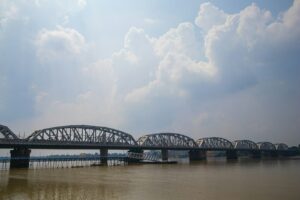
Dholpur and Karauli are also under close observation as heavy rain continues to affect the region. The combination of rainfall and rising water levels in rivers can create dangerous conditions around bridges, culverts and low-lying roads.
People should avoid attempting to cross swollen streams or roads covered by rapidly moving water. Even shallow-looking floodwater can be dangerous when the current is strong or when the condition of the road underneath is unknown.
The impact of the rainfall is not restricted to rural areas. Urban centres are also experiencing waterlogging, traffic disruption and problems for commuters. Heavy showers over a short period can overwhelm drainage systems even when the overall rainfall is spread across several hours.
Jaipur has experienced this problem during the current spell. Several roads and low-lying stretches have accumulated water, affecting traffic and making commuting difficult.
Municipal and emergency teams have been working to clear accumulated water and respond to complaints from affected areas. However, the effectiveness of drainage can vary significantly between neighbourhoods, especially during intense cloudbursts or prolonged heavy rain.
The current rainfall is also important for Rajasthan’s water resources. After a prolonged monsoon season, substantial inflows into reservoirs can improve water availability for drinking, irrigation and other requirements.
However, very heavy rainfall can create risks when reservoirs are already close to capacity. Dam authorities must balance storage requirements with downstream safety, which can sometimes require controlled releases of water.
Such releases are not necessarily an indication that a dam has failed. Water may be released through designated outlets as part of normal reservoir management when inflows become high.
The public, however, needs timely information whenever significant water releases are expected. People living downstream should follow official announcements and avoid riverbeds and other areas that can become inundated quickly.
The weather conditions also carry a lightning risk. Thunderstorms have been included in the latest warnings for Rajasthan, making it important for people to avoid exposed outdoor locations during storms.
Farmers working in open fields should move to safe shelter when thunder is heard. Standing beneath isolated trees is not considered a safe alternative during lightning activity.
The current weather system has produced a sharp contrast between eastern and western Rajasthan. Eastern parts of the state are seeing considerably more active rainfall, while western Rajasthan has generally experienced weaker monsoon activity.
The IMD’s subdivision-level warning issued earlier in the spell placed eastern Rajasthan under a very heavy rainfall warning for September 4 and September 5. Thunderstorms and lightning were also included in the warning, while western Rajasthan had comparatively lower-level warnings.
The rainfall intensity is expected to gradually reduce after the peak of the current spell. However, isolated showers and thunderstorms can continue even after a broader heavy-rain warning is withdrawn.
This means that residents should not assume that the end of an orange or heavy-rain warning immediately eliminates all flood risks. Rivers and reservoirs respond to accumulated rainfall and upstream inflows, which can continue affecting downstream areas even after local rain becomes lighter.
For this reason, the next several days remain important for flood-prone districts.
The agricultural impact of the rain is mixed. Adequate rainfall can improve soil moisture and support crops, particularly in areas where farmers depend heavily on the monsoon.
At the same time, excessive rain can damage standing crops, wash away topsoil and create waterlogging in agricultural fields. The final impact will depend on rainfall distribution and how quickly excess water drains from individual areas.
Road infrastructure is another major concern. Heavy rain can damage rural roads, wash away sections of unpaved routes and create dangerous conditions around bridges and culverts.
Commuters travelling through affected districts should therefore check local road conditions before starting journeys, particularly if their routes pass through low-lying areas or river crossings.
Schools and other public institutions in severely affected locations may also face disruptions if roads become inaccessible. District administrations can take local decisions depending on rainfall intensity and the condition of infrastructure.
The current situation demonstrates why dam and river monitoring becomes particularly important during the later part of an active monsoon spell. Water accumulated across catchment areas can reach reservoirs and rivers with a delay, meaning flood risks can sometimes increase even after rainfall begins to decrease.
Authorities are consequently monitoring water levels and vulnerable locations closely.
Residents should also avoid gathering near overflowing dams, waterfalls, rivers or bridges to watch the water. Such locations can become dangerous without warning because water discharge can increase suddenly.
Social media videos of overflowing reservoirs and flooded roads can spread rapidly during heavy rainfall. However, residents should verify information before sharing claims about dam breaches, evacuations or flood warnings.
A dam overflowing through its designated spillway is different from a structural dam failure. Official information from district administrations and water resources authorities is therefore essential before drawing conclusions about the safety of a particular reservoir.
The current monsoon spell has nevertheless brought Rajasthan’s flood preparedness into focus. Several districts are experiencing heavy rainfall simultaneously, while urban waterlogging and rising water levels are creating additional pressure on local administrations.
Jaipur remains an important area to watch because of its large population and extensive urban infrastructure. Heavy rain can quickly affect traffic, drainage and low-lying neighbourhoods.
At the same time, the more serious flood risks are concentrated in areas where heavy rainfall combines with swollen rivers and reservoirs. Districts in southeastern and eastern Rajasthan therefore require particular attention while the current weather system remains active.
The IMD’s latest information indicates that isolated heavy to very heavy rainfall is still possible over eastern Rajasthan. This means that the possibility of intense rain has not completely disappeared even as the weather system begins to weaken.
The coming days will determine how quickly river and reservoir levels return towards safer conditions. If rainfall decreases significantly, water levels should gradually stabilise, although downstream areas may continue to receive water from upstream catchments.
For now, residents in flood-prone districts should remain cautious, particularly those living near rivers, dams, canals and low-lying settlements. People should follow evacuation instructions immediately if issued by local authorities.
Drivers should avoid flooded roads and never attempt to cross a bridge or causeway when water is flowing over it. A vehicle can lose traction or be swept away even when the water appears relatively shallow.
Farmers and outdoor workers should also monitor thunderstorm warnings and seek shelter during lightning activity.
Rajasthan’s latest rainfall episode is bringing both benefits and risks. The additional water will improve reservoir storage and support agriculture in many areas, but the intensity of the rainfall is simultaneously increasing the possibility of local flooding and waterlogging.
With dams and rivers responding to the continued inflow, authorities will need to maintain close monitoring even if rainfall becomes less intense.
The immediate focus remains on public safety, drainage, river-level monitoring and controlled management of reservoirs. As the monsoon system gradually weakens, the hope is that rainfall will reduce without causing further major flooding.
For Rajasthan residents, however, the message remains one of caution. Heavy rain can quickly transform local conditions, and rising rivers or reservoir releases can create risks far away from the location where the rain originally fell.
The state is therefore likely to remain under close weather and flood watch as the latest monsoon spell moves through its final active phase. Residents should rely on official warnings, avoid risky waterlogged locations and remain prepared for sudden changes in weather and water levels.