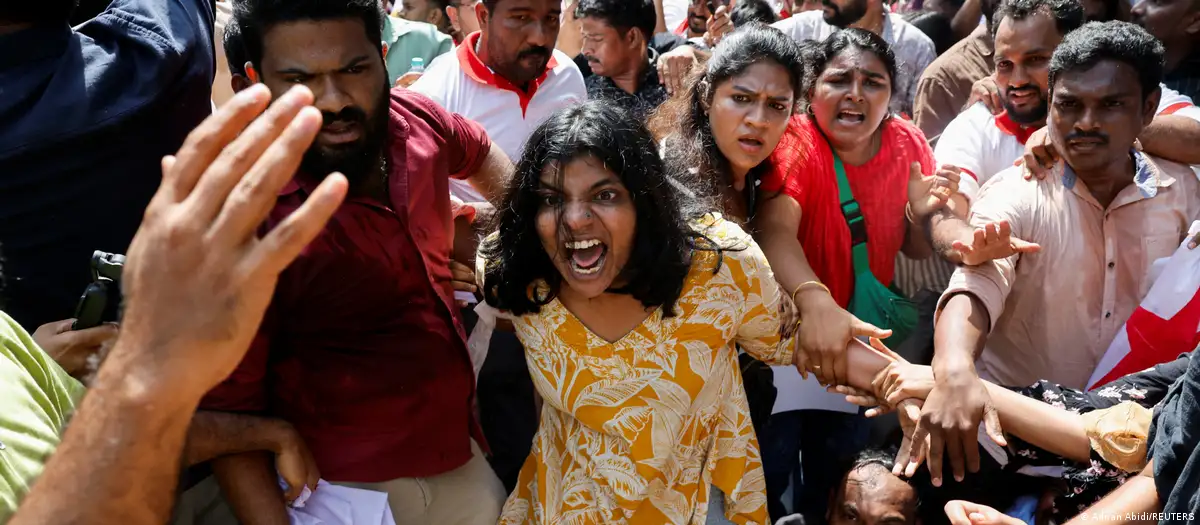
The Delhi Protest Against Gyanesh Kumar intensified on October 2 as student groups, activists and opposition-linked political workers gathered in the national capital to protest against Chief Election Commissioner Gyanesh Kumar and raise concerns over the Election Commission’s Special Intensive Revision of electoral rolls. Delhi Police had denied permission for the planned demonstration and deployed additional security personnel around Jantar Mantar and other parts of central Delhi.
The Delhi Protest Against Gyanesh Kumar was planned for Gandhi Jayanti at Jantar Mantar, with organisers calling for action against the Chief Election Commissioner over alleged irregularities in the voter-list revision exercise. The organisers included the All India Students’ Association, Rajya Sabha MP Manoj Jha and lawyer Prashant Bhushan. Police sources had estimated that around 3,000 to 4,000 people could attend the proposed demonstration.
Security was strengthened in central Delhi before the Delhi Protest Against Gyanesh Kumar. Barricades were installed around Jantar Mantar and nearby areas, while additional police and Central Armed Police Forces personnel were deployed at important entry and exit points. Authorities said the measures were intended to regulate movement and prevent an unauthorised gathering after permission for the protest was denied.
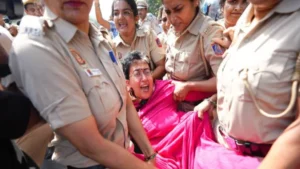
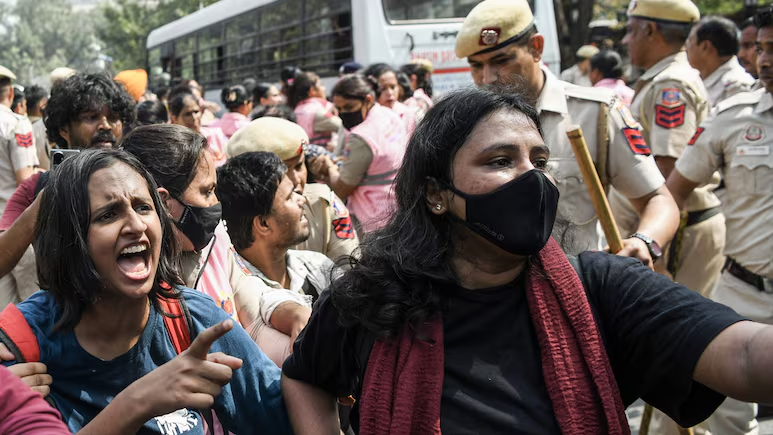
By Friday, protesters began gathering in smaller groups around the Jantar Mantar area and nearby roads. According to reports, police prevented groups from moving towards the designated protest site. Several protesters were subsequently detained and taken away in buses to different police stations.
The Delhi Protest Against Gyanesh Kumar resulted in the detention of around 500 people, according to The Indian Express. Those detained included AISA national president Neha Bora, AAP Delhi chief Saurabh Bharadwaj, Congress workers and members of student organisations. Police reportedly moved protesters to different locations, including Badarpur and Outer North Delhi police stations.
Former Delhi Chief Minister Atishi and other opposition figures were also among those reported to have been detained during the demonstration. Left leaders and civil society activists were also present around the protest area. The detention figures reported during the day varied as the police operation continued.
The central issue behind the Delhi Protest Against Gyanesh Kumar is the Special Intensive Revision, or SIR, of electoral rolls. Opposition parties and civil society groups have raised concerns about the process and argued that the exercise could result in eligible voters being removed from electoral lists. The Election Commission has maintained that the revision is intended to identify duplicate, deceased and otherwise ineligible entries while protecting the rights of eligible voters.
The Election Commission and the government have rejected allegations that the voter-roll revision is politically motivated. Critics and opposition parties, however, have continued to question the process and demanded greater accountability from the poll panel. These competing positions remain central to the political dispute surrounding the SIR exercise.
The Delhi Protest Against Gyanesh Kumar also comes amid wider political disagreement over the functioning of the Election Commission. Recent reporting has highlighted differences within the three-member commission over some decisions related to electoral-roll revision and other procedures. The Election Commission has disputed interpretations that these discussions amounted to formal dissent over its decisions.
According to the Election Commission’s position, decisions related to the SIR process were taken through the commission’s established decision-making mechanism. Opposition parties have continued to demand explanations regarding the process and have used the issue as the basis for demonstrations in several parts of the country.
The Delhi Protest Against Gyanesh Kumar was not limited to political parties. Student organisations and civil society groups also participated, reflecting the broader concerns being expressed about electoral rolls and voting rights. Reports from Jantar Mantar showed protesters carrying posters and raising slogans concerning the SIR exercise and accountability of the Election Commission.
Police action began even before a large crowd could assemble at Jantar Mantar. The Indian Express reported that police officers monitored groups of protesters and detained people who gathered in larger numbers. The area around Parliament Street and Jantar Mantar remained heavily barricaded as authorities tried to prevent the gathering from turning into an unauthorised mass demonstration.
The Delhi Protest Against Gyanesh Kumar also caused restrictions around central Delhi. Authorities introduced additional security measures and traffic controls, while several metro stations in the surrounding area were temporarily closed or affected as part of the arrangements. The restrictions were aimed at controlling the movement of protesters and maintaining public order around the demonstration site.
Section 163 of the Bharatiya Nagarik Suraksha Sanhita was also imposed in the affected area. The order restricted public meetings, processions and demonstrations without permission. Authorities cited security and public-order concerns while implementing the restrictions around Jantar Mantar and neighbouring areas.
The Delhi Protest Against Gyanesh Kumar is part of a wider series of demonstrations over the Election Commission’s voter-roll revision process. Similar protests have been reported in other parts of India, with opposition parties and activist groups calling for greater transparency in the preparation and revision of electoral rolls.
In Mumbai, a youth-led group known as the Cockroach Janata Party organised a separate demonstration on October 2 demanding the resignation of Gyanesh Kumar. The group has linked its campaign to concerns about electoral-roll revisions and has announced plans for further protests in different cities.
The Delhi Protest Against Gyanesh Kumar therefore forms part of a broader national debate over voter registration, electoral-roll verification and the role of the Election Commission. While protesters have alleged that the SIR process could exclude legitimate voters, the Election Commission and government have rejected claims of wrongdoing and said the exercise is intended to improve the accuracy of electoral rolls.
The dispute has also generated discussion over the independence of India’s election administration. Critics have questioned the relationship between the government and the Election Commission, while the government and ruling BJP have rejected allegations of political interference. These positions remain contested and are part of the ongoing political debate surrounding the SIR exercise.
For protesters, the central demand has been accountability from the Election Commission and clarification over the removal or exclusion of voters during the revision process. For authorities, the immediate priority during the Delhi Protest Against Gyanesh Kumar has been maintaining public order and preventing an unauthorised gathering at Jantar Mantar after permission for the demonstration was refused.
The number of people detained increased as police prevented groups from reaching the main protest site. By the afternoon, reports put the number of detainees at around 500, although the situation continued to develop. Several opposition leaders and representatives of student organisations were among those detained.
The Delhi Protest Against Gyanesh Kumar comes as political pressure over the SIR issue continues to develop. Opposition parties have announced further mobilisation, while the Election Commission has continued its work on electoral-roll revision and issued directions concerning the inclusion of eligible voters.
The protests have also renewed attention on the practical challenges involved in updating India’s enormous electoral rolls. Ensuring that duplicate or ineligible entries are removed while eligible citizens remain registered is a major administrative task. The disagreement is largely over how the verification process should be conducted and what safeguards should be available to people whose names are questioned or removed.
The Delhi Protest Against Gyanesh Kumar remained focused on these issues as protesters gathered around central Delhi despite the denial of permission. Police maintained a heavy presence, barricaded access points and detained people attempting to move towards Jantar Mantar.
The developments in Delhi are likely to remain part of the wider political debate over the Special Intensive Revision and the functioning of the Election Commission. Further demonstrations have been announced by opposition groups and civil society organisations, while authorities continue to manage gatherings around sensitive locations in the capital.
For now, the Delhi Protest Against Gyanesh Kumar has highlighted the sharp disagreement between protesters and election authorities over voter-roll revision. The October 2 demonstration saw heightened security, restrictions around Jantar Mantar and the detention of hundreds of people, while the underlying dispute over SIR and electoral-roll verification continues.