September 1, 2026, has brought several changes that can affect household budgets, vehicle expenses, daily travel and international air journeys. From higher CNG and PNG prices in Mumbai to an increase in commercial LPG rates, costlier cars and a new immigration procedure for passengers travelling abroad, the changes cover several areas of everyday life.
The changes are particularly significant for consumers in Mumbai, where CNG, PNG and certain milk prices have increased from September 1. At the same time, commercial LPG cylinders have become costlier across major cities, while domestic 14.2-kg LPG cylinder prices have remained unchanged.
One of the most noticeable changes from September 1 is the increase in CNG prices in Mumbai and surrounding areas. Mahanagar Gas Limited has raised the price of CNG by ₹2 per kg.
Following the revision, CNG in Mumbai is priced at ₹88 per kg. The increase is expected to affect people who use CNG-powered cars, taxis and auto-rickshaws, as well as commercial transport operators.
The impact is not limited to fuel expenses. The increase in CNG prices has also resulted in revised fares for certain auto-rickshaw and taxi services in Mumbai, increasing the overall transportation cost for passengers.
The CNG price increase has been attributed to higher natural-gas procurement costs and pressure on the international supply chain. Global energy-market conditions have remained volatile, with geopolitical tensions affecting gas supplies and costs.
Delhi-NCR consumers have also recently experienced a CNG price increase. Indraprastha Gas Limited had raised CNG prices in the region by ₹3.89 per kg, taking the price to ₹86.98 per kg.
However, the September 1 increase in Mumbai is specifically linked to MGL’s latest revision and should not be treated as a nationwide CNG price hike.
PNG consumers in Mumbai are also paying more from September 1. MGL has increased the price of domestic piped natural gas by ₹1 per standard cubic metre.
Following the revision, the domestic PNG price has reached ₹53 per SCM in Mumbai and nearby areas. The increase means households using piped natural gas for cooking will see a higher monthly gas bill.
For families that use PNG instead of LPG, even a small increase in the per-unit rate can add to monthly household expenses depending on consumption.
The company has cited higher gas procurement costs and international market conditions as factors behind the revision.
Another important change concerns LPG prices.
Oil marketing companies have increased the price of 19-kg commercial LPG cylinders from September 1. The increase varies between major cities.
In Delhi, the price of a 19-kg commercial LPG cylinder has increased by ₹9.50 to ₹2,747.50.
In Mumbai, the price has risen by ₹9.50 to ₹2,701 per cylinder.
Kolkata has seen an increase of ₹11.50, taking the price to ₹2,884 per cylinder.
In Chennai, the commercial LPG cylinder has become ₹10.50 more expensive, with the new price reaching ₹2,916.50.
The increase in commercial LPG prices is particularly relevant for restaurants, hotels, roadside food businesses, caterers and other establishments that use 19-kg cylinders.
Higher cooking-gas costs can increase operating expenses for these businesses. Depending on other costs and market conditions, some of that additional expense could eventually be reflected in food and catering prices.
There is, however, some relief for households using standard domestic LPG cylinders.
The price of the 14.2-kg domestic LPG cylinder has remained unchanged for September in major cities.
In Delhi, the domestic cylinder continues to cost ₹942. In Mumbai, the price remains ₹941.50, while Kolkata and Chennai continue with rates of ₹968 and ₹957.50 respectively.
Therefore, the September LPG revision does not mean that every LPG consumer will immediately pay more.
The increase mainly affects commercial cylinders, while domestic cylinder prices remain stable for the month.
Another important development concerns LPG e-KYC.
The deadline for completing LPG e-KYC was August 31, 2026, after being extended several times. Customers who have not completed the required verification may face difficulties related to LPG services or subsidy benefits until the verification is completed.
However, failure to complete e-KYC does not mean that every LPG connection will automatically be cancelled on September 1.
Consumers who have not completed the process should contact their LPG distributor or the relevant oil marketing company and complete the verification as soon as possible.
The next major change concerns automobile prices.
People planning to purchase a new car from September 1 may have to pay more for certain Tata and Hyundai models.
Tata Motors Passenger Vehicles has announced an increase in vehicle prices of up to ₹25,000 across its passenger vehicle range from September 1. The exact increase depends on the model and variant.
The price revision applies to Tata’s passenger vehicles and SUVs, meaning buyers who were planning to purchase a Tata car may now see a higher ex-showroom price depending on the model they select.
Hyundai Motor India has also implemented another price increase from September 1.
The company had announced that it would revise prices across its range, making September the third price increase for Hyundai cars during 2026.
The latest increases mean prospective buyers need to check the updated price of their preferred model before booking a vehicle.
The final on-road price can be higher than the ex-showroom price because it also includes registration charges, insurance, taxes and other applicable costs.
The price increase comes at a time when automobile manufacturers continue to face pressure from input costs, logistics expenses and other operational factors.
For consumers, even a relatively small increase in the ex-showroom price can increase the overall amount paid for a new vehicle, particularly when additional charges are calculated as a percentage of the vehicle’s value.
The September changes are not limited to fuel and automobiles.
Milk prices have also increased in Mumbai from September 1, although the change does not apply to all packaged milk.
The increase concerns milk supplied through traditional cattle-shed or dairy sources in Mumbai.
The price has increased by ₹9 per litre, from ₹93 to ₹102 per litre. The increase has been attributed to higher costs of green fodder, hay, cattle feed, animal care and transportation.
This means consumers buying this category of milk will see a noticeable increase in their daily expenditure.
For a household purchasing one litre every day, an increase of ₹9 per litre could add approximately ₹270 to the monthly expense if the higher price remains unchanged for a 30-day month.
However, the increase should not be interpreted as a nationwide packaged-milk price hike.
The change reported from September 1 is specific to the affected milk trade in Mumbai and does not mean that packaged milk prices across India have automatically increased.
One of the more consumer-friendly changes from September 1 concerns international air travel.
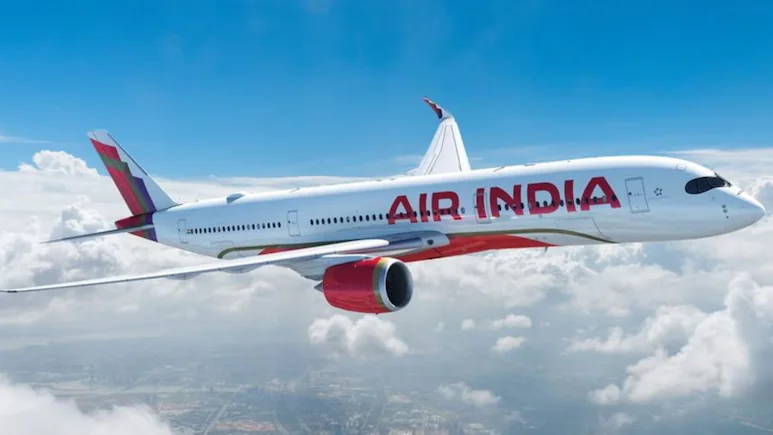
Passengers departing from India on international flights will no longer need to get their boarding passes stamped at immigration counters under the revised process.
Instead, passengers can present an electronic boarding pass on their mobile phone or a printed copy while completing the immigration process.
The change is part of the move towards a more digital immigration process.
Passengers will still have to complete all other mandatory airport procedures, including airline check-in, security screening and immigration formalities.
They will also continue to need their passport, visa where applicable and other required travel documents.
The removal of the boarding-pass stamping step should make the departure process slightly simpler for international passengers.
For frequent international travellers, the change could save time at the immigration counter and eliminate an additional manual step.
Passengers should nevertheless keep their boarding pass accessible on their phone or carry a printed copy, as required by the airline or airport process.
The September 1 changes therefore have mixed implications for consumers.
Some changes increase costs, particularly for CNG, PNG, commercial LPG, certain milk purchases and new cars.
At the same time, international passengers receive a small procedural convenience through the removal of boarding-pass stamping at immigration.
The impact will vary significantly depending on where a person lives and which services they use.
For example, a household in Mumbai that owns a CNG vehicle and uses PNG for cooking could experience higher monthly expenses from both fuel and household gas.
A restaurant owner using commercial LPG could face increased operating costs because of the higher 19-kg cylinder price.
A person planning to buy a Tata or Hyundai car could also have to revise their purchase budget.
Meanwhile, someone travelling abroad may benefit from the simplified immigration procedure.
The changes also highlight how prices for energy products can vary significantly by location.
CNG and PNG prices are not fixed nationally at one uniform rate. They are influenced by local gas distributors, procurement costs, taxes and other factors.
That is why consumers should check the latest price applicable to their city rather than assuming that a price increase in Mumbai applies everywhere.
The same principle applies to milk prices.
The ₹9 increase in Mumbai’s traditional milk supply does not mean that packaged milk or milk sold in other cities has increased by the same amount.
LPG prices follow a different pattern.
Oil marketing companies generally revise LPG prices at the beginning of each month, with commercial and domestic cylinders subject to different pricing conditions.
The September revision has increased commercial LPG prices but left domestic 14.2-kg cylinder prices unchanged.
For households, this means there is no immediate increase in the standard domestic LPG refill price based on the September 1 revision.
The LPG e-KYC issue is nevertheless important because customers who have not completed the verification may experience difficulties with certain benefits or services.
Consumers should not wait for a service disruption before completing the verification process.
The September changes also demonstrate why consumers should distinguish between an announced price increase and an actual nationwide rule.
Some changes reported around the beginning of a month may apply only to specific cities, companies or categories of consumers.
The CNG and PNG increases are examples of city-specific revisions, while the Tata and Hyundai price increases apply to those manufacturers’ vehicles rather than the entire automobile market.
Similarly, the milk price increase concerns a particular segment of the Mumbai market.
The international travel change has a broader scope for passengers departing India, but it changes the immigration procedure rather than eliminating other airport requirements.
For travellers, it remains important to reach the airport with sufficient time because the removal of one immigration step does not remove security checks, airline procedures or possible queues.
Passengers should also ensure that their travel documents remain valid and accessible.
For car buyers, September’s price changes could make it worthwhile to compare the updated ex-showroom prices before finalising a purchase.
Dealers may also have different offers or discounts, meaning the final purchase cost can vary even after a manufacturer announces a price revision.
Consumers should therefore compare the final on-road quotation rather than looking only at the headline price increase.
For businesses using commercial LPG, the increase may appear relatively small per cylinder, but establishments that consume several cylinders each week could see a larger cumulative effect.
The impact may be particularly noticeable for restaurants and food-service businesses operating with narrow margins.
For CNG auto-rickshaw and taxi drivers, higher fuel prices can directly affect daily operating costs.
The revised fares in Mumbai are therefore significant because they can partially offset the increase in fuel expenditure for drivers.
For private CNG vehicle owners, however, the effect will depend entirely on how much they drive.
A driver covering long distances every day will feel the price increase more than someone who uses their vehicle occasionally.
The same applies to PNG.
A household with high natural-gas consumption will experience a greater financial impact than one with relatively low usage.
The September 1 changes therefore do not represent a single nationwide “rule change” affecting everyone in the same way.
Instead, they comprise a collection of price revisions and procedural changes across different sectors.
The most important developments are the Mumbai CNG and PNG price increases, higher commercial LPG rates, unchanged domestic LPG prices, the LPG e-KYC deadline passing, higher Tata and Hyundai vehicle prices, a Mumbai milk-price increase and simplified immigration procedures for international departures.
Consumers should also keep in mind that prices and company policies can change again during the month.
Fuel and LPG prices, in particular, are subject to periodic revisions depending on market conditions.
The current September rates should therefore be treated as the rates applicable from September 1, rather than permanent prices for the rest of the year.
For households planning their monthly budgets, the combined changes could still be meaningful.
Higher transportation costs, cooking-gas expenses and vehicle prices can gradually increase household spending even when individual price revisions appear relatively small.
Businesses may also need to reassess operating costs where commercial LPG or CNG forms a significant part of their expenses.
The international travel change, on the other hand, is a positive procedural development.
Removing the boarding-pass stamping requirement should make immigration processing more convenient without changing the fundamental documentation requirements for international travel.
Overall, September 1, 2026, marks a significant round of consumer-facing changes across India.
Mumbai residents face some of the most visible increases, with CNG rising to ₹88 per kg, domestic PNG reaching ₹53 per SCM and traditional milk prices rising to ₹102 per litre in the affected segment.
Commercial LPG cylinders have also become costlier across major cities, while domestic 14.2-kg LPG prices remain unchanged.
Tata and Hyundai customers are facing higher vehicle prices, while international travellers departing India can now complete immigration without getting their boarding passes stamped.
For consumers, the most important step is to identify which changes actually apply to their household.
Not every person will be affected by every revision, but anyone using CNG or PNG in Mumbai, purchasing commercial LPG, planning to buy a Tata or Hyundai vehicle, buying the affected category of milk or travelling internationally from India should be aware of the September 1 changes.
The new month has therefore brought a combination of higher costs and a few procedural conveniences, making it important for consumers to check updated prices and requirements before making purchases, booking services or travelling.