PM Modi Swadeshi appeal has renewed his , urging Indians to give greater preference to locally made products and services as the country seeks to maintain its economic momentum amid global uncertainty. In a video message shared on September 1, Modi congratulated citizens after India recorded real GDP growth of 7.8% in the April-June quarter of 2026-27 and called for continued efforts toward self-reliance.
The Prime Minister’s message linked India’s latest economic performance with the need for greater domestic participation in economic activity. While celebrating the growth figures, he asked citizens to make more choices that keep spending within the country. His suggestions included avoiding unnecessary foreign travel, choosing India for destination weddings and purchasing gold only when there is a genuine need.
Modi’s latest remarks were delivered from Bishkek, Kyrgyzstan, where he is attending the Shanghai Cooperation Organisation summit during his visit to Central Asia. The message came shortly after official economic data showed that India’s real GDP had expanded by 7.8% during the first quarter of the current financial year. The growth was stronger than earlier expectations and came against a backdrop of global geopolitical tensions, disrupted supply chains and uncertainty in international markets.
The PM Modi Swadeshi appeal is part of a broader push for self-reliance and what the government describes as an Atmanirbhar Bharat approach. The Prime Minister has repeatedly encouraged consumers to support Indian businesses and products, particularly during periods of international economic pressure. His latest message again placed individual consumption decisions within the wider discussion about India’s economic resilience.
Modi specifically asked citizens to avoid foreign travel when it is purely for leisure and encouraged people to explore destinations within India instead. He also urged families planning weddings to consider venues within the country rather than organising destination weddings overseas. The idea behind the “Wed in India” message is to encourage domestic tourism and ensure that more spending associated with weddings remains within the Indian economy.
The Prime Minister also spoke about gold purchases, asking citizens not to buy gold unless it is necessary. Gold has a significant place in Indian households and is widely purchased for investment, weddings and cultural occasions. However, gold imports also have implications for India’s foreign exchange requirements. Modi’s appeal therefore connects personal spending decisions with broader economic considerations.
The latest appeal follows a similar message delivered by the Prime Minister earlier in the year. In May, amid global conflicts, supply-chain disruptions and concerns over energy prices, Modi had called on citizens to reduce unnecessary foreign-currency spending. He encouraged people to use public transport where possible, reduce fuel consumption, avoid unnecessary overseas travel and postpone non-essential gold purchases.
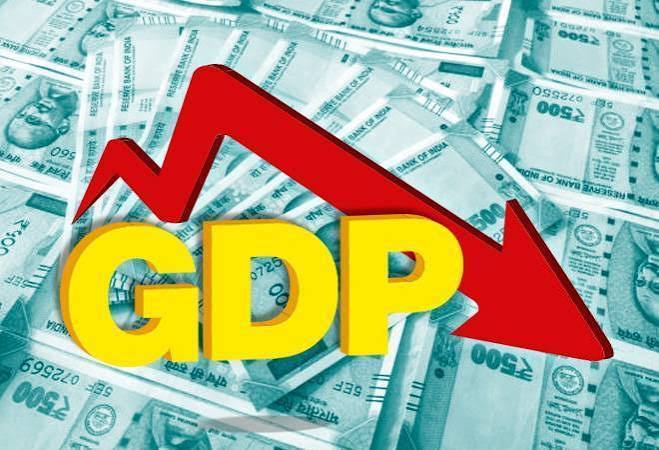
The renewed focus comes at a time when India’s economy is showing strong growth despite several external challenges. Official data showed real GDP growth of 7.8% in the April-June quarter of financial year 2026-27, while nominal GDP growth stood at 10.3%. Manufacturing recorded growth of 9.2% during the quarter, while the power, gas, water supply and related utilities segment expanded by 8.9%. Construction also recorded growth of 7.7%.
The economic numbers have given the government an opportunity to highlight India’s resilience. Modi said the country had continued to progress despite wars, international crises and disruptions to global supply chains. He attributed the economic performance to the collective efforts and determination of the people and said maintaining the growth rate would require continued hard work and greater self-reliance.
The concept of Swadeshi has historically been associated with encouraging domestic production and reducing dependence on foreign goods. In the modern economic context, the government’s emphasis has expanded to include local manufacturing, domestic tourism, Indian services and consumer choices that support businesses operating within the country.
The PM Modi Swadeshi appeal therefore goes beyond simply asking people to buy Indian products. The latest message also focuses on where Indians spend their money. Choosing a domestic holiday destination instead of travelling abroad, holding a wedding within India and avoiding unnecessary purchases of imported commodities are presented as ways in which individuals can contribute to the country’s economic activity.
Domestic tourism is one area that could benefit from such a shift. India has a wide range of destinations, including historical cities, beaches, hill stations, wildlife reserves and religious centres. Encouraging Indians to explore these destinations could potentially support hotels, restaurants, transport companies, local businesses, artisans and tourism workers.
The wedding industry is another major part of India’s domestic economy. Weddings involve spending across several sectors, including hospitality, catering, clothing, jewellery, transportation, photography, decoration and entertainment. When large weddings are organised within India, a significant portion of this spending can benefit domestic businesses and workers.
At the same time, the Prime Minister’s comments do not amount to a formal ban on foreign travel or gold purchases. The message was framed as an appeal to citizens to avoid unnecessary expenditure abroad and to support domestic economic activity where possible. The emphasis was on voluntary participation and responsible consumption rather than restrictions on individual choices.
The timing of the message is also significant because global economic conditions remain uncertain. International conflicts can affect crude oil prices, shipping costs, supply chains and inflation. India, like other major economies, remains exposed to changes in global commodity markets. Encouraging domestic consumption and reducing unnecessary foreign-exchange outflows is therefore being presented as one way to strengthen economic resilience.
The Prime Minister also connected self-reliance with India’s long-term development goals. He said that continued emphasis on Swadeshi and self-reliance could help India present a developed nation to its younger generation when the country reaches 100 years of independence. India will celebrate its centenary of independence in 2047, making the development target a central theme in the government’s long-term economic messaging.
For businesses, the renewed focus on local products could create opportunities to highlight Indian manufacturing, entrepreneurship and innovation. Small and medium-sized businesses in particular can benefit when consumers consciously choose locally produced goods and domestic services. However, sustained economic growth also depends on productivity, investment, employment, infrastructure and competitiveness, making consumer behaviour only one part of the wider economic picture.
The latest GDP figures have also generated discussion about the strength and sustainability of India’s economic expansion. While the government has highlighted the 7.8% growth figure as evidence of resilience, economists and political opponents have offered different interpretations of the broader economic situation. This means the economic debate is likely to continue alongside the government’s renewed emphasis on self-reliance.
For readers following the latest developments related to the Indian economy, government policies, politics and international affairs, 50 News provides regular coverage of major national and global developments. Following reliable news coverage can help readers understand how government announcements and economic changes may affect businesses, consumers and everyday life.
The latest PM Modi Swadeshi appeal reflects the government’s continued effort to connect national economic growth with individual consumer choices. By encouraging Indians to spend more within the country, support local businesses and avoid unnecessary foreign expenditure, the Prime Minister is seeking to reinforce the broader message of Atmanirbhar Bharat.
Whether these appeals significantly influence consumer behaviour will depend on how individuals and businesses respond. India’s large domestic market provides considerable scope for economic activity, but maintaining strong growth will also require continued investment, innovation and improvements in productivity.
For now, the Prime Minister’s message has placed Swadeshi and self-reliance back at the centre of the economic conversation. Coming immediately after India reported 7.8% GDP growth for the first quarter of 2026-27, the appeal combines celebration of recent economic performance with a call for citizens to contribute to maintaining that momentum.
The broader message from the government is that economic growth should be supported not only through policies and investment but also through everyday choices. From choosing a domestic holiday to purchasing locally produced goods or hosting a wedding in India, the Prime Minister has presented these decisions as part of a wider effort to strengthen domestic economic activity.
As global uncertainty continues to affect trade, energy markets and supply chains, the focus on self-reliance is likely to remain an important part of India’s economic policy discussion. The latest PM Modi Swadeshi appeal has once again brought attention to how consumer behaviour, domestic businesses and national economic priorities can intersect as India works toward its longer-term development goals.