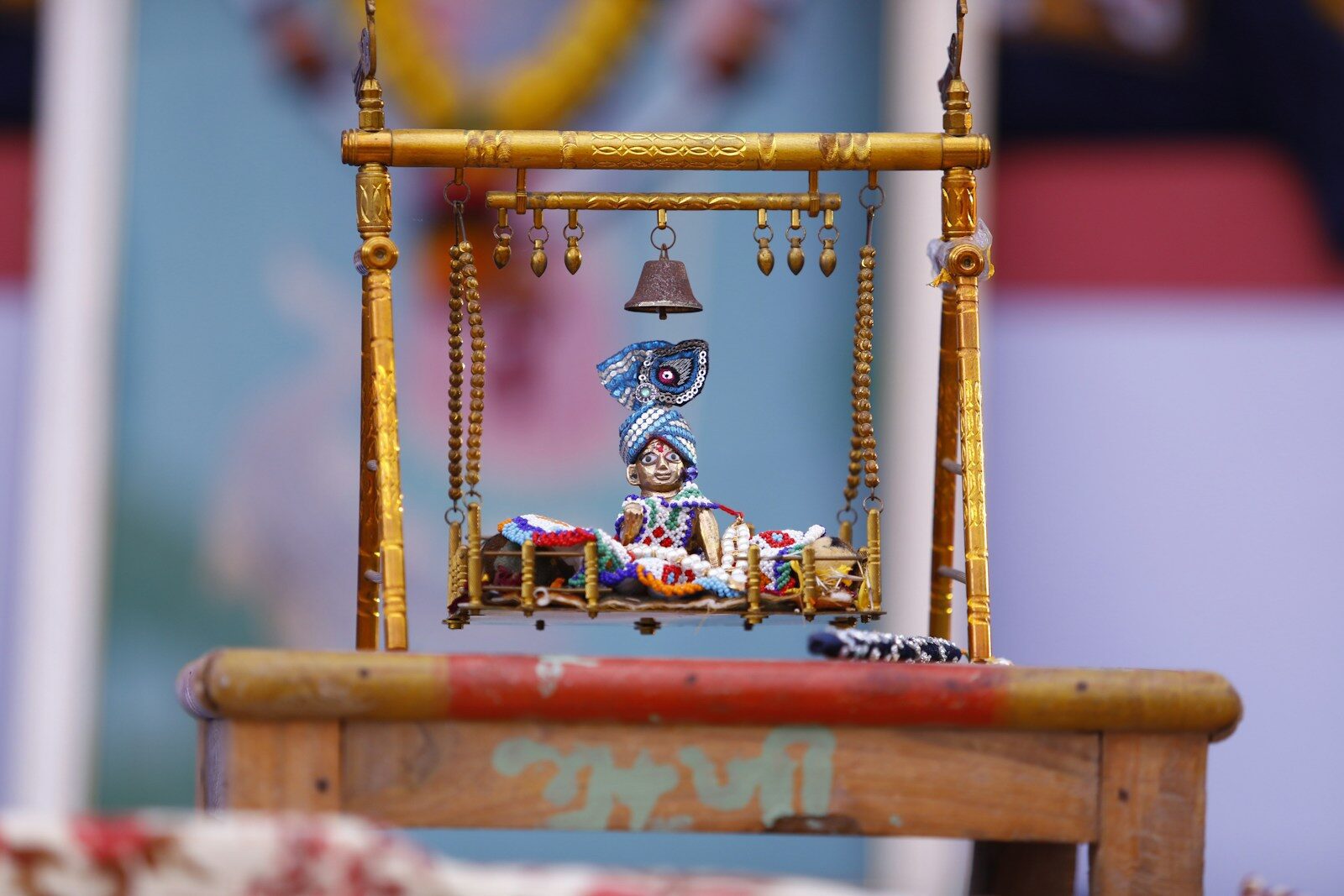
Krishna Chaturthi is being observed on Monday, August 31, 2026, with devotees across Rajasthan observing the traditional Heramba Sankashti Chaturthi fast. The day is also known in several parts of Rajasthan as Bahula Chauth or Bahula Chaturthi and is associated with religious traditions dedicated to Lord Ganesha.
According to the local Panchang, the Chaturthi Tithi begins on the morning of August 31 and continues until the morning of September 1. Devotees observing the Sankashti fast generally wait for the moonrise before completing the main evening worship and breaking the fast.
In Sawai Madhopur, the moonrise for Heramba Sankashti Chaturthi is expected at around 8:31 pm. Devotees can complete the concluding rituals after sighting the Moon, subject to their family tradition and local Panchang calculations.
Heramba Sankashti Chaturthi falls during the Krishna Paksha, or waning phase of the Moon. Sankashti Chaturthi is observed every month on the fourth lunar day of Krishna Paksha and is traditionally dedicated to Lord Ganesha.
The August observance has a particular significance because it is known as Heramba Sankashti. The name is associated with a form of Lord Ganesha known as Heramba.
Devotees traditionally observe a fast throughout the day and perform Ganesha worship in the evening. The fast is generally broken after the Moon is sighted and the prescribed prayers and rituals have been completed.
The observance is considered important by devotees seeking the removal of obstacles and blessings for prosperity, wellbeing and success.
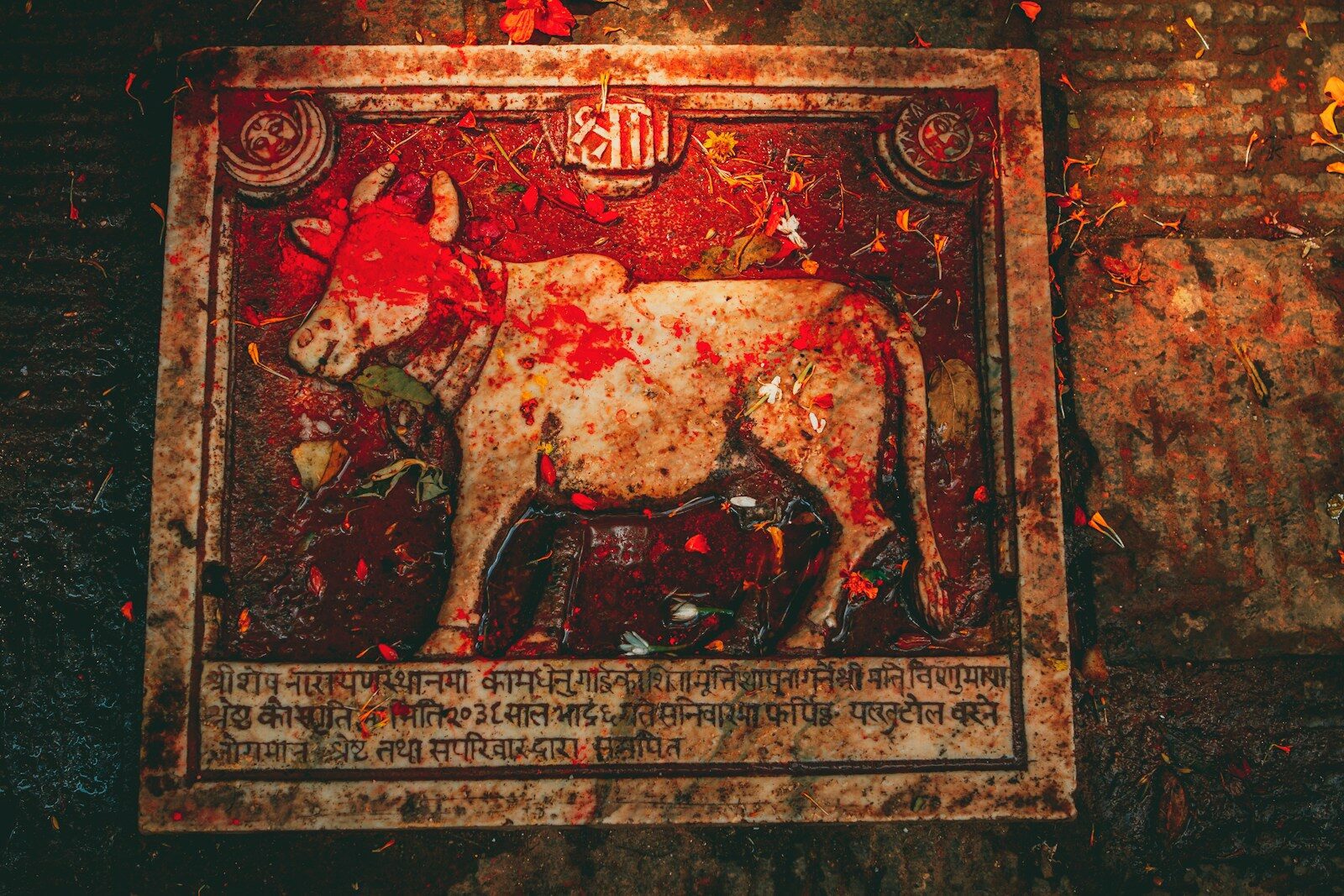
In Rajasthan, the day is also associated with the traditional name Bahula Chauth. Religious customs connected with Bahula Chauth vary among communities, with families following their own established rituals and practices.
The observance is particularly significant for women in some parts of Rajasthan, where Chauth-related fasting traditions have been followed for generations.
The religious importance of the day is closely connected with the lunar calendar. Unlike festivals fixed to a particular date in the Gregorian calendar, Chaturthi observances change each year because their dates depend on the lunar Tithi.
This year, the relevant Chaturthi Tithi begins at around 8:50 am on August 31 and ends at approximately 7:41 am on September 1.
Because the Chaturthi Tithi overlaps with August 31, the Sankashti fast is being observed on Monday.
The Moon’s appearance is particularly important during Sankashti Chaturthi. Devotees generally wait for moonrise before completing the fast, which is why the local moonrise time can vary from one city to another.
In Sawai Madhopur, the expected moonrise is around 8:31 pm. The exact time can differ slightly depending on the calculation method and location, so devotees traditionally follow the local Panchang for their area.
During the evening, devotees may prepare offerings for Lord Ganesha and perform puja at home or visit a nearby temple.
Common offerings include fruits, flowers, durva grass and sweets such as modak or laddoo. Devotees also recite prayers and traditional Ganesha mantras during the worship.
Many families also listen to or recite the Sankashti Chaturthi Vrat Katha as part of the evening observance.
The central belief behind Sankashti Chaturthi is that worshipping Lord Ganesha helps devotees overcome obstacles and difficulties in life.
Lord Ganesha is traditionally regarded as the remover of obstacles and is worshipped before beginning important activities in Hindu religious traditions.
The fasting practice varies according to individual health, family tradition and religious custom. Some devotees observe a strict fast, while others consume fruits, milk or specific fasting foods during the day.
People with medical conditions, children, elderly individuals and pregnant women should not undertake restrictive fasting without appropriate medical advice.
The religious observance should be approached according to individual circumstances rather than treating one particular fasting method as compulsory for everyone.
The evening worship remains the central part of the Sankashti tradition. After completing the puja and sighting the Moon, devotees generally offer water or other traditional offerings and then conclude their fast.
The Moonrise ritual is one of the most recognisable features of Sankashti Chaturthi.
The practice of observing Chaturthi according to the lunar calendar has been followed across different parts of India for generations. Although rituals vary by region, the underlying focus remains devotion to Lord Ganesha.
Rajasthan has its own rich traditions surrounding Chauth observances. Religious celebrations in the state often combine lunar-calendar rituals with local customs that have been passed down through families.
Sawai Madhopur itself has a strong association with religious and cultural festivals. The district is home to several important temples and traditional celebrations throughout the year.
The famous Ganesh Temple at Ranthambore also attracts thousands of devotees during the annual Ganesh festival season. The temple is an important religious destination in the region and reflects the longstanding devotion to Lord Ganesha in the area.
The current Heramba Sankashti observance, however, is a separate monthly Chaturthi occasion and should not be confused with the larger Ganesh Chaturthi festival celebrated later in the year.
Ganesh Chaturthi falls during Shukla Paksha and celebrates the birth of Lord Ganesha, while Sankashti Chaturthi is observed during Krishna Paksha and is associated with fasting and Ganesha worship.
The distinction between the two observances is important because both involve Lord Ganesha but follow different lunar phases and religious traditions.
For devotees observing Heramba Sankashti Chaturthi today, the main focus remains maintaining the fast, performing evening worship and completing the ritual after moonrise.
Many households begin the day with a bath and prayers before starting the fast. Some devotees also clean their prayer area and prepare offerings for the evening puja.
During the day, devotees may spend time reading religious texts, chanting Ganesha mantras or participating in devotional activities.
The fast is generally regarded as an expression of faith and discipline rather than simply a dietary practice.
The timing of the evening ritual is particularly important because Sankashti Chaturthi traditionally involves waiting for the Moon to rise.
Devotees should therefore check the moonrise time for their specific location rather than relying on a single time for the entire state.
For people in Sawai Madhopur, the expected moonrise is around 8:31 pm on August 31.
The Chaturthi Tithi will continue into the following morning, but the main Sankashti observance and fast-breaking ritual are associated with the evening of August 31.
The day also comes toward the end of the month and follows the recent Raksha Bandhan and Shravan Purnima celebrations observed across Rajasthan.
The Hindu lunar calendar moves through different Tithis and religious observances throughout the year, making the period particularly active for festivals and fasting traditions.
Heramba Sankashti is one of the monthly observances that provides devotees with an opportunity to maintain a regular spiritual practice.
The significance of Heramba is also connected with Lord Ganesha’s protective aspect. In Hindu tradition, different forms and names of Ganesha are associated with different qualities and symbolic meanings.
Devotees observing the day may therefore focus their prayers on protection, removal of difficulties and the wellbeing of their families.
The traditions surrounding Bahula Chauth may differ between communities, so there is no single ritual method followed universally across Rajasthan.
Some families follow practices that have been passed down through generations, while others follow the instructions of local priests or their preferred Panchang.
This variation is a normal part of India’s diverse religious traditions.
For those observing the fast, maintaining adequate hydration and following a fasting method appropriate to their health is important.
Religious fasting should not come at the expense of health. People who take regular medication or have health conditions should consult a qualified medical professional before undertaking a strict fast.
The same applies to elderly people and children, for whom traditional fasting practices may need to be modified.
The religious significance of the day lies primarily in devotion, prayer and observance rather than in following an unnecessarily difficult dietary restriction.
As evening approaches, devotees will prepare for the main puja and wait for the Moon to appear.
After moonrise, the traditional rituals are completed and devotees can conclude their fast according to their family customs.
In many households, the evening puja includes offering water to the Moon, worshipping Lord Ganesha and distributing prasad among family members.
The atmosphere around temples and religious places can become particularly devotional during the evening hours as people gather for prayers.
However, devotees should follow the arrangements and instructions of individual temples, particularly where large numbers of people are expected.
Heramba Sankashti Chaturthi is being observed today across Rajasthan and other parts of India, with local traditions giving the occasion different names and forms.
In Rajasthan, Bahula Chauth remains an important traditional observance in many communities, while the broader Sankashti Chaturthi tradition connects devotees through the worship of Lord Ganesha.
For Sawai Madhopur residents, the day combines the broader Sankashti tradition with the region’s strong cultural connection to Ganesha worship.
The local moonrise time of around 8:31 pm provides devotees with the key evening timing for completing their observance.
As families prepare for the evening puja, the focus will remain on prayers, traditional offerings and seeking Lord Ganesha’s blessings.
Heramba Sankashti Chaturthi is ultimately a day centred on faith, discipline and devotion. The observance gives devotees an opportunity to pause from their daily routine, engage in prayer and follow traditions that have been preserved across generations.
With Krishna Chaturthi being observed on August 31, devotees across Rajasthan are participating in the various customs associated with Bahula Chauth and Heramba Sankashti.
The fast and evening rituals will continue according to local traditions, with moonrise marking the important concluding stage of the day’s observance.
For devotees in Sawai Madhopur, the evening Moon is expected around 8:31 pm. After completing the prescribed prayers and rituals, those observing the fast can conclude the day’s worship according to their family and religious customs.