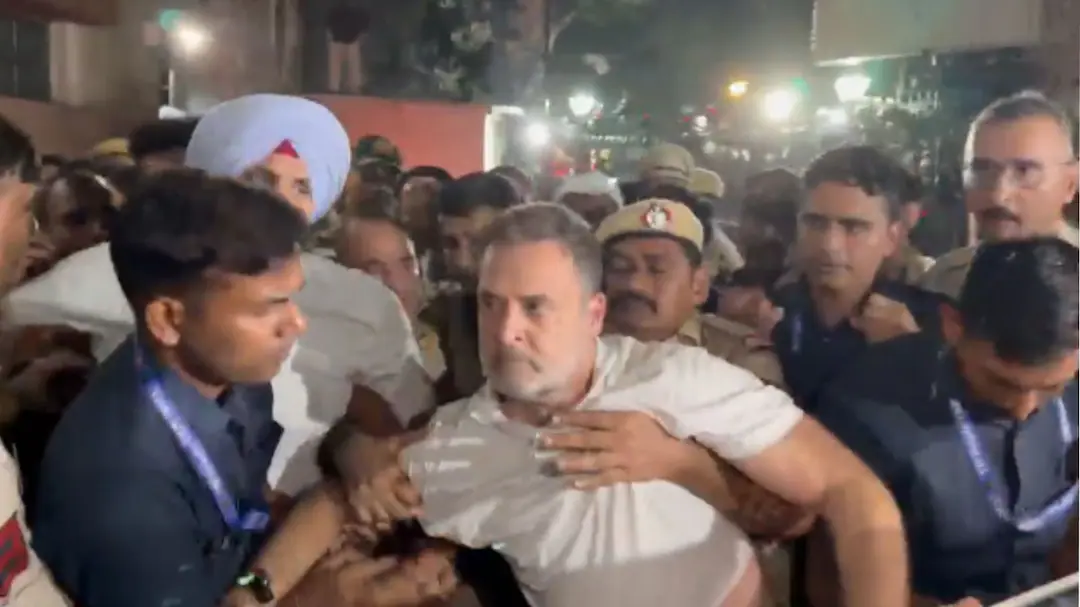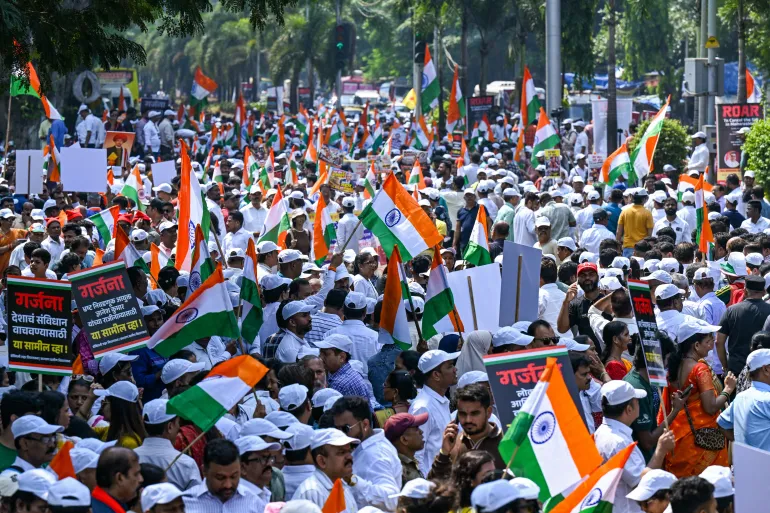
Liquor contractors in Rajasthan staged a protest in Jaipur on August 24, raising several demands related to the state’s excise policy and the operation of liquor shops. The protesters gathered at Shaheed Smarak and sought changes that they say are necessary to improve business conditions and increase legitimate excise revenue.
One of the main demands raised by the contractors is an extension of liquor-shop operating hours. They want the current closing time of 8 pm to be extended to 11 pm.
The contractors have argued that the existing timing does not reflect changing consumer patterns. According to the association, many social events and gatherings take place after 8 pm, limiting the opportunity for legal sales during the current operating window.
The association has also claimed that early closure of licensed liquor shops can encourage illegal or unauthorised sales. Contractors argue that allowing shops to remain open until 11 pm could shift more purchases into the legal retail system and potentially increase government excise revenue.
The demand comes after Rajasthan amended its Excise and Temperance Policy 2025-29 earlier this year. The amendment created a provision under which the Excise Commissioner can extend liquor-shop operating hours, but contractors have complained that the provision has not yet resulted in the extension they are seeking.
The contractors have also raised the issue of outstanding dues linked to the Covid-19 period. They have demanded that the remaining dues be waived and have opposed the attachment or auction of movable and immovable properties as part of recovery proceedings.
Another major demand concerns the monthly guarantee system under the current excise policy. Contractors say liquor sales can fluctuate significantly because of seasonal conditions, religious occasions and other factors, making a fixed monthly purchase requirement difficult for some businesses to manage.
They have proposed replacing the monthly guarantee mechanism with a quarterly guarantee system. According to the contractors, a longer assessment period would better reflect fluctuations in demand and make the system more practical for liquor retailers.
The association has also compared Rajasthan’s liquor-shop timings with those in neighbouring states. Contractors have pointed to states such as Uttar Pradesh and Haryana, where liquor shops can operate later than the current 8 pm closing time in Rajasthan.
The protest follows a warning issued by the contractors earlier in July that they would demonstrate in Jaipur if the government did not consider their demands. The August 24 protest was therefore part of a wider campaign by liquor contractors seeking changes to the excise framework.
The dispute is significant for the state government because liquor sales are an important source of excise revenue. According to reporting by The Times of India, Rajasthan has around 7,665 liquor shops, although some shops remained unsold during the latest auction process. The sector contributes close to Rs 18,000 crore annually to state revenue, according to the report.
Contractors argue that improving the operating environment could help stabilise the retail liquor market and increase legal sales. Their position is that extending shop timings would not simply benefit retailers but could also increase the government’s revenue collection.
However, any decision to extend liquor-shop timings would involve broader policy considerations. The government would need to consider excise revenue alongside regulatory enforcement, public-order concerns and the wider social implications of alcohol availability.
The contractors’ demand for changes to the guarantee system also raises questions about how liquor licences should be structured. A monthly purchase obligation provides the government with a predictable framework for revenue and stock movement, while contractors argue that demand is not consistent enough to make the system financially sustainable for every outlet.
Seasonal variations can have a significant effect on liquor sales. Demand may change during festivals, religious occasions, weddings, holidays and other periods when consumption patterns differ from normal months.
The contractors therefore believe that a quarterly system would give retailers greater flexibility while still allowing the government to monitor sales and revenue over a longer period.
The issue of Covid-era dues is another longstanding concern. Contractors have argued that liabilities originating from the pandemic period continue to affect their businesses and have sought relief from the remaining amounts.
They have also objected to recovery measures involving the attachment or auction of properties. Their demand is for the government to stop such proceedings and consider a broader settlement of the outstanding dues.
The protest has brought the relationship between liquor contractors and the Rajasthan government back into focus. The government must balance the financial expectations of licence holders with its responsibility to administer the excise system according to the state’s policy and regulations.
For contractors, the immediate priority is obtaining a response to their demands. The proposed extension of shop timings is particularly important to them because it could directly affect daily sales.
For the government, the decision is more complex. Extending operating hours could potentially increase legal sales, but it would also require consideration of enforcement, staffing and monitoring arrangements during the additional hours.
The contractors’ argument that longer legal operating hours could reduce illegal sales is a claim that would need to be evaluated against actual enforcement and market data. A policy decision would therefore ideally consider evidence on sales patterns, revenue collection and illegal liquor activity.
The August 24 demonstration shows that the contractors remain dissatisfied with the current arrangement. Their demands now cover multiple aspects of the excise system rather than a single change to shop timings.
The government could potentially address the dispute through discussions with representatives of the contractors and by examining the practical impact of the existing policy. Any amendments, however, would have to follow the applicable legal and administrative process.
The protest also comes at a time when Rajasthan’s excise framework is operating under the 2025-29 policy, which was amended in February 2026 to provide greater flexibility regarding liquor-shop operating hours.
The contractors are seeking implementation of that flexibility in the form of an extension from 8 pm to 11 pm. Whether the government accepts the demand, modifies it or retains the existing timing will depend on its assessment of revenue, enforcement and policy considerations.
For consumers, any change in operating hours would mean longer access to licensed retail outlets. For the state, the potential benefit would be additional legal sales and associated excise revenue, although the actual impact would depend on consumer behaviour and enforcement conditions.
The dispute is therefore closely connected to both business interests and state revenue. With thousands of licensed outlets across Rajasthan and liquor contributing substantially to government finances, changes to the excise policy can have a significant economic impact.
At the same time, the government will have to consider the wider consequences of increasing alcohol availability. Excise policy is not solely a revenue mechanism; it also involves regulation of retail sales and compliance with restrictions governing the sale and consumption of alcohol.
The contractors have made it clear that they want their concerns addressed through policy changes. Their protest in Jaipur represents pressure on the government to act on shop timings, Covid-era dues and the guarantee system.
Further discussions between the government and representatives of the liquor trade are likely to determine the next step. If the government agrees to consider the demands, changes could be made through the appropriate administrative process. If no agreement is reached, the contractors could continue their agitation.
For now, the key issue remains the demand to extend liquor-shop timings from 8 pm to 11 pm, along with calls for relief from old dues and changes to the monthly guarantee system. The government has yet to indicate whether it will accept all of the contractors’ demands.
The Jaipur protest has once again highlighted the continuing debate over Rajasthan’s liquor policy and the balance between revenue generation, business viability and regulation. The outcome of discussions between the contractors and the state government will determine whether any changes are made to the existing excise framework.