
Hot News

# Constipation After Antibiotics: Why It Happens, What Helps and When to Worry Antibiotics are important medicines that help treat many bacterial infections, but they can sometimes temporarily change the way your digestive system works. Most people associate antibiotics with diarrhea, but **constipation after antibiotics can also happen**. You may notice fewer bowel movements, harder stools, bloating, gas or a feeling that your bowel movements are not as regular as usual. Why does this happen? Antibiotics can alter the community of microorganisms living in your digestive tract. At the same time, being sick, changing your diet, drinking less fluid, becoming less active or taking other medications can all affect your bowel movements. The good news is that constipation after a course of antibiotics is often temporary. However, persistent constipation, severe abdominal symptoms or signs of another digestive problem should not simply be blamed on the antibiotic. ## Can Antibiotics Cause Constipation? Yes, **antibiotics can contribute to changes in bowel habits, including constipation**, although diarrhea is a more commonly recognized digestive side effect. Antibiotics work by targeting bacteria involved in infections. They can also affect some of the bacteria that normally live in the digestive tract. These changes may temporarily alter digestion and bowel function. However, constipation after antibiotics is not always caused directly by the medicine. Other factors surrounding an illness can be just as important. For example, you may have been: * Eating less than usual * Drinking less fluid * Spending more time in bed * Exercising less * Taking iron supplements * Taking opioid pain medication * Using certain antacids * Following a different diet * Experiencing stress because of illness All of these factors can contribute to constipation. ## Why Can Constipation Happen After Taking Antibiotics? There is usually more than one possible explanation. ### Antibiotics Can Change the Gut Microbiome Your digestive tract contains a large community of microorganisms known collectively as the **gut microbiome**. These microorganisms interact with food, digestion and other processes in the intestines. Antibiotics can change the composition and balance of this microbial community. The effects vary depending on the specific antibiotic, dose, duration and individual. For some people, these changes may temporarily affect bowel habits. It is important not to assume that every change in bowel movement after antibiotics is caused by “bad gut bacteria.” The digestive system is complex, and several factors can overlap. ### Illness Can Change Your Normal Routine Sometimes the infection itself is a bigger contributor than the antibiotic. When you’re sick, you may eat differently, drink less, sleep more and move less. If you spend several days resting in bed and consuming fewer fiber-rich foods and fluids, constipation can develop. ### Other Medicines May Be Involved People taking antibiotics are sometimes also taking medicines for fever, pain, nausea, allergies or other symptoms. Some medications can slow bowel movements. Opioid pain medicines are a particularly common cause of constipation. Certain antacids, iron supplements and other medicines can also contribute. If constipation started after you began several medicines at the same time, ask a doctor or pharmacist which ones may be contributing. ## What Does Constipation After Antibiotics Feel Like? The symptoms are generally similar to other types of constipation. You may experience: * Fewer bowel movements than usual * Hard or dry stool * Straining * Pain or discomfort when passing stool * A feeling that you have not completely emptied your bowel * Bloating * Gas * Abdominal fullness * Mild abdominal discomfort You do not have to poop every day to have a healthy bowel pattern. What matters is whether your bowel movements have become unusually infrequent or difficult compared with your normal pattern. ## How Long Does Constipation After Antibiotics Last? There is no exact timeline. Some people notice their bowel habits returning to normal soon after finishing treatment. For others, changes can last longer, particularly if their diet, activity level or other medications have also changed. If constipation continues after the antibiotic course is finished, don’t automatically assume the antibiotic is still the cause. Persistent constipation may have another explanation and deserves attention. ## What Can You Do for Constipation After Antibiotics? If your symptoms are mild and you otherwise feel well, basic constipation measures may help. ### Increase Fiber Gradually Fiber helps add bulk to stool and can support regular bowel movements. Try including foods such as: * Oats * Whole grains * Lentils * Beans * Chickpeas * Pears * Apples with the skin * Oranges * Berries * Vegetables * Nuts * Seeds Adults generally need around **22 to 34 grams of fiber per day**, depending on age and sex. If your diet has been low in fiber, increase it gradually rather than suddenly adding large amounts. A rapid increase can worsen gas and bloating. ### Drink Adequate Fluids Make sure you are drinking enough fluids for your individual needs. This is especially important when increasing fiber because fiber works best when paired with adequate fluid intake. You do not need to force excessive amounts of water. If you have been instructed to restrict fluids because of a medical condition, follow your healthcare professional’s advice. ### Start Moving Again If you’ve been resting because of an illness, gradually returning to normal physical activity may help your bowel function. Even a walk can be a useful starting point if you are well enough to exercise. Don’t push yourself if you’re still recovering from an infection. ### Don’t Ignore the Urge If you feel the need to poop, try to use the bathroom rather than repeatedly postponing it. Regularly ignoring the urge can make bowel habits harder to manage. ### Try a Regular Bathroom Routine Many people find it useful to sit on the toilet after breakfast or another meal. Eating naturally stimulates activity in the digestive tract. Give yourself enough time and try to relax rather than straining forcefully. ### Consider Your Toilet Position Placing your feet on a small footstool may make passing stool more comfortable. The goal is to position your knees slightly higher than your hips and allow the pelvic muscles to relax. ## Should You Take Probiotics After Antibiotics? Probiotics are live microorganisms found in certain foods and supplements. They are often promoted as a way to “restore” gut bacteria after antibiotics. However, probiotics are not a universal solution for every digestive symptom, and different probiotic strains can have different effects. Some people may benefit from specific probiotic products in particular circumstances, while others may notice no meaningful difference. If you’re considering a probiotic supplement, ask a healthcare professional or pharmacist whether it is appropriate for you, particularly if you have a weakened immune system or a serious underlying illness. You do not necessarily need a probiotic supplement simply because you completed an antibiotic course. ## What About Yogurt and Fermented Foods? Foods such as yogurt containing live cultures and certain fermented foods may be part of a healthy diet. They can provide microorganisms and nutrients, but they should not be viewed as a guaranteed treatment for constipation. If you tolerate these foods, they can be included alongside a balanced diet containing adequate fiber and fluids. If dairy products cause you bloating or discomfort, choose other foods instead. ## Should You Stop Your Antibiotic If You Become Constipated? **No. Do not stop a prescribed antibiotic simply because you develop constipation unless your healthcare professional tells you to do so.** Stopping antibiotics early or changing the schedule without medical advice can interfere with treatment. If you believe the antibiotic is causing significant side effects, contact the prescribing clinician or pharmacist. They can determine whether you should continue, change or stop the medicine. Never use leftover antibiotics from a previous illness. ## Can Antibiotics Cause Constipation and Diarrhea at the Same Time? Bowel changes after antibiotics can sometimes be confusing. You may experience loose stool at one point and constipation at another, particularly if your diet, hydration and activity level have changed. There is also a condition called **overflow diarrhea**, in which liquid stool passes around a large amount of impacted stool. If you have watery stool but also feel blocked, severely bloated or unable to properly empty your bowel, don’t assume the watery stool means your constipation has resolved. A healthcare professional should assess persistent or unusual symptoms. ## Antibiotics, Constipation and C. difficile: What Should You Know? One important reason not to ignore significant bowel changes after antibiotics is the possibility of **Clostridioides difficile**, commonly called C. difficile. Antibiotic use can increase the risk of C. difficile infection, which more commonly causes diarrhea, abdominal pain and fever rather than simple constipation. If you develop frequent watery diarrhea, significant abdominal pain, fever or other concerning symptoms during or after antibiotic treatment, seek medical advice promptly. Do not try to diagnose or treat a possible antibiotic-associated infection at home. ## Can Antibiotics Cause Severe Constipation? Severe constipation after antibiotics is possible, but it should not automatically be assumed to be a normal medication side effect. If constipation becomes severe, healthcare professionals may need to consider other causes, including: * Dehydration * Medication side effects * Fecal impaction * Changes in diet * Reduced physical activity * Underlying digestive disorders * Intestinal obstruction or other medical problems The presence of severe symptoms matters more than simply knowing that you recently took an antibiotic. ## When Should You See a Doctor? Contact a healthcare professional if constipation is persistent, repeatedly returns or does not improve with reasonable self-care. You should also discuss constipation with a doctor or pharmacist if you are taking multiple medicines or supplements and are unsure which one may be responsible. ### Seek Urgent Medical Attention If You Have: * Severe or constant abdominal pain * Significant abdominal swelling * Repeated vomiting * Inability to pass gas * Blood in your stool * Black or tarry stool * Fever with significant abdominal symptoms * Severe weakness or dehydration * A sudden worsening of symptoms These symptoms may indicate a problem that needs prompt evaluation. ## Can Constipation After Antibiotics Lead to Fecal Impaction? Prolonged constipation can sometimes cause **fecal impaction**, where hard stool becomes lodged in the rectum or colon. Possible symptoms include: * Increasing abdominal discomfort * Bloating * Difficulty passing stool * A sensation of blockage * Small amounts of stool passing without proper relief * Watery stool leaking around the impacted stool If you suspect an impaction, do not attempt to manually remove the stool yourself. Seek medical care so the problem can be evaluated and treated safely. ## How to Get Your Bowel Routine Back After Antibiotics Once you have recovered from your infection, focus on gradually returning to your normal habits. ### Return to Regular Meals If you have been eating very little, gradually return to balanced meals. Include fiber-rich foods as tolerated. ### Rebuild Your Activity Level If illness kept you inactive, gradually return to your usual movement. ### Keep Your Fluid Intake Consistent Avoid long periods without drinking, particularly in hot weather or when recovering from illness. ### Maintain a Regular Bathroom Routine Respond to natural urges and consider giving yourself relaxed bathroom time after meals. ### Review Your Medications If constipation persists, ask your doctor or pharmacist to review your medicines and supplements. This is especially useful if you started several new products while you were sick. ## What Foods Should You Eat for Constipation After Antibiotics? There is no single food that instantly fixes constipation. Instead, aim for a varied diet. ### Fiber-Rich Fruits Pears, apples with their skin, oranges and berries can contribute fiber. ### Vegetables Vegetables such as carrots, peas, broccoli and leafy greens can help increase overall fiber intake. ### Whole Grains Oats, whole-wheat foods and other minimally refined grains can provide useful fiber. ### Legumes Beans, lentils and chickpeas are excellent sources of dietary fiber. ### Nuts and Seeds Nuts and seeds can add fiber and other nutrients to meals. Increase fiber gradually if your digestive system is sensitive. ## Foods to Limit When You Are Constipated You don’t necessarily need to completely eliminate any particular food. However, if most of your diet consists of highly processed, low-fiber foods, replacing some of them with fiber-rich whole foods may improve bowel regularity. Large amounts of processed snacks, refined grains and other low-fiber foods may make it harder to meet your fiber needs. The goal is balance rather than an extremely restrictive diet. ## Frequently Asked Questions ### Can antibiotics make you constipated? They can contribute to changes in bowel habits, including constipation, although diarrhea is more commonly associated with antibiotic use. Changes in diet, hydration, activity and other medications can also be involved. ### How long after antibiotics can constipation occur? Constipation may occur during or after an antibiotic course, but there is no fixed timeline. The timing can also be influenced by illness, diet, hydration and other medicines. ### Does constipation after antibiotics mean my gut bacteria are damaged? Antibiotics can alter the gut microbiome, but describing this simply as “damaged gut bacteria” is an oversimplification. The microbiome can change in response to antibiotics, and the extent and duration of changes vary. ### Should I take probiotics after antibiotics? Not everyone needs a probiotic supplement. Some specific probiotics may be useful in certain circumstances, but benefits depend on the strain and situation. Ask a healthcare professional if you’re considering one. ### Can yogurt help constipation after antibiotics? Yogurt containing live cultures can be part of a balanced diet, but it is not a guaranteed treatment for constipation. Fiber, adequate fluids, activity and regular bowel habits remain important. ### What should I do if I can’t poop after taking antibiotics? If symptoms are mild, try gradually increasing fiber, maintaining adequate fluid intake, moving regularly and responding to the urge to poop. If constipation is severe, persistent or accompanied by concerning symptoms, contact a healthcare professional. ### Can I take a laxative after antibiotics? Some people can safely use laxatives, but the appropriate choice depends on your symptoms, health conditions and other medications. Ask a pharmacist or doctor for guidance, especially if constipation is severe or recurrent. ### Should I stop antibiotics because they are causing constipation? No. Do not stop a prescribed antibiotic without discussing it with the prescriber or another qualified healthcare professional. ## Final Takeaway Constipation after antibiotics can happen, but the antibiotic itself may be only one piece of the puzzle. Changes to the gut microbiome, reduced activity, dehydration, changes in diet and other medications can all affect bowel movements during or after an illness. If your symptoms are mild, returning gradually to a fiber-rich diet, drinking adequate fluids, becoming active again and maintaining regular bathroom habits may help. If constipation persists, keeps returning or becomes severe, don’t assume that it is simply a temporary antibiotic side effect. A healthcare professional can look for medication-related causes and other conditions that may need treatment. And if constipation occurs alongside severe abdominal pain, vomiting, significant swelling or inability to pass gas, seek urgent medical attention rather than continuing to try home remedies. **Medical disclaimer:** This article is for general educational purposes only and does not replace professional medical advice, diagnosis or treatment. If you have persistent, severe or unusual symptoms during or after antibiotic treatment, consult a qualified healthcare professional.

Edit Template
Thursday, September 10, 2026 1:30 pm

iPhone 18 Pro and iPhone 18 Pro Max Launched With Variable Aperture Camera, A20 Pro Chip and New Siri AI

Apple has officially unveiled the iPhone 18 Pro and iPhone 18 Pro Max, introducing major upgrades to the camera system, performance, battery life and artificial intelligence capabilities. The new Pro models are positioned as Apple’s most advanced iPhones yet, with the company particularly highlighting the new variable-aperture camera and A20 Pro chip.

The iPhone 18 Pro series was announced on September 9, 2026, and will be available for pre-order in India and several other markets from September 12. Sales will begin on September 18. Apple says the new models will be offered in more than 65 countries and regions at launch, including India.

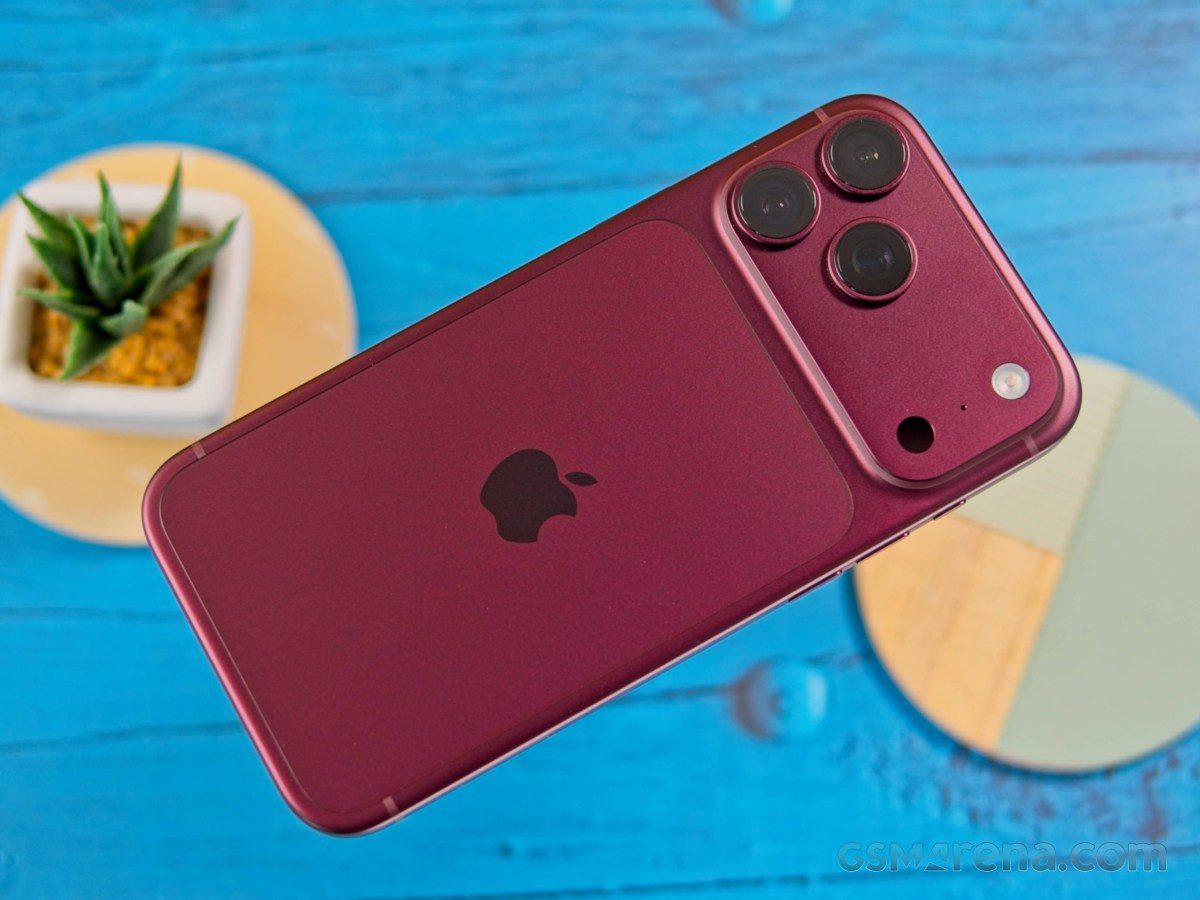
One of the biggest changes comes to the main camera. The iPhone 18 Pro and iPhone 18 Pro Max feature a new 48MP Fusion Main camera with variable aperture, bringing adjustable aperture control to an iPhone for the first time.

The camera uses six laser-cut blades that can smoothly change the aperture depending on the lighting conditions and the type of photograph being captured. Apple says the system can automatically adjust depth of field and light intake, while professional users can manually select from four aperture settings.

The aperture can widen to ƒ/1.48 in darker conditions to allow more light into the sensor. For portraits, it can use ƒ/1.8, while narrowing the aperture to ƒ/4 can keep more subjects in focus in group photographs and other scenes requiring greater depth of field.

Apple has also added new Pro controls to the Camera app. Users can manually adjust settings such as aperture, shutter speed and white balance, while a histogram provides additional control over exposure.

The company says its new computational photography pipeline is designed to produce sharper and more detailed images. Photographic Styles have also received additional texture and grain controls, giving users greater control over the final appearance of their photographs.

Video recording has received several upgrades as well. Users can now apply Cinematic effects after recording videos at up to 60 frames per second. Time-lapse recording supports 4K and Dolby Vision HDR, while Audio Mix has been updated with new algorithms designed to improve voice quality and isolate music more effectively.

Apple has also introduced a new feature called Apple Reference Image. The system is designed to help users verify the authenticity of photographs captured with the iPhone 18 Pro.

When Reference mode is used, the camera captures signed sensor information that is processed into an unalterable reference image. Users can then compare the reference version with the main photograph in the Photos app to determine whether changes have been made.

The feature is particularly notable at a time when AI-generated and heavily edited images are becoming increasingly common. Apple says upcoming support for the SynthID standard will provide another method for identifying AI-generated or AI-edited images.

The iPhone 18 Pro lineup also introduces a redesigned Dynamic Island. Apple says the smaller Dynamic Island can display up to three Live Activities simultaneously while continuing to support Face ID for authentication, purchases and app sign-ins.

Under the hood, both models are powered by Apple’s new A20 Pro chip, which is built using a 2-nanometre manufacturing process.

The A20 Pro features a six-core CPU and a seven-core GPU. Apple says the GPU can deliver up to 40 per cent higher performance than the previous-generation A19 Pro, while memory bandwidth has increased by 50 per cent.

AI processing also receives a major boost. The chip includes a dual 16-core Neural Engine, providing 32 Neural Engine cores in total. Apple says this provides twice the AI processing power of the A19 Pro and is designed to support more demanding on-device AI workloads and computational photography.

The company has also redesigned thermal management on the Pro models. A new vapor chamber has three times the surface area of the previous generation, helping the devices maintain high performance for longer periods.

Apple claims the redesigned cooling system can provide up to a 40 per cent gain in sustained performance compared with the previous-generation iPhone 17 Pro, making the upgrade particularly relevant for intensive gaming, video processing and AI applications.

Battery life is another major focus of the new iPhone 18 Pro generation.

Apple says the iPhone 18 Pro Max delivers the largest increase in battery life ever seen on an iPhone. The larger model can offer up to 45 hours of video playback in eSIM-only configurations according to Apple’s global announcement, while Apple’s India product page advertises up to 43 hours of video playback. Battery performance varies by configuration and usage.

The iPhone 18 Pro can charge to 50 per cent in around 15 minutes using wired charging under Apple’s testing conditions. Wireless charging can reach 50 per cent in around 30 minutes.

The Pro Max also receives an unusual charging-related improvement. Apple says five minutes of wired charging can provide around seven hours of video playback under its testing conditions.

Artificial intelligence is another central part of the iPhone 18 Pro experience.

Both models run iOS 27 and introduce Apple’s next-generation Siri AI. The updated Siri is designed to understand personal context and provide more conversational and useful assistance.

Siri AI can use information from supported messages, emails and photos to help users find relevant information. It can also understand what is displayed on the screen and take actions based on that context.

Apple is also bringing a Siri mode to the Camera app, allowing users to ask questions about objects and information visible through the camera.

Other Apple Intelligence features include new image-editing capabilities such as Spatial Reframing, Extend and an upgraded Clean Up tool. Image Playground can now generate photorealistic imagery, while Safari’s Notify Me feature can monitor webpages for changes such as product restocks or price drops.

Privacy remains a major part of Apple’s AI strategy. The company says Apple Intelligence uses on-device processing and Private Cloud Compute for cloud-based workloads, with the aim of maintaining privacy and security while providing more advanced AI capabilities.

Siri AI will roll out as a beta with iOS 27. Apple says it will initially support English, with French, Japanese, Korean, Portuguese and Spanish support coming in October. Availability can vary by region and language.

The iPhone 18 Pro and Pro Max will come in four finishes: black, silver, glacier and the new burgundy colour.

Storage options include 256GB, 512GB, 1TB and 2TB, giving buyers considerably more capacity choices at the high end.

In the United States, the iPhone 18 Pro starts at $1,199, while the iPhone 18 Pro Max starts at $1,299. Indian pricing is listed separately by Apple, with the company’s India store currently showing the iPhone 18 Pro and Pro Max for pre-order from September 12.

For Indian customers, pre-orders begin at 5:30 PM IST on September 12, while availability begins on September 18. Apple has confirmed India as one of the markets receiving the new Pro models during the first wave of availability.

The phones also introduce Apple’s new N1 wireless networking chip, which supports Wi-Fi 7, Bluetooth 6 and Thread.

Another major connectivity upgrade comes through the C2 cellular modem system. Apple says the new modem provides faster uploads than the previous C1X system while consuming 15 per cent less energy. The C2 also supports mmWave in the United States.

Apple is also expanding its use of eSIM-only models. These versions will be offered in several markets, including the United States, Canada, Japan, the UAE and other countries. The removal of the physical SIM slot allows Apple to use additional internal space for a larger battery in these versions.

The company says the eSIM-only models can provide additional video playback time because the space previously occupied by the physical SIM can be used for battery capacity.

Apple has also introduced a new range of accessories for the iPhone 18 Pro models, including Silicone Cases, TechWoven Cases, Crossbody Straps and FineWoven Wallets.

A new Wrist Strap allows users to carry the iPhone hands-free, while the Crossbody Strap can be combined with compatible MagSafe cases.

The iPhone 18 Pro models are also being promoted as more environmentally responsible devices. Apple says the phones contain 40 per cent recycled content overall, including 100 per cent recycled cobalt in the battery and 85 per cent recycled aluminium in the enclosure.

The company says manufacturing across its supply chain uses 50 per cent renewable energy and that the packaging remains completely fibre-based.

The iPhone 18 Pro and iPhone 18 Pro Max therefore represent a significant upgrade across several areas rather than focusing on one headline specification.

The new variable-aperture camera is likely to be one of the most noticeable changes for photographers, while the A20 Pro processor and redesigned cooling system could make the phones more attractive to gamers, creators and users who regularly run demanding applications.

The expanded AI capabilities could be equally important over the longer term. With Siri AI, on-device processing, Private Cloud Compute and new image-generation and editing features, Apple is increasingly positioning the iPhone as an AI-powered personal device rather than simply a smartphone.

The iPhone 18 Pro series will be available in India from September 18, with pre-orders beginning September 12 at 5:30 PM IST. With a new camera architecture, faster A20 Pro chip, improved cooling, longer battery life and a more capable Siri, Apple’s latest Pro models mark one of the company’s most substantial iPhone upgrades in recent years.


Related Posts

Editors Pick

  • All Post
  • Top Stories

Subscribe For News

Get the latest sports news from News Site about world, sports and politics.

You have been successfully Subscribed! Ops! Something went wrong, please try again.

Latest Posts

  • All Post
  • Top Stories

Subscribe For More!

Stay updated with the latest breaking news, politics, business, sports, entertainment, and world affairs — delivered directly to your inbox every day.

You have been successfully Subscribed! Ops! Something went wrong, please try again.

50news is your trusted source for fast, verified, and trending news updates from India and across the world. We bring you the top headlines that matter — 24/7.

Top News

  • Breaking News

  • India News

  • World News

  • Business Updates

  • Sports Headlines

  • Entertainment Buzz

Services

  • Sponsored News Publishing

  • Media Promotions

  • Bulk PR Package

  • Advertisement Queries

  • Brand Collaborations

  • Customer Support

Company Policies

Company Policies

  • About 50news

  • Privacy Policy

  • Terms & Conditions

  • Editorial Guidelines

  • Fact-Checking Policy

  • Contact Us

© 2026 Created by 50news.in