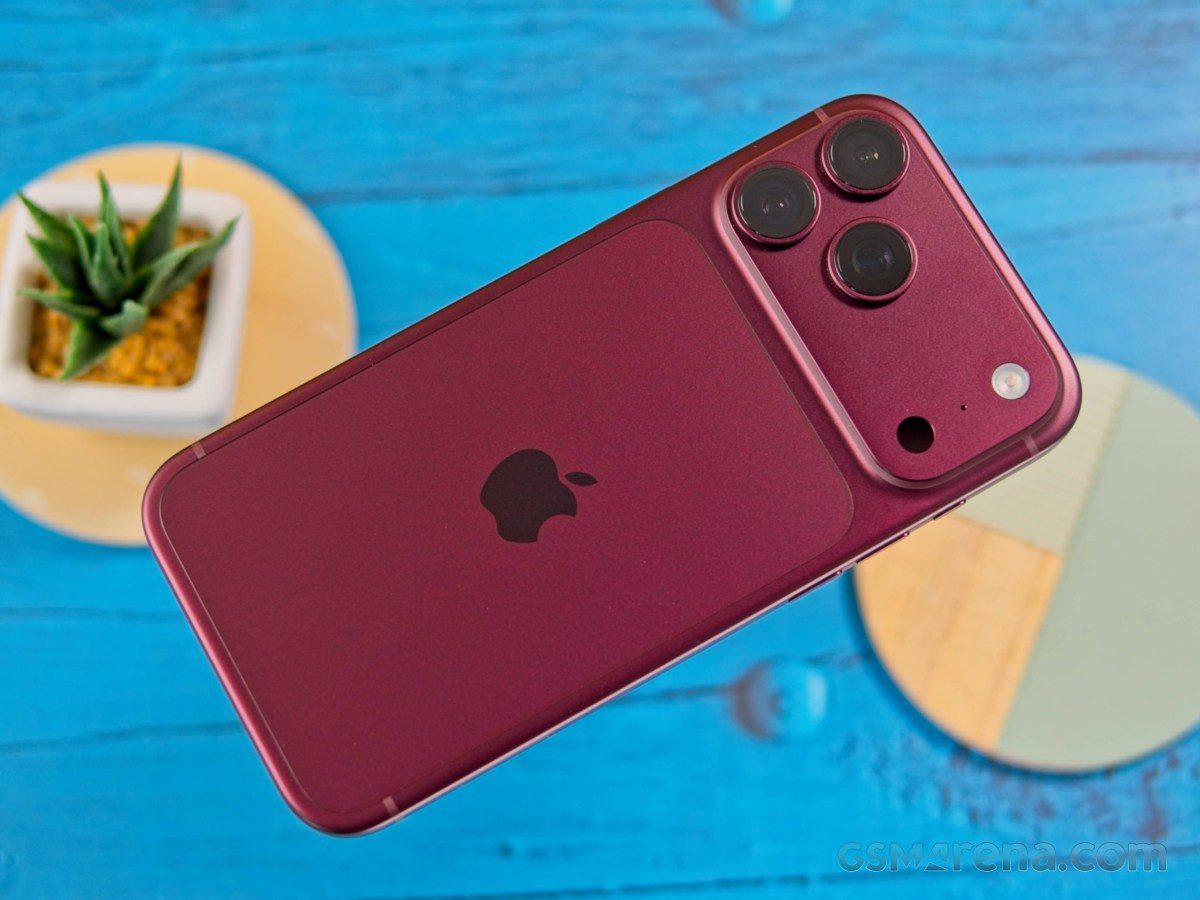
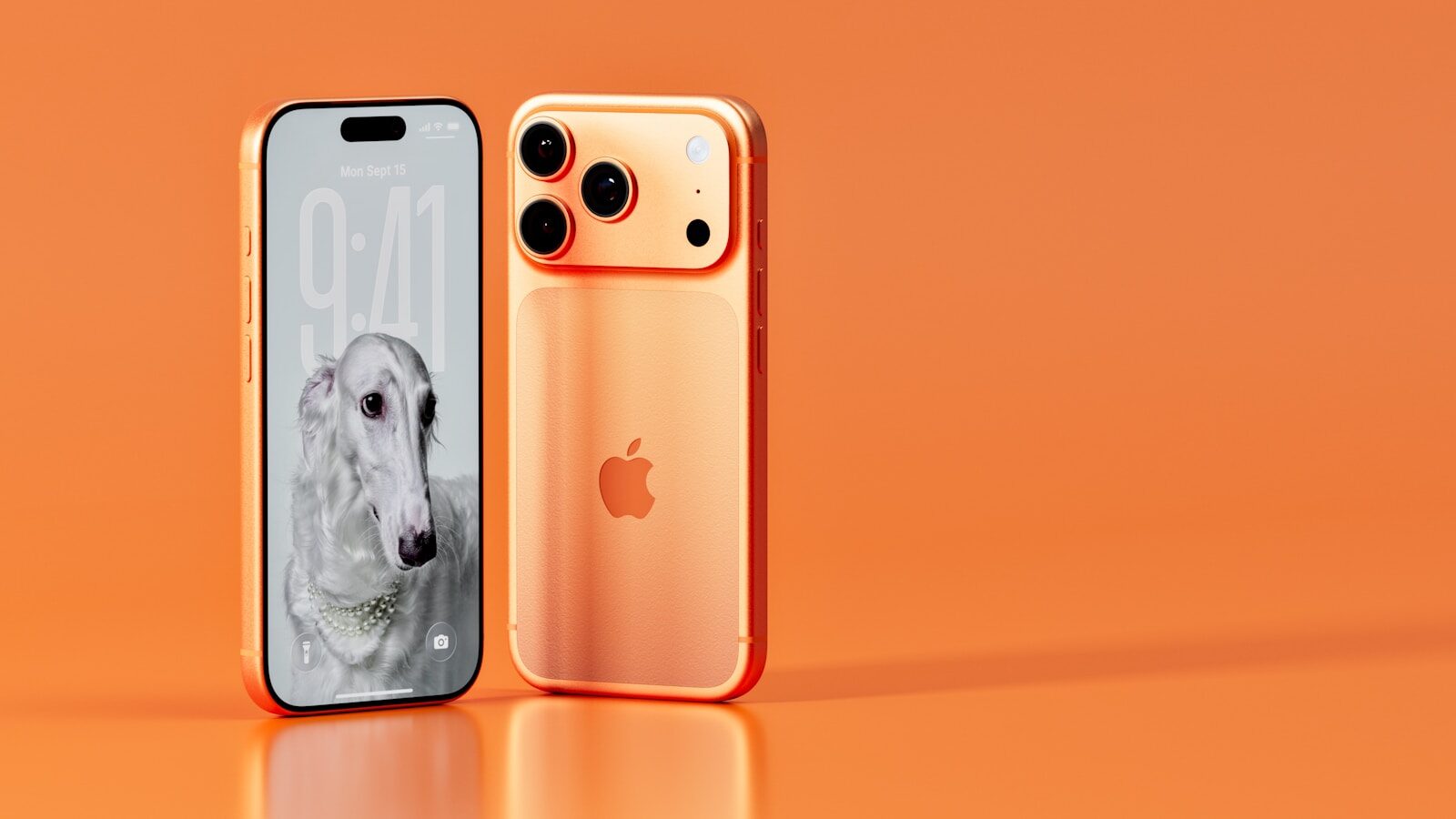
Apple’s iPhone 17 series is getting cheaper at major retailers just days before the company’s expected iPhone 18 launch, creating a potentially attractive opportunity for buyers who want a high-end iPhone without paying for the next generation.
The latest price cuts are particularly notable for the iPhone 17 Pro and iPhone 17 Pro Max. According to a new Forbes report, Amazon UK has increased its discount on both Pro models to £150 off their original launch prices, up from £100 off just a week earlier.
The discounts come at an interesting moment for Apple’s smartphone lineup. Apple is expected to hold its major September event on September 9, where the company is widely expected to introduce the iPhone 18 Pro and iPhone 18 Pro Max alongside a new foldable iPhone.
That timing is putting pressure on retailers to clear existing iPhone 17 inventory before the new generation arrives.
Amazon UK is currently offering one of the more significant reductions. The iPhone 17 Pro and iPhone 17 Pro Max are reportedly £150 cheaper than their launch prices, while the standard iPhone 17 has received a £100 reduction.
The iPhone Air 512GB has reportedly received an even larger £200 reduction at Amazon UK.
Other major UK retailers are also offering discounts, although their reductions are smaller. Currys and John Lewis are reportedly offering £100 off the iPhone 17 Pro and iPhone 17 Pro Max.
The discounting is not limited to the UK.
Several European retailers have also reduced prices on the iPhone 17 range. In Spain, MediaMarkt is reportedly selling the 256GB iPhone 17 Pro Max for €1,319, compared with its €1,469 launch price.
That represents a €150 reduction, equivalent to a little more than 10% below the original launch price.
Germany is also seeing reductions. MediaMarkt Germany reportedly has the iPhone 17 Pro listed at €1,179 and the iPhone 17 Pro Max at €1,329, with both models €120 below their previous prices.
Spanish retailer PcComponentes is also offering the iPhone 17 Pro for €1,229, representing a €90 saving.
The pattern suggests that retailers are becoming increasingly aggressive with iPhone 17 promotions as the September 9 Apple event approaches.
However, buyers should understand that these are primarily retailer-driven discounts rather than a broad official price reduction from Apple.
That distinction matters because Apple’s own pricing strategy may be very different from what individual retailers are offering.
The iPhone 17 Pro and Pro Max are also expected to have a different fate from the standard iPhone 17 once the new generation arrives.
Apple has historically discontinued its previous Pro models when the new Pro generation launches. If that pattern continues, the iPhone 17 Pro and iPhone 17 Pro Max could disappear from Apple’s official lineup shortly after the iPhone 18 Pro announcement.
That could make the current discounts particularly interesting for consumers who specifically want an iPhone 17 Pro Max.
Once Apple stops selling the model directly, remaining stock will increasingly depend on third-party retailers. Prices could fall further in some markets, but availability could also become more limited.
This creates a trade-off for buyers.
Waiting could potentially result in a larger discount if retailers become more aggressive with clearance sales. At the same time, waiting too long could mean losing access to a specific storage configuration or colour.
The situation is further complicated by expectations that the iPhone 18 Pro models could be more expensive.
Several reports have pointed to rising memory costs and broader component-price pressures as potential reasons for Apple’s next-generation smartphones to cost more.
The Economic Times, citing the Forbes report, said separate reports suggest the iPhone 18 Pro could be $100 to $200 more expensive than the iPhone 17 Pro. That would translate into a potential increase of roughly ₹10,000 to ₹20,000 when converted into Indian pricing terms, although the final Indian prices remain unconfirmed.
The possible price increase is one reason the current iPhone 17 Pro Max discounts could attract additional attention.
If the next-generation Pro Max launches at a significantly higher price, a discounted iPhone 17 Pro Max could become a more appealing option for buyers who care about premium hardware but do not necessarily need the newest generation.
However, consumers should not interpret the reported price forecasts as confirmed Apple pricing.
Apple has not officially announced the final retail prices of the iPhone 18 Pro and iPhone 18 Pro Max at the time of the latest reports.
The upcoming September event is expected to provide clarity.
Another unusual factor this year is Apple’s reported decision to split the iPhone 18 launch schedule.
The iPhone 18 Pro and Pro Max are expected to arrive during the September launch period, while the standard iPhone 18 is reportedly being delayed until spring 2027.
That would represent a major departure from Apple’s traditional strategy of releasing the standard and Pro iPhone models together in September.
If the reports prove accurate, consumers looking for a standard iPhone 18 will have to wait significantly longer.
This also affects the potential pricing of the iPhone 17.
Usually, when Apple introduces a new standard iPhone, the previous-generation standard model can receive an official price reduction. But if the iPhone 18 standard model does not arrive until 2027, Apple may have less reason to immediately reduce the price of the iPhone 17.
TechRadar recently noted that the iPhone 17 could remain the current standard model for some time, meaning an immediate official price reduction may not happen simply because the iPhone 18 Pro models launch in September.
The Pro models are a different story because their direct successors are expected to arrive this month.
For consumers in India, the situation is also slightly different.
Apple has not announced an official India price cut for the iPhone 17 Pro Max. The lower prices available through Indian retailers are primarily the result of retailer promotions and bank offers rather than a change in Apple’s own listed pricing.
Amazon and Flipkart have been offering discounts on iPhone 17 models, with additional savings sometimes available through eligible bank cards and promotional offers.
That means Indian shoppers should carefully compare the final checkout price rather than relying only on the advertised discount.
A retailer may show a large headline discount while the actual effective price depends on a particular payment method.
The timing is also important for Indian buyers who are considering purchasing an iPhone 17 Pro Max immediately.
If Apple follows its usual product strategy and discontinues the iPhone 17 Pro Max after the new Pro models launch, remaining inventory could become harder to find.
At the same time, retailers may become more aggressive with clearance pricing.
The best strategy could therefore depend on the buyer’s priorities.
Someone who wants the newest technology and plans to keep the phone for several years may benefit from waiting for the iPhone 18 Pro Max announcement.
A buyer who does not need the latest processor, camera system or design and simply wants a powerful premium iPhone at a lower price may find the iPhone 17 Pro Max increasingly attractive.
There is another factor that potential buyers should consider: trade-in values.
Forbes has warned that iPhone trade-in values can fall sharply around a new iPhone launch. The period between an Apple announcement and the actual retail release can be particularly important for people planning to sell or trade in an existing iPhone.
This means that someone upgrading from an older iPhone should calculate the total cost of the upgrade rather than looking only at the new phone’s sticker price.
For example, a lower purchase price on an iPhone 17 Pro Max could be offset partially by a weaker trade-in value for an older device.
On the other hand, a higher-priced iPhone 18 Pro could potentially retain stronger resale value over time.
The long-term value question will ultimately depend on the final specifications and pricing of the new models.
Rumours surrounding the iPhone 18 Pro generation point to several hardware improvements. Reports have suggested a new A20 Pro chip using a 2nm manufacturing process, camera improvements, a smaller Dynamic Island and other internal upgrades.
The iPhone 18 Pro Max is also expected to receive camera-related improvements, with some reports pointing toward a variable-aperture main camera.
These features remain subject to Apple’s official announcement and should not be treated as confirmed until the company reveals the device.
For buyers who are primarily interested in performance, the potential move to a 2nm processor could make the iPhone 18 Pro generation more appealing.
However, the practical difference for everyday users may not justify paying substantially more, particularly if the iPhone 17 Pro Max is already powerful enough for their needs.
The iPhone 17 Pro Max also remains a premium smartphone with a high-end display, advanced cameras and flagship-level performance.
For many consumers, the difference between two generations may be less important than the price gap.
This is where the current retailer discounts become significant.
A £150 discount on a premium iPhone may not sound enormous by itself, but it becomes more meaningful if the next-generation model launches at a considerably higher price.
The same logic applies in Europe, where the €150 reduction on the iPhone 17 Pro Max in Spain represents a substantial percentage of the phone’s original price.
Retailers are likely to continue adjusting prices as the September 9 event approaches.
However, there is no guarantee that every retailer will continue offering the same discounts after the launch.
Some retailers may lower prices further to clear inventory, while others could sell out their remaining units and remove the model from their stores.
This makes availability an important part of the buying decision.
The situation also illustrates a broader change in the smartphone market.
IDC has warned that smartphone prices are facing upward pressure, while component costs are increasing. Forbes has argued that although discounts will continue to appear, consumers should not assume that flagship smartphones will become consistently cheaper.
For consumers, this means that a previous-generation flagship at a discounted price could increasingly become an attractive alternative to paying a premium for the newest model.
The iPhone 17 Pro Max may be one example of that trend.
For now, the biggest immediate development is the new round of retailer discounts in the UK and Europe.
Amazon UK has reportedly pushed the iPhone 17 Pro and Pro Max to £150 below launch pricing, while European retailers are offering reductions of up to €150 on selected configurations.
The discounts are arriving just days before Apple’s expected September 9 event, making the timing particularly significant.
For buyers considering the iPhone 17 Pro Max, the decision ultimately comes down to priorities.
If having the newest iPhone is important, waiting for the iPhone 18 Pro Max announcement makes sense. If price is the priority and the iPhone 17 Pro Max already meets the buyer’s needs, the current retailer discounts could represent one of the final opportunities to purchase the model new before it disappears from Apple’s official lineup.
Indian consumers should be particularly careful to distinguish retailer discounts from official Apple price cuts. Current lower prices in India are mainly being driven by sellers and bank promotions, while Apple’s official pricing has not been reduced in the same way seen at some UK and European retailers.
The next major moment will come on September 9, when Apple is expected to reveal its new Pro lineup and provide official details about pricing, availability and the company’s unusual split-release strategy.
Until then, the iPhone 17 Pro Max has become an increasingly interesting proposition for anyone looking for a premium Apple smartphone at a reduced price.
With the current generation approaching the end of its official sales cycle, buyers now have a relatively narrow window to decide whether they want to take advantage of the existing discounts or wait for Apple’s next generation and potentially pay considerably more.