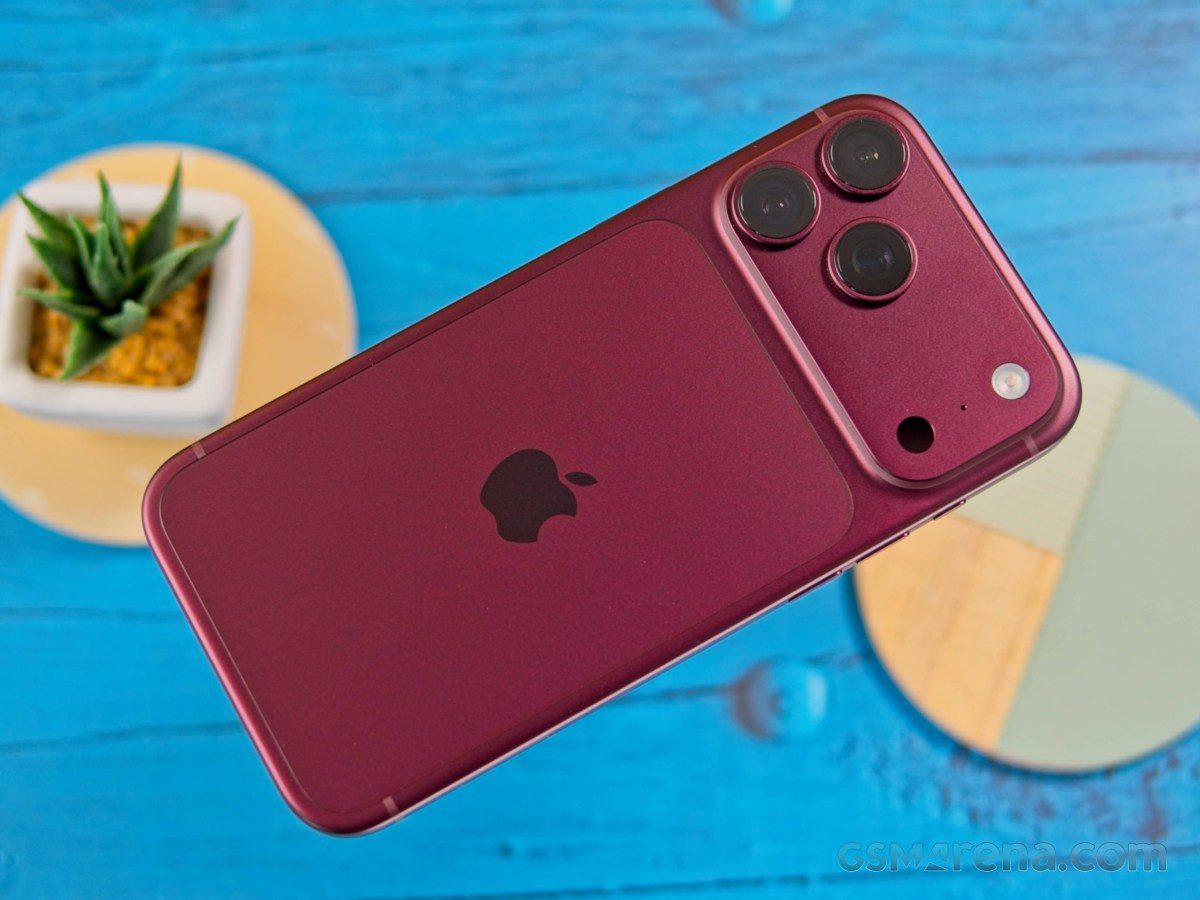
The Apple Stock UBS Neutral Rating was reiterated on September 23, 2026, as UBS maintained its Neutral view on Apple Inc. and kept its price target at $296. The latest assessment comes from UBS Evidence Lab data tracking iPhone availability across more than 30 global markets. The data showed some improvement in iPhone 18 Pro and Pro Max wait times compared with the previous week, although regional differences remain significant.
The Apple Stock UBS Neutral Rating comes at a time when Apple shares are trading substantially above the investment bank’s stated price target. Apple was trading around $338.21 in the latest report, while the stock had recently reached a record high of $344.94. The company also crossed a $5 trillion market capitalisation milestone earlier in the week, according to Investing.com.
The latest Apple Stock UBS Neutral Rating assessment is closely linked to delivery and availability data for the company’s newest iPhone models. UBS tracks waiting periods for Apple’s smartphones across more than 30 geographies to assess early demand following product launches. According to the latest data, average wait times increased by approximately three days for the iPhone 18 Pro and two days for the iPhone 18 Pro Max compared with the previous week.
The movement in wait times provides a different picture from the initial data released after the iPhone 18 launch. Earlier in September, UBS had reported that average waiting periods for the Pro and Pro Max models were shorter than those for the previous generation. At that stage, the iPhone 18 Pro had an average wait time of about 16 days, while the Pro Max averaged around 23 days, both roughly two days shorter year over year.
The latest Apple Stock UBS Neutral Rating report suggests that demand may be improving at the margin outside some key markets. UBS said year-over-year average wait-time differences for both the Pro and Pro Max had improved to approximately negative one day, compared with an initial negative two-day difference reported the previous week. Excluding China, year-over-year wait times were described as broadly flat across regions.
China remains an important factor in the Apple Stock UBS Neutral Rating analysis. UBS said wait times were essentially unchanged week over week for the iPhone 18 Pro in China and for the Pro Max in both China and Japan. Earlier data had shown considerably shorter wait times in China compared with the previous year’s models, making the Chinese market an important part of the demand discussion.
The Chinese market may also be affected by Apple’s upcoming foldable device. Earlier UBS analysis noted that some consumers could be waiting for the iPhone Duo, Apple’s first foldable smartphone, before deciding whether to purchase another model. The device is scheduled to become available later in 2026, which could make early iPhone 18 demand data more difficult to interpret.
The Apple Stock UBS Neutral Rating therefore reflects a combination of improving short-term availability trends and uncertainty surrounding the strength of underlying demand. UBS’s latest data does not indicate that demand has collapsed, but the bank continues to maintain a Neutral rating while monitoring how consumers respond to the new product lineup.
The latest waiting-time figures also provide comparisons across Apple’s different Pro models. According to UBS, the average waiting period for the iPhone 18 Pro Max was approximately 24 days, compared with about 25 days for the iPhone 17 Pro Max and 23 days for the iPhone 16 Pro Max. For the iPhone 18 Pro, the average was approximately 17 days, compared with 18 days for the iPhone 17 Pro and 17 days for the iPhone 16 Pro.
These figures are being closely watched because delivery times can provide an early indication of the balance between customer demand and available supply. However, wait times alone do not provide a complete picture of Apple’s sales performance. Production capacity, inventory, regional supply allocation and consumers delaying purchases for upcoming products can all influence delivery periods.
The Apple Stock UBS Neutral Rating also follows a period of strong share-price performance for Apple. The company’s stock recently reached an all-time high of $344.94, while its market capitalisation moved above $5 trillion. The strong share performance means that investor expectations around Apple’s future earnings and product demand remain an important part of the market discussion.
UBS’s $296 price target is therefore considerably below the market price cited in the latest report. However, the target should be understood as the bank’s analyst estimate rather than a guaranteed future share price. Other Wall Street analysts have different views on Apple, illustrating the range of expectations surrounding the company’s iPhone business and valuation.
The Apple Stock UBS Neutral Rating also contrasts with more positive views from some other analysts. Evercore ISI, for example, raised its Apple price target to $380 in September, citing consumer interest in the iPhone 18 Pro and Pro Max models. Bank of America also maintained a higher $370 price target. These differing estimates reflect different assumptions about demand, pricing, product cycles and Apple’s future earnings.
Another issue being considered in the Apple Stock UBS Neutral Rating analysis is the pricing of the latest iPhone generation. UBS previously identified higher average selling prices as one factor that could influence early demand. Consumers may be more selective when upgrading if the latest models offer incremental rather than major changes compared with previous generations.
The iPhone 17 lineup also provides an important comparison. UBS analysts previously suggested that strong demand for the previous generation could partly explain why early waiting periods for the iPhone 18 Pro models were not substantially longer. If customers who recently purchased an iPhone 17 are delaying another upgrade, launch-period demand may appear different from previous product cycles.
The Apple Stock UBS Neutral Rating is also being assessed against Apple’s broader product strategy. The iPhone remains central to Apple’s business, while the company continues to expand its services, wearables and other hardware categories. The upcoming foldable iPhone could create another product cycle, but its premium starting price may influence how many additional units it contributes to Apple’s overall smartphone sales.
UBS’s latest assessment suggests that the demand picture is not uniform across markets. The improvement in week-over-week wait times for the Pro and Pro Max models indicates some strengthening at the margin, while the relatively weak year-over-year comparisons in certain markets continue to warrant monitoring. China remains particularly important because of both Apple’s competitive position there and the potential impact of customers waiting for the foldable model.
The Apple Stock UBS Neutral Rating also highlights why analysts often compare current waiting periods with the same period a year earlier rather than relying only on week-to-week movements. Year-over-year comparisons can help account for normal launch patterns and provide a broader indication of whether consumers are ordering new devices at a faster or slower pace than during the previous product cycle. UBS has specifically described year-over-year comparisons as more meaningful for assessing underlying demand.
At the same time, waiting-time data should not be interpreted as a direct measure of Apple’s quarterly revenue. Apple reports actual sales and financial results through its earnings releases, while third-party tracking services provide indicators that analysts use to develop their expectations. The eventual sales figures will provide a more comprehensive assessment of iPhone 18 demand.
The Apple Stock UBS Neutral Rating comes as investors also monitor Apple’s upcoming product launches and developments beyond the standard iPhone lineup. The foldable iPhone Duo is expected to enter the market later in 2026, potentially giving Apple access to a segment where competitors such as Samsung have already established products. The success of the new form factor could influence Apple’s future smartphone mix.
Apple’s record market valuation adds another dimension to the Apple Stock UBS Neutral Rating discussion. When a company’s shares trade near record levels, analysts typically examine whether future earnings growth can support the existing valuation. UBS’s Neutral stance indicates that its current assessment does not justify a more positive rating based on the factors it is monitoring, while other analysts have reached different conclusions.
The latest data nevertheless contains some positive signals for Apple. Average wait times for the iPhone 18 Pro and Pro Max increased compared with the previous week, while year-over-year differences became less negative. UBS described the developments as potentially indicating improving demand trends on the margin.
The Apple Stock UBS Neutral Rating should therefore be viewed in the context of evolving launch data rather than as a final assessment of the iPhone 18 product cycle. Wait times can change quickly as supply catches up with demand, launch excitement changes and consumers make purchasing decisions around other upcoming products.
For investors and technology watchers, the coming weeks will provide more information about whether the improvement in wait times develops into stronger sales momentum. Apple’s actual unit demand, revenue from the iPhone segment, regional performance and consumer response to the foldable iPhone will be among the factors that could influence future analyst assessments.
The Apple Stock UBS Neutral Rating remains unchanged at $296 despite the recent improvement in iPhone wait-time data. UBS’s latest assessment indicates that the bank sees some improvement in demand trends but continues to maintain a cautious position while monitoring regional differences, particularly in China.
Apple’s stock performance and UBS’s price target currently tell different stories: Apple is trading near its record level, while UBS’s stated target remains below the current market price. Other analysts have issued substantially different targets, meaning the investment community remains divided over Apple’s future growth and valuation.
As more sales data becomes available, the Apple Stock UBS Neutral Rating could be reassessed based on actual iPhone 18 demand rather than early delivery indicators alone. For now, UBS’s latest report points to marginally better wait-time trends while maintaining its Neutral rating and $296 price target for Apple.