Afghanistan is facing a worsening drought and water crisis that is putting farmers, rural families and the country’s food supply under growing pressure. Across several provinces, declining rainfall, depleted groundwater and repeated dry spells have left agricultural communities struggling to find enough water for crops and livestock.
For many Afghan farmers, the crisis is no longer simply a seasonal problem. Water shortages are increasingly affecting their ability to cultivate land, maintain livestock and earn enough income to support their families.
The United Nations has warned that drought and water scarcity are among Afghanistan’s most serious environmental challenges. More than half of the country’s population is affected by water scarcity, while prolonged dry periods are placing severe pressure on agriculture, which remains a major source of livelihood for rural communities.
The situation is particularly difficult in northern, western and southern parts of the country. Farmers in provinces including Herat, Kandahar, Helmand, Nimroz, Uruzgan, Balkh and several northern regions have reported declining water availability and crop losses.
In some farming areas, wells that once provided sufficient water are now drying up or producing significantly less water. Traditional irrigation systems are also under increasing pressure as groundwater levels fall.
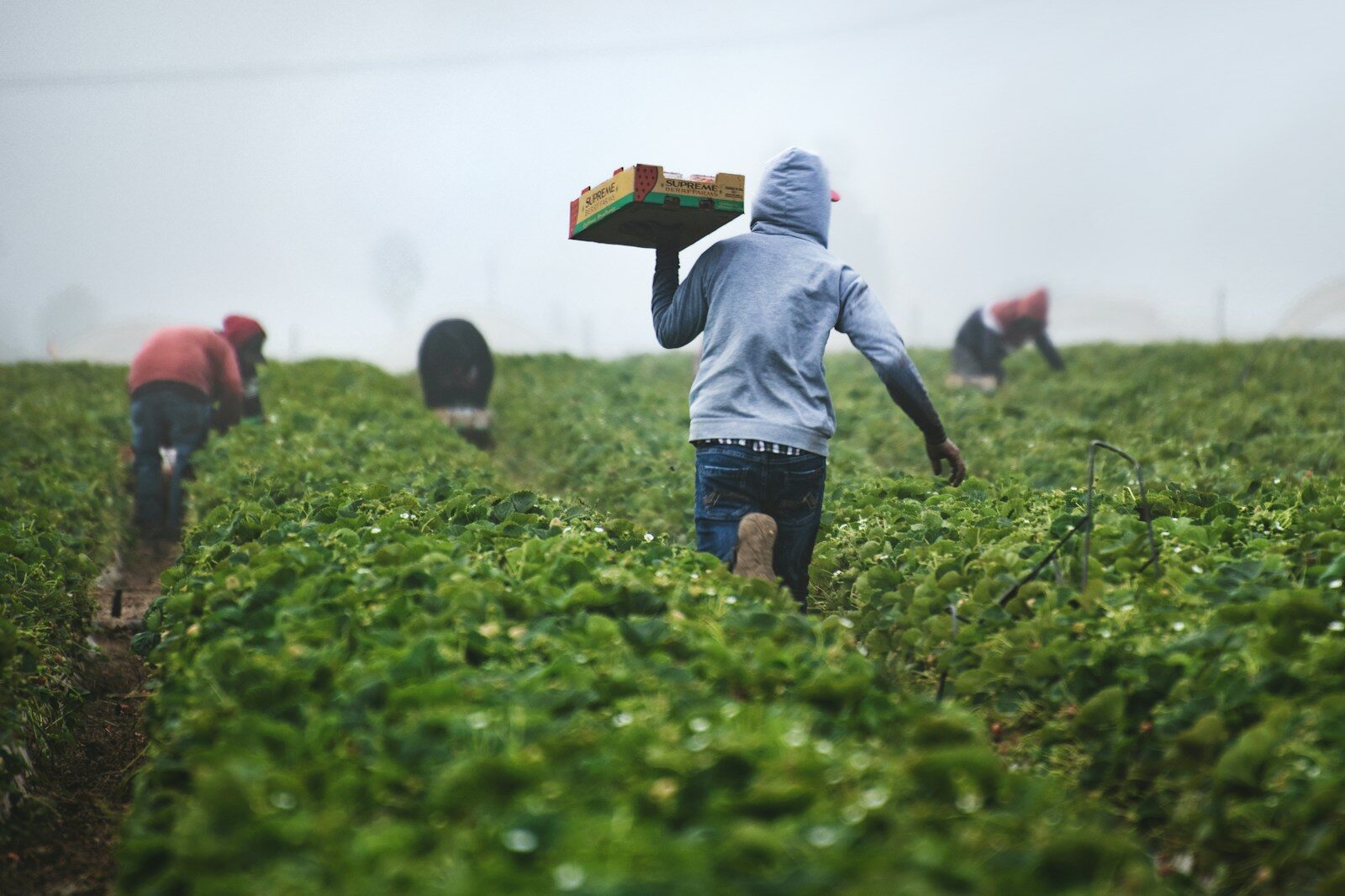
For farmers, the consequences are immediate. Without reliable water, planting crops becomes increasingly risky. Even when farmers manage to sow their fields, insufficient water can reduce yields or destroy crops before harvest.
A national drought survey involving more than 1,000 farmers across 30 provinces found that more than 80 percent of respondents had been directly affected by drought. Around 70 percent reported that their irrigation water sources had either significantly decreased or dried up completely.
Wheat has been among the crops most severely affected. The crop is particularly important because it is one of Afghanistan’s main food staples and plays a central role in household food security.
The same survey found that a large majority of farmers had experienced reduced agricultural production or complete crop failure because of drought.
The economic consequences are equally serious. When crops fail, farmers lose not only food but also the income they would normally earn from selling agricultural produce.
Many rural households already live with limited financial resources. A poor harvest can therefore push families deeper into debt and poverty.
Some farmers have been forced to dig deeper wells in an attempt to reach groundwater. Others have changed the crops they grow or considered leaving farming altogether.
But digging a new well is not an affordable solution for everyone. The cost of drilling, installing pumps and maintaining irrigation equipment can be beyond the reach of poor farming families.
This has created a difficult cycle. As surface water disappears, farmers increasingly depend on groundwater. Increased groundwater extraction then places additional pressure on already declining underground water reserves.
Afghanistan’s traditional irrigation systems are also being affected.
Systems such as karezes, which use underground channels to transport groundwater, have historically been important to rural communities. Falling groundwater levels and prolonged drought are making many of these systems less reliable.
The problem extends beyond agriculture.
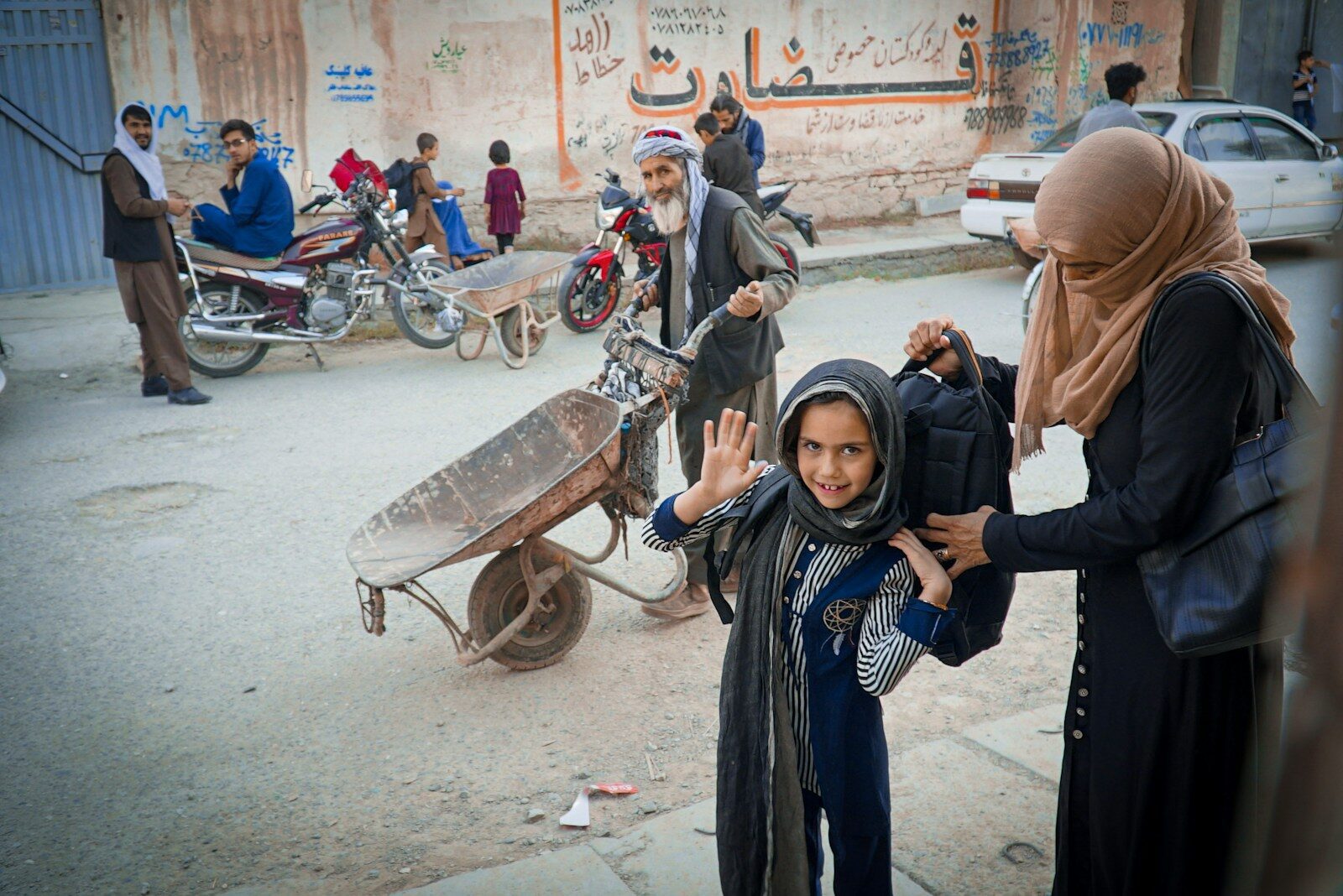
Water scarcity affects drinking water, sanitation, livestock, household health and food security. In many rural communities, families have to travel longer distances to collect water.
Women and children often carry a significant part of this burden, particularly in communities where households lack reliable piped water supplies.
The International Committee of the Red Cross has reported that water is becoming increasingly difficult for Afghan families to access and afford. Declining rainfall, drought, groundwater depletion, population growth and the return of Afghans from neighbouring countries are all adding pressure to already strained water systems.
The situation has also become more complicated because Afghanistan continues to face a severe humanitarian and economic crisis.
Millions of people remain dependent on humanitarian assistance, while poverty and unemployment limit the ability of households to cope with environmental shocks.
The World Food Programme estimates that 17.4 million people in Afghanistan are projected to face severe food insecurity in 2026. The agency has also warned of extremely high levels of malnutrition among women and children.
A prolonged drought can make this situation worse by reducing domestic food production and increasing dependence on food imports and humanitarian aid.
Farmers are therefore not only fighting to protect their livelihoods. Their ability to produce food has implications for the wider population.
The Taliban authorities have recognised the seriousness of the water crisis and have promoted the construction of dams and irrigation projects as part of their response.
Several water infrastructure projects have been launched or supported in different parts of Afghanistan.
One example is the construction of the Inzergai Check Dam in Kandahar province. The project is designed to capture seasonal floodwater, reduce destructive runoff and recharge groundwater.
The project is expected to benefit hundreds of surrounding villages and is intended to improve long-term water availability for farming communities.
Such projects demonstrate that water infrastructure can provide practical assistance to drought-affected areas. However, the scale of Afghanistan’s water crisis is much larger than any individual dam or irrigation project.
Farmers need reliable water over multiple growing seasons, while groundwater reserves need time to recover.
Climate change is making the challenge even more difficult.
Afghanistan is considered one of the countries most vulnerable to climate change despite contributing very little to global greenhouse gas emissions.
Increasing temperatures, changing rainfall patterns and more frequent extreme weather events are affecting agricultural production.
The country has experienced not only droughts but also destructive flash floods. This creates a particularly difficult situation for farmers.
A community can suffer from severe water shortages for months and then experience damaging floods when intense rainfall finally arrives.
Such unpredictable weather makes traditional farming practices increasingly difficult.
Farmers cannot easily determine when to plant crops, how much land to cultivate or how much water will be available during the growing season.
In eastern Afghanistan, communities have reported increasingly unpredictable river behaviour. Some rivers have dried when farmers needed water but later flooded agricultural land during periods of heavy rainfall.
This combination of drought and flooding demonstrates the wider climate challenge facing the country.
Afghanistan’s water crisis is also connected to its rivers and shared water resources.
The country has several major river basins that cross international borders. The Helmand River, for example, flows toward Iran and has been at the centre of a long-running dispute between the two countries.
Severe drought has made the issue more sensitive because both Afghanistan and Iran need water for agriculture and communities.
Afghan farmers living along the Helmand River have pointed out the irony of seeing water flowing through the river while their fields remain dry because they lack sufficient irrigation infrastructure to bring that water to their farmland.
This is one of the central challenges facing Afghanistan’s agricultural sector.
The country may have rivers and seasonal water flows, but inadequate infrastructure prevents much of that water from being stored and distributed efficiently.
Building dams and irrigation canals could help farmers, but such projects require significant investment, technical expertise and long-term maintenance.
They can also create tensions with neighbouring countries that depend on the same rivers.
The Taliban government has repeatedly promoted water infrastructure as a national development priority.
However, Afghanistan’s ability to finance large-scale projects remains limited because of its economic isolation and reduced access to international financing.
International development agencies continue to support smaller water and climate-resilience projects, particularly those designed to help vulnerable rural communities.
These include check dams, water-storage systems, irrigation improvements and projects aimed at recharging groundwater.
Such initiatives can make a meaningful difference locally, but experts warn that Afghanistan needs a broader and coordinated water-management strategy.
The country needs better monitoring of groundwater, improved irrigation efficiency, protection of watersheds and stronger systems for managing drought.
Farmers also need access to drought-resistant seeds and agricultural techniques that require less water.
Changing crop patterns could become increasingly important in areas where traditional crops can no longer be grown reliably.
However, changing crops also carries financial risks. Farmers need access to markets, information and affordable inputs before they can safely change what they produce.
Livestock farmers face another set of challenges.
Drought reduces pasture and water availability, making it harder to maintain cattle, sheep and goats. When animals become weak or die, families lose another important source of food and income.
Some households have been forced to sell livestock at low prices because they cannot afford to keep animals without sufficient water and feed.
This can leave families with fewer assets to recover after the drought ends.
The impact can also contribute to migration.
When agriculture becomes impossible, rural families may move to cities or other regions in search of work and water.
Afghanistan has already experienced large-scale displacement for decades because of conflict, natural disasters and economic hardship. Climate-related displacement can add another layer of pressure.
The return of Afghans from neighbouring countries is also increasing pressure on water and food systems in some areas.
More people require access to drinking water, housing, farmland and employment at a time when existing resources are already limited.
This makes water management not only an environmental issue but also an economic and social challenge.
The drought is particularly concerning because Afghanistan’s rural economy depends heavily on agriculture.
When farms fail, the effects spread beyond individual households. Local markets lose business, agricultural workers lose employment and food prices can rise.
A prolonged reduction in domestic production can also increase the country’s dependence on imported food.
For a country already facing a major humanitarian crisis, that dependence creates additional vulnerability.
The situation also highlights the importance of international assistance.
Humanitarian organisations are providing water, food and other support to affected communities, but funding shortages remain a major concern.
As global attention moves to other crises, Afghanistan continues to face significant humanitarian needs.
The combination of drought, poverty, food insecurity and limited infrastructure makes it difficult for communities to recover without sustained assistance.
For Afghan farmers, however, emergency aid alone cannot solve the underlying problem.
They need dependable irrigation, functioning water-storage systems, access to groundwater and agricultural support that allows them to remain productive over the long term.
Water conservation will also become increasingly important.
Traditional irrigation methods can lose significant amounts of water through evaporation and leakage. Improving canals and introducing more efficient irrigation techniques could help farmers produce more with limited supplies.
Protecting watersheds and preventing deforestation can also support groundwater recharge and reduce soil erosion.
The Taliban authorities face a difficult challenge in balancing immediate humanitarian needs with long-term water planning.
They need to respond to farmers who are already facing crop failures while also preparing for future climate conditions that could make drought more frequent.
The crisis is unlikely to disappear after a single rainy season.
Even if rainfall improves temporarily, depleted groundwater reserves and damaged agricultural systems can take years to recover.
This is why experts increasingly view Afghanistan’s water shortage as a structural crisis rather than a temporary weather problem.
The country’s geography makes the situation particularly difficult.
Large areas are mountainous, while other regions are arid or semi-arid. Infrastructure connecting rural communities is limited, and many farming areas depend on seasonal water sources.
Climate change is adding further uncertainty to these existing challenges.
The drought also creates risks for Afghanistan’s fragile food system.
Wheat production is particularly important because it forms a major part of the Afghan diet. A major reduction in wheat harvests can increase the need for imports and humanitarian food assistance.
If farmers continue losing crops year after year, some may permanently abandon agriculture.
That would reduce the country’s domestic food-production capacity and increase dependence on external supplies.
For communities already struggling with poverty, the consequences could be severe.
The water crisis is therefore not simply about empty wells or dry fields. It is connected to food security, employment, migration, health and social stability.
There are also potential security implications.
Competition over scarce water can increase tensions between communities, particularly in areas where several groups depend on the same rivers, wells or irrigation systems.
At the regional level, water shortages can also complicate relations between Afghanistan and its neighbours.
The Helmand River dispute with Iran demonstrates how climate pressure can intensify existing disagreements over shared water resources.
As drought becomes more severe, countries may face greater pressure to protect their own water supplies.
This makes regional cooperation increasingly important.
Afghanistan’s neighbours and international organisations have an interest in improving water management because environmental crises do not stop at national borders.
Better data sharing, river monitoring and agreements on water use could reduce the risk of future disputes.
For Afghanistan’s farmers, the priority remains much simpler: they need water to grow crops.
Many are watching their fields dry out while wondering whether the next season will be any better.
The drought has already forced some farmers to reduce cultivation, dig new wells, change crops or consider leaving agriculture.
For those who remain, every rainfall now carries greater importance.
The country’s future agricultural stability will depend heavily on whether water resources can be managed more effectively and whether farmers receive enough support to adapt to a changing climate.
The Taliban authorities have taken steps toward expanding dams and water infrastructure, but the scale of the challenge means much more will be required.
International organisations have also stressed the importance of sustainable water management and climate adaptation.
The coming years will determine whether Afghanistan can build enough resilience to protect its rural economy from increasingly severe drought conditions.
For now, farmers across the country continue to face a painful reality: water that once supported their crops is becoming harder to find.
As wells dry, rivers become unreliable and rainfall patterns become more unpredictable, Afghanistan’s agricultural communities are being pushed deeper into uncertainty.
The drought is already affecting food production, household incomes and livestock, while millions of people remain vulnerable to food insecurity.
Unless water management, agricultural resilience and climate adaptation improve significantly, the country’s farmers could face an increasingly difficult future.
Afghanistan’s water crisis is therefore emerging as one of the most serious threats to its rural economy and food security. For farmers living under prolonged drought, the demand is straightforward but increasingly difficult to meet — reliable access to water to keep their fields, livestock and families alive.