
Hot News

# Constipation After Antibiotics: Why It Happens, What Helps and When to Worry Antibiotics are important medicines that help treat many bacterial infections, but they can sometimes temporarily change the way your digestive system works. Most people associate antibiotics with diarrhea, but **constipation after antibiotics can also happen**. You may notice fewer bowel movements, harder stools, bloating, gas or a feeling that your bowel movements are not as regular as usual. Why does this happen? Antibiotics can alter the community of microorganisms living in your digestive tract. At the same time, being sick, changing your diet, drinking less fluid, becoming less active or taking other medications can all affect your bowel movements. The good news is that constipation after a course of antibiotics is often temporary. However, persistent constipation, severe abdominal symptoms or signs of another digestive problem should not simply be blamed on the antibiotic. ## Can Antibiotics Cause Constipation? Yes, **antibiotics can contribute to changes in bowel habits, including constipation**, although diarrhea is a more commonly recognized digestive side effect. Antibiotics work by targeting bacteria involved in infections. They can also affect some of the bacteria that normally live in the digestive tract. These changes may temporarily alter digestion and bowel function. However, constipation after antibiotics is not always caused directly by the medicine. Other factors surrounding an illness can be just as important. For example, you may have been: * Eating less than usual * Drinking less fluid * Spending more time in bed * Exercising less * Taking iron supplements * Taking opioid pain medication * Using certain antacids * Following a different diet * Experiencing stress because of illness All of these factors can contribute to constipation. ## Why Can Constipation Happen After Taking Antibiotics? There is usually more than one possible explanation. ### Antibiotics Can Change the Gut Microbiome Your digestive tract contains a large community of microorganisms known collectively as the **gut microbiome**. These microorganisms interact with food, digestion and other processes in the intestines. Antibiotics can change the composition and balance of this microbial community. The effects vary depending on the specific antibiotic, dose, duration and individual. For some people, these changes may temporarily affect bowel habits. It is important not to assume that every change in bowel movement after antibiotics is caused by “bad gut bacteria.” The digestive system is complex, and several factors can overlap. ### Illness Can Change Your Normal Routine Sometimes the infection itself is a bigger contributor than the antibiotic. When you’re sick, you may eat differently, drink less, sleep more and move less. If you spend several days resting in bed and consuming fewer fiber-rich foods and fluids, constipation can develop. ### Other Medicines May Be Involved People taking antibiotics are sometimes also taking medicines for fever, pain, nausea, allergies or other symptoms. Some medications can slow bowel movements. Opioid pain medicines are a particularly common cause of constipation. Certain antacids, iron supplements and other medicines can also contribute. If constipation started after you began several medicines at the same time, ask a doctor or pharmacist which ones may be contributing. ## What Does Constipation After Antibiotics Feel Like? The symptoms are generally similar to other types of constipation. You may experience: * Fewer bowel movements than usual * Hard or dry stool * Straining * Pain or discomfort when passing stool * A feeling that you have not completely emptied your bowel * Bloating * Gas * Abdominal fullness * Mild abdominal discomfort You do not have to poop every day to have a healthy bowel pattern. What matters is whether your bowel movements have become unusually infrequent or difficult compared with your normal pattern. ## How Long Does Constipation After Antibiotics Last? There is no exact timeline. Some people notice their bowel habits returning to normal soon after finishing treatment. For others, changes can last longer, particularly if their diet, activity level or other medications have also changed. If constipation continues after the antibiotic course is finished, don’t automatically assume the antibiotic is still the cause. Persistent constipation may have another explanation and deserves attention. ## What Can You Do for Constipation After Antibiotics? If your symptoms are mild and you otherwise feel well, basic constipation measures may help. ### Increase Fiber Gradually Fiber helps add bulk to stool and can support regular bowel movements. Try including foods such as: * Oats * Whole grains * Lentils * Beans * Chickpeas * Pears * Apples with the skin * Oranges * Berries * Vegetables * Nuts * Seeds Adults generally need around **22 to 34 grams of fiber per day**, depending on age and sex. If your diet has been low in fiber, increase it gradually rather than suddenly adding large amounts. A rapid increase can worsen gas and bloating. ### Drink Adequate Fluids Make sure you are drinking enough fluids for your individual needs. This is especially important when increasing fiber because fiber works best when paired with adequate fluid intake. You do not need to force excessive amounts of water. If you have been instructed to restrict fluids because of a medical condition, follow your healthcare professional’s advice. ### Start Moving Again If you’ve been resting because of an illness, gradually returning to normal physical activity may help your bowel function. Even a walk can be a useful starting point if you are well enough to exercise. Don’t push yourself if you’re still recovering from an infection. ### Don’t Ignore the Urge If you feel the need to poop, try to use the bathroom rather than repeatedly postponing it. Regularly ignoring the urge can make bowel habits harder to manage. ### Try a Regular Bathroom Routine Many people find it useful to sit on the toilet after breakfast or another meal. Eating naturally stimulates activity in the digestive tract. Give yourself enough time and try to relax rather than straining forcefully. ### Consider Your Toilet Position Placing your feet on a small footstool may make passing stool more comfortable. The goal is to position your knees slightly higher than your hips and allow the pelvic muscles to relax. ## Should You Take Probiotics After Antibiotics? Probiotics are live microorganisms found in certain foods and supplements. They are often promoted as a way to “restore” gut bacteria after antibiotics. However, probiotics are not a universal solution for every digestive symptom, and different probiotic strains can have different effects. Some people may benefit from specific probiotic products in particular circumstances, while others may notice no meaningful difference. If you’re considering a probiotic supplement, ask a healthcare professional or pharmacist whether it is appropriate for you, particularly if you have a weakened immune system or a serious underlying illness. You do not necessarily need a probiotic supplement simply because you completed an antibiotic course. ## What About Yogurt and Fermented Foods? Foods such as yogurt containing live cultures and certain fermented foods may be part of a healthy diet. They can provide microorganisms and nutrients, but they should not be viewed as a guaranteed treatment for constipation. If you tolerate these foods, they can be included alongside a balanced diet containing adequate fiber and fluids. If dairy products cause you bloating or discomfort, choose other foods instead. ## Should You Stop Your Antibiotic If You Become Constipated? **No. Do not stop a prescribed antibiotic simply because you develop constipation unless your healthcare professional tells you to do so.** Stopping antibiotics early or changing the schedule without medical advice can interfere with treatment. If you believe the antibiotic is causing significant side effects, contact the prescribing clinician or pharmacist. They can determine whether you should continue, change or stop the medicine. Never use leftover antibiotics from a previous illness. ## Can Antibiotics Cause Constipation and Diarrhea at the Same Time? Bowel changes after antibiotics can sometimes be confusing. You may experience loose stool at one point and constipation at another, particularly if your diet, hydration and activity level have changed. There is also a condition called **overflow diarrhea**, in which liquid stool passes around a large amount of impacted stool. If you have watery stool but also feel blocked, severely bloated or unable to properly empty your bowel, don’t assume the watery stool means your constipation has resolved. A healthcare professional should assess persistent or unusual symptoms. ## Antibiotics, Constipation and C. difficile: What Should You Know? One important reason not to ignore significant bowel changes after antibiotics is the possibility of **Clostridioides difficile**, commonly called C. difficile. Antibiotic use can increase the risk of C. difficile infection, which more commonly causes diarrhea, abdominal pain and fever rather than simple constipation. If you develop frequent watery diarrhea, significant abdominal pain, fever or other concerning symptoms during or after antibiotic treatment, seek medical advice promptly. Do not try to diagnose or treat a possible antibiotic-associated infection at home. ## Can Antibiotics Cause Severe Constipation? Severe constipation after antibiotics is possible, but it should not automatically be assumed to be a normal medication side effect. If constipation becomes severe, healthcare professionals may need to consider other causes, including: * Dehydration * Medication side effects * Fecal impaction * Changes in diet * Reduced physical activity * Underlying digestive disorders * Intestinal obstruction or other medical problems The presence of severe symptoms matters more than simply knowing that you recently took an antibiotic. ## When Should You See a Doctor? Contact a healthcare professional if constipation is persistent, repeatedly returns or does not improve with reasonable self-care. You should also discuss constipation with a doctor or pharmacist if you are taking multiple medicines or supplements and are unsure which one may be responsible. ### Seek Urgent Medical Attention If You Have: * Severe or constant abdominal pain * Significant abdominal swelling * Repeated vomiting * Inability to pass gas * Blood in your stool * Black or tarry stool * Fever with significant abdominal symptoms * Severe weakness or dehydration * A sudden worsening of symptoms These symptoms may indicate a problem that needs prompt evaluation. ## Can Constipation After Antibiotics Lead to Fecal Impaction? Prolonged constipation can sometimes cause **fecal impaction**, where hard stool becomes lodged in the rectum or colon. Possible symptoms include: * Increasing abdominal discomfort * Bloating * Difficulty passing stool * A sensation of blockage * Small amounts of stool passing without proper relief * Watery stool leaking around the impacted stool If you suspect an impaction, do not attempt to manually remove the stool yourself. Seek medical care so the problem can be evaluated and treated safely. ## How to Get Your Bowel Routine Back After Antibiotics Once you have recovered from your infection, focus on gradually returning to your normal habits. ### Return to Regular Meals If you have been eating very little, gradually return to balanced meals. Include fiber-rich foods as tolerated. ### Rebuild Your Activity Level If illness kept you inactive, gradually return to your usual movement. ### Keep Your Fluid Intake Consistent Avoid long periods without drinking, particularly in hot weather or when recovering from illness. ### Maintain a Regular Bathroom Routine Respond to natural urges and consider giving yourself relaxed bathroom time after meals. ### Review Your Medications If constipation persists, ask your doctor or pharmacist to review your medicines and supplements. This is especially useful if you started several new products while you were sick. ## What Foods Should You Eat for Constipation After Antibiotics? There is no single food that instantly fixes constipation. Instead, aim for a varied diet. ### Fiber-Rich Fruits Pears, apples with their skin, oranges and berries can contribute fiber. ### Vegetables Vegetables such as carrots, peas, broccoli and leafy greens can help increase overall fiber intake. ### Whole Grains Oats, whole-wheat foods and other minimally refined grains can provide useful fiber. ### Legumes Beans, lentils and chickpeas are excellent sources of dietary fiber. ### Nuts and Seeds Nuts and seeds can add fiber and other nutrients to meals. Increase fiber gradually if your digestive system is sensitive. ## Foods to Limit When You Are Constipated You don’t necessarily need to completely eliminate any particular food. However, if most of your diet consists of highly processed, low-fiber foods, replacing some of them with fiber-rich whole foods may improve bowel regularity. Large amounts of processed snacks, refined grains and other low-fiber foods may make it harder to meet your fiber needs. The goal is balance rather than an extremely restrictive diet. ## Frequently Asked Questions ### Can antibiotics make you constipated? They can contribute to changes in bowel habits, including constipation, although diarrhea is more commonly associated with antibiotic use. Changes in diet, hydration, activity and other medications can also be involved. ### How long after antibiotics can constipation occur? Constipation may occur during or after an antibiotic course, but there is no fixed timeline. The timing can also be influenced by illness, diet, hydration and other medicines. ### Does constipation after antibiotics mean my gut bacteria are damaged? Antibiotics can alter the gut microbiome, but describing this simply as “damaged gut bacteria” is an oversimplification. The microbiome can change in response to antibiotics, and the extent and duration of changes vary. ### Should I take probiotics after antibiotics? Not everyone needs a probiotic supplement. Some specific probiotics may be useful in certain circumstances, but benefits depend on the strain and situation. Ask a healthcare professional if you’re considering one. ### Can yogurt help constipation after antibiotics? Yogurt containing live cultures can be part of a balanced diet, but it is not a guaranteed treatment for constipation. Fiber, adequate fluids, activity and regular bowel habits remain important. ### What should I do if I can’t poop after taking antibiotics? If symptoms are mild, try gradually increasing fiber, maintaining adequate fluid intake, moving regularly and responding to the urge to poop. If constipation is severe, persistent or accompanied by concerning symptoms, contact a healthcare professional. ### Can I take a laxative after antibiotics? Some people can safely use laxatives, but the appropriate choice depends on your symptoms, health conditions and other medications. Ask a pharmacist or doctor for guidance, especially if constipation is severe or recurrent. ### Should I stop antibiotics because they are causing constipation? No. Do not stop a prescribed antibiotic without discussing it with the prescriber or another qualified healthcare professional. ## Final Takeaway Constipation after antibiotics can happen, but the antibiotic itself may be only one piece of the puzzle. Changes to the gut microbiome, reduced activity, dehydration, changes in diet and other medications can all affect bowel movements during or after an illness. If your symptoms are mild, returning gradually to a fiber-rich diet, drinking adequate fluids, becoming active again and maintaining regular bathroom habits may help. If constipation persists, keeps returning or becomes severe, don’t assume that it is simply a temporary antibiotic side effect. A healthcare professional can look for medication-related causes and other conditions that may need treatment. And if constipation occurs alongside severe abdominal pain, vomiting, significant swelling or inability to pass gas, seek urgent medical attention rather than continuing to try home remedies. **Medical disclaimer:** This article is for general educational purposes only and does not replace professional medical advice, diagnosis or treatment. If you have persistent, severe or unusual symptoms during or after antibiotic treatment, consult a qualified healthcare professional.

Edit Template
Thursday, September 10, 2026 1:26 pm

Abhishek Bachchan Reveals Why Jaipur Pink Panthers Has a Special Place in His Heart

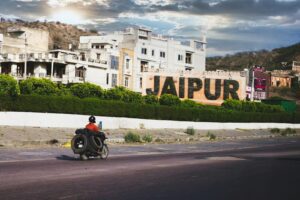
Bollywood actor Abhishek Bachchan has revealed the deeply personal reason behind his decision to choose Jaipur as the home city for his Pro Kabaddi League team, the Jaipur Pink Panthers. In a recent interview, the actor spoke about his long-standing connection with sports and explained that Jaipur was not simply a business or sporting choice for him.

Abhishek said that his decision was influenced by his personal memories of the city, including his relationship with his wife, Aishwarya Rai Bachchan. He revealed that he and Aishwarya started dating in Jaipur, giving the city an emotional significance that went beyond his involvement in kabaddi.

The actor has previously spoken about the importance of having a personal connection with the projects he takes up. His comments about Jaipur Pink Panthers offer another insight into why he became closely involved with the franchise after the Pro Kabaddi League was launched.

Abhishek also credited his father, megastar Amitabh Bachchan, for developing his passion for sports from an early age. He has described Amitabh as a major sports enthusiast and said that his interest in sports was influenced by his father.

The Jaipur Pink Panthers became one of Abhishek’s major sporting ventures when the Pro Kabaddi League began in 2014. At the time, kabaddi did not have the same commercial profile as cricket, but Abhishek chose to invest in the sport because of his genuine interest in building sporting institutions.

His connection with the team has continued over the years. The Jaipur Pink Panthers won the inaugural Pro Kabaddi League title in 2014, giving the franchise an impressive start to its journey. Abhishek was closely associated with the team and celebrated its success with the players.

The Bachchan family’s connection with the Jaipur Pink Panthers has also become visible during matches. Aishwarya Rai Bachchan, Amitabh Bachchan and their daughter Aaradhya have previously attended games to support Abhishek and the team. In January 2024, the three were seen enthusiastically cheering for the Jaipur Pink Panthers during a Pro Kabaddi League match.

For Abhishek, the team’s name itself also carries a connection to his childhood and his relationship with Amitabh Bachchan. He has previously recalled that his father used to call him “Tiger” when he was young. Abhishek later began calling his father “Panther” in response, a childhood memory that became part of the personal story behind the franchise.

The actor’s latest comments therefore bring together several important aspects of his life: his passion for sports, his relationship with his father, his connection with Aishwarya and his journey as a sports-team owner.

Abhishek has also made it clear that he does not view his involvement in sport simply as a financial investment. In discussions about his sporting ventures, he has emphasised the importance of building teams and sporting institutions rather than treating them only as businesses.

His association with the Jaipur Pink Panthers has consequently developed into something larger than celebrity ownership. Over the years, he has remained involved with the franchise and has regularly been seen supporting the team during important matches.

The team has also achieved further success since its inaugural season. The Jaipur Pink Panthers won the Pro Kabaddi League Season 9 title in 2022, adding another championship to the franchise’s record. Aishwarya publicly celebrated that achievement and praised the players for their performance during the season.

The Bachchan family’s visible support has also helped create a strong connection between the franchise and its celebrity owner. Their appearances at matches have often attracted attention, particularly when Amitabh Bachchan, Aishwarya and Aaradhya have joined Abhishek to cheer for the team.

For Abhishek, however, the connection with Jaipur appears to be particularly personal. His revelation that he and Aishwarya began dating in the city adds another layer to his decision to associate his sporting franchise with Jaipur.

The disclosure also provides a glimpse into the actor’s personal memories without changing the larger story of his sporting journey. Jaipur is simultaneously the home of his kabaddi franchise and a city connected to an important chapter in his relationship with Aishwarya.

The Jaipur Pink Panthers have now become an established name in Indian kabaddi, and Abhishek’s continued involvement reflects his long-term interest in the sport. His journey also demonstrates how celebrities have increasingly become involved in professional sports beyond cricket and entertainment.

Abhishek’s sporting interests extend beyond kabaddi as well. He has been associated with other sporting ventures, including football, while more recently expanding his involvement into European cricket. His approach, according to his own comments, has been driven by a desire to contribute to sports and build institutions rather than simply make a commercial investment.

The latest revelation about Jaipur consequently adds a personal dimension to a sporting story that began more than a decade ago. What started as an investment in a new professional kabaddi league has become an enduring association for Abhishek Bachchan.

With his father inspiring his love for sports and Jaipur carrying memories associated with his relationship with Aishwarya, the city holds multiple layers of significance for the actor. His decision to build the Jaipur Pink Panthers around that connection has helped make the franchise an important part of his sporting identity.

Abhishek’s comments also underline why personal associations can influence decisions that might otherwise appear purely professional. For him, choosing Jaipur was connected not only with the opportunity to participate in India’s emerging kabaddi league but also with memories and relationships that remain important to his life.

The Jaipur Pink Panthers continue to represent that combination of sport and personal identity. For Abhishek Bachchan, the franchise is therefore more than a team name—it is linked to his passion for sport, his childhood memories with Amitabh Bachchan and his personal connection with Aishwarya and Jaipur.


Related Posts

Editors Pick

  • All Post
  • Top Stories

Subscribe For News

Get the latest sports news from News Site about world, sports and politics.

You have been successfully Subscribed! Ops! Something went wrong, please try again.

Latest Posts

  • All Post
  • Top Stories

Subscribe For More!

Stay updated with the latest breaking news, politics, business, sports, entertainment, and world affairs — delivered directly to your inbox every day.

You have been successfully Subscribed! Ops! Something went wrong, please try again.

50news is your trusted source for fast, verified, and trending news updates from India and across the world. We bring you the top headlines that matter — 24/7.

Top News

  • Breaking News

  • India News

  • World News

  • Business Updates

  • Sports Headlines

  • Entertainment Buzz

Services

  • Sponsored News Publishing

  • Media Promotions

  • Bulk PR Package

  • Advertisement Queries

  • Brand Collaborations

  • Customer Support

Company Policies

Company Policies

  • About 50news

  • Privacy Policy

  • Terms & Conditions

  • Editorial Guidelines

  • Fact-Checking Policy

  • Contact Us

© 2026 Created by 50news.in