The PM Modi Gold Buying Appeal came amid growing concerns over the economic impact of the West Asia crisis, with Prime Minister Narendra Modi urging citizens to reduce dependence on imported fuel, conserve foreign exchange and avoid non-essential gold purchases for one year. The appeal was part of a broader call for collective responsibility as elevated crude oil prices and disruptions around the Strait of Hormuz put pressure on India’s external finances.
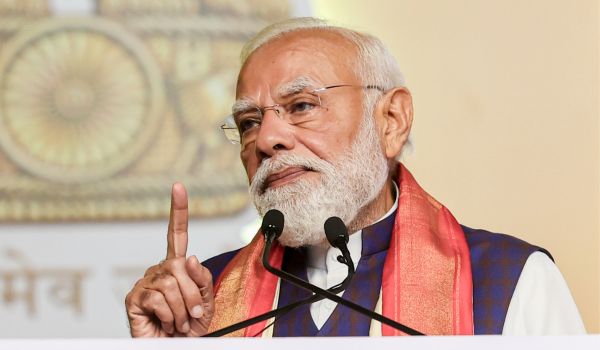
The PM Modi Gold Buying Appeal was made during an address in Hyderabad, where the Prime Minister outlined several measures that citizens could adopt to help the country manage the economic challenges arising from the geopolitical situation. These included reducing petrol and diesel consumption, using public transport and carpooling, avoiding unnecessary foreign travel and bringing back work-from-home practices where possible.
The PM Modi Gold Buying Appeal is closely connected with India’s dependence on imports. Gold is one of the country’s major imported commodities, while crude oil remains a crucial import because India meets a large share of its energy requirements through overseas supplies. When international oil prices rise sharply, the import bill can increase significantly, putting pressure on foreign exchange and the current account.
The PM Modi Gold Buying Appeal specifically asked citizens to reconsider gold purchases that are not essential and postpone such purchases for a year. Gold has a strong cultural and social significance in India, particularly during weddings and festivals, but a substantial portion of domestic demand is met through imports. Reducing discretionary purchases can therefore help limit foreign-exchange outflows during periods of external economic pressure.
The PM Modi Gold Buying Appeal was not presented as a permanent restriction on gold ownership or purchases. Instead, the message focused on temporary restraint during a period of heightened global uncertainty. The Prime Minister linked the appeal to the broader need for citizens to make consumption choices that reduce India’s dependence on foreign resources and help conserve foreign exchange.
The PM Modi Gold Buying Appeal came as crude oil prices were trading at elevated levels because of the West Asia conflict and uncertainty surrounding the Strait of Hormuz. According to Akashvani, crude oil prices had moved above $100 per barrel, while prices had previously reached a 52-week high of $126 per barrel. Such movements are particularly important for India because higher crude prices can increase the country’s import expenditure.
The PM Modi Gold Buying Appeal was accompanied by a strong message on fuel conservation. Modi urged people to use metros and public transport wherever available and to consider carpooling when private vehicles are necessary. The objective is to reduce petrol and diesel consumption and consequently reduce the foreign currency required to pay for imported energy.
The PM Modi Gold Buying Appeal also included a suggestion to use railways for transporting goods wherever practical. Shifting more freight to rail can reduce dependence on road transportation and petroleum products. Along with public transport, carpooling and greater use of electric vehicles, the measures form part of a wider strategy to reduce fuel consumption during an international energy crisis.
The PM Modi Gold Buying Appeal also extended beyond fuel and gold. The Prime Minister encouraged citizens to avoid unnecessary foreign travel and overseas vacations and to consider domestic destinations instead. He also spoke about avoiding destination weddings abroad. These activities involve foreign-currency expenditure, meaning that postponing or replacing them with domestic alternatives could help conserve foreign exchange.
The PM Modi Gold Buying Appeal was also connected with the revival of work-from-home arrangements. Modi suggested that companies and organisations could consider bringing back practices used during the COVID-19 period, including remote working, online conferences and virtual meetings. Reducing daily commuting could help lower fuel consumption while also reducing unnecessary travel.
The PM Modi Gold Buying Appeal reflects concerns about the combined effect of expensive energy, disrupted trade routes and global geopolitical uncertainty. India is particularly sensitive to international oil prices because crude imports play a major role in the country’s energy system. A prolonged increase in oil prices can affect transportation costs, inflation, the trade balance and household expenses.
The PM Modi Gold Buying Appeal therefore forms part of a broader economic self-reliance message. The Prime Minister has repeatedly encouraged citizens to support domestic products, reduce unnecessary imports and adopt the principle of “Vocal for Local.” In September 2026, he renewed the appeal, asking people to avoid unnecessary gold purchases, foreign leisure trips and overseas weddings while promoting Swadeshi products.
The PM Modi Gold Buying Appeal has particular relevance because India is one of the world’s largest gold markets. The World Gold Council estimates that India has annual net gold demand of around 800 tonnes and notes that the country needs to import its gold requirements. Consequently, changes in consumer demand can have implications for the country’s import bill and current account.
The PM Modi Gold Buying Appeal also comes against the backdrop of India’s substantial foreign exchange reserves. According to data cited in recent analysis, India’s foreign exchange reserves stood at around $691.11 billion at the end of March 2026. Although this provides a significant buffer, policymakers remain attentive to the effect of higher energy and commodity imports on external stability.
The PM Modi Gold Buying Appeal has implications for the jewellery industry as well. Gold jewellery businesses depend heavily on consumer demand, particularly during wedding seasons and festivals. A broad reduction in discretionary purchases could temporarily affect jewellery sales, although essential purchases and culturally important occasions are likely to continue generating demand.
The PM Modi Gold Buying Appeal should therefore be understood in the context of crisis management rather than as a conventional consumer advisory. The government is seeking ways to reduce the economic impact of external shocks by encouraging households, businesses and government departments to conserve resources. Government departments subsequently adopted some measures based on the Prime Minister’s appeal, including restrictions on fuel and electricity use, greater use of virtual working and a pledge among officials not to buy gold for a year except for special family occasions.
The PM Modi Gold Buying Appeal also highlights the importance of reducing India’s dependence on imported energy. The government has pointed to efforts to diversify crude oil and gas supplies and strengthen strategic petroleum reserves. In a later statement in Parliament, Modi said India had increased its energy import sources from 27 countries to 41 and had developed more than 5.3 million metric tonnes of strategic petroleum reserves, while working toward higher storage capacity.
The PM Modi Gold Buying Appeal comes at a time when the Strait of Hormuz remains strategically important for global energy supplies. Disruptions in the region can affect oil and gas shipments and create uncertainty for importing countries. India is also closely connected to Gulf economies through trade and the large Indian population living and working in Gulf countries, making developments in West Asia particularly important for the Indian economy.
The PM Modi Gold Buying Appeal also fits into the government’s longer-term strategy of increasing domestic production and reducing import dependence. The Prime Minister has highlighted initiatives involving shipbuilding, energy security, defence manufacturing, pharmaceuticals and critical minerals. The broader objective is to make the Indian economy more resilient when international supply chains face disruptions.
The PM Modi Gold Buying Appeal does not mean that ordinary citizens are being asked to stop spending altogether. Rather, the message encourages people to distinguish between essential and discretionary expenditure. Using public transport when practical, reducing unnecessary fuel consumption, choosing domestic travel and postponing non-essential gold purchases are examples of voluntary measures that can collectively reduce pressure on imported resources.
The PM Modi Gold Buying Appeal also places individual choices within a wider macroeconomic framework. A single household reducing fuel use or postponing a gold purchase may have a limited effect, but millions of consumers making similar decisions could influence overall import demand. This is the reasoning behind the government’s emphasis on collective participation during periods of international economic uncertainty.
The PM Modi Gold Buying Appeal has also been reiterated as India continues to promote stronger economic growth. In September 2026, Modi again encouraged citizens to support self-reliance after India reported real GDP growth of 7.8% in the April-June quarter of fiscal 2026-27. The renewed message connected economic growth with continued efforts to strengthen domestic production and reduce unnecessary foreign expenditure.
The PM Modi Gold Buying Appeal therefore represents one part of a larger economic message from the government. Along with reducing gold purchases, citizens have been encouraged to limit fuel consumption, avoid unnecessary overseas spending, embrace domestic tourism and support locally produced goods. Together, these measures are intended to reduce India’s exposure to external shocks and preserve foreign exchange.
The PM Modi Gold Buying Appeal also comes with a wider emphasis on agricultural self-reliance. The Prime Minister called for lower dependence on imported chemical fertilisers and greater adoption of alternatives, while also encouraging farmers to use solar-powered irrigation instead of diesel pumps. Reducing imports in agriculture can contribute to the broader objective of strengthening domestic resource security.
The PM Modi Gold Buying Appeal has consequently become part of a broader conversation about how India can protect its economy during global crises. Rising commodity prices, supply-chain disruptions and geopolitical conflicts can quickly affect countries that depend heavily on imports. India’s approach is to combine government-level measures with voluntary changes in consumption patterns.
The PM Modi Gold Buying Appeal is likely to remain relevant as long as international energy prices and geopolitical risks remain elevated. If oil prices stabilise and supply routes normalise, pressure on India’s import bill could ease. However, if disruptions continue, measures aimed at conserving fuel, foreign exchange and imported commodities could become increasingly important.
The PM Modi Gold Buying Appeal ultimately sends a message of temporary restraint and economic responsibility. By asking citizens to postpone non-essential gold purchases, reduce fuel consumption, limit unnecessary foreign travel and consider work-from-home arrangements, the Prime Minister has sought greater public participation in dealing with the economic effects of the West Asia crisis.
For readers following the PM Modi Gold Buying Appeal, the key issue is how these voluntary measures interact with India’s broader economic strategy. Gold demand, crude oil prices, foreign exchange reserves, import costs and domestic consumption will remain important indicators of the country’s ability to absorb external shocks. As global conditions continue to evolve, the government’s emphasis on self-reliance and resource conservation is likely to remain an important part of India’s economic policy discussion.