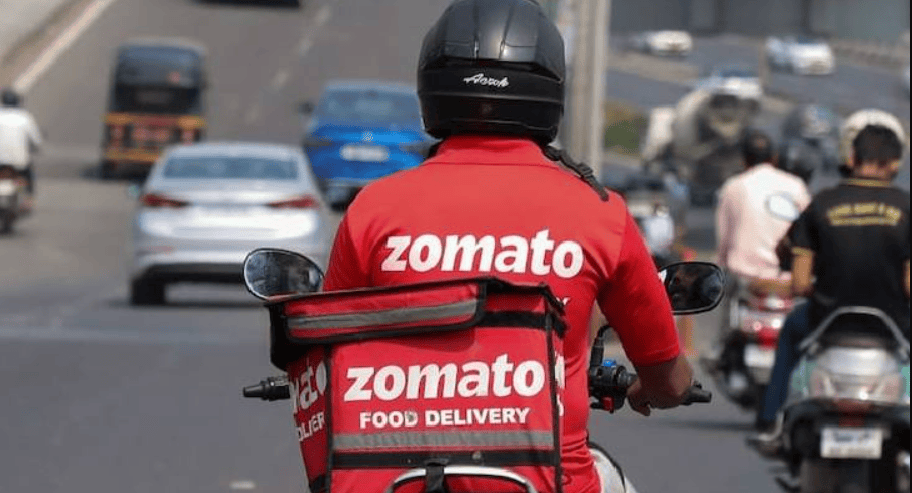
Several prominent sweet shops and food businesses in Jaipur have announced an indefinite boycott of Zomato, accusing the food-delivery platform of imposing financially difficult commercial terms and lacking transparency in its dealings with restaurant and sweet-shop owners.
The boycott has been announced by the Shri Halwai Samiti, an organisation representing prominent halwais and sweet businesses in Jaipur. Around 60 well-known sweet shops and food establishments are part of the collective action, including Laxmi Misthan Bhandar, Rawat Misthan Bhandar, Bombay Misthan Bhandar, Doodh Misthan Bhandar, Kanha, Sodhani Sweets, Bhagat Mishthan Bhandar and others.
The dispute primarily revolves around commissions, discounts, advertising expenses and deductions that the shop owners say have made online sales through Zomato increasingly difficult to sustain.
Ajay Agarwal, proprietor of the iconic Laxmi Misthan Bhandar, said the platform initially operated differently when it entered the market around 2015-16. According to him, Zomato was initially presented as a logistics partner and businesses were not charged a commission at that time.
The situation, he said, has changed considerably. Sweet-shop owners now claim that commissions can range from around 10-12 per cent to as high as 25 per cent, depending on the business and its commercial arrangement with the platform.
Shop owners have also raised concerns about discounts and promotional offers. They allege that businesses are sometimes expected to participate in discount schemes or bear part of promotional costs, while advertising and visibility expenses add another layer to the overall cost of selling through the platform.
According to the Shri Halwai Samiti, these costs are particularly difficult for traditional sweet shops because their margins and pricing structures differ from those of many conventional restaurants.
The association has also alleged that Zomato makes deductions from settlements that businesses consider unjustified. It has further complained that discount schemes may be introduced without adequate consultation with individual establishments, while the shops are still expected to honour the offers available to customers.
The issue has become particularly significant because online food delivery has become an important sales channel for Jaipur’s younger and technology-friendly customers.
Agarwal said that the businesses represented by the association collectively generate around ₹50 lakh in daily business through Zomato. If the dispute continues, however, shop owners have indicated that they may prefer to withdraw from the platform rather than continue under what they consider financially unsustainable conditions.
The Samiti has asked Zomato to rationalise its commission structure and introduce a more uniform percentage for sweets and related categories.
According to the shop owners, sweets operate in a highly price-sensitive market, making it difficult for businesses to absorb high commissions, advertising costs and discounts without affecting their profitability or increasing prices.
The association has also argued that customers ultimately bear part of these additional costs because businesses may need to adjust online prices to compensate for platform-related expenses.
The dispute is not limited to one or two establishments. The Shri Halwai Samiti said it had repeatedly attempted to communicate with Zomato through letters and emails.
According to the association, Zomato held a meeting with representatives last month and assured them that the concerns would be addressed. However, the shop owners claim that after submitting a formal representation seeking a reduction in commissions and another meeting, they did not receive a satisfactory response.
Zomato was contacted by The Indian Express for a response to the allegations. A company representative sought time to respond, but no detailed response had been reported at the time of publication. The allegations made by the shop owners therefore remain their claims and have not been established as findings against the company.
Zomato’s published merchant terms show that commissions are part of its commercial arrangements with merchants. Its terms also state that commission rates and certain additional charges may be changed with prior communication to merchants. The platform’s terms further provide for deductions from merchant settlements for commissions, applicable taxes and other amounts payable under the agreement.
The disagreement in Jaipur also comes amid wider conversations among food businesses about the costs of operating on online delivery platforms.
The Federation of Sweets and Namkeen Manufacturers has written to Zomato seeking a meeting to discuss commercial and operational concerns raised by its members and other businesses in the sweets, namkeen, bakery and allied food sectors.
The federation said concerns were increasingly being raised around commissions, platform costs, discounts, promotional programmes, deductions, settlements, transparency and customer relationships. It suggested that the issue may extend beyond an individual business or a single city.
The development could have an immediate impact on customers in Jaipur who regularly order traditional sweets and snacks online.
Several iconic Jaipur food businesses that customers commonly find through delivery platforms may no longer be available through Zomato while the boycott continues. The move could particularly affect online orders for products such as traditional sweets, kachoris and other popular Rajasthani food items.
However, the boycott is not necessarily a permanent exit from online food delivery. The Shri Halwai Samiti has indicated that businesses remain open to constructive discussions and that the objective is to resolve concerns surrounding commissions and commercial conditions.
For Zomato, the dispute highlights the continuing challenge faced by food-delivery platforms in balancing consumer discounts, restaurant commissions, delivery costs and profitability.
For traditional sweet shops, the issue is about whether online delivery can remain commercially viable when customers are highly price-sensitive and businesses already face substantial competition.
The Jaipur dispute also comes against the backdrop of broader scrutiny of pricing and platform charges in India’s online food-delivery sector. In July 2026, the Competition Commission of India considered a complaint against Eternal Limited, formerly known as Zomato, concerning allegations including excessive commissions, platform fees, price differences and other commercial practices. The complaint was made by a consumer and contained allegations that were not themselves findings of wrongdoing by the CCI.
That separate proceeding demonstrates why issues surrounding platform fees and commissions are attracting increasing attention from businesses and consumers alike.
For Jaipur’s sweet-shop owners, however, the immediate concern remains the commercial relationship with Zomato. Their decision to collectively stop using the platform puts pressure on both sides to find a solution.
The Shri Halwai Samiti has made clear that it wants what it considers reasonable and transparent commercial terms rather than an end to online delivery altogether.
Until an agreement is reached, customers may find that some of Jaipur’s most recognisable sweet shops and food establishments are unavailable on Zomato.
The boycott therefore represents more than a dispute between one platform and a handful of merchants. With around 60 prominent businesses involved and the wider sweets industry taking notice, the Jaipur standoff could become another important test of how India’s food-delivery platforms and traditional food businesses negotiate commissions, discounts and the growing cost of digital commerce.